
Spotting abuse isn’t always about black eyes and broken arms. Sometimes it’s bruises shaped like fingers. Other times it’s someone making excuses for cuts, flinching at loud voices, or watching their wallet drain without touching it. Maybe it’s a partner who always “jokes” at your expense—except it stops being funny fast. You start missing friends, double-checking texts, and asking your own permission before making a simple choice. Curious where all these signs can point? Keep going.
Physical Signs of Abuse
Even though a bruise or a cut doesn’t always mean danger, some injuries should make you stop and think. Let’s talk bruising patterns. Sure, everyone bangs an elbow now and then, but when you see bruises that look suspicious—shaped like hands, fingers, or objects—that’s a red flag. You didn’t trip into a perfectly round bruise, did you? Didn’t think so. Unexplained fractures are another big one. A broken arm with a silly or inconsistent story is a warning sign. Kids don’t just “fall” onto spiral fractures, and adults rarely break bones in the kitchen—unless someone else is involved. If someone tries to downplay or hide these injuries, don’t ignore it. Trust your gut. Take bruising patterns and unexplained fractures seriously.
Emotional and Psychological Indicators

Bruises and breaks are only part of the story. Emotional abuse goes deeper—right under your skin. You might feel like you’re always walking on eggshells, never sure what mood is coming next. If someone’s constantly putting you down, making you doubt your worth, or twisting your words, that’s not “tough love.” It’s manipulation. You start questioning your sanity. Maybe they guilt you into silence. Notice if you’ve lost trust in your own feelings—your emotional literacy gets crushed. Ever felt too nervous to disagree? That’s not attachment theory in action; that’s control. You might stop reaching out to friends, just to keep the peace. If you recognize these shifts in yourself, don’t ignore them. Emotional scars can last even longer than physical ones.
Warning Signs of Financial Abuse
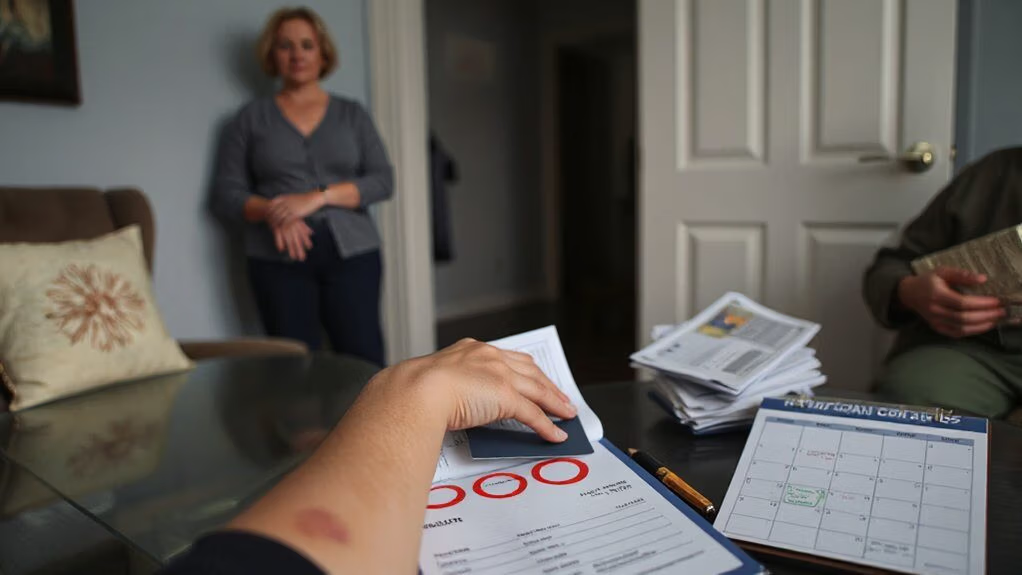
Money talks—and sometimes, it threatens. If someone controls every dollar you spend, that’s not budgeting—it’s a power move. Look out for “bank secrecy.” Maybe you never get passwords, can’t see statements, or you’re always kept in the dark about joint accounts. That’s a red flag. Does someone rack up debt in your name, or pressure you into loans you don’t want? That’s debt manipulation, plain and simple. Your wallet shouldn’t feel like a leash. If they “forget” to pay shared bills or insist you hand over your paycheck, they’re not helping—they’re taking control. If you feel scared or confused about money in your relationship, that isn’t normal. Trust your gut. Your finances belong to you, not someone else.
Recognizing Verbal and Psychological Manipulation

Catching verbal or psychological abuse isn’t always like spotting a bruise—you don’t see it, but you sure can feel it. One day you know what’s real; the next, you’re not so sure. That’s gaslighting, one of the most common mind games abusers play. They’ll twist facts, deny obvious truths, or insist you’re “overreacting.” Suddenly, you’re doubting your memory. You apologize even when you’re not wrong. When a person feeds you constant criticism or mocks you just to “joke,” don’t shrug it off. That’s manipulation, not just sarcasm. Listen to your gut. If conversations start to feel like a battle where the rules always change, someone’s controlling the game. Ask yourself: Do you feel smaller after talking? That’s no accident.
Behavioral Clues and Red Flags

Pretty often, you’ll spot abuse long before anyone raises their voice or throws a punch. Look for the stuff people don’t shout about: sudden trust issues, weird excuses for canceled plans, or friends who disappear from your life. Isolation patterns are a classic red flag. If someone’s world gets smaller—dropping hobbies, skipping gatherings, blocking contacts—take notice. It’s not just being busy; it’s habitual vanishing. Does someone flinch at phone calls? Always ask permission before making simple decisions? That’s not devotion; it’s control. If you see someone dodging questions about where they’ve been, or shutting down when certain topics come up, trust your gut. These clues don’t scream, but they’re loud if you’re really watching. Don’t blow them off.
Conclusion
So, if you spot bruises, weird excuses, or notice someone’s bank account vanishing like socks in the dryer, don’t look away. Here’s a stat for you: one in four women and one in nine men experience severe abuse—so it’s not exactly rare. Trust your gut if things seem off. Ask hard questions. Offer a ride, a safe place, or just an ear. Ignoring the signs won’t make them disappear. Call things what they are. People need that.
