
You bend, you rub, you pinch—and the carpet tells on itself. If the backing shows when you fold a sample, if the yarn blooms when you rub it, or your thumb hits backing fast, it’s bargain-bin. Tug a tuft; it shouldn’t slide out. Sniff for strong chemicals. Skip gummy or chalky backing and sketchy dye. Want the quick tests that keep junk off your floors? Let’s start with your hands.
Check Face Weight and Pile Density
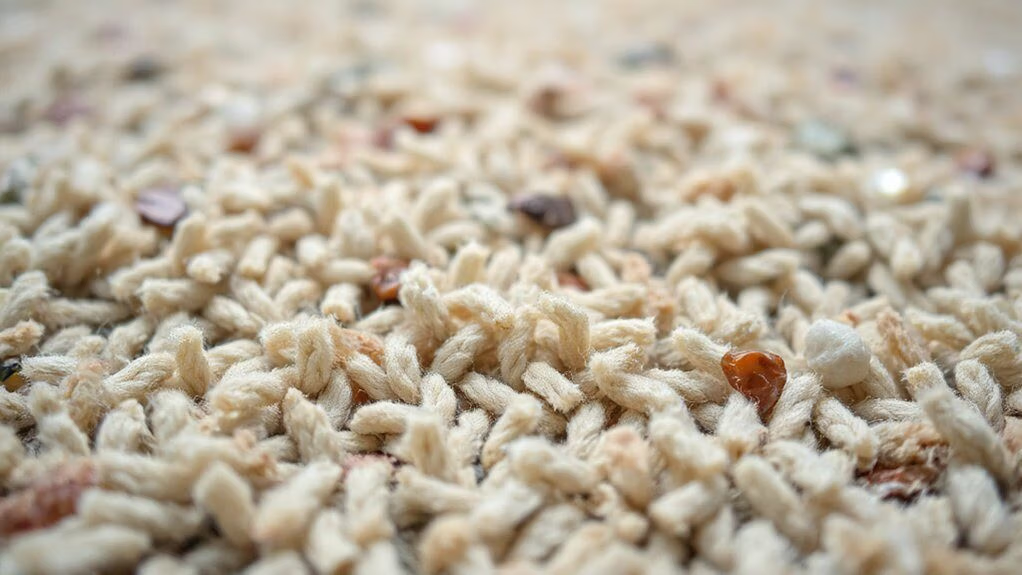
Start with the numbers, not the fluff. Flip the label and check face weight: under 25 ounces per square yard screams flimsy. Aim for 35 to 60 for living areas, higher for stairs. Next, look at pile density. You want tight, crowded fibers. If you can easily see the backing when you bend the sample, pass. Dense piles handle traffic better and give better acoustic insulation. They also feel less like a doormat.
Do a quick thumb test. Press hard; if it pancakes flat and takes ages to recover, that’s bargain-bin. Measure thickness with a ruler; thick isn’t always dense, so don’t confuse cushion with substance. Match the numbers to room suitability. Bedrooms can go lighter. Halls and family rooms can’t. Choose accordingly, confidently.
Evaluate Twist Level and Tuft Bind
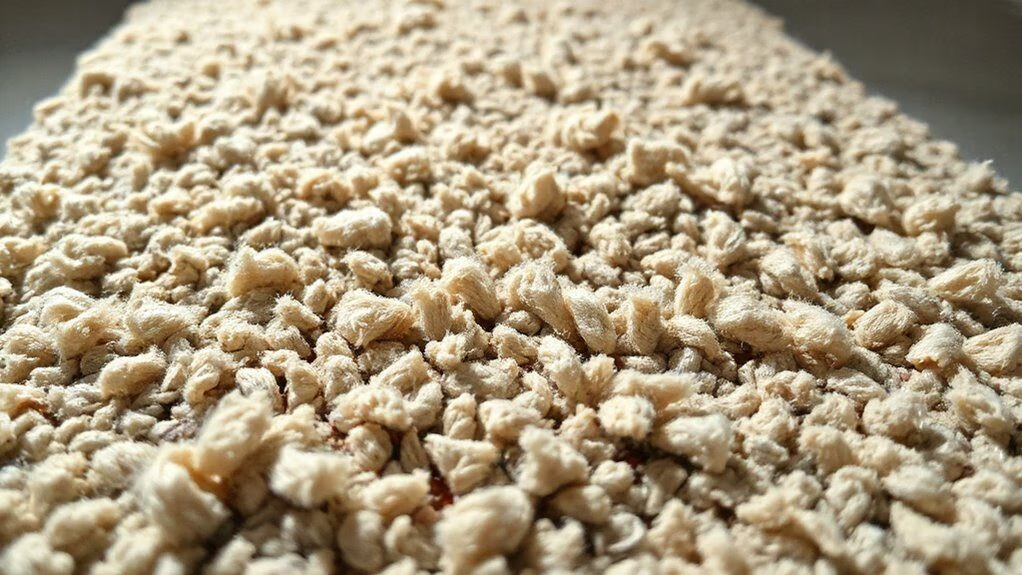
You’ve checked weight and density; now look at how the yarn is built and how well it’s locked in. Check twist level first. You want tight, even spirals, not fuzzy rope. Rub a spot with your thumb for ten seconds. If the tips bloom into a cotton ball, the twist is weak. That kills pile cohesion and invites matting. Now test crimp resilience. Press the pile with a coin, hold five seconds, release. It should spring back fast. Slow bounce-back means traffic lanes soon. Next, tug on a single tuft with tweezers. If fibers pull free, tuft bind is poor. Ask for a tuft bind rating: aim for 8–10 pounds for homes. Do a vacuum pass. Excess fuzz equals cheap. Save yourself future regrets.
Identify Fiber Type and Performance Ratings
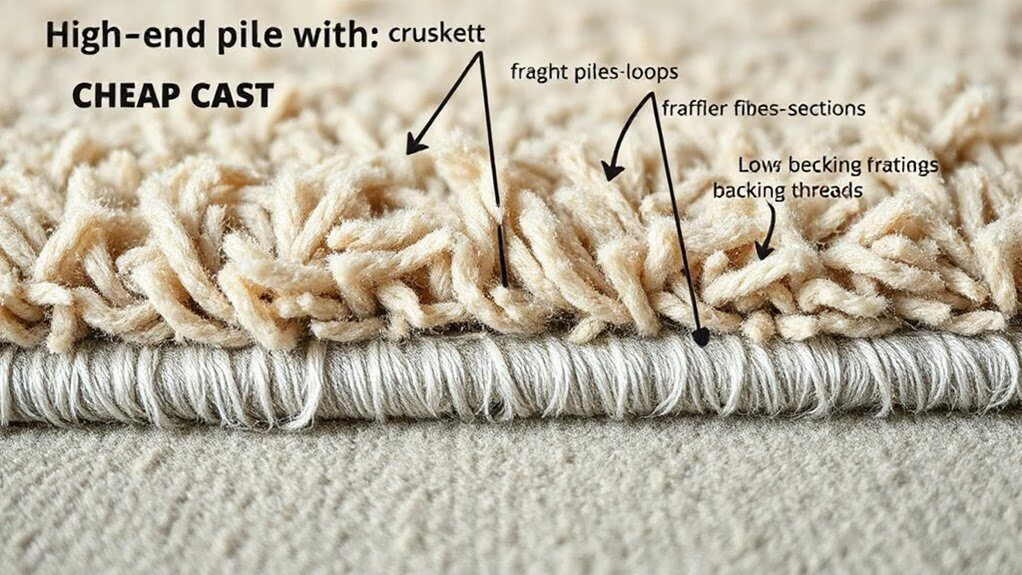
Start by comparing fibers: nylon handles traffic best, polyester fights stains but can crush, olefin laughs at moisture but mats, and wool looks luxe but costs and needs care. Then check the label for durability: heavy-traffic rating, face weight around 40 oz or more, and density near 2,000 or higher for busy rooms. If the tag hides these numbers or they’re low, that’s a cheap carpet waving a bright red flag.
Fiber Types Comparison
How do you spot cheap carpet fast? Start with fiber type. Nylon is the workhorse: lively bounce, balanced softness, usually higher price. Cheap nylon feels squeaky, with a soda-bottle shine. Polyester (often recycled PET) is soft and bright, great for stains, but bargain versions look glossy and go limp in busy rooms. Olefin/polypropylene laughs at bleach and moisture, yet often feels waxy and shows seams; it’s fine for playrooms and basements. Triexta offers kid-proof stain resistance and buttery feel; super-cheap lines can feel spongey. Wool is natural, dense, and luxe; blends stuffed with filler fibers feel thin. Think environmental impact and recycling options: PET uses bottle waste, nylon 6 can be depolymerized, wool biodegrades, and olefin is widely recyclable—if local programs accept it today.
Check Durability Ratings
Before you fall for a soft touch and a cute color name, check the tag for what actually lasts. Look for performance ratings, not fluffy promises. Ask for face weight, twist level, and density. Higher numbers usually mean tougher carpet. Check the fiber too. Nylon and solution-dyed polyester handle traffic better than bargain acrylic blends. Now look for stamps from rating agencies and industry groups. They test abrasion, matting, and stain resistance. If you can’t find clear longevity metrics, walk away. Read the warranty fine print; exclude-list bingo means weak construction. For stairs or hallways, aim for high traffic ratings and short, tight pile. For bedrooms, you can relax a notch. Either way, demand data. Pretty isn’t proof. Test samples under your heel first.
Inspect Backing, Latex, and Delamination Risk
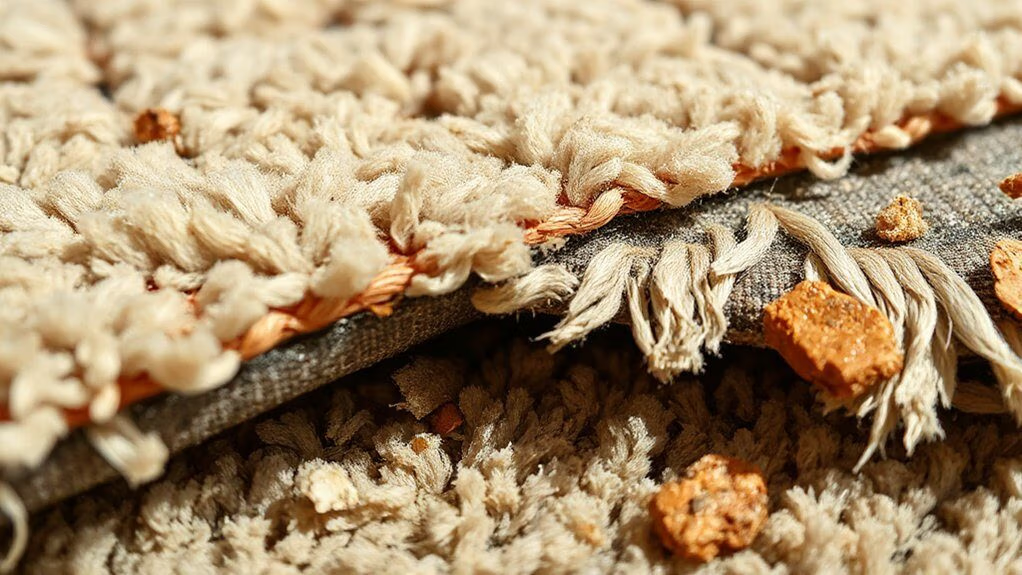
While the face fibers get all the attention, flip the carpet and judge it by its backside—the backing and latex tell you if it’ll hold together or peel apart. Start with Backing Composition. You want a dense primary with a sturdy secondary, not flimsy mesh you can poke through. Tug the layers; if they separate, walk away. Smell the latex. Sour, chemical funk suggests cheap filler and weak bond. Press a fingernail into the backing; chalky dust means brittle compound. Ask about the Moisture Barrier. A proper one blocks spills without turning the rug into a sauna. Fold a corner sharply. Hear cracking or feel stiffness? That’s future delamination. Check edge seams and tuft rows. Loose yarns and gaps mean the glue’s lazy. Today.
Look for Uneven Dye and Poor Colorfastness
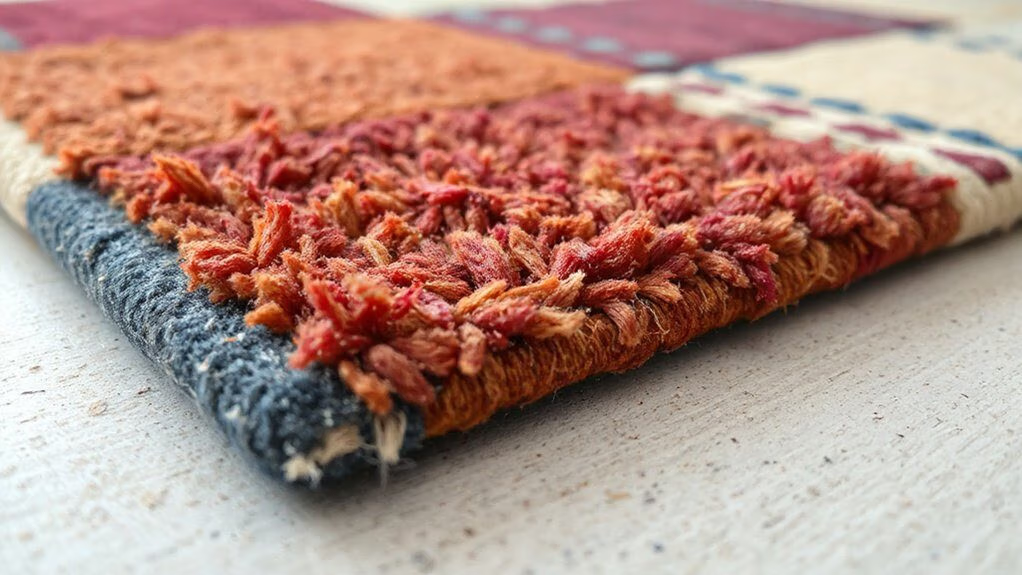
Even if the pile feels plush, blotchy color is the tell. Stand back and scan the field in daylight. Do you see random shade variation or streaks like someone missed a spot? That’s cheap dye work. Bend the carpet and spread the tufts. If the tips look lighter or the base shows white, the color didn’t penetrate. Rub a damp white cloth on a hidden corner for ten seconds. If it lifts color, walk away. Check seams and edges; mismatched tones scream low quality. Ask for matching dye-lot labels and compare multiple cuts under the same light. Take a sample home and park it in a sunny window for a week. Watch for sun fading. Real color should stay put. Through days and light.
Assess Stain and Soil Protection Claims
Check whether the “stain shield” is a quick topical spray or baked in with solution-dyed fibers. Topical coatings wear off fast—one steam cleaning or a season of shoes and they’re gone. Now read the warranty and mark the fine print: exclusions for bleach, pet urine, oil, stairs, rentals; if the list runs long, it’s not protection, it’s a loophole.
Topical vs. Solution-Dyed
Why do some carpets shrug off coffee while others stain if you look at them? It’s about how the color gets in. Topical dye sits on the outside like cheap spray tan. It looks fine until traffic, cleaning, and sunlight strip it away. Stains sneak under and set. Solution-dyed fiber is different. The pigment’s baked into the polymer, so color runs through the strand. Think carrot, not candy shell. You get better fade resistance, bleach tolerance, and real stain defense.
Ask for labels. If it says topical treatment, expect reapplication and spotty results. Solution-dyed nylon or polyester usually wins. You’ll also see lower manufacturing emissions and better recycling compatibility with some lines. Test it: blot coffee, scrub with diluted bleach, and see who laughs.
Warranty Exclusions Matter
Color baked into the fiber is great, but the real test is the fine print. You need to read the stain and soil warranty like a detective. Look for Exclusion Examples: “pet accidents,” “bleach,” “body oils,” “stairs,” and “rental use.” If those are out, what’s actually covered? Also check required cleaners and timelines. Many demand a specific brand and a professional hot-water extraction every 12 to 18 months. Miss one receipt, kiss coverage goodbye.
Ask how long protection lasts and what steps down over time. Some warranties prorate to almost nothing by year five. Watch Transferability Limits, too. If you sell the house, the warranty usually dies with you. Want proof? Ask for a sample claim form and a denied-claims summary. From real cases.
Watch for Too-Good-to-Be-True Warranties
Before you get dazzled by a big “lifetime” stamp, remember warranties sell carpet as much as the fibers do. Ask what “lifetime” actually covers. Wear? Texture retention? Stains? Many “full” warranties shrink fast. Look for a depreciation schedule and prorated terms. If coverage drops to 10% after year five, that “deal” is theater. Check the claim process, too. Do you need professional cleanings on a strict schedule, receipts, photos, and an inspector visit you pay for? Expect limits: material only, no labor, no stairs, no padding, and no moving fees. Ask who handles replacement and how long you’ll wait. Demand the warranty in writing, not a sales pitch. If answers go vague or defensive, walk. The carpet will, too. Better deals exist. Keep looking.
Perform Simple In-Store Hands-On Tests
Before you trust the tag, use your hands. Do a Twist Release Test by rubbing a yarn bundle to see if the twist loosens, and try a Tuft Pull Test by pinching a tuft and giving a firm tug—if it pops out, that’s a red flag. Then run a Density Pinch Test: press your fingers down to the backing; if you feel big gaps or see lots of backing, it’s cheap.
Twist Release Test
How do you spot loose, cheap yarns fast? Pinch a single yarn bundle on the surface. Gently twist it the opposite way of its curl, then release. Watch closely. A good fiber snaps back and holds shape. A bargain-bin twist just relaxes, goes fuzzy, and lies there like a tired noodle.
Do three spots, including a traffic path on the sample board edge. Time the rebound. Instant return = tighter twist and better wear. Slow, mushy return = early matting and footprints. Note fraying at the tips. See bloom and spread? That’s weak twist.
This is consumer education in action. Use a simple visual demonstration right in the aisle. No tools, no drama. Your fingers tell the truth. Cheap yarns can’t hide from physics.
Tuft Pull Test
You tested twist; now see if the backing can actually hang on. Grip a single tuft near the edge of the sample, not the middle display. Pinch it with thumb and forefinger and pull straight up with steady force. Don’t yank like you’re starting a lawn mower. If the yarn slides out or you hear ripping, the backing bond is weak. Good carpet resists, and the tuft snaps back in place.
Use simple safety precautions. Keep nails short, avoid rings, and pull away from your face. Ask the clerk for a scrap and do an instructional demonstration right on the table.
Check the backing after the pull. Do you see a hole, fuzz, or loose latex crumbs? That’s bargain-bin quality. Walk away. Right now.
Density Pinch Test
Ever squeeze a carpet and feel your fingers kiss the backing? That’s the Density Pinch Test telling you the pile’s too sparse. Use the Pinch Technique: grab a tufted spot between thumb and forefinger, press until fibers meet, then note how quickly you touch backing. Fast contact equals low density. Good carpet fights back. Try three spots—center, corner, and along a seam. You want consistent resistance. If one area collapses, quality’s patchy. Watch Operator Consistency too. Pinch with the same force each time, or you’re fooling yourself. Compare samples side by side. The one that hides the backing longer usually wins. Longer fibers can cheat, so look down the part. See rubbery grid fast? Walk away. Your toes will thank you for thicker turf.
Don’t Skimp on Padding Quality and Fit
While carpet gets all the attention, padding is the real MVP underfoot—and cheap pad gives it away fast. Check Padding Thickness and density, not just softness. A good pad springs back when you press it; a bad one stays squashed. Aim for 7/16-inch for plush carpet, 3/8-inch for berber or loop. Don’t accept crumbly rebond full of hard flakes. Ask for a spec sheet with density in pounds and warranty match.
Fit matters too. Poor cuts kill Edge Support. You’ll feel hollow spots along walls, stairs, and doorways if installers leave gaps. Demand full coverage to the tack strip, tight seams, and taped joints over concrete. On stairs, wrap each tread and riser; no floating pieces. Your feet will notice. So will the carpet.
Spot Pricing Tricks and High-Pressure Sales Tactics
How do carpet quotes look dirt cheap, then somehow double at checkout?
Simple. You saw the teaser price, not the real one. Watch for tiny print that excludes padding, stairs, rip-up, disposal, and moving furniture. They’ll add “mandatory” carpet protection and higher-grade pad you didn’t ask for. That’s Aggressive Upselling. Say no and ask them to itemize every fee. If they won’t, walk away.
Fake Scarcity is another trick. “Only today.” “Only three rolls left.” Sure. Ask for the SKU and inventory count. If they dodge, you’ve got your answer. Demand a written, out-the-door price with yardage, pad type, seam plan, and warranty. Compare it to a second quote for the same specs. Pay by credit card, not cash. Avoid in-home “sign now” pressure.
Conclusion
You’re now a carpet lie detector. Bend the sample and if you see the backing grinning like a jack‑o’-lantern, walk. Rub the yarn; if it blooms like a dandelion, nope. Pinch to the backing; if your thumb hits fast, it’s thin. Tug a tuft. Sniff for chemical funk. Check padding, seams, and fine print, then demand an itemized price. If the warranty sounds magical, it’s imaginary. Buy carpet that survives your tests, not salesman’s smile.
