
Imagine this: You finally pull into your garage, but the doors won’t shut because your SUV’s sticking out like a sore thumb. Sound familiar? Most people assume a two-car garage is big enough for, well, two cars and then some. Spoiler: it isn’t always that simple. Mistakes here mean scratched bumpers and zero storage. Before you break out a tape measure or start sketching grand plans, let’s get real about what those “standard” sizes really mean.
Defining a 2-Car Garage
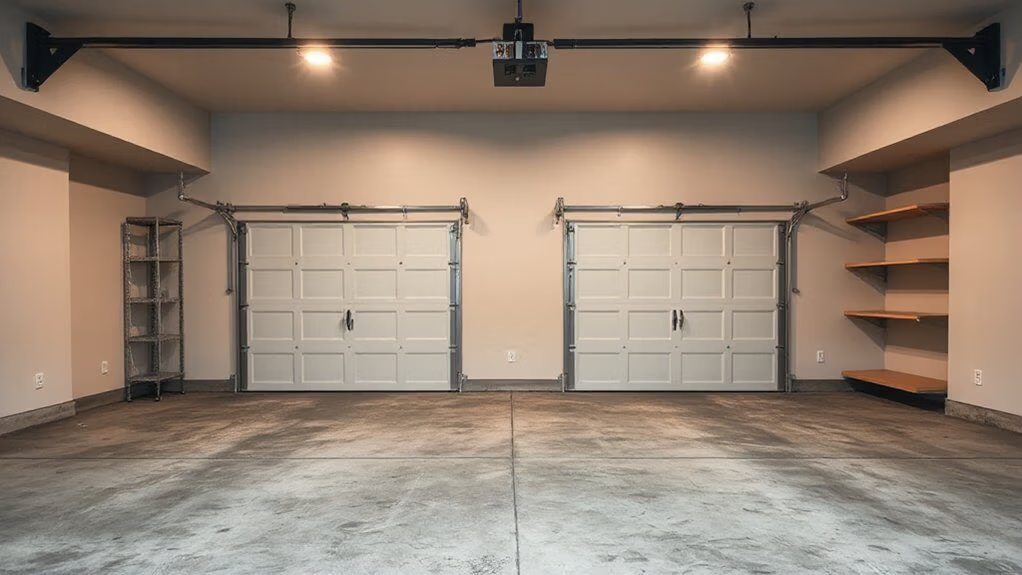
Let’s be clear—a 2-car garage isn’t just a spot where you hope both cars fit if you angle them right. You need a real space designed with more than wild optimism. The garage definition goes beyond walls and a roof. It actually means a protected area meant to hold vehicles—ideally, two of them, side by side. The car capacity isn’t a wish or a maybe. It’s an expectation. So, if your garage claims to fit two cars, you shouldn’t have to suck in your stomach to squeeze between bumpers. A true 2-car garage lets you open doors, walk around, store a lawnmower, and find last winter’s muddy boots. Think function, not fantasy. That’s what a real garage should deliver.
Standard Width and Length Measurements

Most people figure a 2-car garage should be wide enough for two average cars—nothing more, nothing less. But not everyone realizes what actually counts as “average.” When you talk width standards, the go-to size is usually 20 to 24 feet. That gives you enough elbow room to open car doors without whacking into drywall—or each other. Move on to length standards and you’re looking at 20 to 24 feet deep. That’s enough for most sedans, SUVs, and maybe a little extra storage for your mower or bikes. Anything smaller, and you’ll feel like you’re stuffing sardines. So, if you want your garage to do its job, don’t go below these numbers. Otherwise, get ready for some tight squeezes.
Ceiling Height Considerations

So, how high should you go when thinking about your garage ceiling? Let’s get real: you don’t want to bump your head every time you grab something off a shelf or try to park your SUV. Most folks go with ceilings around 8 feet, but if you’ve got a tall vehicle or want to add overhead storage, aim higher—9 or even 10 feet works wonders. Pay close attention to headroom requirements, especially if your garage has a ceiling slope. Those sloped ceilings can steal inches fast, and you don’t want surprises later. Think plainly—a flat ceiling is easiest, but if your space demands a slope, measure that low point. It’s all about making sure your garage doesn’t squeeze you or your stuff.
Door Sizes and Configurations

Ceiling height settled? Good—let’s talk about garage door sizes and configurations or you’ll regret it every time you pull in. Most 2-car garages use either one wide door or two single doors. The typical double door measures about 16 feet wide and 7 feet high. Want two single doors instead? Standard is usually 8 or 9 feet wide each, same height. If you’re tight on space or just hate watching your mirrors cry, sliding doors might tempt you. But don’t forget—sliding doors need special door hardware and more wall space to slide open. Overhead doors are classic, easier to automate, and almost everywhere. Whatever you pick, measure twice. Nothing kills curb appeal faster than squeezing through a clown-sized garage entrance.
Minimum Space Requirements for Vehicles

Squeeze a Chevy Tahoe and a Honda Civic into your garage, and you’ll quickly learn that cars hog a lot more space than you think. It’s not just the vehicle width you need to worry about—although that’s a big one. Standard cars can be nearly six feet wide (more if you count the mirrors), so two side by side adds up fast. Throw in the turning radius, and you’ll realize you need extra space just to open your doors or back out without drama. Don’t even try parallel parking finesse inside. Ideally, you want a minimum of 20 feet in length and about 18 feet in width for a true two-car fit. Skimp on space, and you’ll regret it every time you squeeze by.
Storage and Workspace Options
Let’s be real—your garage isn’t just for parking cars. You can actually claim some space by adding overhead racks for those Christmas bins or hang bikes where you’d usually bang your head. Toss in a sturdy workbench along one wall and suddenly, you’ve got room to tinker without tripping over a tire pump.
Maximizing Overhead Storage
Ever wonder why so much prime real estate goes wasted right above your head? You park your car, glance up, and see—nothing but air. That’s a shame, really. With a couple of sturdy overhead racks, you can stash bins, camping gear, or holiday decorations up and well out of your way. Forget piles on the floor. Overhead racks actually give boxes a home where nobody will trip over them.
Want to get fancier? Install ceiling hoists. They’re perfect for bikes, kayaks, or even a bulky ladder. One tug on the rope and you’re good. No more wrestling with your gear every season. Let’s be honest: if your garage is packed, it’s not the car’s fault. Make the ceiling work for you, not against you.
Creating a Workbench Area
Now, once you’ve got the ceiling sorted out, it’s time to claim some solid ground. Let’s talk about carving out a workbench area in your 2-car garage. First thing—don’t guess the workbench height. Aim for something around 36 inches. Too high or too low and you’ll regret it, maybe even swear at it after ten minutes of actual work. For vise placement, quit cramming it into the far corner. Mount it near the edge for real leverage and easy clamping. Leave room so you’re not banging your shin every time you walk by. Keep your workspace clear—store tools underneath or use wall-mounted shelves. A smart, organized workbench changes everything. You get a real workspace. Not just a clutter magnet.
Factors That Influence Garage Dimensions
While it might sound like garages just come in whatever size the universe feels like, the truth’s more practical—and a bit less magical. Your garage is shaped by real-world factors you can’t ignore. Start with the lot slope. If your property slants, you’ll need extra planning to avoid having your car roll right into the neighbor’s yard. Sloped lots usually mean more work, maybe even extra steps inside, which can make you rethink your ideal garage size.
Next up: budget constraints. Let’s be honest, money rules the day. You might want an oversized garage with tons of space, but if your wallet says no, you’ll be dialing back those dreams. In short, your land and budget mostly decide what your garage ends up looking like.
Customizing for Your Needs
Let’s be real—you don’t want to play Tetris every time you park or grab your lawn tools. If you need extra storage for bikes, boxes, or you want a real workspace instead of a sad corner, it’s smart to bump up those dimensions. Make your garage work for your actual life, not just your cars.
Adapting to Storage Needs
Ever wonder why your two-car garage never seems big enough, even when your cars actually fit? It’s because it’s not just about the cars—your garage becomes a dumping ground for everything else, too. If you don’t have a strategy, chaos wins. Start with seasonal storage. Keep winter stuff—sleds, salt, snow shovels—up high in summer. Swap it all out when seasons change. Don’t just toss boxes around and forget them. Use inventory labeling. Label every bin and shelf. Want your camping gear in a snap? No more digging through mystery boxes or opening each container like it’s a surprise party. Be ruthless. If you don’t use it, donate it. This isn’t just a garage; it’s your organized, stress-free space.
Expanding for Workspace
Seriously—how much space do you actually need in your garage to get work done, not just park a car and squeeze by? If you want to build, fix, or just tinker, you’ll need more room than the basic setup offers. You don’t want your workbench placement to block access to your car or make you hop over toolboxes. At least four feet of open space in front of your workbench is a smart move. And don’t forget about power outlets. You’ll need them for your tools—unless you like dragging extension cords across the garage every time. Planning your layout means measuring, sketching, and making a list of what you really use. Bottom line: more workspace, more freedom. Don’t cramp your style.
Common Mistakes to Avoid When Planning
Why do so many people end up with garages that barely fit two cars and a lawnmower, let alone the mountain of stuff that somehow always multiplies? Honestly, it boils down to common planning mistakes. First, don’t fall for budget mistakes. Cutting corners might sound smart now, but you’ll regret it when you can’t open your car doors without banging the wall. Next, watch out for scale misjudgments. Measure your vehicles—and your junk. Don’t eyeball it; use a tape measure. Remember, overhead storage and wall shelving need space, too. Finally, think long-term. Will you buy a bigger vehicle soon? Planning with your future in mind saves headaches. If you plan small, you’ll get crammed. Be proactive and honest about your needs.
Conclusion
So, don’t squeeze your dreams into a shoebox. Picking the right two-car garage size means you’ll actually fit both cars, open the doors, and still have room for your toolbox or bike. Stick with at least 20×20 feet, aim higher if you want storage or workspace, and don’t get cute with tiny doors. Measure twice, plan smart, and you’ll avoid parking-lot traffic jams in your own home. It’s really that simple—unless you like car dents.
