You’re sober curious, sipping something sweet, it’s cold, it’s bright, it tastes like summer. Many people choose an alcohol-free drink for the immediate health benefits it provides, but might overlook the dental impact. Then a quick zing snaps through one tooth, like a tiny warning light. That moment often sends people to the mirror, trying to figure out what a cavity even looks like.
The honest answer is that it depends. Early cavities can show up as a dull, chalky white spot that doesn’t shine like the enamel around it. As decay moves along, it may look tan or brown, and later it can turn into a visible pit or dark hole, especially in the grooves of back teeth.
Some cavities stay hidden where you can’t see them well, between teeth, under old fillings, or near the gumline. That’s why you can have sensitivity even when your tooth “looks fine” at a quick glance.
In this guide, you’ll learn the common looks from first white spots to deeper dark areas, where to check at home, and what’s more likely to be normal staining than decay. You’ll also get clear signs that mean it’s time to call a dentist. If you sip sweet drinks often, even homemade ones, sugar and acid can hang around longer than you think, so rinsing with water and brushing later matters.
What a cavity looks like at each stage (from a white spot to a visible hole)
A cavity doesn’t usually pop up overnight like a sudden crack in glass. It tends to start as a soft-looking change in the enamel, then deepens and darkens as the tooth loses structure. If you know what to look for, you can catch trouble early, when re-mineralizing (rebuilding enamel with fluoride and better habits) may still be possible. Once the surface breaks and becomes a true hole, it usually needs a filling or more.
Early cavity signs: chalky white spots and dull patches

The earliest stage often looks like a chalky, white patch that seems dry or cloudy, almost like a tiny splash of dried milk on the tooth. Healthy enamel reflects light and looks slick. Demineralized enamel looks matte and a bit “flat,” even after you rinse.
This stage is called demineralization, when acids pull minerals out of the enamel. The good news is that this stage can sometimes be reversed, especially if you reduce frequent sugar and acid hits such as the sugar content in non-alcoholic beverages, improve brushing and flossing, and use fluoride as your dentist recommends.
Common places to spot early changes:
- Near the gumline, where plaque likes to sit.
- In the grooves of molars, where sticky foods hang out.
- Between teeth, where you can’t easily see, but you might notice it on dental X-rays.
Pain is often absent here. If you feel anything, it’s usually mild sensitivity, like a quick twinge when something cold or sweet hits the spot. For a visual overview of how decay progresses, see Oral-B’s stages of tooth decay guide.
Small cavities: tiny pits, rough spots, or a “catch” when you floss

As enamel breaks down, the surface may change from a dull patch to a tiny pit or rough edge. Think of it like a smooth countertop that’s started to chip. The damage can be so small you only notice it by feel.
Clues people often describe:
- A pinhole in a groove on a back tooth.
- A spot that feels rough when your tongue passes over it.
- Floss that consistently snags, shreds, or “pops” in one place between two teeth.
That “catch” matters because it can mean the enamel edge has started to crumble. Still, not every snag is decay. Floss can catch on a slightly tight contact, a rough filling edge, or tartar near the gumline. Treat it as a hint, not a diagnosis. If the snag is always in the same spot for a week or two, it’s worth getting checked.
Moderate to advanced cavities: brown, gray, or black areas with a deeper crater

When decay reaches dentin (the softer layer under enamel), the look often changes fast. Dentin doesn’t resist decay like enamel does, so the area can become a more obvious brown, gray, or black spot, and the tooth may start to cave in.
What you might see and feel:
- A larger hole or crater, not just a pinprick.
- Ragged edges that don’t look clean or smooth.
- Food that keeps packing into the same spot, like it found a parking space.
Symptoms also tend to get louder:
- Sharper sensitivity to sweets, cold drinks, or hot coffee.
- A lingering ache after eating, even once you’ve rinsed.
At this point, re-mineralizing alone usually isn’t enough because the surface is no longer intact. A filling is often the next step to stop the leak and rebuild the tooth.
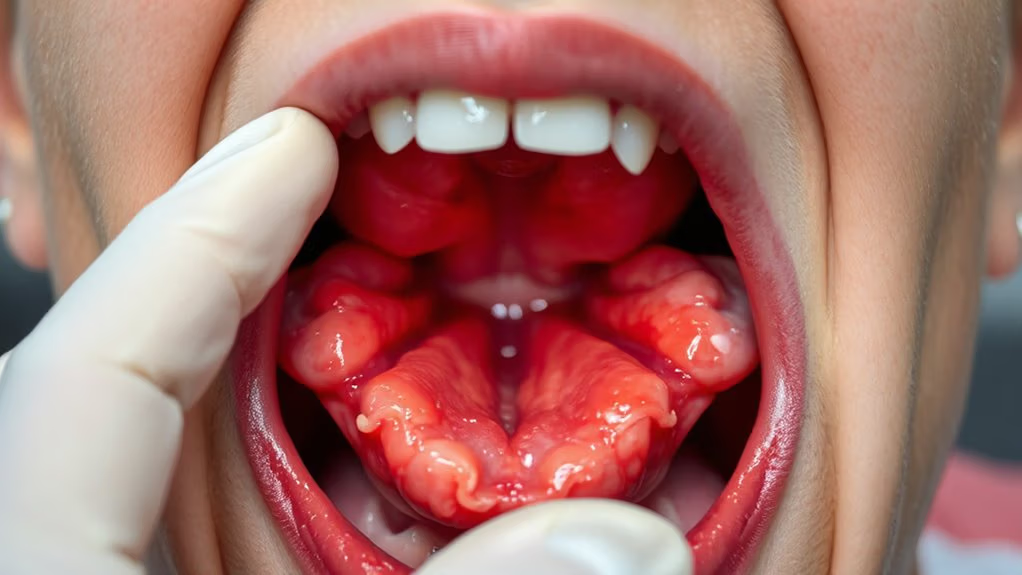
Severe decay and infection: broken tooth edges, swelling, or a pimple-like bump on the gum

Severe decay can look like a tooth that’s crumbled, with a large dark opening and broken edges. Sometimes the tooth looks worse than it feels at first because the nerve may be dying. Other times it’s the opposite, pain that’s hard to ignore. While prioritizing liver health and mental clarity through sobriety is excellent, dental hygiene remains vital.
Infection inside the tooth isn’t always visible, but you might notice:
- Gum swelling or tenderness near one tooth
- A bad taste that comes and goes
- A small pimple-like bump on the gum that may drain (often called a gum boil)
Urgent warning signs include throbbing pain, facial swelling, or fever. Contact a dentist urgently if those show up. This stage often needs more than a filling, such as a root canal or extraction, depending on the damage. For a plain-language breakdown of stages and common treatments, this overview is helpful: https://proclaimhealth.com/blogs/the-fresh-take/what-are-the-five-stages-of-tooth-decay
Where cavities hide: the most common places to look (and why you may not spot them)
If you picture a cavity as a clear black hole, you’ll miss a lot of them. Many cavities start like a shadow, a faint color change, or a rough patch that only shows up in the right light. Location matters because different parts of a tooth wear, stain, and trap plaque in different ways. Even functional mocktails boasting adaptogens like ashwagandha or nootropics like L-theanine for their health benefits can still hide sugars in tooth grooves when sipped slowly.
For a safe at-home check, keep it simple:
- Use a bright light (phone flashlight works) and a mirror.
- Dry the tooth with a clean tissue or a quick puff of air from your mouth, dry enamel shows changes better.
- Look for color changes plus texture changes (a dull, rough, or sticky-looking spot).
- Don’t scrape, pick, or poke with sharp tools. That can damage enamel and gums.
Chewing surfaces: grooves and tiny dark dots on molars

Your back teeth have pits and fissures, basically little valleys designed for grinding. The problem is that these grooves can be narrower than a toothbrush bristle. Plaque settles in like syrup in the seams of a waffle iron, then acid gets time to work.
What it can look like:
- A tiny dark dot in one groove
- A gray-brown shadow under the surface
- A spot that looks stained but doesn’t brush off
Here’s the tricky part: some grooves are naturally darker, or they pick up stain from coffee, tea, or deeply colored drinks. So don’t judge by color alone. Add other clues:
- Roughness when your tongue glides over it
- Sensitivity when something sweet pools on that tooth
- Food that keeps catching in the same groove
Between teeth: the “invisible” cavity that shows up on X-rays

Interproximal cavities form where two teeth touch. From the front, everything can look normal because the decay is tucked into the sidewall. It’s like a leak behind drywall: the surface looks fine until it’s not.
Signs you might notice:
- Floss that catches or shreds in one spot again and again
- Bad breath that lingers even after brushing
- A quick zing when you bite something sweet, especially if it melts and seeps between teeth
This is why dental X-rays matter. They can reveal decay in the contact area long before you’d see a hole. If you want a plain-language overview of “side of tooth” cavities, this explainer is helpful: https://www.pearldentalgroup.com/blog/cavity-on-side-of-tooth/
Near the gumline and on roots: soft-looking spots and notches
Cavities near the gum edge often look less dramatic and more sneaky. You might see a dull yellow-brown patch, a shadow right at the gumline, or a scooped-out notch that looks like someone took a tiny bite from the tooth.
These areas are higher risk when:
- You have dry mouth (less saliva to wash acids away)
- Your gums have receded, exposing root surfaces
- You brush too hard, wearing grooves that plaque can settle into
- Drinks marketed for gut health with fewer calories often contain acidic botanicals like lemon or vinegar
Root surfaces are softer than enamel, so decay can move faster. If you see a gumline spot that looks matte, feels rough, or keeps getting larger, get it checked.
Under old fillings or crowns: dark edges and new sensitivity
A filling or crown doesn’t make a tooth immune. Decay can start at the margins (where the repair meets the tooth), especially if there’s a tiny gap or a rough edge that traps plaque.
Clues to watch for:
- A dark line hugging the edge of a filling or crown
- A border that feels rough with floss or your tongue
- New sensitivity on a tooth that already has dental work

Only a dentist can confirm decay under a restoration. Waiting often turns a small repair into a bigger one because the decay keeps spreading under the surface. If a previously “quiet” tooth suddenly complains when you sip something cold or sweet, don’t ignore it.
Cavity or something else? Easy ways to tell decay from stains, chips, and harmless spots
When you spot a dark dot or a pale mark on a tooth, your brain tends to jump to one word: cavity. But teeth collect all kinds of “souvenirs” from daily life, stained grooves from coffee, tiny chips from a fork, white marks after braces, and spots that have been there forever.
A simple rule helps: color can fool you, texture and change over time matter more. Use good light, dry the tooth with a tissue, and look again. A true cavity often looks less shiny, feels rougher, and slowly gets worse.

Stains vs cavities: color alone is not the answer
With the rise of the sober lifestyle promoting better social inclusivity, more people enjoy non-alcoholic beverages. A stain is like food coloring on a countertop. It changes the look, not the structure. A cavity is damage, more like a soft spot in wood that can crumble.
What stains often look and feel like
- The surface looks smooth and even, even if it’s dark.
- Enamel still looks glossy when light hits it.
- The tooth feels hard if you gently rub it with your tongue.
Common stain triggers include coffee, tea, red wine, tobacco, strong spices (think curry or turmeric), and even virgin cocktails containing high-fructose corn syrup, which can contribute to both staining and decay. Dark liquid can settle into tiny grooves on molars and make them look “dirty” even when they’re healthy.
What cavities often look and feel like
- The spot looks dull or matte, not shiny.
- You may see a pit or a tiny “hole” in a groove.
- It can feel rough, like a snaggy patch, not slick enamel.
If you want a quick visual checklist from a trusted dental source, this guide from Delta Dental is a helpful reference: https://www.deltadentalnj.com/blog/entry/2022/cavity-vs-stain
Fluorosis, enamel spots, and “white marks” that are not decay
White marks can be harmless. Some are “baked in” from childhood, others show up later from plaque sitting too long. The pattern is a big clue. When checking diets linked to these issues, review nutritional labels for artificial sweeteners that might affect oral bacteria.
Fluorosis often looks:
- Streaky or speckled white, sometimes with light brown areas
- Spread across several teeth, not just one
- Present since childhood, not brand new
By contrast, an early decay spot often looks like a single chalky patch near the gumline that seems new. It can look dry, like a tiny smudge of sidewalk chalk, especially when you dry the tooth.
A very common “not-a-cavity” situation is white marks after braces, where plaque sat around brackets. They can look dramatic, even when there isn’t a hole yet. A dentist can tell if the surface is intact and what to do next.

Cracks and chips: sharp edges and sudden changes
Cracks usually show as fine lines, like a hairline in glass. Chips are more obvious and feel sharp right away, often after a clear moment (biting a hard candy, catching a tooth with a fork, or taking a fall).
Typical crack or chip clues:
- A new sharp edge you can’t stop rubbing with your tongue
- Pain when biting down, especially on one side
- Sensitivity that shows up all at once, not slowly over weeks
Cracks don’t usually start as a soft-looking chalky patch. If you have biting pain that sticks around, book a dental visit. Waiting can turn a small crack into a bigger break.
Gum problems and sensitivity without cavities
Sometimes the tooth hurts, but the tooth isn’t the main problem. Gum inflammation can make everything feel sore and “off.” Some drinks marketed as alcohol-free may still contain trace amounts of alcohol which can contribute to dry mouth.
Signs of gum irritation include:
- Bleeding when brushing or flossing
- Puffy, red, or tender gums
- Bad breath that keeps coming back
Sensitivity can also come from gum recession (more root exposed) or worn enamel from grinding or frequent acid. That can cause a cold zing without a visible cavity. Cleveland Clinic’s overview of enamel wear is a solid primer: https://my.clevelandclinic.org/health/diseases/tooth-erosion
Quick at-home checklist (helpful, not a diagnosis)
Use this as a fast self-check in the mirror. It can’t confirm decay, but it can help you decide what to do next.
- Does it feel rough or catchy? Roughness or a pit points more toward decay.
- Is it shiny or dull? Dull, matte enamel is more suspicious than glossy stain.
- Did it show up suddenly? Sudden sharp edges suggest a chip or crack.
- Is it on one tooth near the gumline and looks new? Treat it seriously and get it checked.
- Is it spread across several teeth and has been there for years? More likely fluorosis or a long-term enamel mark.
If a spot is getting bigger, hurting, or trapping food, don’t try to “wait it out.” That’s your sign to get a professional look.
What to do if you think you see a cavity (and how to lower your risk if you sip sweet drinks)
Seeing a new spot on a tooth can feel like noticing a stain on a white shirt right before you leave the house. It might be nothing, or it might be the start of a real problem. Practicing mindful drinking helps you stay alert to these tooth changes early. The goal is simple: don’t panic, don’t poke at it, and choose the right timing to get it checked so a small fix doesn’t turn into a bigger one.
When to call a dentist now vs soon
Use this quick triage to decide how fast to act. Cavities and dental infections can change quickly once the tooth nerve gets involved.
Call a dentist now (same day or urgent care) if you have:
- Facial swelling (cheek, jaw, or gum swelling)
- Fever, chills, or feeling generally sick
- Severe throbbing pain, especially that wakes you up
- Pain that spreads to your jaw, ear, or face
- A pus taste, bad taste that comes and goes, or a pimple-like bump on the gum
Swelling plus pain can point to infection, which needs fast care. This overview of emergency warning signs is a helpful reference: https://www.snowfamilydental.com/blog/when-should-you-see-an-emergency-dentist-for-facial-swelling/
Book soon (within days to 1 to 2 weeks) if you notice:
- A visible hole, crater, or broken edge
- Ongoing sensitivity to sweet, cold, or heat
- Floss catching or shredding in one exact spot repeatedly
- Food packing into the same area every time you eat
Routine check (but don’t ignore it) if you see:
- A new white spot or dull patch with no pain
- A small stained-looking dot that doesn’t hurt and doesn’t catch
Even “quiet” spots deserve a look at your next cleaning. Regular checkups also catch the sneaky between-teeth cavities you can’t see at home.
Safe at-home steps while you wait
You can protect the tooth and calm symptoms without doing anything risky. Think of it like putting a lid on a simmering pot, steady, simple, and safe.
- Brush twice daily with fluoride toothpaste, and spit, don’t rinse hard afterward.
- Floss gently once a day. Don’t saw into sore gums.
- Rinse with plain water after sweet or acidic drinks (even sparkling water with citrus).
- Chew sugar-free gum with xylitol if it agrees with you and you can chew comfortably.
- Use OTC pain relief as directed on the label.
- Avoid extreme triggers (very cold, very sugary, sticky candy, hard crunchy foods).
What not to do matters just as much:
- Don’t scrape the spot with a toothpick, pin, or fingernail.
- Don’t try DIY filling kits or glue-like fixes. They can trap bacteria and make things worse.
For more on managing tooth pain while waiting for an appointment, see: https://gentledental.interdent.com/resources/stop-toothaches
Mocktail-friendly habits that protect teeth
With mocktails or virgin cocktails, the risk often isn’t one drink, it’s the long, slow sipping. Each sip bathes your teeth in sugar and acid, like a light drizzle that never stops. That gives bacteria more time to make enamel-softening acid. Especially during Dry January, when considering the pros and cons of mocktails, note their often high sugar content.
For those managing alcohol use disorder, mocktails mimicking liquor can serve as relapse triggers, so choose wisely.
Try these low-friction habits:
- Finish the drink, then switch to water for hydration (which boosts sleep quality and cuts the addictive potential of sugary substitutes), instead of grazing for hours.
- Use a straw when it makes sense, it can reduce contact with teeth (especially for fizzy or sour drinks).
- Pair your mocktail with food. Eating helps saliva flow and clears sugars faster.
- Rinse with water after the last sip. Even a quick swish helps.
- If the drink is acidic (citrus, soda water, vinegar shrubs), wait about 30 minutes before brushing so you don’t scrub softened enamel.
- When sweetening, aim for options that are less sticky than heavy syrups that cling to grooves and gumlines.
You don’t have to give up the fun stuff. You just want fewer “acid-and-sugar minutes” on your teeth each day.
Conclusion
A cavity can start as a chalky white spot that looks dull and dry, like a smudge of sidewalk chalk on glossy enamel. As it grows, it may turn into a small pit or rough patch, then a brown or black mark that becomes a deeper crater that traps food. When decay reaches the nerve, the “look” can spread beyond the tooth, swelling, tenderness, or a pimple-like gum bump can signal infection and needs urgent care.
Catching it early matters, because some early spots can still be reversed with fluoride, better brushing and flossing, and fewer long sipping sessions of sweet, acidic drinks. Once there’s a true hole, treatment is the safer fix, not willpower.
Check your teeth in bright light, dry them first, and watch for spots that feel rough or keep changing. Embracing a sober lifestyle with non-alcoholic beverages and alcohol-free options is a positive choice, yet it requires extra dental vigilance alongside fluoride and floss in your daily routine. Book a dental visit if anything looks or feels off. Thanks for reading, your future self will thank you for acting early.