


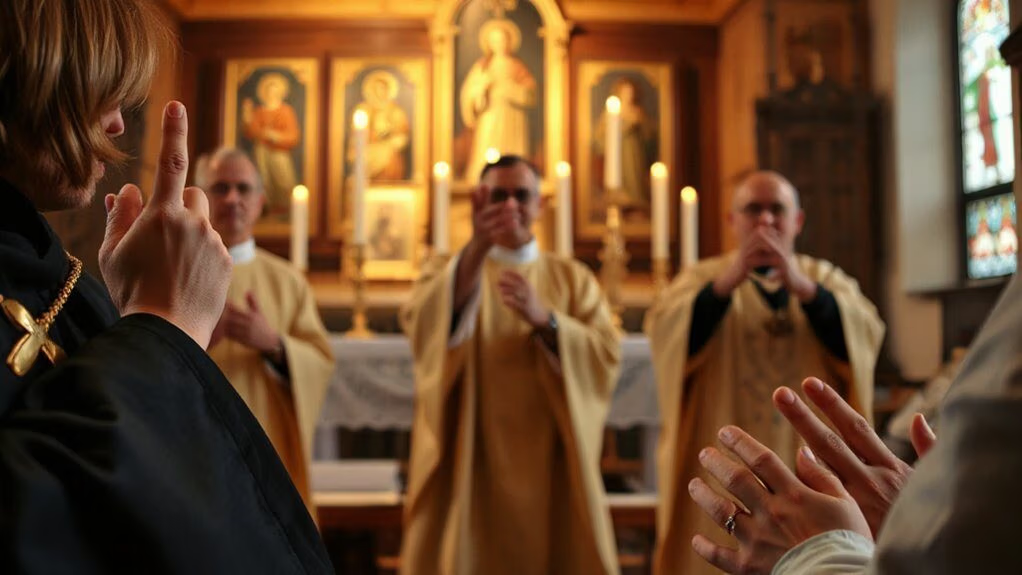
You might think making the sign of the cross is the same everywhere—just a quick gesture and you’re done, right? Nope. Turns out, different Christian traditions have their own ways to cross themselves, and some of these styles might catch you off guard. I’m talking finger placements, order of movement, even clapping. So before you get caught crossing the “wrong” way at church, let’s break down who does what—and why everyone’s so picky about it.
Western Christian Practices
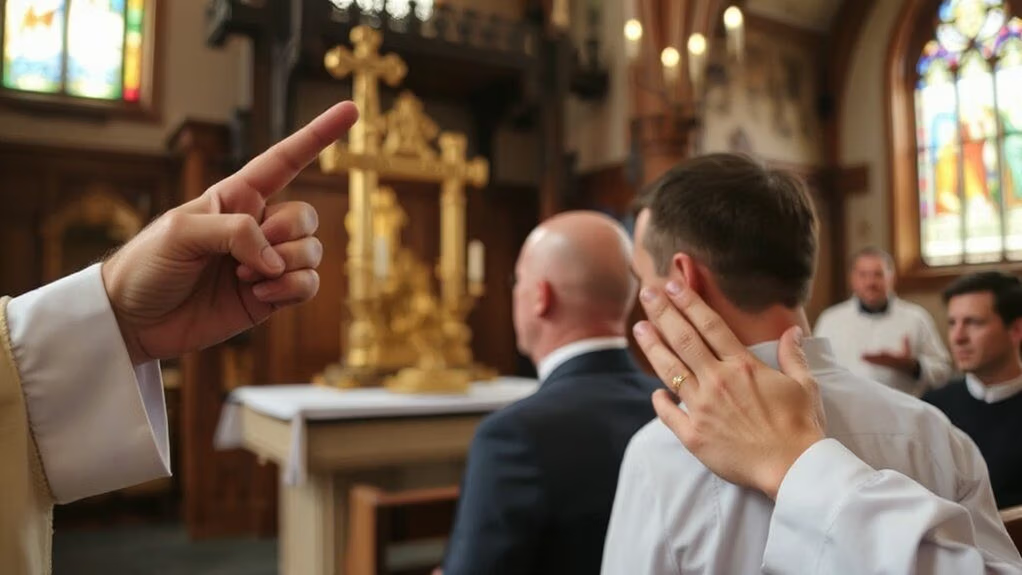
Let’s be honest—if you’ve ever watched a Roman Catholic or a Protestant do the sign of the cross, you probably noticed their moves are pretty straightforward. In Western Christian practices, you touch your forehead, chest, then each shoulder. No secret handshakes, just a quick, clean motion. You’ll spot this gesture during latinate blessings—think priests waving their hands at the end of Mass or at baptisms. The sign isn’t just standing-room only, either. You’ll often make it before kneeling rituals, like when you drop to your knees at the pew before sitting. It’s an everyday move. You know your lines, your timing, and the choreography’s simple. Western Christians keep it practical, and honestly, they don’t overthink it. It’s faith with muscle memory.
Eastern Orthodox and Byzantine Traditions
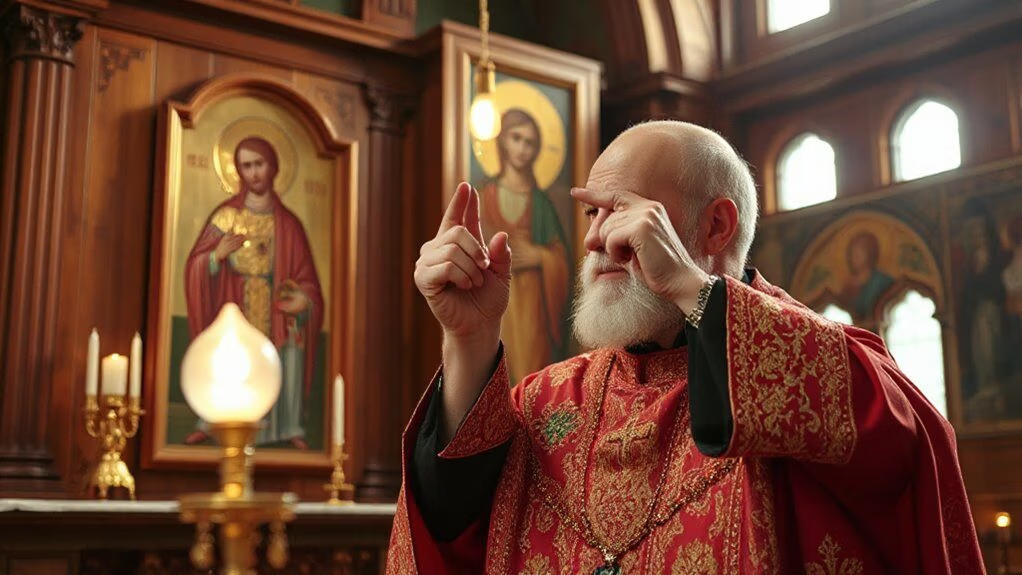
Meanwhile, over in the Eastern Orthodox and Byzantine churches, you’re not just swiping a quick cross and calling it a day. There’s technique here, and honestly, it’s hard to miss. You bring your thumb, index, and middle finger together, like you’re ready to pinch something tiny. That’s the Trinity right there. The other two fingers? Pressed onto your palm, representing Christ’s dual nature. Pretty clever.
You move your hand forehead to belly, then right shoulder before left. Yes, the opposite direction from most Western Christians. They take their liturgical language seriously, so every action packs meaning. Even their iconography theology pops through—those gestures show up in church art everywhere you look. Using this sign, you’re literally acting out the creed with your own hand.
Unique Variations Around the World
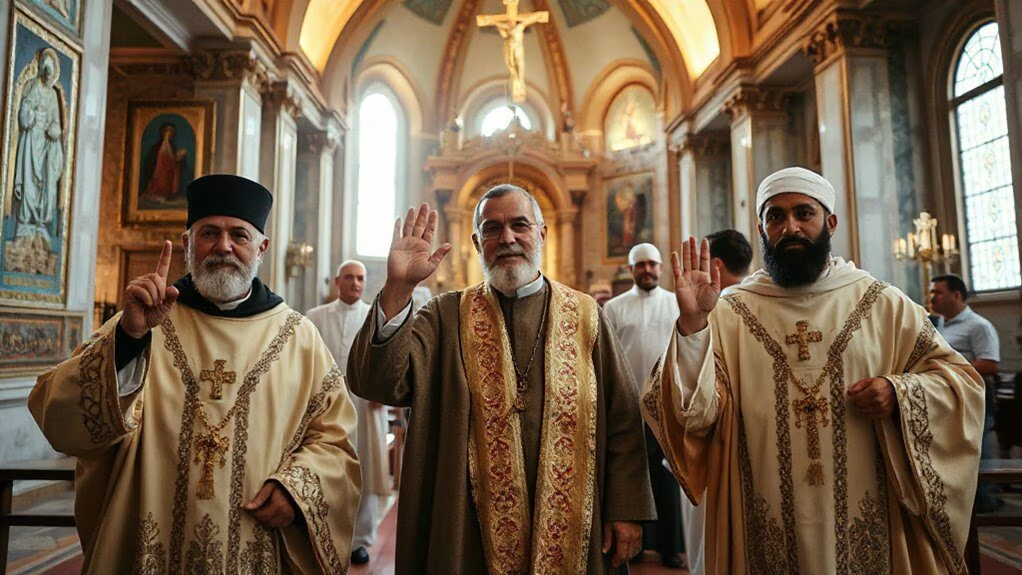
Ever wonder what happens when faith practices meet regional quirks? The Sign of the Cross isn’t a one-size-fits-all move. You might trace a neat cross on your body, but travel a little and you’ll see some wild variety. African rites often add clapping, rhythmic movement, or joyful song—way more than a silent hand gesture. It’s not just style points. These moves make the Sign of the Cross part of a full-body experience. Now head to Asia, and you’ll spot Asian gestures that are short, swift, and sometimes mixed with a respectful bow. Some folks just touch the forehead, heart, and shoulders—done in two seconds flat. No matter where you land, local color always finds a way in. Faith’s got flair.
Conclusion
So, next time you make the sign of the cross, don’t just go through the motions. Whether you swipe left to right, add a clap, or bow a little, you’re plugging into history, not just waving your hand around like you’re swatting a fly. Want meaning? Pay attention. Try the Orthodox finger form, or clap if that’s your thing. It’s more than tradition—it’s intentional. No pressure, but if you’re gonna do it, at least do it right.