


Let’s be honest—pregnancy isn’t always as obvious as the movies make it look. Sure, there’s the classic late period, but your body can get creative. One minute, you can’t stand your favorite food, the next you’re sniffing everything like a bloodhound. It’s not all glowing skin and cravings for pickles and ice cream. Think weird headaches, sudden fatigue, and symptoms that make you question your sanity. Curious which signals really matter? Let’s cut through the noise.
Missed Periods

So, you’re staring at the calendar, wondering why Aunt Flo is late—again. You run the math. Maybe your cycle is just being its unpredictable self. Still, a missed period is the classic sign that something’s up. Of course, cycle irregularities can throw you off. Stress, travel, or even a sudden workout kick can make your period skip town. But if you’re usually regular and now you’re playing the waiting game, pregnancy could be why. Sometimes, it’s late ovulation, not an actual missed period. Your hormones are pros at keeping you guessing. If you’re thinking pregnancy, grab a test after a week of delay. Skip the conspiracy theories—just pee on the stick. Answers beat anxiety every time.
Morning Sickness

Here’s a classic plot twist: you wake up, and the only thing your stomach wants is a ticket back to bed. Welcome to morning sickness, one of pregnancy’s best-known signs. It doesn’t bother with a schedule either—you might get queasy at breakfast, lunch, or even when you see a commercial for food. Some days, it’s mild nausea. Other days, you’re sprinting to the bathroom faster than an Olympic runner.
Nausea relief can be as simple as nibbling crackers before you even get up. Drink water or ginger tea in small sips. Emesis management is about preparation. Keep a stash of plastic bags in your bag or car. Rest when you can, and don’t force yourself to eat big meals. You’ve got this.
Breast Changes

If your stomach wasn’t loud enough, your chest is probably trying to get in on the act too. You’ll likely notice your breasts feel tender, maybe even sore to the touch. They might swell a bit and look fuller. Veins can become more visible, kind of like your body’s own road map. Your nipples might darken or, less commonly, show signs of nipple inversion if that runs in your family. You may even see tiny bumps appear around the areola—totally normal.
All these changes set the stage for breastfeeding, though you’re still early in the lactation timeline. Some people even leak a bit of clear or yellowish fluid. Don’t panic. A good, supportive bra helps. Ice packs can take the edge off soreness.
Fatigue and Exhaustion
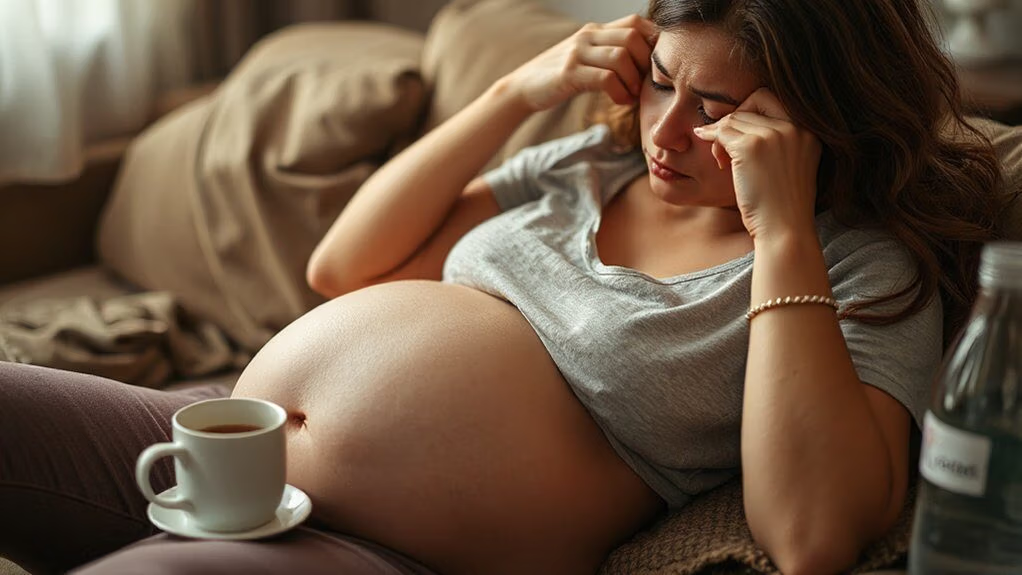
Ever wondered why you suddenly feel like you’ve run a marathon after making your bed? Fatigue and exhaustion hit hard in early pregnancy—and no, you’re not just being lazy. Your body’s using massive energy to create something tiny but demanding. Sleep quality can nosedive. It’s not unusual to toss and turn, wake up sweating, or suddenly crave naps at odd hours. You might think you’re managing your energy, but folding a shirt can feel like scaling Everest. Don’t ignore it; take real breaks, not just scrolling on your phone. Prioritize sleep routines and get fresh air. You’re not “overreacting”—your body’s run by hormones now. Keep things simple, listen to your limits, and treat rest as non-negotiable.
Frequent Urination

Let’s talk about running to the bathroom every five minutes—you can thank pregnancy hormones and all that extra blood for this lovely surprise. Your bladder’s getting squeezed and you might feel like you live in the bathroom now. Don’t worry, I’ll share real tips to make it a little less annoying.
Hormonal Changes Cause Urgency
Thanks to your hormones, you might find yourself making way more trips to the bathroom than usual. It’s not just your imagination; a real hormone cascade kicks in shortly after conception. Progesterone and hCG levels climb fast, telling your body, “Hey, new project—pregnancy in progress!” One side effect? Urinary urgency. Suddenly, that coffee you used to sip all morning turns into three bathroom breaks in an hour. It’s as if your bladder got a memo to call out for attention every chance it gets.
This isn’t about how much you drink. Your hormones are literally sending signals, making your body hold less before telling you it’s time to go—again. Annoying? Absolutely. But it’s a classic sign you can’t ignore.
Increased Blood Flow Effects
While your hormones are busy causing bathroom dashes, your body’s pumping up the drama with increased blood flow. That’s right—your heart pushes more blood to all corners, and guess what? Your kidneys are on that list. Vascular dilation, or the widening of blood vessels, means extra blood zips right into your kidneys, making them work overtime. More blood flow equals more urine, plain and simple. Still, it’s not just your bladder working for the gold medal. Uterine perfusion ramps up too, sending even more blood to your uterus. All this extra circulation is great for the baby, but it turns you into a regular at the bathroom. You might roll your eyes, but these changes happen for a reason.
Tips to Manage Frequency
All this extra blood sounds great on paper, but your bladder’s not exactly celebrating. You’re running to the bathroom so much, it feels like a new hobby. To handle frequent peeing, start by adjusting your hydration strategies. Don’t drink gallons right before bed unless you like 2 a.m. hallway sprints. Space your fluids out evenly during the day, so your body has time to process them. Still, don’t skimp on water—just get strategic. Caffeine and sugary drinks? Cut back. These make it worse. Tighten up your sleep routines too. Hit the bathroom before you lie down, and try to elevate your legs for a bit before bed to move extra fluid upward. With smart changes, you can reclaim some peace.
Food Cravings and Aversions
How exactly does your brain suddenly think pickles and ice cream belong together? Welcome to the wonderland of food cravings and aversions. If you’re pregnant, you might crave spicy chips one day and watermelon the next, especially during certain seasons—hello, seasonal cravings. It’s not just about taste either. Suddenly, only crunchy apples will do, or maybe everything mushy grosses you out. That’s texture preferences at work. Don’t be surprised if what you loved yesterday makes you gag today. This rollercoaster can hit any time, so keep your kitchen stocked with a variety of snacks. Notice patterns—do you want more fruit in spring or ice-cold drinks in summer? Pay attention, but don’t beat yourself up about it. Your taste buds are just on an adventure.
Mood Swings
Ever notice how one minute you’re laughing at a stupid meme, and the next, you’re ready to cry because your sock fell off? Welcome to mood swings. When you’re pregnant, emotional regulation can feel like a lost cause. Hormonal variability is to blame—your body kicks out extra estrogen and progesterone like it’s hosting a hormone party. The result? Your emotions flip faster than remote controls on a boring night. One second, tears. The next, snaps at your partner over how they chew. You’re not going nuts; it’s chemical. So what can you do? Try predictability—routine, regular meals, and enough sleep help keep you grounded. Don’t feel guilty for your feelings. Weather the storm, laugh when you can, and breathe.
Light Spotting or Implantation Bleeding
Let’s talk about light spotting, also known as implantation bleeding, because yes—it happens, and no, it’s not just your period showing up early. This usually pops up about 6 to 12 days after conception and looks more like a smudge than a real flow. If you see just a little pink or brown when you wipe, don’t write it off as your usual monthly mess—your body’s probably up to something new.
Timing After Conception
Honestly, nothing says “surprise, you might be pregnant” quite like spotting a little pink or brown on your underwear about a week after you’ve tried to conceive. You’re not imagining things—this timing actually makes sense. Here’s why: sperm lifespan is pretty decent, usually up to five days, giving those swimmers plenty of time to wait for an egg. Once fertilization happens, you’re dealing with zygote development. That bundle of cells takes about six to twelve days post-conception to travel through your fallopian tube and settle into your uterine lining. That’s when you might see light spotting, also called implantation bleeding. Translation? You’re right on schedule. If you notice this kind of bleeding about one week after sex, it’s likely connected to what’s happening inside.
Distinguishing From Menstruation
While it might seem like your body is trying to mess with you, light spotting isn’t always the same thing as your period knocking early. Implantation bleeding, which happens when a fertilized egg snuggles into your uterus, usually shows up as a pink or brownish smudge. It’s much lighter than a real period and doesn’t last as long. Your usual cycle cues—cramping, heavy flow, or that familiar downhill feeling—aren’t center stage here. Cycle cues are often missing or much milder.
Hormonal signals are at play, but not in the usual doomsday way. If the spotting happens about a week before your period should start, take notice. Grab a pantyliner, but don’t panic. Light, off-schedule spotting could mean pregnancy, not just hormonal drama.
Heightened Sense of Smell
Suddenly, every smell in the world seems dialed up to max. You can’t even walk past a bakery or garbage can without your nose picking up every single note. Pregnancy is like getting a free pass to the VIP section of olfactory sensitivity. Odor amplification kicks in and, like it or not, you’ll notice scents you never even knew existed—all while just trying to grab your morning coffee. That air freshener in your friend’s car? Now it’s a chemical assault squad. Perfume on the bus? It’s a wall of aroma. Even lettuce might smell funky. You’re not being dramatic—it’s actually your body’s way of signaling change. Stock up on lemon slices or mint; they genuinely help mute those sneaky attack smells.
Headaches and Dizziness
If your head feels like it’s been squeezed in a vice every afternoon, you’re not alone. Headaches and dizzy spells can creep in early during pregnancy, and they’re about as fun as they sound. Those shifting hormones? Classic migraine triggers. Suddenly, your favorite scented candle or missing breakfast kicks off a pounding headache. Dizziness tags along too, thanks to drops in blood pressure or blood sugar. You might panic if it hits in public, but don’t fall for the usual vestibular myths—pregnancy dizziness is rarely from ear problems. Hydrate, eat small meals, and don’t jump up too fast from the couch. If you’re losing track of time, getting intense migraines, or feeling faint often, call your doctor. Don’t just tough it out.
Digestive Changes and Bloating
You might notice your stomach suddenly feels more like a balloon animal than a body part—thank early hormonal shifts for that. Gas and pressure build up fast, making jeans a tight squeeze and your appetite all over the place. Some days you’re hungrier than ever, and others you can barely look at food.
Early Hormonal Shifts
When those early pregnancy hormones hit, your digestive system doesn’t bother to send a memo—it just slows down. Suddenly, you notice your favorite jeans feel tight before lunch, and your stomach gets oddly puffy. That’s your body responding to hormonal shifts, not just what you ate. Progesterone is a key culprit here, slowing digestion to a crawl. But your thyroid’s also adjusting, and those famous pituitary signals are firing, telling everyone to get ready for a wild nine months. Thyroid fluctuations can mess with your metabolism, leaving you tired and full faster than usual. You’re not imagining things; your body is already working overtime. Don’t panic—drink more water, opt for smaller meals, and give yourself permission to loosen that waistband early.
Gas and Abdominal Pressure
Bloating isn’t just for Thanksgiving dinner anymore—thanks to early pregnancy hormones, your stomach can puff up with zero warning. Suddenly, you’re dealing with jeans that just won’t button and gas that rivals a middle school science experiment. Here’s why: pregnancy triggers shifts in your body’s gas dynamics. Your digestion slows down, so food sits longer in your gut, giving bacteria extra time to build up gas. This trapped air doesn’t just float around—sometimes it pushes upward, adding diaphragm pressure. That means feeling stuffed, heavy, or even short of breath after meals. If you want less drama, avoid carbonated drinks, eat smaller portions, and skip foods famous for causing gas. Trust me: when it comes to bloating, a little prevention goes a long way.
Appetite Fluctuations
While your body’s busy throwing you curveballs, don’t be surprised if your appetite decides to get weird, too. One minute, you’re craving salty chips at 9 a.m.; the next, you can’t stand the smell of your usual lunch. That’s craving psychology in action. Your hormones mess with the signals you get about food. Sometimes you’ll want to eat right now, other times you’ll skip meals without meaning to. Meal timing becomes a joke—dinner at 3 p.m., snacks at midnight. Indigestion and bloating might tag along, making even simple foods feel like risky business. Keep snacks nearby and listen to your body, even if it doesn’t seem to know what it wants. Welcome to appetite roulette.
Unusual Early Pregnancy Signs
Ever wonder if that weird metallic taste in your mouth means something? You might hear from your aunt that it’s a sure “sign” you’re pregnant, but let’s be real—some of these unusual early pregnancy signs are guilty of spawning gestational myths and unproven claims. Still, life gets weird when you’re newly pregnant. Sudden dizziness? Random nosebleeds? You might have these, and no, it’s not just your imagination. Some people swear their sense of smell gets superpowered—your partner’s cologne may actually make you gag. Or maybe you’re suddenly drooling a lot. Sounds weird, but it happens. Keep an eye out for odd changes, but don’t fall for every old wives’ tale. When in doubt, a pregnancy test is way more reliable than gossip.
Conclusion
So there you have it—pregnancy symptoms can be as obvious as a flashing neon sign or as sneaky as a cat in the dark. Don’t just guess; if your body starts acting weird—from missed periods to sudden food aversions—take a test. Seriously. It’s better than playing detective and stressing yourself out. Knowing the classic and the curveball signs puts you in control. After all, when it comes to your body, guessing games get old fast.