



Imagine you see a kid at school wearing long sleeves in ninety-degree weather, and he flinches if anyone comes close. That’s not just a fashion choice—there could be more beneath the surface. You can’t ignore weird bruises, sudden drop in grades, or someone who avoids eye contact like it’s a sport. It’s not rocket science to spot these things once you know what to look for, and frankly, it’s too important to shrug off. But spotting the signs is just the start…
Physical Signs of Abuse

Let’s get real—physical signs of abuse aren’t some hidden mystery novel clues. They show up loud and clear if you know what to look for. You don’t need a magnifying glass to spot bruises that look weird or follow odd bruise patterns. Pay attention to shapes—a handprint, belt mark, or clusters where they shouldn’t be. Another red flag? Bone fractures that don’t match the story you’re told. “I fell off my bike” only goes so far, especially with breaks in strange places or different stages of healing. Notice if someone is always covered up, even in hot weather. They might be hiding injuries. Use your eyes, your common sense, and a bit of backbone. Don’t ignore what’s right in front of you.
Emotional and Psychological Indicators

So, how do you spot emotional and psychological abuse? Start by forgetting the obvious bruises—these wounds don’t show up on skin. If you notice someone who crumbles at the slightest criticism or struggles to stand up for themselves, that’s a hint. You’ll see their emotional resilience is shot, as if every little thing feels like a mountain. Watch for constant self-blame, quick apologies, or weird guilt over things that aren’t their fault. They might keep replaying arguments or slights in their head, stuck in non-stop trauma processing mode. It’s like their self-worth’s run through a shredder. You’ll also see lots of self-doubt, never feeling “good enough.” Don’t write off those quiet signs. Emotional abuse is sneaky but very real.
Behavioral Changes to Watch For
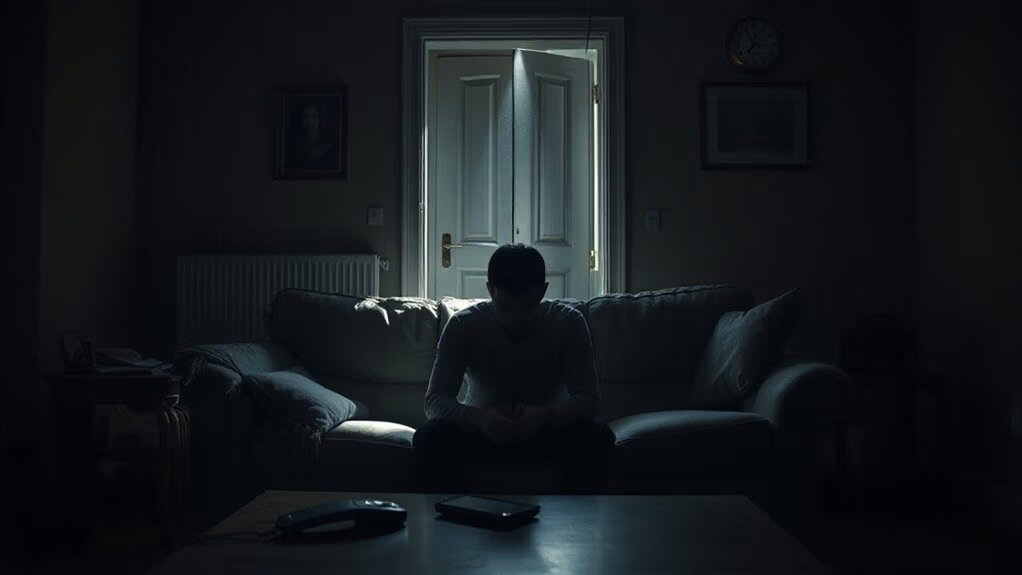
Spotting behavior changes isn’t about reading minds—it’s about watching what people actually do. Pay attention when someone’s routine suddenly goes off track. If you notice sleep disruption—like dragging in late or nodding off during the day—don’t just chalk it up to bad habits. It could mean more. Appetite changes? Same thing. If they’re pushing away meals or raiding the fridge at midnight, notice it. Watch for new habits, like becoming jumpy, avoiding eye contact, or suddenly spending all their time alone. If a person who loved hanging out now dodges everyone, that’s a flag. These shifts often signal trouble, and you shouldn’t ignore them. Pretending nothing’s happening only helps the bad stuff keep going. Don’t overlook the obvious.
Verbal Warning Signals
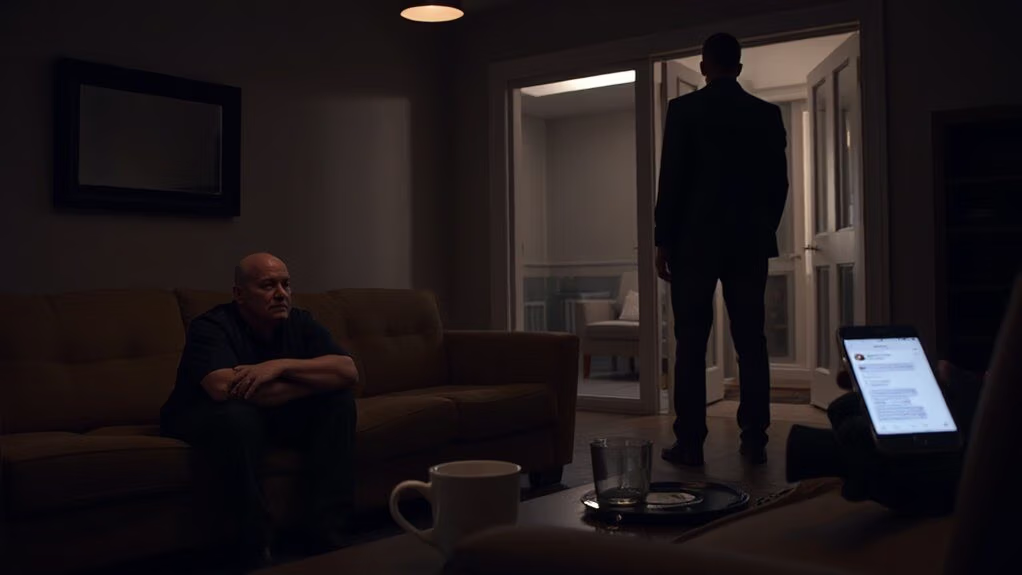
Tune in to what people say—it’s not always just small talk. Sometimes, red flags fly right out of someone’s mouth if you know what to listen for. Watch for tone cues: sudden sharpness, fear, or flatness in someone’s voice. It’s all about how, not just what, they say. If they laugh off painful stories or keep apologizing for tiny things, don’t just shrug it off. Pay attention to linguistic cues—phrases like “I’m stupid,” “It was my fault,” or “I always mess things up.” These aren’t accidents. That awkward pause after you ask about their home life? Also a staple tone cue. Trust your gut if their words sound off. Words can give away way more than you’d think.
Social Withdrawal and Isolation

Now, let’s talk about social withdrawal and isolation, because it’s not just about being shy. If you notice someone suddenly skipping hangouts, staying quiet in group chats, or struggling to keep a conversation going, you should pay attention. It’s not them “just being tired”—these are red flags you can’t ignore.
Decreased Peer Interactions
Even if someone’s really shy, it’s usually obvious when their social life flips upside down. You’ll notice they’re suddenly dodging people they used to laugh with. Maybe they’re no longer joining the group chat, or they’re picking up their lunch and disappearing instead of sticking around for the usual banter. Take a look at peer dynamics—when someone pulls out, the atmosphere changes. It’s not just missing a joke or two. It’s consistent distance. Group dynamics feel off, like a puzzle with a piece yanked out. If you’re watching and you see someone making a habit of slipping away or refusing to partner up in class, don’t ignore it. Decreased peer interactions scream that something’s not right. Don’t pretend it’s normal—because it’s not.
Avoidance of Social Events
Skipping parties and ghosting group hangouts isn’t just about being introverted. Sure, everyone needs a break sometimes, but when you keep “calendar blocking” every social invite with fake plans or endless homework, it raises a flag. Maybe you used to love pizza nights or hitting the movies, but now you flake out every time. You might blame “event anxiety,” but deep down, it’s more than nerves. Isolation can creep in slowly—you start dreading events, not because you hate crowds, but because you’re dodging judgment, questions, or even just the risk of someone noticing changes in you. If you catch yourself making excuses, preferring to stay “busy” than connected, don’t brush it off. That kind of withdrawal is often a big warning sign.
Loss of Communication Skills
When your replies turn into one-word texts or you start dodging calls like it’s an Olympic sport, that’s not just shyness kicking in. It might actually be signs of something bigger—like abuse. You notice you’re not only pulling back from friends; you’re also struggling to speak up at home, in class, or even at work. Speech regression starts to sneak in. You find yourself forgetting words, talking less, or even mumbling when you used to be chatty. Language delay isn’t just for toddlers—older kids and adults can show it, too, when stress or fear take over. If you catch yourself withdrawing and losing your knack for simple conversations, don’t brush it off. That’s a flag waving for help.
Financial Red Flags
Now let’s talk money, because your wallet doesn’t lie. If you’re noticing weird charges on your account, random transfers you never approved, or your favorite watch just vanished, it’s not “just being forgetful.” Someone messing with your finances is a classic red flag you shouldn’t ignore.
Unexplained Account Activity
Let’s be real—if you suddenly notice weird charges, strange withdrawals, or other surprises in your bank account, something’s off. Unexplained account activity isn’t just annoying—it’s a classic red flag for financial abuse. It’s not like you accidentally bought ten pizzas at 3 a.m. or sent money to a “prince” from another country. Account compromise often starts small: someone might skim your card or guess your password. Next thing you know, money’s missing. Phishing schemes do the same dirty work. You click a fake email, or answer a call that “needs your info,” and just like that—you’ve handed them the keys. Don’t ignore these signs, even if you want to believe it’s a mistake. Stay sharp. Check your statements. Confront weirdness, fast.
Sudden Asset Transfers
Although you might trust your loved ones or business partners, spotting a sudden asset transfer should make your eyebrow twitch. You see a car title handed over out of nowhere or a house deed moved to someone else’s name—red flag waving. It’s not just about big-ticket stuff, either. Even “small” asset swaps look fishy if there’s no good reason. Forensic finance experts look for these abrupt changes because they leave a trail—traceable transactions you can actually follow. Don’t ignore documentation that doesn’t line up or explanations that get fuzzy. If you see property changing hands fast or accounts emptied with no warning, ask direct questions. Protect yourself by making copies. Review records. When assets start playing musical chairs, don’t just shrug—it’s time to dig deeper.
Missing Personal Belongings
Ever wonder how that favorite watch or set of jewelry just vanishes from a drawer? Yeah, it’s not magic—it’s probably a red flag. When your personal items start disappearing, pay attention. Don’t brush it off. Start with ownership verification. Find receipts, photos, or even text messages showing those things were yours. Get a notebook and list what’s missing. That’s evidence collection in action, not just being paranoid.
Don’t let others twist it around or claim you just “misplaced” things. If belongings keep going missing, that suggests more than forgetfulness—it points to financial abuse. Document every loss. Snap photos of what’s left. Make copies of proof. Protecting yourself isn’t overreacting. You deserve to keep what’s yours, period. Keep your eyes open.
Neglect and Lack of Basic Care
How can you tell when someone’s being neglected, instead of just having a rough week? Start with the basics. If you see dirty clothes every day, unwashed hair, or meals skipped more often than eaten, that’s a problem. People need food, water, clean clothes, safe shelter—those are basic needs, not luxury items. A bad week doesn’t mean a constant smell of unwashed bodies or living in dirty spaces for months. If a caregiver seems clueless or never learned proper caregiver training, you’ll spot obvious gaps—medications missed, injuries ignored, even no warm blanket on a cold night. Ask yourself: would you let anyone you care about live like that? Neglect isn’t about laziness. It’s constant, visible, and it’s always serious.
Digital and Online Warning Signs
Neglect isn’t just about dirty clothes and empty fridges these days. Now, you’ve got to watch for digital messes too. If someone’s getting hit with endless phishing scams, or if they keep suffering password breaches, it’s not just bad luck. Abusers and scammers love chaos. You might see a friend’s accounts suddenly filling up with spam, or notice strange posts on their socials. Maybe they’re always resetting passwords—or avoiding tech completely. You might even spot them flinching every time their phone buzzes. Don’t ignore those red flags; online abuse can mess with someone’s life as much as the physical stuff. If you spot these signs, speak up. Nobody needs trolls or creeps running their lives from behind a screen.
Changes in Work or Academic Performance
You know what sticks out? When someone who usually does fine at school or work suddenly starts failing, skipping days, or rolling in late for no good reason. That’s not just a bad week; it’s a red flag you shouldn’t ignore. Pay attention to these shifts—they don’t happen out of nowhere.
Sudden Drop in Performance
Spotting a sudden drop in performance—at work or in school—isn’t rocket science. You’ll notice someone who used to be on top of things suddenly turning in sloppy work, missing deadlines, or going from A’s to D’s with no warning. Sure, there are real reasons for a dip, like seasonal fluctuations or the occasional training lapse. But if none of those fit, you should wonder what’s up. You don’t have to be Sherlock Holmes. Just pay attention when someone’s drive vanishes overnight. If they used to take pride in their output and now barely meet the bare minimum, that’s a big red flag. Don’t make excuses for them. Trust what you observe; sudden slumps in performance often mean something’s seriously wrong.
Increased Absenteeism or Tardiness
Almost everyone’s late once in a while, but when someone starts showing up late every day or calling in “sick” more than their calendar has space, it’s not just a run of bad luck. You know the drill—medical leave requests start piling up, and you lose count of how many shift scheduling swaps they’re trying to arrange. This isn’t someone with a dodgy alarm clock. Consistent absenteeism or tardiness might scream that something at home or outside work isn’t right. Keep an eye out if the pattern sticks around longer than a week or two. If there’s always a new excuse, dig deeper. Track changes—notice if their attendance was solid before, but suddenly isn’t. Absence isn’t just a missing face; it’s a red flag.
Unexplained Injuries or Medical Issues
Bruises, burns, or broken bones don’t usually show up for no reason. If you notice odd injuries—especially if the person has no good explanation—pay attention. It’s not just clumsy accidents. One black eye might get a shrug, but repeated “falls” or wounds shaped like objects? That’s a red flag waving in your face. Check for medical issues that don’t match people’s stories. Medical ethics say you can’t just ignore these cues; you’re supposed to speak up. It’s not snooping, it’s doing your job. When things don’t add up, consider a forensic assessment—trained professionals can spot patterns and causes that regular folks miss. Don’t let awkwardness keep you from asking questions. Staying silent just helps abuse hide longer.
Conclusion
Spotting the signs of abuse isn’t rocket science—just keep your eyes open and actually believe what you see. If someone shows up with odd bruises, keeps shrinking into themselves, or suddenly tanks at school, don’t just scroll past. Ask, listen, and document. If the red flags pile up like laundry, don’t ignore it—reach out for help. You’re not powerless. Sometimes, stepping up can make a world of difference. Actually do something. It’s not optional.