


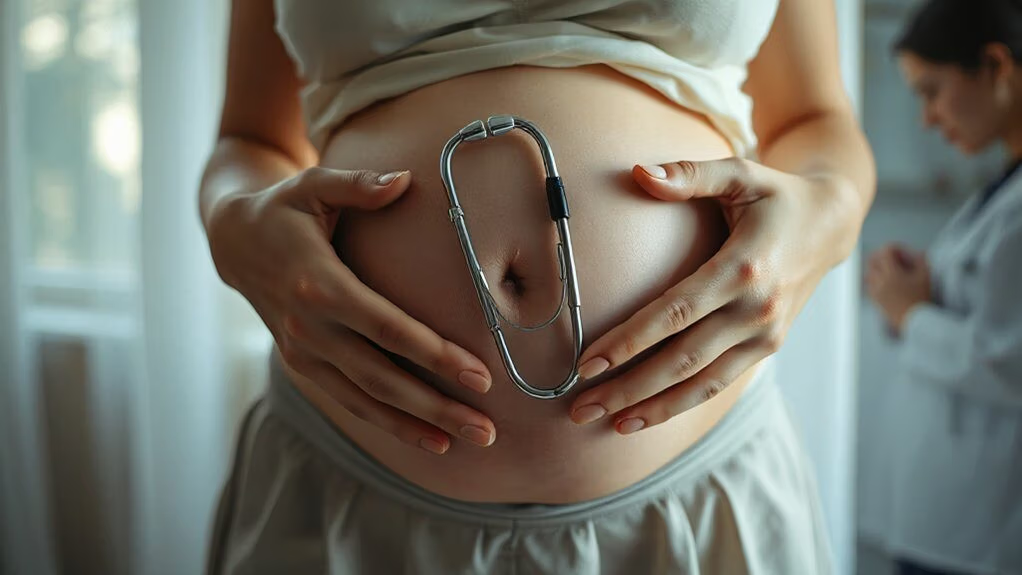
About 80% of women notice their first pregnancy sign before a missed period, but most confuse it with something else. You’ll want to pay attention to more than just a late calendar alert—think spotting, mood swings, and a sudden need to pee like a racehorse. These aren’t just annoyances; they’re your body’s way of waving a big flag. Spotting the right clues early can save you a lot of guessing and headaches down the line.
Missed or Late Menstrual Period
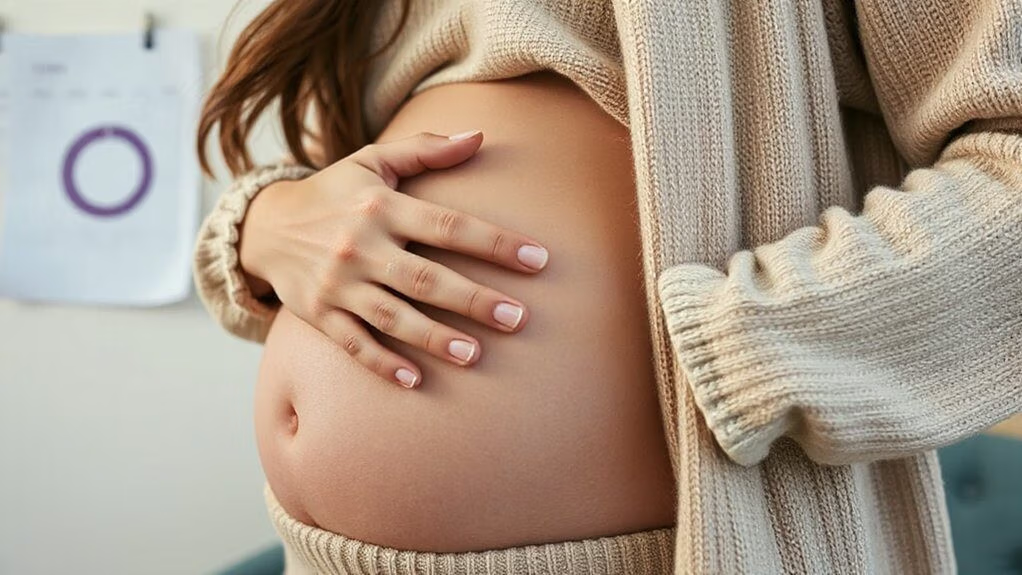
Even if you don’t want to admit it, missing your period is basically the first big flashing billboard that screams, “Hey, you might be pregnant.” Your body’s usual monthly rhythm just hit pause, and that’s no coincidence. Sure, cycle irregularities can mess with your schedule sometimes, but if you normally run like clockwork, a skipped period deserves your attention. Don’t just twiddle your thumbs waiting—grab a pregnancy test when your period’s late. Test timing matters more than you’d think. Testing too early could give you a false negative, which is just cruel. So, give it a few days past your missed period, then test first thing in the morning when hormone levels peak. Missed period? Don’t brush it off. It’s your body’s way of whispering (or shouting) that something’s up.
Nausea and Morning Sickness
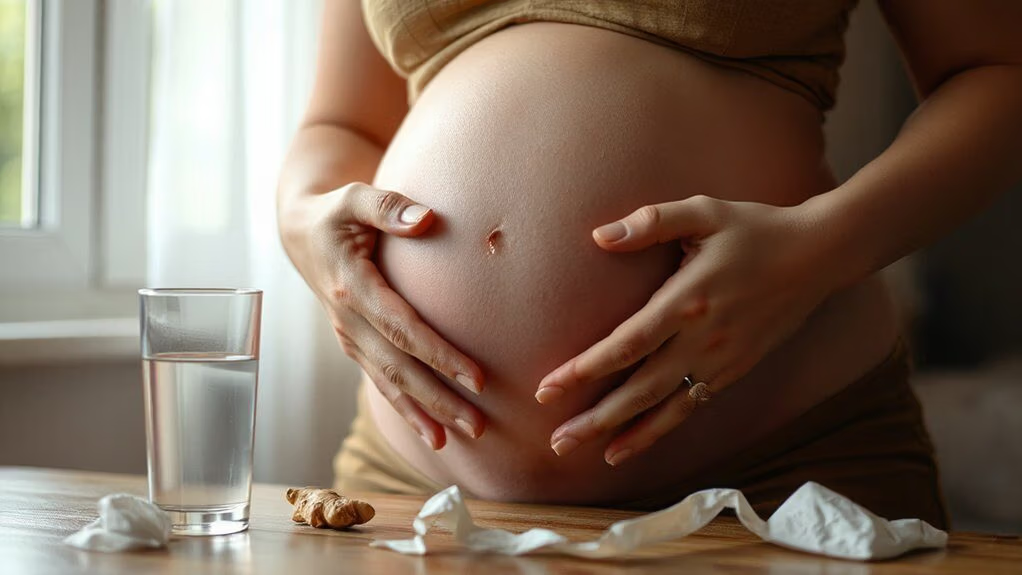
Why does your stomach suddenly turn into a riot zone every morning? Welcome to nausea and morning sickness, the notorious pregnancy tag-along. It’s not just “morning” either—it can hit anytime, without warning. Hormones run wild, and your gut takes the hit. Weird smells, certain foods, even the thought of breakfast can make you queasy.
Don’t just suffer through it. Sip on ginger tea—it’s nature’s little calm-me-down for the gut. Carry some acupressure relief wristbands or try pressing the P6 point on your inner wrist; it often stops nausea before it starts. Yes, mornings get rough, but these moves can help you take back control. Morning sickness isn’t fun, but hey, at least you know you’re not imagining things. It’s all part of the pregnancy package.
Breast Tenderness and Swelling

What’s going on when your bras suddenly feel like medieval torture devices? That’s breast tenderness and swelling kicking in, one of the earliest pregnancy signs. Your hormones are pushing your breasts to grow and get super sensitive. You might notice you can’t wear your usual bra fit anymore—it’s either too tight or just plain uncomfortable. Don’t suffer in silence. Try a good breast massage with gentle, circular motions to ease the soreness and improve circulation. Also, invest in bras that actually fit the new you. Avoid underwires if they hurt, and opt for soft fabrics that breathe. This isn’t just about comfort—it helps you adjust to your changing body without the constant ouch. Yes, your boobs are heads of state now. Treat them accordingly.
Fatigue and Increased Tiredness

You’re tired—like all-day, can’t-even-stand tired—and it’s totally normal in early pregnancy. Your body’s throwing a marathon inside, so managing that fatigue isn’t about magic, just smart choices like naps and iron-rich foods. But if you’re dragging nonstop or dizzy, don’t tough it out—get checked, seriously.
Common Causes Explained
Even if you’re stacking pillows and calling it a nap, pregnancy fatigue isn’t just about being tired—it’s a full-time energy thief. Blame hormonal changes first. Your body is throwing a chemical party, demanding energy just to keep you and your baby cozy. Then toss in lifestyle factors like a busy schedule, stress, or skipping meals. They tag-team with those hormones to drain your stamina faster than you expect.
Your body boosts progesterone, making you feel like wading through molasses. Plus, your heart’s pumping harder to support two, increasing weariness. If restless nights hit because of bathroom trips or discomfort, say hello to more exhaustion. It’s a perfect storm of biology and your day-to-day grind. So, when you’re yawning between tasks, remember it’s your body working overtime—no wonder you crash early.
Managing Fatigue Effectively
Since your body’s already running on empty, managing that fatigue means getting smart about where your energy goes. Think of it as strict energy budgeting—you can’t splurge on busywork or pointless errands. Prioritize the essentials: work, eating, and maybe a bit of fun. Cut out the chaos. Next up, nail your sleep hygiene. No, binge-watching a show in bed doesn’t count. Keep a sleep routine—same bedtime, quiet room, comfy sheets. Dark and cool is your new best friend. Avoid caffeine late in the day and put your phone away early. If you treat sleep like a job, your body will thank you. Fatigue’s relentless, but smart energy management and solid sleep habits help you dodge feeling like a zombie all day. Simple and effective.
When to Seek Help
How do you know when that tiredness has crossed the line from “normal pregnancy stuff” to a flashing red flag? If you’re so wiped out you can’t get out of bed or your vision blurs every time you stand up, these aren’t just “pregnancy quirks.” They’re urgent symptoms. Call your healthcare provider without hesitation. Severe fatigue paired with dizziness, chest pain, or severe headaches could mean you need emergency care immediately. Don’t shrug it off, thinking you’re just “being pregnant.” Your body will yell if something’s wrong, so listen. If your tiredness feels like it’s dragging you toward something worse—like anemia or a serious health issue—get professional help. Quick action here can save you some serious trouble later. Trust me, “pushing through” isn’t the answer this time.
Frequent Urination
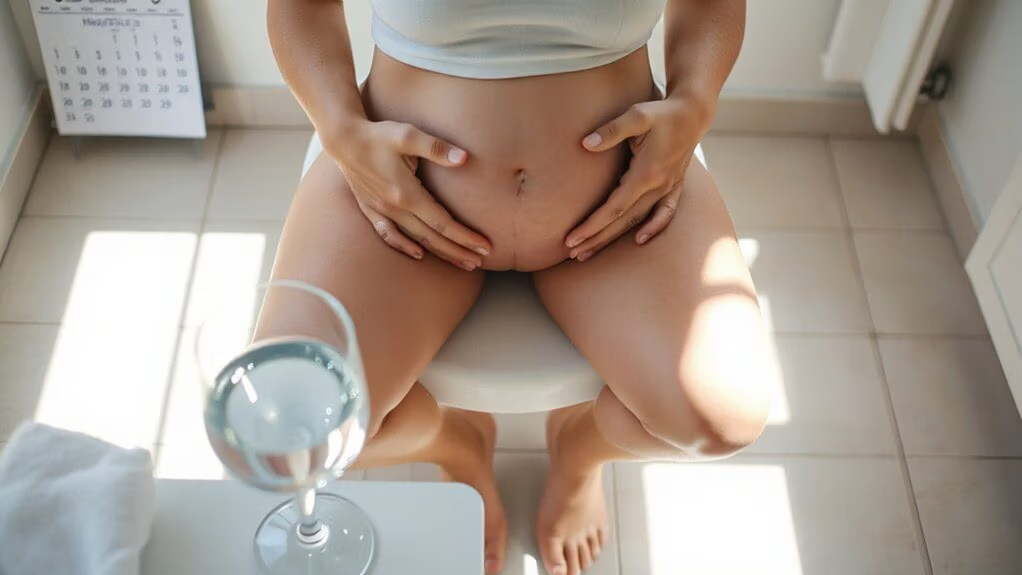
You’ll probably start making more trips to the bathroom than you used to—sometimes at the worst possible moments. Thanks to your body prepping for a baby, your kidneys amp up their work, filtering more blood and pushing out extra fluids. It’s not magic; it’s biology, and it can get annoying fast. Keep tabs on kidney health by staying hydrated but don’t overdo it. Drink enough water to prevent dehydration but not so much that you’re living in the bathroom. Easy hydration tips? Sip regularly instead of gulping, avoid too much caffeine, and hit the restroom before heading out. Frequent urination early in pregnancy is normal, but if you notice burning or intense pain, it’s time to get checked. Otherwise, pack some patience—you’re just playing the long game here.
Food Cravings and Aversions
Often, pregnancy turns your taste buds into a rebellious teenager. One minute, you’re craving pickles with ice cream—yes, really—and the next, your usual breakfast makes you want to hurl. These sudden shifts follow no logic, but they have a pattern: your craving patterns might hit hard around week 6 or 7, when hormones spike. At the same time, aversion timing kicks in, making foods you loved feel like poison. It’s like your body’s playing fast and loose with what it finds tasty or toxic. Don’t fight it. Keep snacks handy that work for you. And if you suddenly can’t stand coffee—put down the mug and breathe. Your weird cravings and sudden dislikes? They’re classic early pregnancy signs. Your taste buds have officially checked out. Deal with it.
Mood Swings and Emotional Changes
If your taste buds are staging a full mutiny, don’t be surprised when your emotions decide to join the rebellion. Mood swings hit like waves, sometimes out of nowhere, leaving you angry, tearful, or downright exhausted. It’s hormones throwing a party, and your brain didn’t get the memo. You’ll want to practice stress management seriously. Deep breaths, short walks, or even just pausing to name your feelings can help. Emotional regulation isn’t about bottling up your mood but spotting the shift before it crashes your day. Keep a journal or vent to someone who gets it. You can’t control the hormone rollercoaster, but you can control how you ride it. Remember, these mood swings? They’re temporary—and way more common than you think.
Spotting and Light Bleeding
So, spotting shows up early and can mean a bunch of things—implanting embryo, hormone shifts, or just your body’s weird way of adjusting. It usually stays light and won’t last long, but if it turns heavy or drags on, don’t brush it off. Know when to call your doctor; some signs say “deal with it,” and others scream “get help now.”
Causes of Spotting
While spotting during pregnancy might freak you out, it’s actually pretty common and usually not a disaster. One usual suspect is implantation bleeding. When that fertilized egg digs into your uterine lining, it can cause light spotting. It’s brief and often mistaken for a super light period, but it’s a good sign—your body’s just doing its thing. Another cause? Cervical irritation. Your cervix gets more sensitive and swollen during early pregnancy, making it easy to spot if you’ve had sex or a pelvic exam recently. Don’t freak out if you see a little blood—your cervix is just being a diva. Of course, if spotting gets heavy or painful, call your doctor, but usually, spotting is just part of the early pregnancy drama, not a meltdown.
Timing and Duration
During the first few weeks of pregnancy, spotting or light bleeding usually shows up like an uninvited guest—brief and annoying, but not a full-on disaster. It typically happens around the time your next period *should* arrive, often a week or so after ovulation timing lines up with implantation. This makes sense because your cycle length plays a role here: if you have a 28-day cycle, spotting might appear roughly 6-12 days post-ovulation. The key is duration—it rarely lasts more than a few hours to a couple of days. If it drags on or gets heavier, that’s not the usual script. So, if you notice a tiny dab of pink or brown a bit earlier than expected, don’t panic. It’s probably your body doing the weird “Hey, I’m pregnant” tap on the shoulder.
When to See Doctor
Spotting or light bleeding might feel like a minor glitch in your pregnancy script, but don’t just brush it off assuming it’s nothing. Sometimes, it’s harmless—implantation mishaps or cervical irritation. Other times, it’s a red flag waving for serious attention. If you notice emergency symptoms like heavy bleeding, severe cramps, dizziness, or fainting, don’t wait. Get in for urgent testing immediately. Even if it’s just a small smear, call your doctor and describe exactly what you see. They’ll decide whether you need an exam or an ultrasound. Protect yourself from unnecessary risk by acting fast. Waiting to “see if it gets better” isn’t your best play. When in doubt, get checked. It’s better to be that safe than sorry.
Changes in Basal Body Temperature
If you’ve been tracking your basal body temperature (BBT), you’re already halfway to spotting one of pregnancy’s early clues. Your BBT usually dips just before ovulation, then rises and stays higher if you’re pregnant. The trick? Measurement consistency. Take your temp at the same time every morning before even thinking about coffee. Those little number shifts can be begging for your attention. Now, don’t just glance at your chart like it’s modern art—chart interpretation matters. A sustained temperature rise for 18+ days post-ovulation often means you’re cooking a baby. If it drops back down, that’s your period’s RSVP. So, if you see a steady climb and no farewell temperature dip, you might want to grab a test. Your BBT is basically your body texting you—don’t ignore the message.
Heightened Sense of Smell
Almost everyone notices this one—it’s like your nose suddenly gains superpowers. Suddenly, that neighbor’s cooking smells way too strong, and what used to go unnoticed is now a full-on assault. This heightened sense of smell isn’t just your imagination. It’s real and usually hits early in pregnancy. Your brain lowers olfactory fatigue, so you don’t get used to smells as quickly. Basically, scent adaptation takes a holiday, making every whiff sharper and louder. This can be a blessing or a curse—you might relish that freshly brewed coffee but gag at the faintest odor of garlic. Knowing this, try to avoid smells that trigger nausea. Carry a scent you like, so you can reset your nose on the spot. Trust me, your super-sense won’t be permanent, but it sure makes early pregnancy memorable.
Conclusion
So, if your period ghosts you, your nose suddenly acts like a bloodhound, and your boobs audition for a swelling contest—you might want to pause and think. Don’t just wonder; test. Early signs aren’t a mystery novel, but ignoring them won’t win you any prizes either. Keep an eye out, trust your gut, and act fast. Because knowing sooner beats surprise later, every time. Pregnancy? It’s loud when you listen.