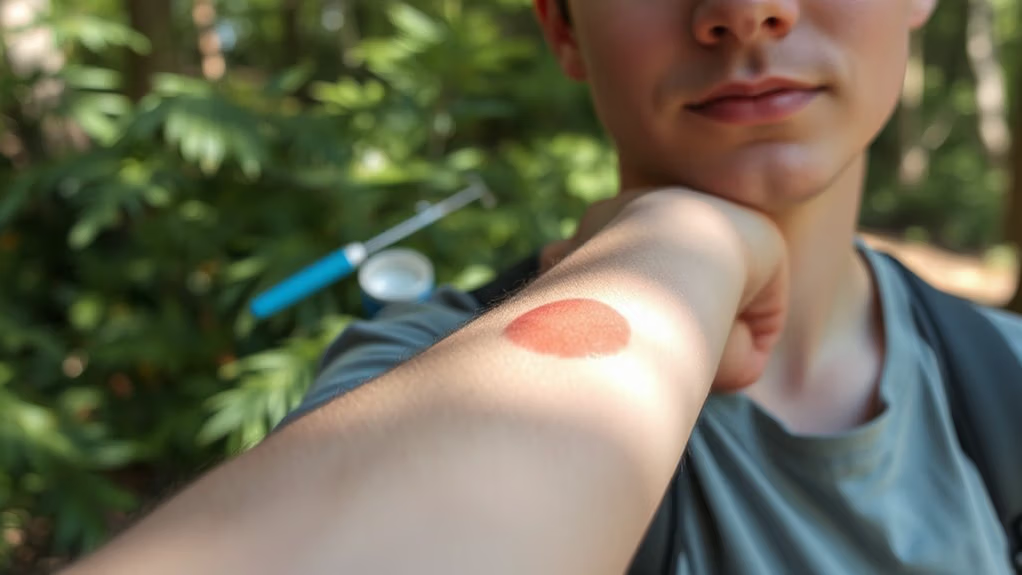
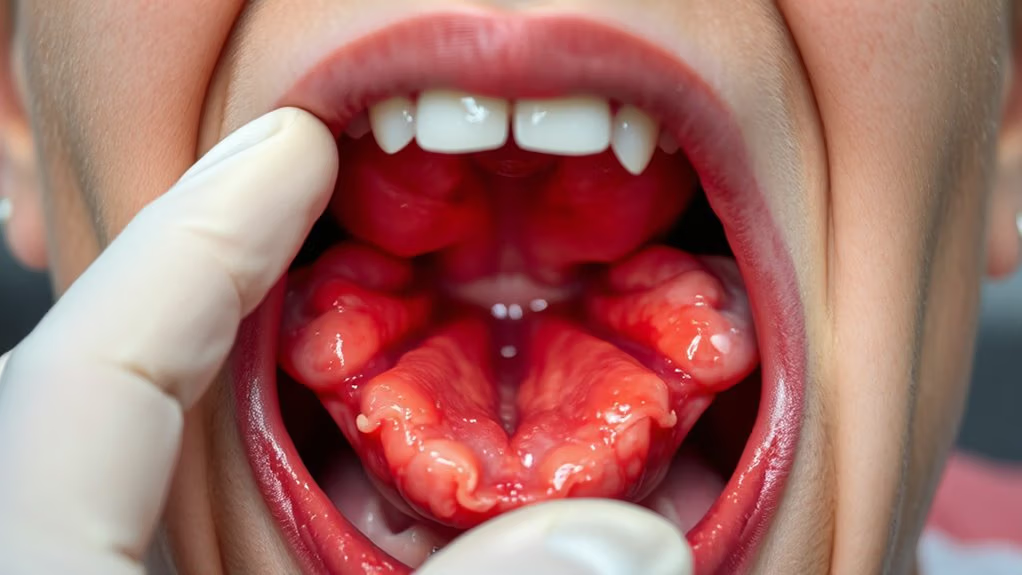
Here’s a shocker: cancer can give you warning signs long before anything obvious happens, but most people brush them off like they’re nothing. If you suddenly drop weight without dieting, your skin changes weirdly, or you find odd lumps, don’t wait around hoping it’s nothing. These aren’t just random quirks your body’s throwing at you. Spotting these early signs can literally save your life—so knowing what to watch for matters more than you think.
Unexplained Weight Loss

Unexplained weight loss isn’t just about your jeans fitting a little loose—it’s a serious red flag your body throws when something’s off. You might blame it on skipping snacks or subscribe to those dietary myths about secret fat-burning hacks. Sorry to break it to you, but if you’re shedding pounds without trying, it’s not magic—it’s metabolic clues flashing a warning. Your body could be working overtime to fight an unseen threat, like cancer. Don’t ignore the signs thinking it’s just stress or a new diet trend. Track your weight, note changes beyond the scale, and get checked if the pounds tumble suddenly. Weight loss that sneaks up without a reason demands your attention—not just a shrug or a wish.
Persistent Fatigue

Losing weight without trying is a wake-up call, but feeling drained all the time is a whole different beast. If you’re dragging through your day, no amount of caffeine or weekend binge-sleeping helps, it’s worth paying attention. Persistent fatigue isn’t just “being tired”—it’s your body waving a red flag. Poor sleep hygiene, like scrolling on your phone in bed or irregular sleep hours, can worsen this. Fix that first. Still exhausted? Look closer. Cancer can sap your energy because your body’s busy fighting something it shouldn’t. Stress relief helps, but don’t chalk it all up to being overwhelmed. If you’re running on empty for weeks despite good sleep and stress control, get checked. Don’t ignore the slow fade—it’s serious and deserves your time.
Changes in Skin Appearance
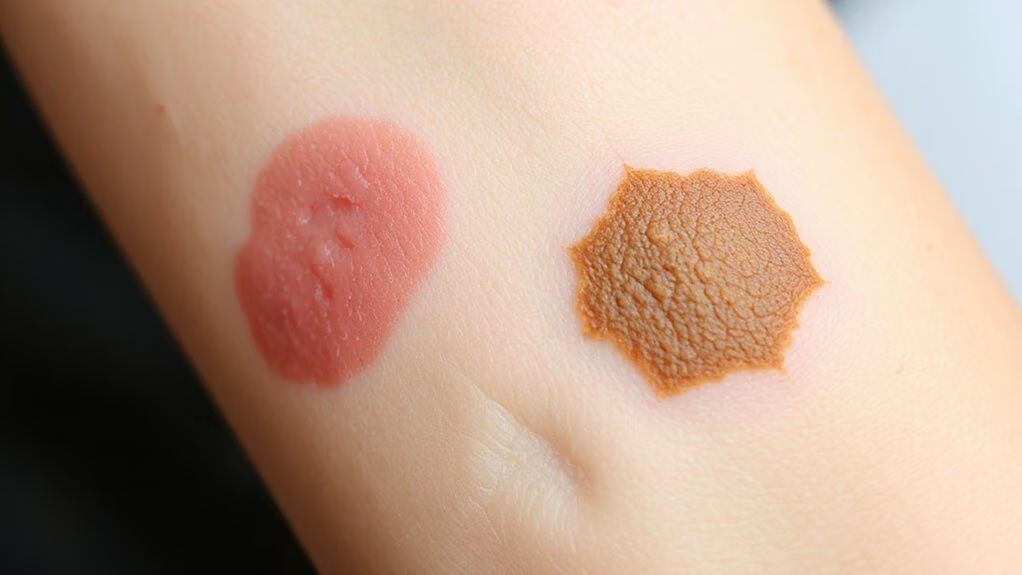
How often do you actually check your skin beyond a quick glance in the mirror? If your answer is “not much,” it’s time to get serious about it. Watch for mole changes: new moles popping up, existing ones growing, changing color, or looking uneven can all be red flags. Don’t ignore spots that suddenly itch, bleed, or scab either. Also, pay attention to your skin texture. Rough, scaly patches or areas that feel thicker or oddly different from the rest? Those aren’t just your skin acting out. If you notice anything like this, don’t brush it off. Scheduling a dermatologist check isn’t overreacting—it’s smart. Your skin’s appearance can say a lot about your health, so give it the inspection it deserves.
Unusual Lumps or Swelling
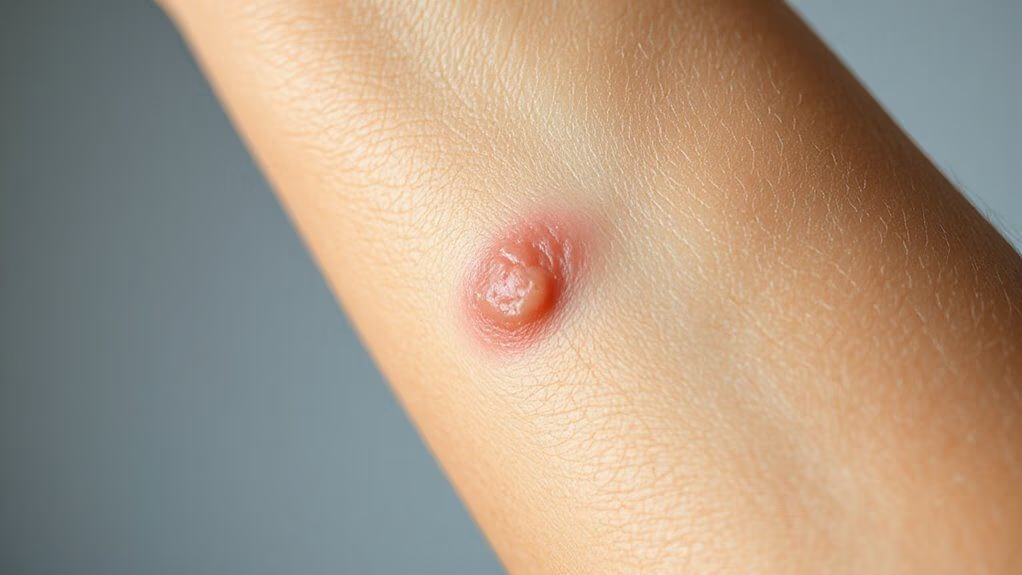
You might notice a weird bump or swelling somewhere and think, “Eh, it’ll go away.” But don’t get too comfy ignoring it. Unusual lumps can be tricky, but you owe it to yourself to check their lump characteristics: size, shape, and whether it’s hard or squishy. Use a simple palpation technique—press gently with your fingertips, move in a circular motion, feel if it’s fixed or slides under the skin. If it grows, hurts, or feels oddly firm, don’t shrug it off. Not every lump screams cancer, but playing detective early saves hassle later. Bottom line? If something’s off and sticks around, get it checked by a doc. Your body’s trying to send a message—don’t just stand there, listen.
Persistent Cough or Hoarseness

If your cough lingers longer than it should, or your voice sounds like a broken record stuck on hoarse, don’t just shrug it off. Pay attention to how often it shows up and whether you’re dealing with other signs like weight loss or chest pain. Ignoring these details won’t make the problem disappear—so watch yourself.
Duration and Frequency
Wondering when a cough or scratchy voice crosses the line from annoying to alarming? Start by tracking the episode cadence. If your cough pops up every now and then, fine. But if it hangs around daily for weeks? That’s your cue to pay attention. Duration tracking matters here—coughing or hoarseness that lasts more than two to three weeks isn’t “just a cold.” Don’t ignore how often these episodes show up. Is your voice raspy every morning or the cough refuses to quit by night? That pattern isn’t normal. You’re not looking for a one-off tick, but a persistent visitor overstaying their welcome. Keep a simple log or tally. The clearer your episode cadence and duration, the easier it is to spot when it’s time for a real check-up.
Associated Symptoms
Even a stubborn cough or scratchy voice isn’t just about being annoying—it can come with a sneaky crew of other symptoms that spell trouble. You might notice ringing ears that won’t quit or a weird dental sensitivity that you can’t blame on last night’s ice cream binge. These subtle signals often fly under the radar but point to something more than a cold. If your cough lingers beyond two weeks, or your voice stays hoarse without a good reason, don’t brush it off. Persistent symptoms combined with odd sensations—like that constant ringing or tooth discomfort—are your body waving a red flag. So, instead of waiting it out, get checked. It’s better to be the annoying smarty who catches things early than the one stuck guessing later.
Difficulty Swallowing

If swallowing suddenly feels like a struggle, don’t just shrug it off as getting old. It could be lots of things, but if it sticks around, that’s your body waving a red flag. Don’t wait for a full-on crisis—get it checked before it gets worse.
Causes of Swallowing Difficulty
Although trouble swallowing might seem like no big deal, it’s a red flag you shouldn’t ignore. Swallowing difficulty, or dysphagia, can come from several causes—not all are cancer, but don’t dismiss them. Sometimes, it’s neurological causes messing with your brain’s command over the throat muscles. Think of it like your nerves dropping the ball. Other times, the problem lies in esophageal motility—the muscles that move food down your esophagus just don’t work right, creating a traffic jam for your dinner. Both issues slow or block food passage, making eating a chore and possibly hinting at deeper trouble. So, if swallowing feels off, pay attention. Getting it checked out fast is way smarter than assuming it’ll just fix itself. Your throat deserves better.
Persistent Symptoms Warning
Swallowing trouble doesn’t always pack up and leave on its own. If you notice it sticks around, get serious about tracking your symptom trends. Is it worse at certain times or with certain foods? That pattern matters. Don’t just shrug it off hoping it’s nothing. Persistent issues could be a red flag, not some harmless glitch. Lab tests might come into play to dig deeper. Your doc can order them to rule out causes or catch something early when it’s easier to fix. Sure, a sore throat or swallowing hiccup might sound minor, but if it drags on, treat it like your gut’s waving a big neon sign. Pay attention, act timely. Your throat deserves more than a “meh, it’ll pass” attitude.
When to Seek Help
Wondering when that annoying throat glitch turns into a real problem? If swallowing feels off and it’s sticking around longer than a bad song on repeat—say, more than two weeks—don’t just shrug it off. When it gets painful, or food starts coming back up, it’s time to stop guessing. If you’re suddenly choking, gasping, or drooling like a busted faucet, that’s emergency guidance territory. Call for help or head straight to urgent care—no fiddling around. Otherwise, make a prompt appointment with your doctor. Don’t wait for a full-blown crisis or assume it’s just a sore throat. Early checkups can spot serious stuff before it’s stage-front, giving you a fighting chance. So, trust your gut, act fast, and keep swallowing in check. Don’t let silence speak louder than symptoms.
Changes in Bowel or Bladder Habits
How often do you really pay attention to your bathroom habits? If your stool consistency suddenly shifts—think hard or loose when it wasn’t before—that’s a red flag. Same goes for urinary frequency; if you’re running to the bathroom more or less than usual, don’t just brush it off as “getting older” or “too much coffee.” Changes like these can signal something serious, including cancer. You want to catch these signs early because a simple tweak in your routine might save your life. Keep track: Are you noticing unexpected trips to the bathroom? Is your stool weirdly different? Don’t wait for pain or discomfort before you act. When bits of your body change their usual script, listen up. It’s your health talking, and it’s better to be safe than sorry.
Persistent Pain or Discomfort
What’s that nagging ache or weird discomfort trying to tell you? If it sticks around, don’t just shrug it off. Persistent pain is your body’s way of flashing bright discomfort cues. Maybe it’s a dull ache that won’t quit or a sharp sting that shows up at the worst times. Either way, it’s not just bad timing—it’s a signal worth taking seriously. Sure, pain management can ease symptoms, but ignoring persistent pain? That’s just asking for trouble. Pay attention when normal remedies fail, and you find yourself watching this ache like a suspicious neighbor. Your best move? Get it checked. Early action beats late panic every time. Remember, your body isn’t messing around, so neither should you.
Unexplained Bleeding or Bruising
If you find random bruises popping up or bleeding that doesn’t make sense, don’t just blame it on clumsiness or bad luck. Unexplained bleeding or unusual bruising patterns could be your body waving a red flag. It’s worth paying attention because it might signal something serious, like blood disorders or even cancer messing with your platelets or clotting factors. Don’t wait around hoping it’ll clear up; get blood tests done to check what’s really going on beneath the surface. You need concrete answers, not assumptions. If those bruises look different from your usual bumps—large, odd shapes, or showing up out of nowhere—it’s time to act. Remember, ignoring weird bruising won’t make it disappear. Take it seriously; your body’s trying to tell you something, loud and clear.
Sores That Do Not Heal
If you’ve got a sore that’s been hanging around longer than your last bad haircut, it’s time to pay attention. Sores that refuse to heal after a few weeks aren’t just annoying—they could be a red flag. Don’t wait; get it checked before “just a sore” turns into a bigger problem.
Persistent Wound Concern
A sore that doesn’t quit healing is like that one guest who overstays their welcome—annoying and suspicious. Normally, your body nails wound healing by kicking cells into repair mode. But if a wound drags on, it’s not just lazy—it could flag a deeper problem. Persistent sores might mean your immune system’s tripping up or even hint at cancerous changes. Plus, a stubborn wound heaps up infection risk. Bacteria love hanging out in open, unsettled areas, so you’re inviting trouble if it stays raw. Don’t shrug it off as just stubborn skin drama. Keep an eye on how your wounds behave; if healing stalls past a few weeks, it’s a red flag. Your skin’s trying to tell you something—listen before it turns into a bigger mess.
When to Seek Help
How long should you let a sore hang around before waving the white flag? If it’s been more than two weeks, stop guessing and get it checked. Sores that stubbornly refuse to heal could be a red flag for something serious, including cancer. Don’t sit on your hands waiting for a miracle.
Keep your emergency contact handy and reach out to your doctor right away if that sore is acting like a bad guest who won’t leave. If you’re unsure, helpline numbers are your friends — call them for quick advice without the waiting room drama. Bottom line: persistent sores aren’t a joke. Trust your gut, act fast, and don’t let embarrassment or hope slow you down. Early action could save your life.
Conclusion
Listen, your body’s not a mystery novel you want to ignore. Those signs? They’re flashing like neon billboards. Don’t shrug off unexplained weight loss or a cough that doesn’t quit. If two or more pop up and stick around, get yourself checked. Early detection isn’t just a buzzword—it’s your best shot. So, don’t wait until the smoke clears. Grab the bull by the horns and act. Your health’s worth more than a shrug.