You’ll recognize strep throat when it hits suddenly—unlike a cold’s gradual creep, you’re facing a fierce sore throat, fever climbing above 101°F, and swallowing that feels downright brutal. Your tonsils might show white or yellowish patches, and you’re likely battling headaches and body aches too. The key difference? Strep demands antibiotics, while a cold doesn’t. Don’t brush off these symptoms; they’re your body’s way of asking for help, and there’s plenty more you should know about what comes next.
Key Takeaways
- Sudden onset of severe sore throat that is difficult to ignore and makes swallowing painful
- High fever, typically above 101°F, often accompanied by headaches and body aches
- Red and swollen tonsils with white or yellowish patches visible in the throat
- Nausea, loss of appetite, and general malaise accompanying the throat and fever symptoms
- Rapid development of symptoms distinguishes strep throat from the gradual onset of common colds
Common Symptoms of Strep Throat

Most folks with strep throat don’t wake up feeling their usual selves—there’s a telltale sore throat that’s hard to ignore, often accompanied by a fever that climbs higher than you’d expect from a common cold. You’ll likely notice swallowing becomes genuinely painful, like each gulp sends a jolt down your throat.
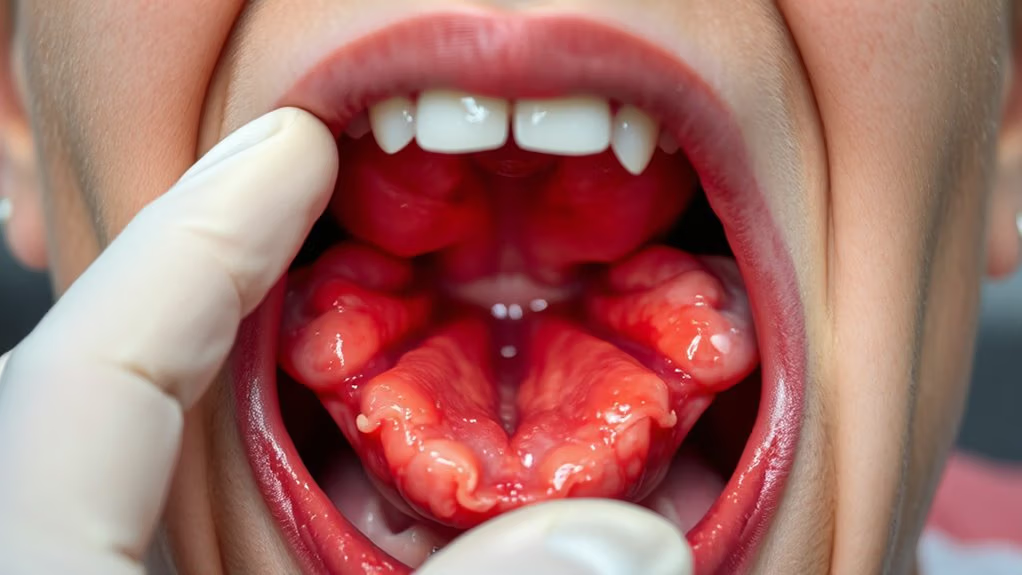
Beyond that initial discomfort, you might develop red and swollen tonsils, sometimes with white or yellowish patches coating them. Headaches and body aches frequently tag along too, leaving you feeling achy and exhausted. Some folks experience nausea or lose their appetite entirely.
Here’s what sets strep apart from other sore throats: it typically hits suddenly rather than creeping up gradually. You won’t usually have a runny nose or cough—those symptoms suggest something else entirely. If you’re experiencing these signs, getting tested matters. Strep responds well to antibiotics, and early treatment keeps complications at bay while helping you bounce back faster.
How Strep Throat Differs From a Cold

While both strep throat and the common cold can leave you feeling miserable, they’re actually quite different beasts. A cold creeps up on you gradually, starting with a runny nose and mild cough. Strep, on the other hand, hits like a ton of bricks—your throat suddenly becomes raw and painful, often without nasal symptoms.
Here’s the real tell: strep typically brings a fever above 101°F, while colds rarely spike that high. You’ll also notice strep causes severe throat pain that makes swallowing feel like torture, whereas cold sore throats are usually mild.
The biggest difference? Strep’s bacterial nature demands antibiotics, but colds won’t respond to them since they’re viral. That’s why your doctor might test your throat with a swab. Knowing which one you’ve got matters because proper treatment depends on it.
When to See a Doctor
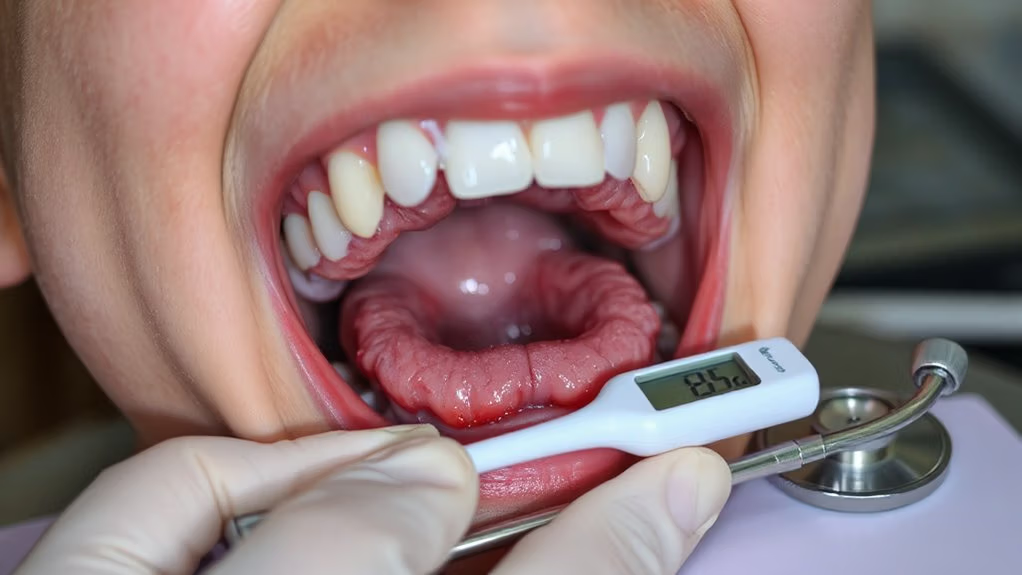
How do you know when it’s time to call your doctor instead of waiting it out at home? Here’s the thing: if you’re experiencing severe throat pain, difficulty swallowing, or a fever above 101°F, don’t delay—reach out to your healthcare provider. You should also contact them if your symptoms haven’t improved after a few days or if you’ve developed a rash alongside your sore throat.
Red flags like trouble breathing, excessive drooling, or swollen tonsils that seem to be closing your airway demand immediate attention. If you’ve been around someone with confirmed strep throat, calling ahead gives your doctor a heads-up. They might want to see you quickly for a rapid strep test, which takes just minutes.
Understanding the Risks of Untreated Strep Throat
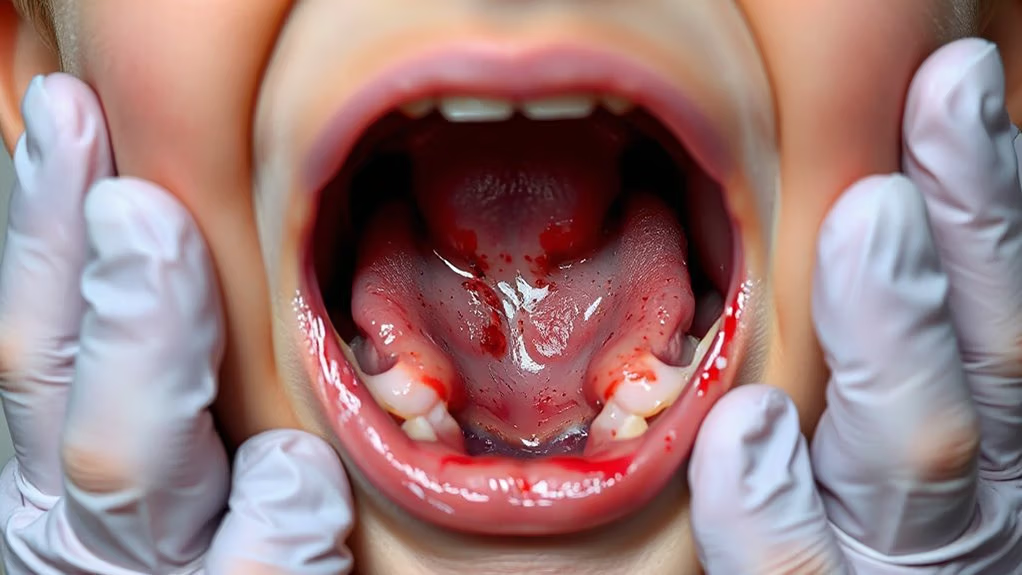
When you brush off strep throat as just another sore throat, you’re gambling with your health—and the stakes are higher than you might think.
Left untreated, strep can snowball into serious complications. Your body’s immune system, fighting the infection, sometimes turns against itself—targeting your heart, joints, and kidneys instead of the bacteria.
| Complication | Timeline | Severity |
|---|---|---|
| Rheumatic fever | Weeks after infection | Can cause permanent heart damage |
| Post-streptococcal glomerulonephritis | 1-3 weeks later | Kidney inflammation and dysfunction |
| Abscess formation | Days to weeks | Requires surgical drainage |
| Scarlet fever | During acute infection | Rash and systemic symptoms |
Rheumatic fever’s the real troublemaker—it can permanently scar your heart valves, leaving you vulnerable to lifelong complications. Your kidneys might also take a hit, developing inflammation that lingers for months.
The good news? A simple antibiotic course stops strep dead in its tracks, preventing these nasty complications altogether. Don’t gamble with your health.
Testing, Antibiotics, and Recovery
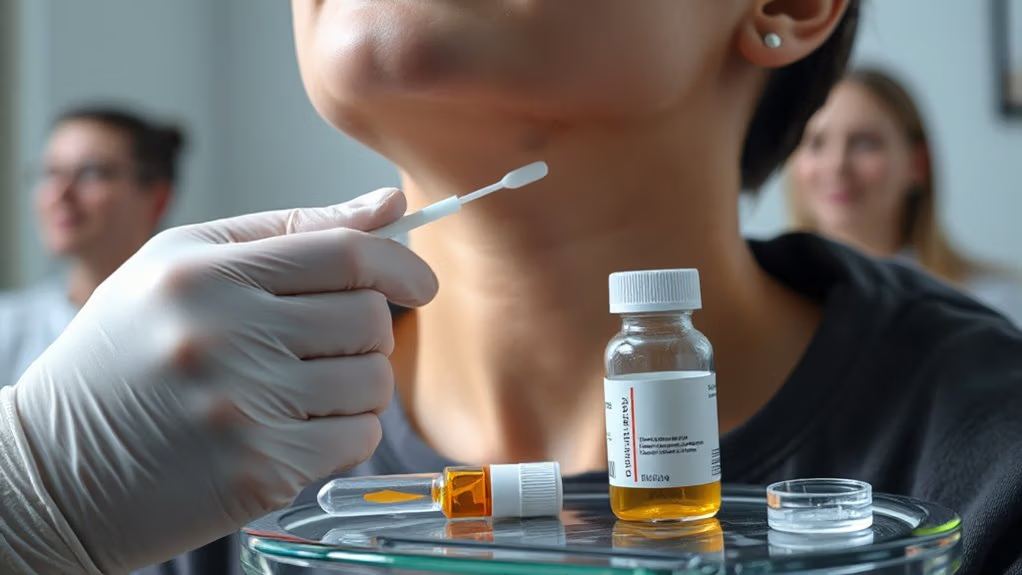
The moment you suspect strep throat, you’ll want to get tested—it’s straightforward and takes just minutes. Your doctor performs a rapid strep test by swabbing your throat and getting results within hours. If it’s positive, you’re looking at a course of antibiotics, typically penicillin or amoxicillin, which’ll knock out the infection effectively.
Here’s the good news: you’ll start feeling better within 24 to 48 hours of beginning treatment. Your fever drops, that awful throat pain eases up, and you’ll regain your energy. Stick with the full antibiotic prescription though—even when you’re feeling human again—because stopping early risks complications.
During recovery, rest matters. Drink plenty of fluids, gargle with salt water for comfort, and take pain relievers as needed. Most people bounce back within a week, ready to resume normal activities and reclaim their life.
Conclusion
You’ve got to take strep throat seriously—it’s like a sneaky visitor who seems harmless at first but can cause real trouble if you don’t show ’em the door. Don’t brush off that sore throat, figuring it’ll pass on its own. Get tested, grab those antibiotics your doctor prescribes, and you’ll bounce back quick. Your future self will thank you for taking action now instead of risking complications down the road.