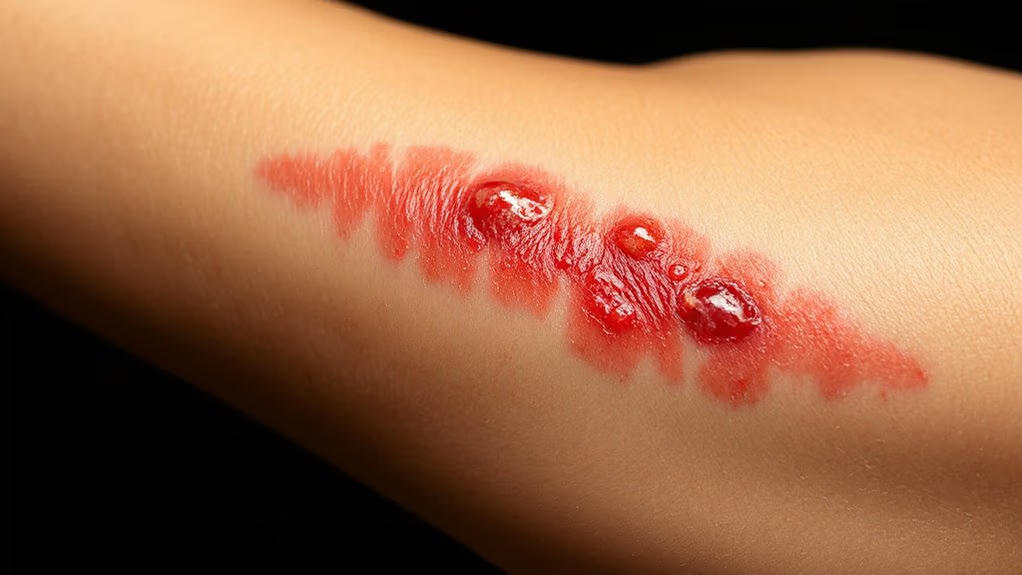
You’re watching for tingling that mimics a pulled muscle, then burning pain confined to one side of your body. Soon fluid-filled blisters stripe across in bands, accompanied by sudden exhaustion, fever, and headaches with light sensitivity. You’ll notice spreading redness, nausea, and stomach cramping alongside it all. The clock’s ticking though—starting antivirals within 24 hours drastically cuts your suffering short, so recognizing these ten warning signs early gives you real power over your recovery.
Key Takeaways
- Tingling or burning pain on one side of the body often precedes the characteristic rash by several days.
- Fluid-filled blisters emerge in a distinctive band or stripe pattern, expanding rapidly within 24-48 hours of appearance.
- Sudden fatigue, muscle aches, and low-grade fever accompany the rash as the immune system fights the virus.
- Significant swelling, burning, and throbbing intensify around days three to five, making light clothing uncomfortable.
- Throbbing headaches with light sensitivity require urgent medical attention, especially when combined with other shingles symptoms.
Nerve Pain in One Specific Area (Before the Rash)

A tingling sensation that won’t quit—that’s often shingles’ opening act. You might feel it burning, itching, or throbbing in one specific spot on your body, typically along one side of your torso, face, or limb.
Here’s what makes this warning sign sneaky: the rash hasn’t shown up yet. You’re experiencing nerve pain without any visible evidence, which can make you question whether something’s actually wrong. But your body’s telling you something important.
This discomfort usually lasts a few days before the characteristic blistering rash appears. You might dismiss it as a pulled muscle or mild injury, but pay attention if the pain concentrates in a band-like pattern following a nerve pathway.
If you’ve had chickenpox before, your dormant varicella-zoster virus could be reactivating. Don’t wait for the rash. Contact your doctor as soon as you notice this localized nerve pain, especially if you’re over fifty or immunocompromised.
Burning or Tingling Sensations on One Side
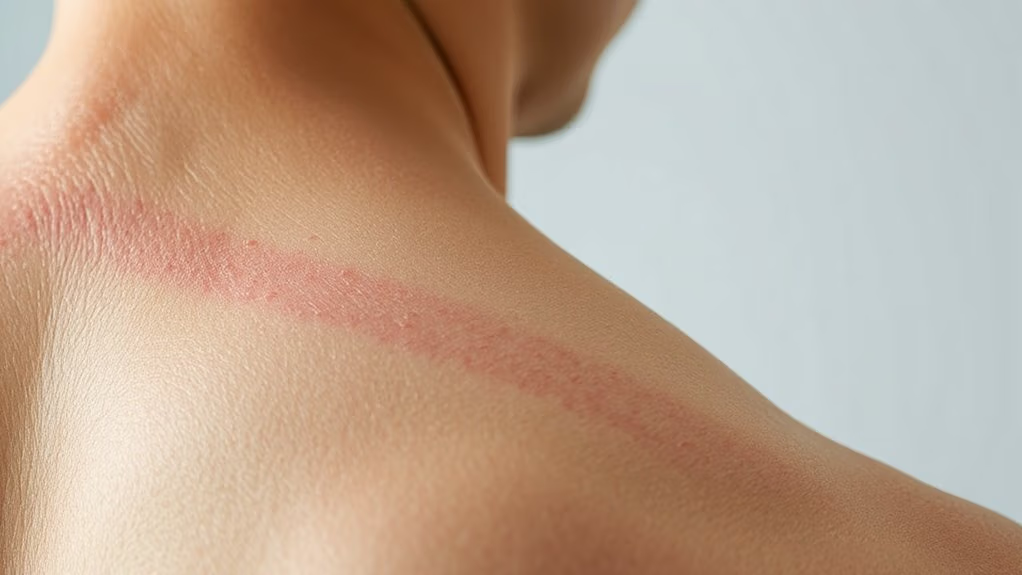
Imagine this: you’re going about your day when suddenly one side of your body starts acting up—burning, tingling, or prickling like you’ve got pins and needles that won’t leave you alone.
That’s a classic shingles warning sign right there. These sensations typically show up before the rash even appears, often catching folks off guard. You might feel them on your chest, face, back, or limb—wherever the virus decides to activate along a nerve pathway.
Here’s the thing: shingles follows a specific nerve route, which is why you’ll notice symptoms on just one side of your body, not both. This one-sided pattern is actually a dead giveaway that distinguishes it from other conditions.
Don’t dismiss these tingles as random nerve glitches. If you’re experiencing persistent burning or tingling in a localized area, especially if you’ve had chickenpox before, contact your doctor promptly. Early treatment can greatly reduce severity and complications.
Sudden Fatigue and Body Aches With Shingles

Beyond those localized tingles, your body’s going to send out bigger distress signals—and they’ll hit you like a truck. When shingles takes hold, you’re not just dealing with skin trouble—your whole system’s fighting back.
You’ll likely experience:
- Overwhelming tiredness that no amount of sleep seems to fix
- Muscle aches that make even simple movements feel exhausting
- Generalized weakness affecting your arms and legs
- Low-grade fever that comes and goes unpredictably
These symptoms arrive because your immune system’s working overtime battling the varicella-zoster virus. Your energy gets redirected to healing, leaving you feeling like you’ve run a marathon while barely moving. The body aches mirror the inflammation happening beneath your skin’s surface.
Don’t brush these feelings aside as regular fatigue. When combined with those burning sensations, this constellation of symptoms screams shingles. You’re not lazy—you’re genuinely sick, and your body needs rest to recover properly.
Fever and Chills
Temperature swings often accompany shingles, and they’re particularly unsettling because they don’t follow any predictable pattern. You might find yourself shivering under blankets one moment, then sweating through your clothes the next.
These fever and chills episodes typically emerge within the first few days of infection, sometimes before the rash even appears. Your body’s fighting hard against the virus, triggering these temperature fluctuations as part of its immune response. You’ll likely feel genuinely miserable during these episodes—exhausted, achy, and desperate for relief.
The fever usually stays low-grade, hovering around 101°F or so, but it’s the unpredictability that gets to you. You can’t anticipate when the chills’ll hit or how long you’ll feel feverish. Keeping a thermometer handy helps you track patterns and know when to contact your doctor. Stay hydrated and dress in layers you can easily adjust as your body temperature shifts.
Headache and Light Sensitivity
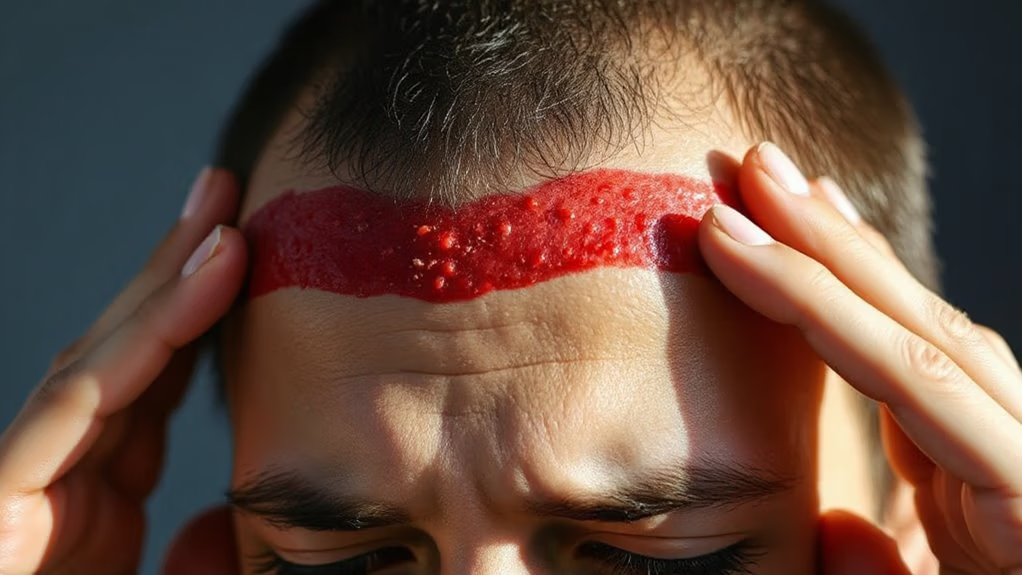
As your body battles the virus with fever and chills, another unwelcome companion often arrives: a throbbing headache that settles behind your eyes like an unwanted guest.
You’ll notice light becomes your enemy. Bright rooms suddenly feel unbearable, and you’re reaching for sunglasses indoors. This combination—headache paired with photophobia—signals your nervous system’s distress.
Here’s what’s really happening:
- Nerve inflammation triggers intense head pain that won’t quit with regular pain relievers
- Your eyes become sensitive because the virus affects nerves connected to vision
- Brightness amplifies discomfort, making normal activities feel impossible
- These symptoms typically peak within days of your rash appearing
Don’t dismiss these signs as ordinary migraines. When headaches arrive alongside fever and that characteristic burning sensation on your skin, contact your doctor immediately. Early treatment can dramatically reduce your suffering and prevent complications. You’re not overreacting—you’re listening to what your body’s telling you.
Itching or Numbness Before the Rash Appears
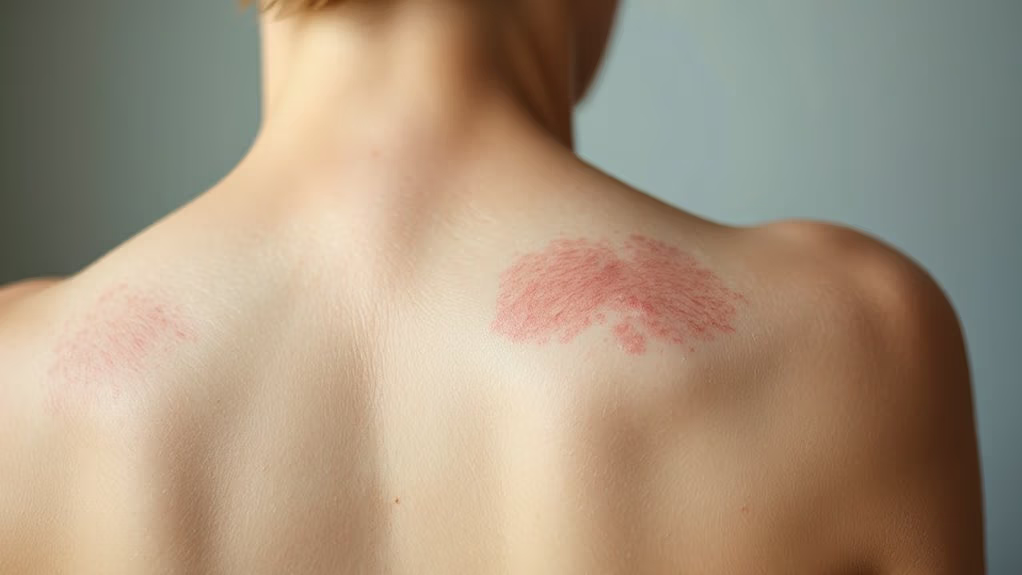
A peculiar tingling sensation might be your first real warning that shingles is moving in—and it’ll arrive before you see a single red bump. You’ll notice it on one side of your body—maybe your chest, back, or face—as an odd prickling that doesn’t quite feel like normal pins and needles.
This sensation can mimic burning, itching, or even numbness, making you wonder what’s happening beneath your skin. Some folks describe it as an electric current running along a nerve pathway. You might scratch at the area repeatedly, finding no relief because nothing’s visibly wrong.
This pre-rash phase typically lasts between two to five days. It’s your body’s way of signaling that the varicella-zoster virus is reactivating. Don’t ignore these signals. Catching shingles early and starting antiviral treatment within seventy-two hours dramatically improves your outcome and reduces long-term pain complications.
Fluid-Filled Blisters in Stripes or Bands
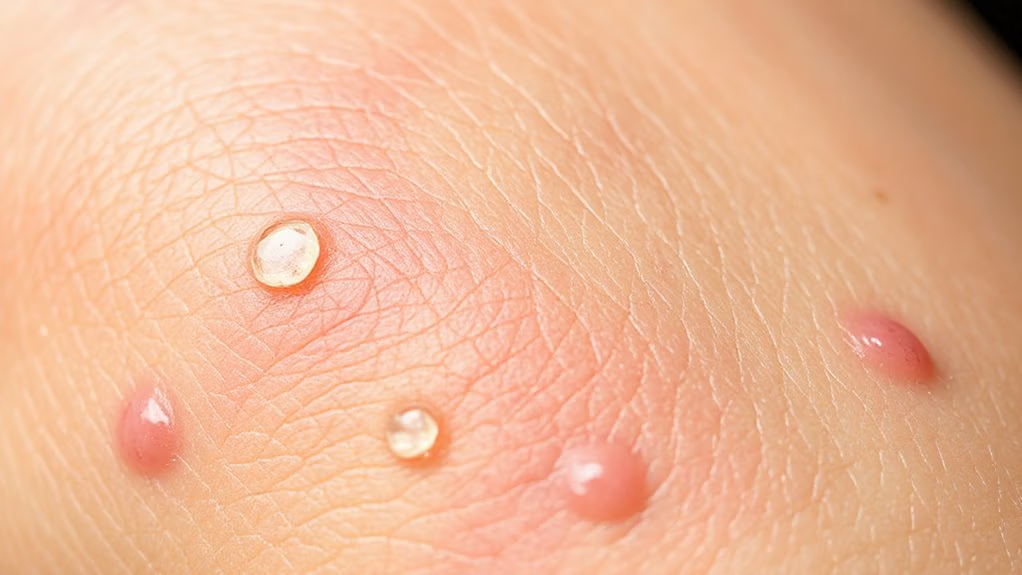
Once those telltale blisters emerge, you’ll know shingles has arrived in full force. What you’re witnessing is your body’s painful response to the varicella-zoster virus reactivating along nerve pathways.
The blisters don’t appear randomly—they’ll follow a distinct stripe or band pattern, typically on one side of your body. You’ll notice:
- Clustered fluid-filled bumps that ooze clear or yellowish liquid
- Blisters confined to a single dermatome (nerve distribution area)
- New lesions continuing to form for three to five days
- Crusting over beginning around day seven to ten
These aren’t your typical pimples. They’re densely packed and intensely tender, often making even light clothing unbearable. The stripe pattern is actually your biggest diagnostic clue—shingles respects nerve boundaries in ways other rashes don’t. If you’re seeing this distinctive banding with fluid-filled lesions, contact your doctor immediately. Early antiviral treatment within seventy-two hours can markedly reduce severity and complications.
Spreading Redness and Inflammation
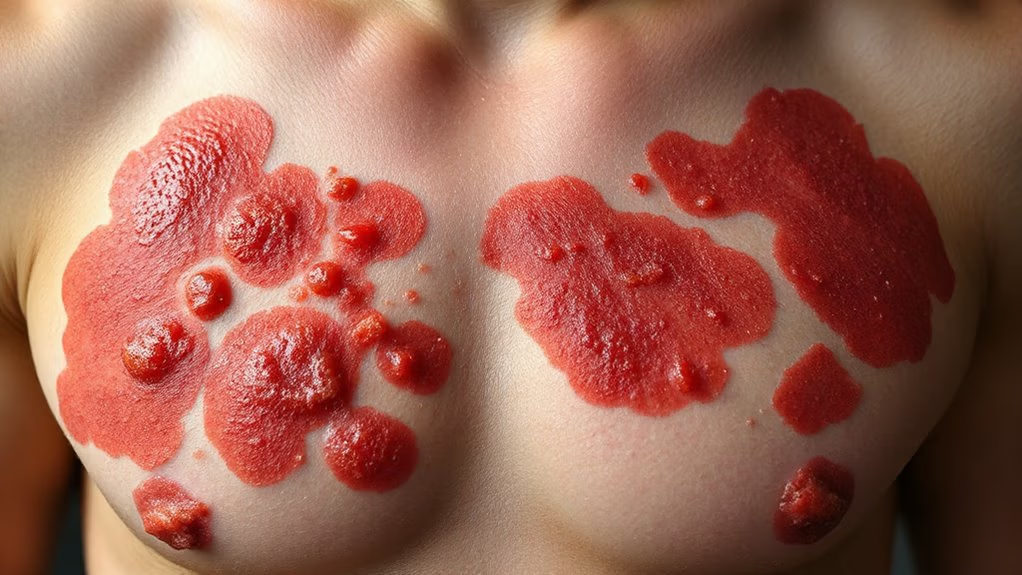
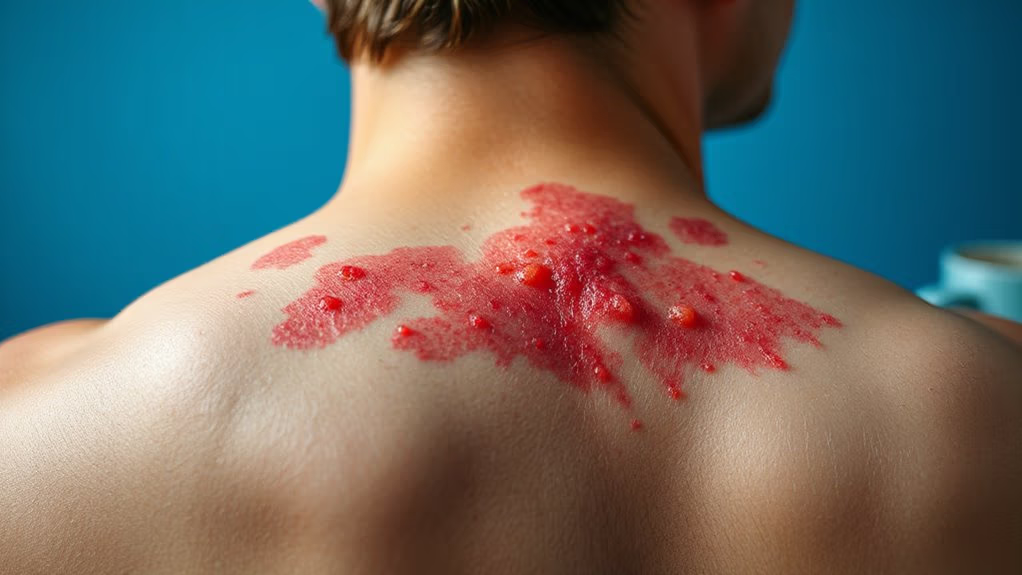
You’ll notice your shingles rash doesn’t stay put—it spreads outward from that initial stripe in a way that can catch you off guard, sometimes expanding noticeably within hours or days. The redness intensifies as inflammation builds, creating patterns that look angry and raw, with the affected area often swelling and growing warmer to the touch than the surrounding skin. What makes this spreading particularly distinctive is how it follows that characteristic band or strip across your body, rather than scattered randomly like other rashes you might’ve experienced.
Speed of Rash Expansion
One of shingles’ most unsettling characteristics is how quickly it can spread across your skin. You might notice a small patch of redness one day, and within 24-48 hours, it’s expanded dramatically across a wider area.
This rapid progression happens because the varicella-zoster virus is actively multiplying in your nerve cells. Here’s what you’re likely experiencing:
- Initial clustering of blisters appearing in tight groups
- Daily expansion creating bands or stripes along one body side
- New lesions forming while existing ones develop fluid
- Peak spreading occurring around day three to five
Don’t panic if you’re witnessing this acceleration. It’s actually typical shingles behavior. The key is catching it early and contacting your doctor immediately, as antiviral medications work best when started within 72 hours of rash onset.
Inflammation Patterns and Intensity
Beyond the blisters themselves, shingles brings a wave of inflammatory response that can be just as troubling as the rash’s rapid spread. You’ll notice the affected area doesn’t just turn red—it swells, burns, and throbs with intensity that catches you off guard. The inflammation can extend beyond the visible rash, creating a halo of tenderness around the blistered region. This isn’t mild redness; you’re dealing with deep, persistent inflammation that makes even light clothing feel unbearable. The intensity often peaks around day three to five, when the area becomes increasingly swollen and warm to the touch. This inflammatory surge is your body’s immune system fighting the virus hard, though it’ll gradually subside as healing progresses.
Distinctive Red Streaking
As shingles progresses, you’ll notice the redness doesn’t stay confined to one spot—it spreads outward in distinctive patterns that can look like red streaks radiating across your skin. This isn’t random; your body’s fighting a viral infection that follows nerve pathways. You’re fundamentally watching inflammation trace the exact route the virus traveled.
Here’s what you’ll observe:
- Linear streaking following one side of your body
- Gradual expansion over several days, not hours
- Darkening red hues where blisters’re forming
- Asymmetrical patterns that respect your body’s midline
The streaking typically intensifies before blistering begins. You might feel burning or tingling along these red lines before they’re even visible. Pay attention to this progression—it’s your early warning system that shingles is actively advancing.
Nausea and Stomach Issues

You might notice your stomach’s turning against you when shingles strikes, bringing on nausea that makes even your favorite foods sound unappealing. As the virus ramps up, you’ll often lose your appetite and feel a bone-deep weakness that leaves you wanting nothing more than rest. These digestive troubles frequently show up early in shingles’ progression, signaling your body’s battle against the infection before the classic rash even appears.
Digestive Discomfort During Shingles
When shingles strikes, it doesn’t just settle on your skin—it can wreak havoc on your digestive system too. You might find yourself battling nausea, loss of appetite, or cramping that leaves you wondering what’s happening inside your body.
Here’s what you could experience:
- Persistent nausea that worsens with certain foods
- Stomach cramping or sharp abdominal pain
- Loss of appetite despite your body needing fuel
- Loose stools or constipation from stress and medication
These symptoms often emerge alongside your rash, compounding your misery. The virus affects your nervous system, triggering these uncomfortable digestive issues that make recovery harder. Stay hydrated, eat bland foods when possible, and reach out to your doctor if symptoms intensify. Your gut’s struggling too—give it grace during this difficult time.
Nausea as an Early Warning
Nausea often arrives before the telltale rash does, sneaking up on you like an unwelcome houseguest. You might find yourself feeling queasy for days, chalking it up to something you ate. Your stomach churns without obvious cause, and you can’t quite pinpoint why food suddenly repels you.
| Early Sign | Timing | What You’ll Notice |
|---|---|---|
| Mild nausea | 1-3 days before rash | Subtle queasiness |
| Loss of appetite | Pre-rash phase | Foods seem unappealing |
| Stomach upset | Concurrent with prodrome | General digestive unease |
| Mild vomiting | Rare but possible | Light episodes |
| Fatigue with nausea | Overlapping symptoms | Exhaustion and sickness |
This gastrointestinal discomfort often accompanies fever and body aches, forming part of shingles’ sneaky debut. If nausea persists without explanation, especially alongside other symptoms, don’t dismiss it. Your body’s sending signals worth heeding.
Appetite Loss and Weakness
As shingles tightens its grip, your appetite doesn’t just fade—it vanishes like steam from a kettle. You’ll notice you’re pushing food around your plate, unable to muster genuine interest in meals you’d normally enjoy.
This loss of appetite isn’t mere pickiness. It’s your body signaling distress:
- Viral infection depletes your energy reserves rapidly
- Digestive discomfort makes eating feel unappealing
- Systemic inflammation saps your strength and motivation
- Pain makes chewing and swallowing uncomfortable
You might feel weak, struggling to climb stairs or stand for long periods. Your muscles feel heavy, like they’re weighted down. This weakness creeps in gradually, then intensifies. Don’t dismiss it as fatigue—it’s your body’s honest way of telling you something serious is happening. Listen to these signals.
When to Start Antiviral Treatment
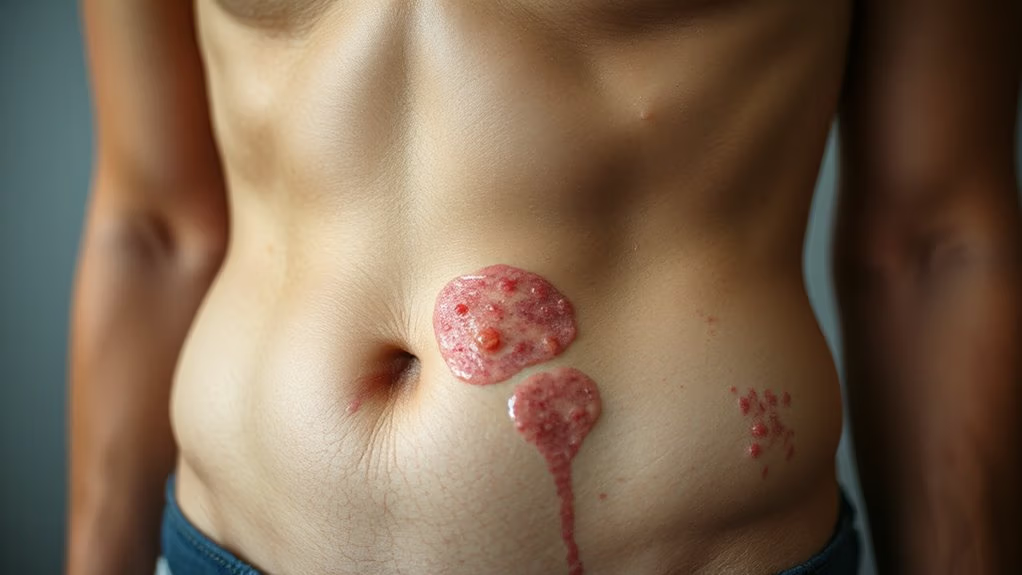
You’ve got a narrow window to fight shingles effectively, and it’s essential you don’t waste it. The clock starts ticking the moment that rash appears, so timing matters immensely.
Antiviral medications work best when you start them within 72 hours of symptom onset. If you’ve noticed those telltale blisters, contact your doctor immediately—don’t wait it out hoping it’ll resolve on its own.
| Timeframe | Action | Effectiveness |
|---|---|---|
| Within 24 hours | Begin antivirals | Reduces pain duration significantly |
| 24-72 hours | Still beneficial | Lessens severity and complications |
| After 72 hours | Limited impact | Minimal benefit for acute phase |
Your doctor might prescribe acyclovir, valacyclovir, or famciclovir depending on your situation. These medications won’t make the rash vanish overnight, but they’ll considerably shorten your suffering and reduce nerve damage risks. Don’t overthink it—get that prescription filled today.
Conclusion
You’d think your body’d give you a fighting chance, but shingles sneaks in like an unwelcome guest who overstays their welcome. One minute you’re feeling fine, the next you’re battling a rash that’d make a quilt jealous. The cruel twist? You’ve already survived chickenpox, yet here it comes knocking again. Don’t let this old enemy catch you off guard. Knowing these warning signs means you’re holding the upper hand—catch it early, start treatment fast, and show shingles who’s boss.