
Your body’s whispering warnings you shouldn’t ignore—and if you’re experiencing unexplained fatigue, constant thirst, or mysterious skin changes, your cells might be struggling with blood sugar. You’ll notice persistent hunger even after eating, blurred vision, slow-healing cuts, and dark patches on your skin. Frequent infections and tingling in your extremities? That’s your signal to pay attention. These ten signs deserve a doctor’s visit, and understanding each one might just change everything.
Key Takeaways
- Persistent fatigue unrelieved by rest or sleep may indicate cells struggling to process glucose effectively in prediabetes.
- Increased thirst and frequent urination suggest kidneys working overtime to flush excess sugar from the bloodstream.
- Persistent hunger shortly after eating signals poor insulin response preventing glucose from entering cells properly.
- Blurred vision and difficulty focusing can indicate high blood sugar affecting eye health and requiring medical evaluation.
- Dark, velvety patches on skin in areas of friction signal insulin resistance and warrant lifestyle modifications.
Unexplained Fatigue and Low Energy Levels

If you’re dragging through your days like you’ve got anchors tied to your ankles, your body might be waving a red flag you shouldn’t ignore. That bone-deep exhaustion that coffee can’t fix? It’s often your cells’ way of crying uncle.
When prediabetes creeps in, your body struggles to process glucose properly. Your cells aren’t getting the fuel they need, leaving you feeling like you’re running on fumes. You’ll notice it most in the afternoon—that 2 p.m. slump that’s got nothing to do with a boring meeting.
When prediabetes hits, your cells starve for fuel. That afternoon energy crash? Your body’s struggling to process glucose properly.
Here’s the kicker: rest doesn’t always fix it. You can sleep nine hours and still wake up groggy. Your energy stays stuck in neutral no matter how much you try.
Don’t brush this off as just getting older or being busier. Persistent fatigue paired with other symptoms deserves a conversation with your doctor. It’s worth investigating.
Increased Thirst and Frequent Urination

Why does your water bottle feel like it’s permanently attached to your hand these days?
If you’re constantly reaching for drinks and making frequent bathroom trips, your body might be sending you a message. When your cells can’t process glucose effectively, your kidneys work overtime to flush excess sugar through your urine, dragging water along with it. This leaves you parched and running to the restroom more often than usual.
Pay attention to these telltale signs:
- You’re drinking considerably more water than before, yet never feel truly satisfied
- You’re waking multiple times at night for bathroom visits, disrupting your sleep
- You’re experiencing unusual thirst even when you’ve just had something to drink
These changes might seem minor, but they’re worth mentioning to your doctor. Increased thirst and frequent urination often appear together and shouldn’t be ignored. Your body’s speaking up—it’s time to listen closely.
Persistent Hunger Despite Eating Regularly

While your body’s crying out for water, there’s another hunger your stomach can’t seem to satisfy. You’ve just polished off lunch, yet twenty minutes later, you’re rummaging through the pantry like you haven’t eaten in days. That gnawing feeling in your belly? It’s often a prediabetes red flag.
Here’s what’s happening: your cells aren’t responding properly to insulin, so glucose isn’t getting where it needs to go. Your body stays in perpetual starvation mode, constantly signaling for more fuel. You might find yourself eating regular meals, snacking between them, and still feeling hollow inside.
This relentless hunger differs from normal appetite—it’s more urgent and harder to ignore. You’re not being greedy or lacking willpower; your metabolism’s simply misfiring. If you’re noticing this pattern alongside increased thirst, it’s important to mention to your doctor. These two symptoms together paint a telling picture.
Blurred Vision and Eye Problems

You’re squinting at your phone screen, holding it at arm’s length, then closer, then farther again—and you still can’t quite get it right. That frustration? It might be prediabetes knocking on your door.
High blood sugar damages tiny blood vessels in your eyes, causing vision troubles that sneak up on you. You’ll notice:
- Blurred vision that comes and goes, making reading menus or street signs genuinely annoying
- Difficulty focusing on close-up tasks, like threading a needle or applying makeup
- Increased sensitivity to light, leaving you squinting even on cloudy days
Your eyes aren’t failing you—they’re sending distress signals. These changes often appear gradually, so you might dismiss them as simple aging or needing new glasses. Don’t. Schedule an eye exam and talk with your doctor about your vision changes. Catching prediabetes early gives you real power to reverse course before diabetes takes hold.
Slow-Healing Cuts and Wounds
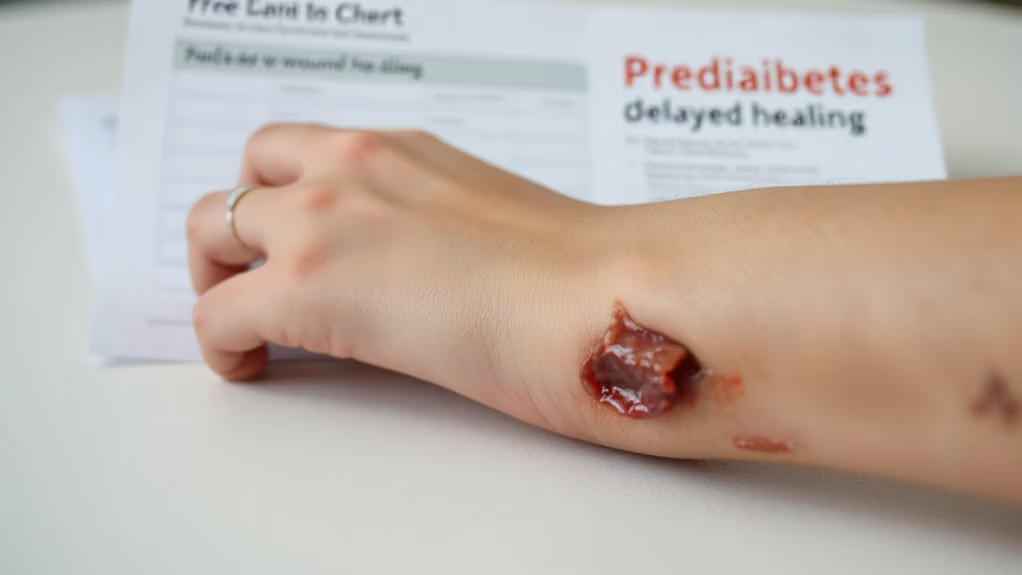
That paper cut from last week’s still hanging around, hasn’t it? When your body’s struggling with blood sugar control, even minor injuries dawdle in healing. You’re not imagining it—prediabetes genuinely slows your body’s repair work.
Here’s what’s happening: elevated glucose levels damage your blood vessels and nerves, reducing circulation to wounded areas. Without proper blood flow, your body can’t deliver the healing cells and nutrients it needs. Infections become more likely too, since your immune system isn’t firing on all cylinders.
Pay attention to scrapes, blisters, or cuts that linger longer than usual. If you’re noticing wounds taking weeks instead of days to heal, that’s your body waving a red flag. It’s not laziness—it’s a signal worth discussing with your doctor. Catching prediabetes early means you can take action before it progresses to type 2 diabetes.
Unexplained Weight Gain or Changes

Maybe your favorite jeans have gotten snug despite eating the same way you always have, or the scale’s climbing without any obvious reason. That’s worth paying attention to.
Unexplained weight gain is one of prediabetes’s sneakier calling cards. When your body can’t process insulin properly, it tends to hold onto fat—especially around your midsection. You’re not imagining things, and it’s not laziness or willpower failing you.
Here’s what’s actually happening:
- Your cells resist insulin, so glucose stays in your bloodstream instead of fueling your body properly
- Your pancreas works overtime, pumping out more insulin to compensate, which signals your body to store fat
- Your metabolism shifts, making weight loss feel impossibly difficult despite your best efforts
If you’re noticing these changes, don’t brush them off. Chat with your doctor about getting your blood sugar checked. Catching prediabetes early means you’ve got real power to reverse it.
Dark Patches on Skin (Acanthosis Nigricans)

You might notice dark, velvety patches creeping up on your neck, armpits, or skin folds—a condition called acanthosis nigricans that often tags along with prediabetes like an unwelcome shadow. These patches aren’t just a cosmetic nuisance; they’re your body’s way of waving a flag about insulin resistance happening behind the scenes. We’ll explore what’s actually triggering these patches, where they like to show up, and what you can realistically do to treat and prevent them.
What Causes Dark Patches
When your body’s insulin isn’t working the way it should, it can send some pretty peculiar signals to your skin—and dark patches are one of them.
Here’s what’s happening under the surface:
- Excess insulin circulates through your bloodstream, triggering skin cells to produce more pigment than normal
- Your body overproduces melanin in response to insulin resistance, creating those telltale darkened areas
- Insulin growth factors stimulate your skin’s outer layer, thickening it and deepening the discoloration
These patches typically show up in skin folds—your neck, armpits, or groin. They’re not contagious or dangerous, but they’re definitely your skin’s way of waving a red flag. Think of acanthosis nigricans as your body’s billboard announcing that your insulin’s lost its rhythm. It’s uncomfortable, sure, but it’s also valuable information telling you something needs attention.
Where Patches Typically Appear
If acanthosis nigricans decides to show up on your body, it’s got favorite spots—and they’re almost always hiding. You’ll typically find these dark patches creasing your neck, tucking themselves into your armpits, and settling along your groin and inner thighs. They love the folds—anywhere your skin naturally bunches and sweats.
Your knuckles might darken too, catching you off guard when you’re reaching for your coffee mug. Some women notice the patches spreading across their elbows or behind their knees. The skin there gets velvety, almost like suede, which sounds poetic until you realize what’s actually happening underneath.
These aren’t random spots. They’re your body’s way of waving a flag about insulin resistance. Pay attention to where they appear—it matters.
Treatment And Prevention Options
The good news? You’ve got real power to reverse these dark patches and prevent prediabetes from taking over your life.
Here’s what’ll actually work:
- Lose weight gradually – even 5-10% makes a dramatic difference in your insulin sensitivity
- Move your body daily – brisk walks, dancing, or whatever gets you going for 30 minutes
- Overhaul your plate – swap refined carbs for whole grains, load up on vegetables, and cut back on sugary drinks
Your skin responds quickly when you dial in your blood sugar. Most folks see those patches fade within weeks of making these shifts. You’re not stuck with this. Start today, and your future self will thank you for refusing to accept prediabetes as inevitable.
Tingling and Numbness in Extremities

You might notice your fingers or toes falling asleep more often than they should, or you’re experiencing a persistent prickling sensation that won’t quit—and that’s your body waving a red flag. High blood sugar starts damaging the nerves in your extremities, creating that frustrating tingling or numbness that seems to come out of nowhere. These early warning signs aren’t something to brush off, as they’re often your first clue that prediabetes is quietly doing its work.
Nerve Damage From High Blood Sugar
When your blood sugar stays elevated over time, it’s like running your nerves through a slow-motion car wash—they don’t handle it well. High glucose damages the protective coating around your nerve fibers, leaving you with that creepy-crawly sensation.
You might notice:
- Tingling in your fingertips and toes that comes and goes unpredictably
- Numbness that makes you drop things or stumble without understanding why
- A burning sensation, especially at night when you’re trying to sleep
Here’s the thing—these warning signs aren’t just annoying. They’re your body waving a red flag, telling you it’s time to pay attention. Catching prediabetes early means you can still reverse course and protect those hardworking nerves of yours.
Early Warning Signs Present
Tingling fingers and numb toes aren’t just uncomfortable party guests you can ignore—they’re often your first real sign that prediabetes is knocking on your door. You might notice your feet fall asleep more easily or feel a persistent prickling sensation that won’t quit. Maybe you’ll catch yourself dropping things because your hands feel clumsy or strange.
Here’s what’s happening: high blood sugar damages your nerves over time, starting with those farthest from your heart. It’s sneaky because you can’t see it coming. These sensations typically begin in your toes and fingers, then creep upward if left unchecked.
Don’t brush these warning signs aside. Your body’s talking to you, and it’s worth listening. Catching prediabetes early means you can reverse course before nerve damage becomes permanent.
Frequent Yeast Infections and Skin Problems

Because high blood sugar creates a buffet for yeast and bacteria, women with prediabetes often find themselves battling recurring infections that won’t quit. It’s frustrating—you’re treating one infection, then another pops up like an unwelcome houseguest.
You might notice:
- Persistent yeast infections that ignore over-the-counter treatments and keep returning month after month
- Unexplained skin issues like stubborn rashes, slow-healing cuts, or mysterious itching that defies explanation
- Urinary tract infections that seem to happen just when you think you’ve finally caught a break
Your skin’s trying to tell you something. Those seemingly random infections aren’t coincidence—they’re your body waving a red flag. High glucose levels weaken your immune system’s ability to fight off these pesky invaders.
Don’t dismiss these as mere inconveniences. They’re legitimate warning signs worth discussing with your doctor. Getting checked could be the wake-up call that changes everything.
What These Signs Mean: Should You See a Doctor?

If you’re noticing those pesky yeast infections popping up more often than your aunt’s unsolicited advice, or you’re battling skin issues that won’t quit, your body’s waving a red flag you shouldn’t ignore. You don’t need to panic, but you do need to take these symptoms seriously—they’re your body’s way of saying something’s shifted, and that’s worth a conversation with your doctor. Schedule that appointment sooner rather than later, because catching prediabetes early is one of the best moves you can make for your health.
Recognizing Red Flag Symptoms
How’d you know if something’s genuinely wrong or just a bad day? That’s the million-dollar question, isn’t it?
Here’s the thing—your body talks to you all the time. You’ve just gotta listen:
- Persistent fatigue that sleep doesn’t fix means your body’s struggling to process energy properly
- Blurred vision or frequent infections signal your blood sugar’s wreaking havoc on your systems
- Tingling in your feet or hands indicates nerves are already taking a hit
If you’re experiencing these red flags regularly, don’t brush ’em off as stress or getting older. Schedule that doctor’s appointment. Catching prediabetes early changes everything. Your future self will thank you for taking action today.
When To Schedule Appointments
Now that you’ve spotted these warning signs, you’re probably wondering whether you’ve actually got something to worry about or if you’re just being a hypochondriac. Here’s the truth: you’re not overreacting.
If you’re experiencing increased thirst, frequent urination, unexplained fatigue, or blurred vision, schedule an appointment with your doctor. Don’t wait for these symptoms to worsen or multiply. Your primary care physician can order a simple blood test—fasting glucose or A1C—that’ll give you real answers in minutes.
You don’t need to panic, but you do need to act. Catching prediabetes early means you’ve got genuine power to reverse it through lifestyle changes. That’s not fear-mongering; that’s hope. Call your doctor this week. Your future self will thank you.
Conclusion
Your body’s sending you smoke signals, and you’d be wise to pay attention. These warning signs aren’t your imagination—they’re your body waving a flag that something’s shifted. Don’t brush ’em off as just getting older or having a bad week. Schedule that doctor’s visit now, not next month. Catching prediabetes early? That’s when you’ve got the real power to turn things around and reclaim your health.