You’ll notice your pup’s personality shifts first—they’re hiding more, snapping unexpectedly, or just plain restless. Then comes the movement troubles: limping, struggling to jump, or that stiff shuffle after naps. Finally, watch for physical tells like heavy panting without exercise, whimpering, and hunched postures. Your dog’s body’s been speaking all along; you’re just learning the language. Keep digging deeper to spot what’s really going on beneath those signals.
Key Takeaways
- Behavioral changes like withdrawal, aggression, or tail tucking often indicate your dog is experiencing pain or discomfort.
- Movement problems such as limping, difficulty rising, or reluctance to jump suggest your dog may be in pain.
- Physical signals including heavy panting, whining, hunching, and excessive lying down indicate potential pain or illness.
- Personality shifts and unusual restlessness shouldn’t be dismissed as moodiness but warrant veterinary attention and assessment.
- Veterinarians can diagnose pain causes early, from sprains to arthritis, preventing further injury and health decline.
Behavioral Changes: Withdrawal, Restlessness, and Aggression

When your dog’s personality shifts—maybe they’re hiding away from the family or snapping at someone who’d normally get belly rubs—pain’s often lurking behind the change. Your pup can’t tell you where it hurts, so they communicate through behavior instead.
A dog in discomfort frequently retreats to quiet corners, avoiding interaction they once loved. That tail that used to wag constantly? It stays tucked. Meanwhile, some dogs swing the opposite direction, pacing restlessly or unable to settle down comfortably anywhere.
You might notice uncharacteristic aggression too—a gentle soul suddenly growling or snapping during handling. They’re not being difficult; they’re protecting a sore spot. Even mild touching near an injury can trigger this defensive response.
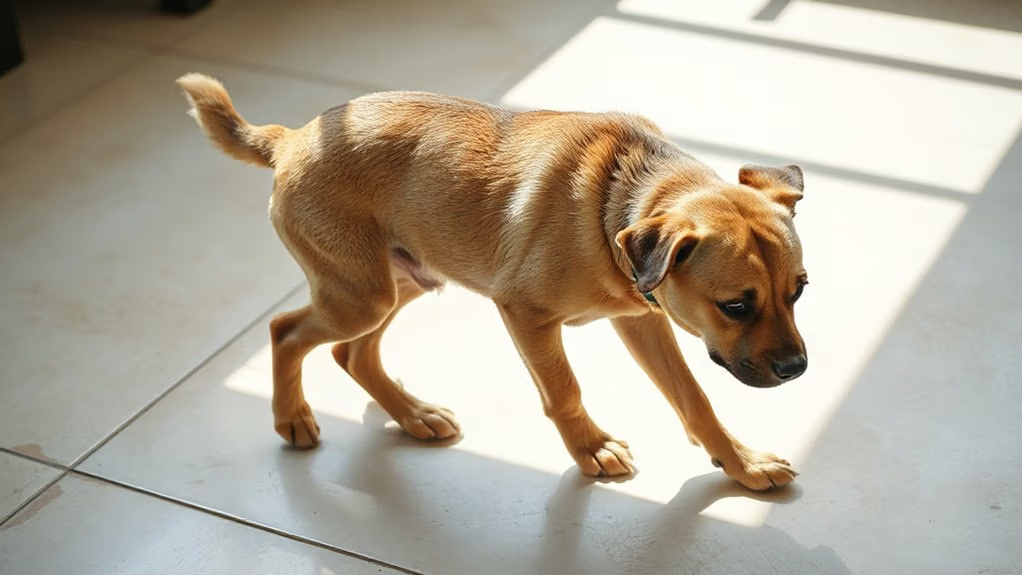
The key’s watching for personality departures. If your buddy’s acting unlike themselves, don’t brush it off as moodiness. That behavioral shift deserves a vet’s attention to rule out underlying pain or illness.
Movement Problems: Limping, Stiffness, and Reluctance to Jump
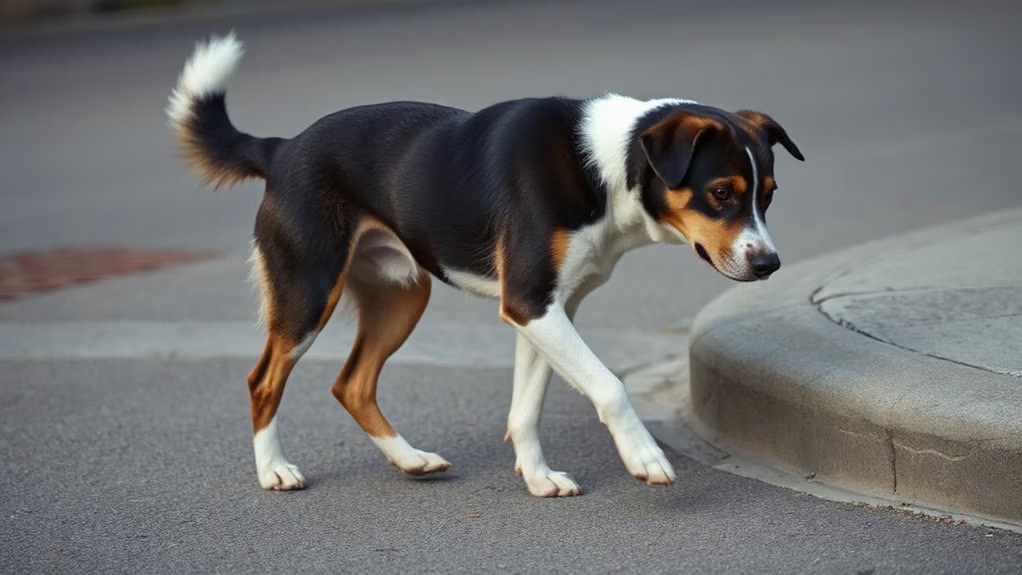
Physical lameness is one of the clearest pain signals you’ll notice—your dog’s gait changes, favoring one leg or moving stiffly like they’ve aged ten years overnight. You might spot them hobbling after rest or struggling to rise from their bed.
Watch for reluctance to jump on furniture, climb stairs, or chase that tennis ball they’d normally leap for without thinking. Some dogs shuffle their back legs or bunny-hop, which signals hip or rear leg discomfort. Others hold a paw slightly raised, barely touching the ground.
Stiffness is particularly noticeable after sleep or on cold mornings—your pup might need a few minutes to loosen up before moving normally. If these movement changes persist beyond a day or two, don’t wait it out. Limping and stiffness can indicate anything from sprains to arthritis to more serious injuries. Your vet’s expertise helps pinpoint what’s causing your dog’s struggle.
Physical Signals: Panting, Whining, and Posture Shifts

Beyond the obvious limping and stiffness, your dog’s body language tells an equally important story through subtler signals. When your pup’s hurting, you’ll often notice them panting heavily even without exercise or heat. It’s their way of coping with discomfort. Listen closely for whining or whimpering—those vocalizations don’t lie.
Watch how your dog carries themselves, too. A dog in pain often hunches their back, tucks their tail, or assumes an odd posture to protect sensitive areas. They might refuse to stretch or shift weight repeatedly from one side to the other. Some dogs become unusually still, lying down more than normal.
These physical tells work together like a puzzle. Your dog can’t tell you where it hurts, so they communicate through these signals instead. Pay attention to these changes, especially if they’re new or worsening. That’s your cue to visit the vet.
Conclusion
You’ve probably noticed your pup acting a bit off lately—maybe they’re avoiding their favorite spot on the couch or snapping when you touch their side. That’s your cue to pay attention. Here’s the thing: spotting these signs early can make all the difference. Your dog can’t tell you where it hurts, so you’re their voice. Trust your gut, call your vet, and give your furry friend the care they’re counting on.