You’ve got mono if you’re bone-tired despite sleeping, your throat’s raw and swollen, and you’re running a high fever with body aches. Swollen lymph nodes in your neck, headaches, and mental fog often follow. But here’s the kicker—a swollen spleen‘s your body’s serious warning sign. Don’t brush off these symptoms. Your doc needs to know what’s happening so you can get back to feeling like yourself.
Key Takeaways
- Extreme fatigue lasting weeks that persists despite adequate rest and sleep requires immediate medical evaluation.
- Severe sore throat with swollen tonsils and whitish coating that causes painful swallowing needs professional assessment.
- High fever exceeding 104 degrees accompanied by chills and body aches warrants doctor consultation.
- Tender, swollen lymph nodes on neck sides lasting beyond two weeks indicate need for medical care.
- Chest pain, breathing difficulty, or abdominal tenderness suggest serious complications requiring urgent medical attention.
Extreme Fatigue: The First Sign of Mono

Exhaustion—that bone-deep tiredness that won’t quit no matter how much you sleep—often shows up first when mono’s knocking on your door. You’re not just tired; you’re dragging yourself through each day like you’re moving through mud.
Exhaustion that bone-deep tiredness that won’t quit no matter how much you sleep often shows up first when mono’s knocking.
This kind of fatigue isn’t something a good night’s rest fixes. You’ll wake up feeling like you never slept at all. Your body’s fighting the Epstein-Barr virus hard, and that battle drains your energy reserves completely.
You might notice you can’t concentrate or stay awake through simple tasks. Even climbing stairs feels overwhelming. That’s your body waving a red flag, demanding you listen.
Don’t brush this off as ordinary tiredness. When extreme fatigue hits and sticks around for weeks, pay attention. Your body’s telling you something’s wrong. That’s when you should talk to a doctor about getting tested for mono.
Persistent Sore Throat and Swollen Tonsils
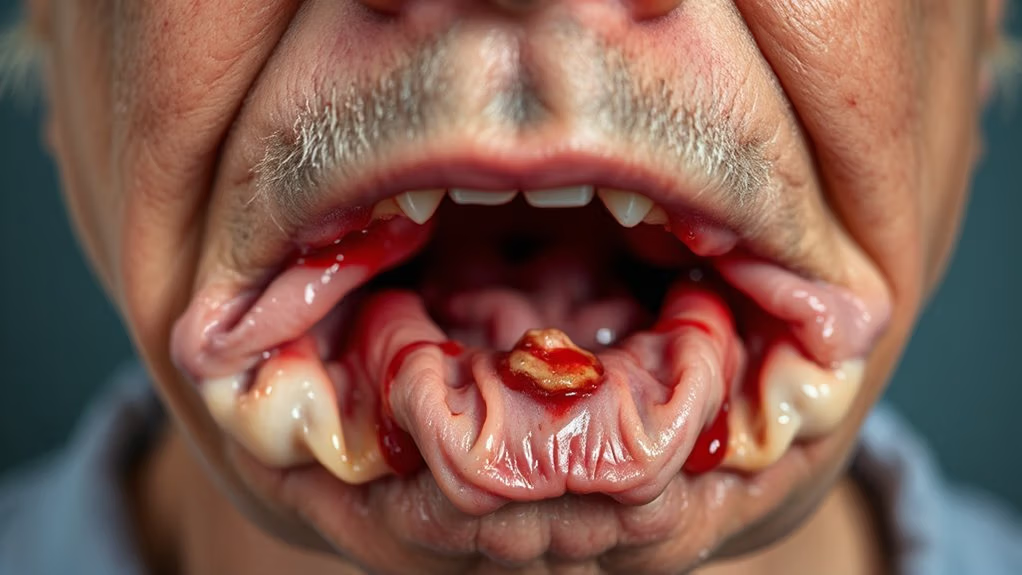
Your throat’s gonna feel like you’ve swallowed broken glass—that’s often the next clue mono’s settling in. This isn’t your garden-variety sore throat that clears up in a few days. We’re talking about a persistent rawness that hangs around for weeks.
You’ll notice your tonsils swell up something fierce, sometimes so much they nearly touch each other. They might develop a whitish or yellowish coating, which looks downright alarming when you peek in the mirror. Swallowing becomes genuinely painful, making even water feel like a challenge.
The soreness typically peaks around day three to seven of your illness, then gradually improves over the following weeks. If your tonsils swell so severely you’re having trouble breathing or drinking, though, that’s when you need medical attention right away. Don’t tough it out alone—this symptom deserves a doctor’s evaluation.
Fever and Aching Body

When mono takes hold, you’ll likely experience a high temperature that climbs fast, often accompanied by chills that make you shiver despite feeling hot. Your muscles and joints will ache something fierce—that deep, bone-weary pain that makes even simple movements feel like climbing a mountain. These symptoms typically show up alongside your sore throat, creating a one-two punch that’ll keep you planted on the couch for days.
High Temperature and Chills
Mono doesn’t just wear you down—it sets your whole body on fire. You’ll find yourself shivering under blankets while your temperature climbs dangerously high, sometimes hitting 104 degrees or beyond. Those chills creep through you in waves, making your teeth chatter even as sweat beads on your forehead.
Your body’s fighting hard against the virus, and that battle produces intense heat. You might feel like you’re freezing one moment, then burning up the next. This temperature roller coaster can last for weeks, draining your energy completely.
Don’t brush off these fevers as minor. When you’re experiencing persistent high temperatures paired with uncontrollable chills, your body’s sending urgent signals. That’s when you need medical attention to rule out complications and get proper support through recovery.
Muscle and Joint Pain
As the fever rages through you, a deep, bone-aching soreness settles into every muscle and joint you’ve got. You’ll notice your legs feel heavy, your shoulders tight, and even turning your head becomes an ordeal. This isn’t just regular soreness—it’s the kind that makes you want to stay burrowed under blankets.
What’s happening is your body’s fighting the Epstein-Barr virus hard, and that battle causes inflammation throughout your muscles and joints. You might struggle getting out of bed or reaching for a glass of water. The aching typically peaks when your fever’s highest and gradually improves as you recover.
Don’t push through this discomfort. Rest is your best medicine right now. Your body needs energy to heal.
Swollen Lymph Nodes in Your Neck

When you’ve got mono, your lymph nodes swell up because your body’s fighting hard against the virus—you’ll feel those tender lumps on both sides of your neck like your body’s throwing up its defenses. Most of the time this swelling’s nothing to worry about and’ll fade as you recover, but you’ll want to check in with your doctor if the swelling gets so bad you’re having trouble swallowing or breathing. Keep an eye out too, because occasionally those swollen nodes signal something that needs medical attention beyond what rest and fluids can handle.
What Causes The Swelling
Your lymph nodes are tiny soldiers stationed throughout your body, ready to fight off invaders like viruses and bacteria. When you’ve got mono, these little fighters spring into action.
Here’s what happens when the Epstein-Barr virus shows up:
- Your immune system recognizes the threat and mobilizes
- Lymph nodes produce extra white blood cells to battle the infection
- Inflammation kicks in as they work overtime
- Swelling occurs because they’re packed with fighting cells
- The soreness develops from all that intense activity
Think of it like a small-town fire department responding to a five-alarm blaze. Your neck nodes swell because they’re genuinely working hard to protect you. This swelling’s actually a good sign—your body’s doing exactly what it should.
When To Seek Medical Care
While some swelling’s just your body doing its job, there’s a point where you shouldn’t tough it out alone. If your neck nodes stay swollen beyond two weeks, that’s your cue to call your doctor. You’ll also want to reach out if the swelling’s so painful you can’t swallow or if it’s just on one side—that can signal something else entirely. Fever that won’t quit, extreme fatigue that keeps you bedridden, or difficulty breathing means you need medical attention today, not tomorrow. Don’t wait around hoping things improve on their own. Your body’s sending signals, and sometimes the kindest thing you can do for yourself is listen to them and get checked out.
Headaches and Mental Fog

As mono drains your energy, it often leaves you dealing with persistent headaches and a foggy feeling that makes concentration nearly impossible. You’re not imagining things—these symptoms are real and frustrating.
Your brain feels like it’s wrapped in cotton when mono takes hold. Here’s what you might experience:
- Throbbing headaches that won’t quit, even with rest
- Difficulty remembering things you’d normally recall easily
- Trouble focusing on conversations or simple tasks
- A hazy sensation that makes decision-making exhausting
- Worsening symptoms when you push yourself too hard
These cognitive struggles happen because your body’s fighting the virus. Your immune system’s working overtime, leaving less mental energy for you. Rather than fighting through it, honor what your body needs. The fog clears as you recover, but rushing recovery only prolongs these symptoms. Be patient with yourself during this challenging time.
A Swollen Spleen: The Most Serious Sign

Of all mono’s troublesome symptoms, a swollen spleen deserves your closest attention. Your spleen filters blood and fights infection, so when you’ve got mono, it can swell greatly—sometimes dangerously so.
You might not feel your spleen directly, but you’ll notice sharp pain under your left rib cage, especially when taking deep breaths or moving around. Some folks describe it as a dull ache that worsens with physical activity.
Here’s what matters: a severely enlarged spleen can rupture, and that’s genuinely serious. You’ll need to take it easy—no contact sports, heavy lifting, or strenuous exercise while you’re recovering. If you develop sudden, intense abdominal pain, seek medical attention immediately.
Don’t ignore these warning signs. Your doctor can examine you and check your spleen’s size through imaging if needed. Rest, fluids, and patience typically help it return to normal, but you’ve got to take this one seriously.
When to Call Your Doctor About Mono

How do you know when mono’s crossed the line from manageable to “I need professional help“?
Your body’ll give you signals that shouldn’t be ignored. While most folks weather mono at home, certain warning signs mean you need to call your doctor right away:
- A severely swollen throat that makes swallowing painful or difficult
- Chest pain or shortness of breath when you breathe
- Abdominal pain or a swollen spleen that feels tender
- High fever that won’t budge despite rest and fluids
- Confusion, extreme weakness, or difficulty staying awake
Don’t tough it out alone if you’re experiencing these symptoms. Your doctor can rule out complications and guide your recovery. Trust your gut—if something feels seriously wrong, it probably is. Getting professional care early prevents minor issues from turning into major headaches down the road.
Conclusion
When you’re battling mono, you’ve got to listen to what your body’s telling you. These seven signs aren’t something to brush off—they’re like warning lights on your dashboard, letting you know you need to slow down and get help. Don’t tough it out alone. Call your doctor, get some rest, and give yourself permission to heal properly.