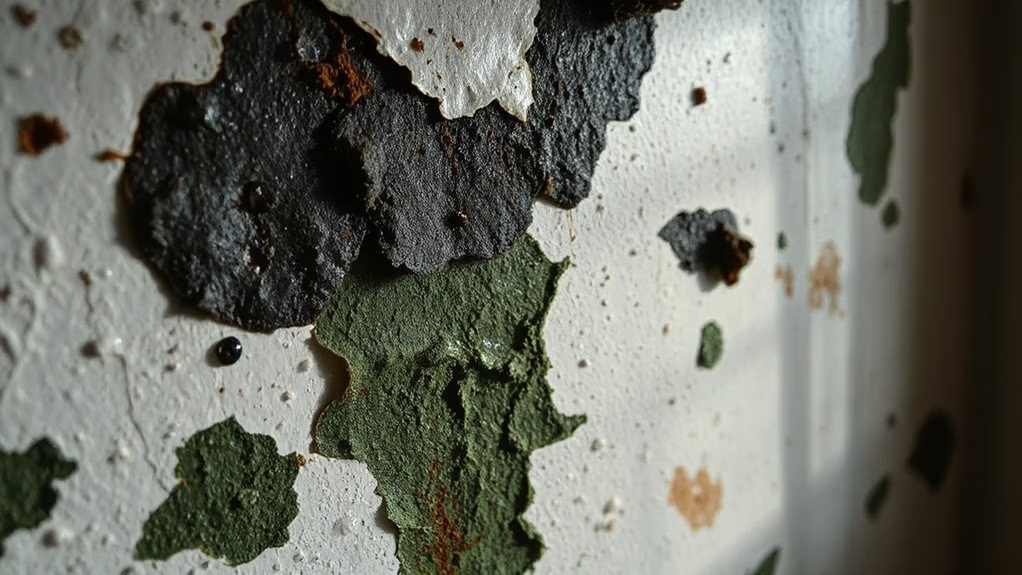
You’ve got to pay attention when your home’s trying to tell you somethin’. That musty smell creeping through your basement? Those brownish stains on your ceiling? They’re whispering warnings you can’t afford to ignore. Notice yourself sneezing more at home or feeling stuffy indoors? Your walls might be soft or warped where moisture’s been hiding. Don’t brush these signs aside—they’re your home’s way of asking for help. Understanding what each signal means could save you from serious trouble down the road.
Key Takeaways
- Musty odors in specific areas indicate established mold releasing spores that pose health risks.
- Yellow or brown water stains on walls and ceilings signal hidden moisture problems requiring intervention.
- Soft, crumbling drywall or peeling paint suggests mold activity behind the surface layer.
- Persistent sneezing, coughing, and itchy eyes that improve away from home indicate mold presence.
- Soft patches or warped wall sections reveal moisture damage requiring professional assessment and remediation.
Musty Odors and Unusual Smells

How many times have you walked into a room and caught a whiff of something that didn’t quite sit right with you? That musty smell—earthy and stale—often signals trouble lurking behind your walls.
Mold produces a distinctive odor that your nose catches before your eyes do. You’ll notice it in basements, bathrooms, or around windows where moisture collects. If you’re catching whiffs in one particular spot repeatedly, that’s your warning bell ringing.
Don’t ignore these smells. They’re your home’s way of telling you something’s wrong. The odor means mold’s already established itself, releasing spores into your air. What starts as a peculiar scent can become a health concern for you and your family, especially those with allergies or respiratory issues.
Don’t ignore musty odors—they signal mold’s already established, releasing harmful spores throughout your home and threatening your family’s health.
Trust your instincts. When something smells off, investigate. Check walls, insulation, and hidden corners. Early detection saves you heartache and money down the road.
Water Stains and Discolored Walls

While musty odors alert your senses, water stains and discolored walls show you the evidence plain as day. You’ll notice dark patches or brownish streaks creeping across your drywall, telling a story of moisture that’s been working behind the scenes.
Pay attention to these telltale signs:
- Yellow or brown staining that spreads across walls and ceilings, indicating water’s traveled through your home
- Soft, crumbling drywall that loses its integrity when you touch it, signaling mold’s been feeding there
- Peeling paint or wallpaper that bubbles away from the wall, betraying hidden dampness underneath
Don’t brush these off as cosmetic issues. Your walls are speaking to you, revealing what you can’t see beneath the surface. That discoloration isn’t just unsightly—it’s your home’s way of asking for help. Trust what you’re seeing and act on it before the problem deepens.
Allergic Reactions and Respiratory Symptoms From Mold
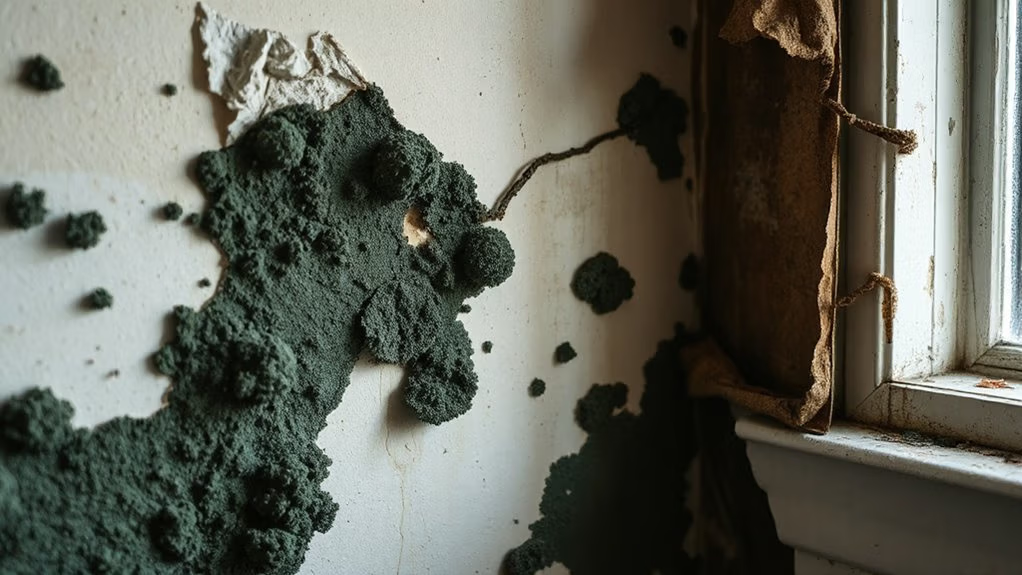
Beyond what you can see on your walls, mold’s working on something far more intimate—your body’s own defense system. When you’re breathing in mold spores daily, your immune system fights back, and you’ll notice it firsthand.
You might start sneezing more than usual or develop a persistent cough that won’t quit. Your eyes could feel itchy and watery, your nose perpetually stuffy. Some folks experience wheezing or shortness of breath, especially if they’ve got asthma or allergies already.
The tricky part? These symptoms mimic common colds, so you might dismiss them. But here’s what matters: if you’re feeling worse at home and better elsewhere, mold’s likely the culprit.
Don’t brush this aside. Your body’s telling you something needs attention. Hidden mold in your walls isn’t just a structural problem—it’s a health concern worth taking seriously.
Soft Spots or Walls That Feel Warped
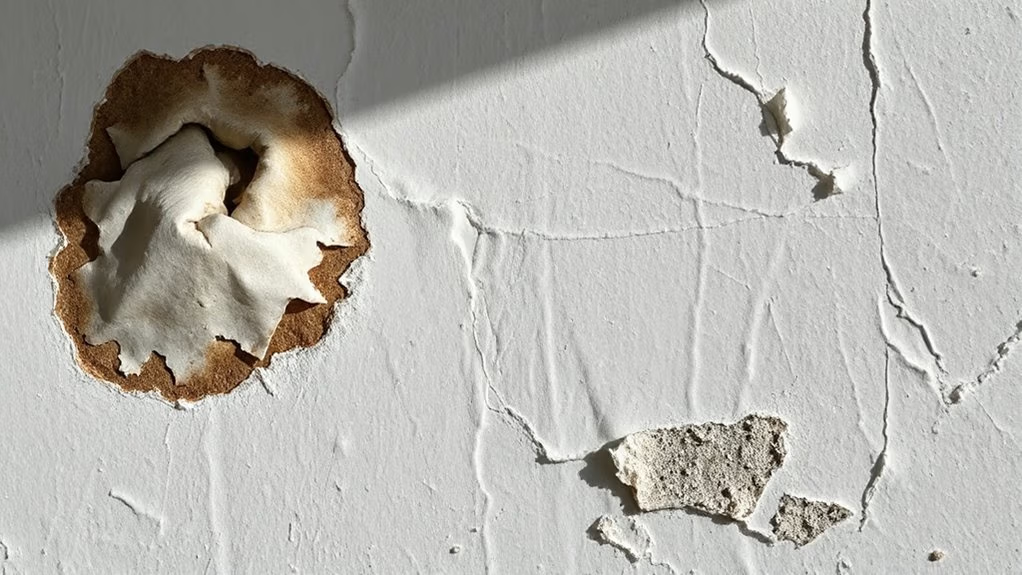
Your walls might start telling you stories you’d rather not hear. When mold takes root behind your drywall, it weakens the structural integrity, and you’ll notice physical changes that demand your attention.
When mold hides behind your drywall, it weakens your home’s structural integrity and demands immediate attention.
Pay close attention to these telltale signs:
- Soft patches that feel spongy when you press them, indicating moisture damage beneath the surface
- Warped or buckled sections where walls bow outward or curve unnaturally
- Crumbling drywall that crumbles easily when touched, revealing deterioration
These symptoms don’t lie. Your walls are struggling under the weight of hidden moisture and fungal growth. What starts as a small soft spot can spread rapidly, compromising your home’s foundation and safety. Don’t dismiss these warning signs as minor cosmetic issues—they’re your walls’ way of asking for help before serious damage occurs. Address them promptly by identifying the moisture source and calling professionals who can assess the extent of mold contamination and recommend proper remediation.
Confirming Mold: When to Call a Pro
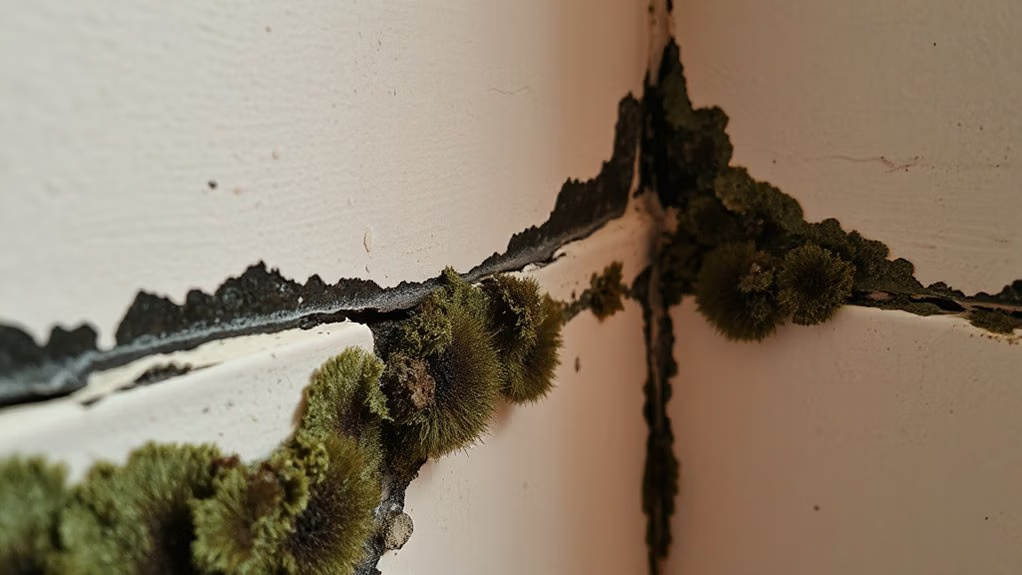
Once you’ve spotted those telltale signs of damage, it’s time to stop guessing and start getting answers. You can’t fix what you don’t fully understand, and mold’s got a sneaky way of hiding where your eyes can’t reach.
That’s when you call in a professional. A certified inspector‘ll use moisture meters and thermal imaging to see what’s really happening behind your walls. They’ll identify the mold type and extent—information you genuinely need before making any moves.
Don’t let pride keep you from picking up that phone. What seems like a small spot today could be a costly problem tomorrow. These experts’ve seen it all, and they won’t judge your home’s condition. They’ll give you honest answers about whether you’re dealing with a quick fix or something more serious.
Your health and your home deserve that certainty.
Conclusion
You can’t put all your eggs in one basket when it comes to your home’s health. If you’re noticing musty smells, stains, or feeling under the weather, don’t ignore those whispers. Your walls are talking to you, honey. Trust your gut and call a professional before mold takes root deeper. Your family’s safety and your peace of mind are worth that one phone call. Act now, breathe easy later.