You’ll spot Lyme disease’s calling card within three to thirty days of a tick bite—usually that telltale bullseye rash creeping across your skin. But don’t ignore the flu-like symptoms either: fever, chills, fatigue, and achy joints that won’t quit. Some folks never see a rash, just persistent tiredness and headaches. The trick? Catch it early and antibiotics can stop it cold. Wait too long, though, and you’re looking at chronic pain and lingering complications that’ll test your patience.
Key Takeaways
- Flu-like symptoms including fever, chills, fatigue, muscle aches, and headaches typically appear 3-30 days after a tick bite.
- A circular bullseye rash (Erythema Migrans) may develop 3-30 days post-infection, starting small and expanding outward without pain or itching.
- Migratory joint pain that moves from joint to joint can resemble post-exercise soreness and may accompany other systemic symptoms.
- Persistent fatigue, headaches, and swollen lymph nodes near the tick bite site may occur alongside fever and muscle aches.
- Seek immediate medical care for any unusual symptoms following a tick bite, especially if a bullseye rash or extended flu-like symptoms develop.
The Circular Rash (Erythema Migrans): Your First Visual Warning

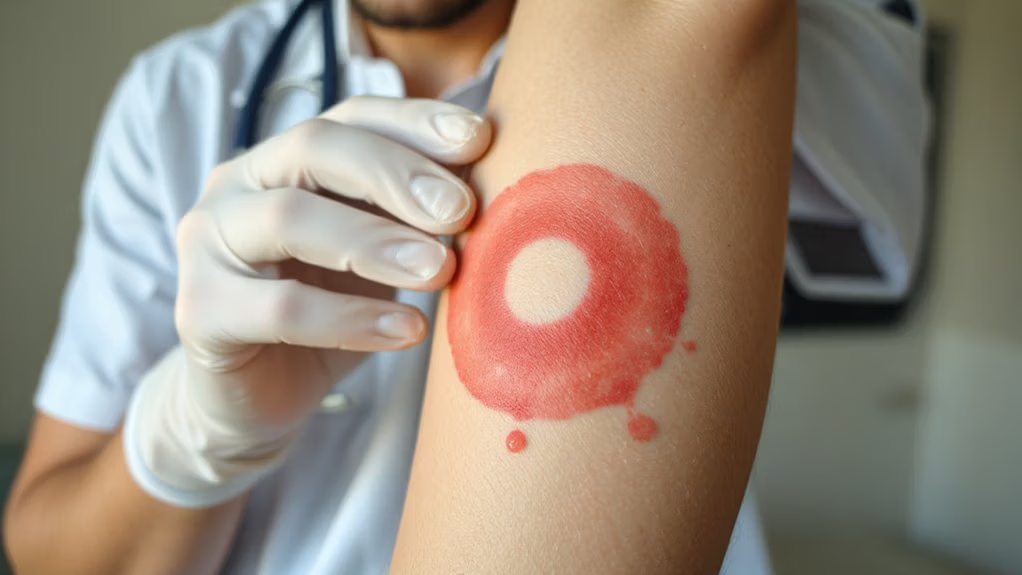
One of the telltale signs of Lyme disease is a rash that starts small and spreads outward in a circular or bullseye pattern—and if you spot it on your skin, don’t ignore it. This rash, called erythema migrans, typically appears three to thirty days after a tick bite, though you might not remember the bite itself.
The rash doesn’t hurt or itch, which makes it easy to overlook. You’ll notice it expanding gradually from the bite site, sometimes reaching several inches across. The classic bullseye appearance—a red outer ring with clear skin in the middle and a red center—isn’t always present; some folks develop a solid red patch instead.
Here’s the important part: you don’t need to wait for other symptoms. If you catch this rash early and start antibiotics, you’ve got a genuine shot at preventing the disease from progressing. Trust your instincts and see your doctor promptly.
How Quickly Do Early Lyme Symptoms Appear?

When you’re bitten by an infected tick, how fast do you actually feel something’s wrong?
The truth is, you’ve got a window—usually three to thirty days—before your body starts screaming about it. Most folks notice symptoms between seven and fourteen days after infection, though some don’t catch on for weeks.
You’ve got a window of three to thirty days before symptoms hit—most people notice them within seven to fourteen days of infection.
Here’s the thing: your body doesn’t announce Lyme disease with fanfare. You might wake up with flu-like aches, fever, and chills that feel like any other bug you’ve picked up. That circular rash we talked about earlier? It often appears first, sometimes while you’re still feeling fine otherwise.
The real kicker is that early symptoms mimic common illnesses so well, you might dismiss them as seasonal flu. That’s exactly what makes timing essential. If you remember a tick bite or find yourself mysteriously feverish after outdoor activities, don’t wait around hoping it’ll pass.
Early Fever, Chills, and Malaise

The fever and chills that follow a tick bite aren’t your body’s way of being subtle. You’ll likely experience what feels like the flu—your temperature climbing, your teeth chattering despite bundling under blankets. This malaise settles in like an unwelcome houseguest, sapping your energy and making even simple tasks feel monumental.
What makes these symptoms tricky is that they’re common to dozens of illnesses. You might chalk it up to a seasonal bug and push through. But here’s the thing: if you’ve been outdoors in tick country and these symptoms appear alongside other oddities—especially that telltale rash—your body’s sending a message worth heeding.
Don’t ignore your gut. Those early fevers and chills deserve attention, particularly if you can’t shake them within a few days. Getting tested early makes all the difference in treatment success.
Joint and Muscle Aches in the First Few Weeks
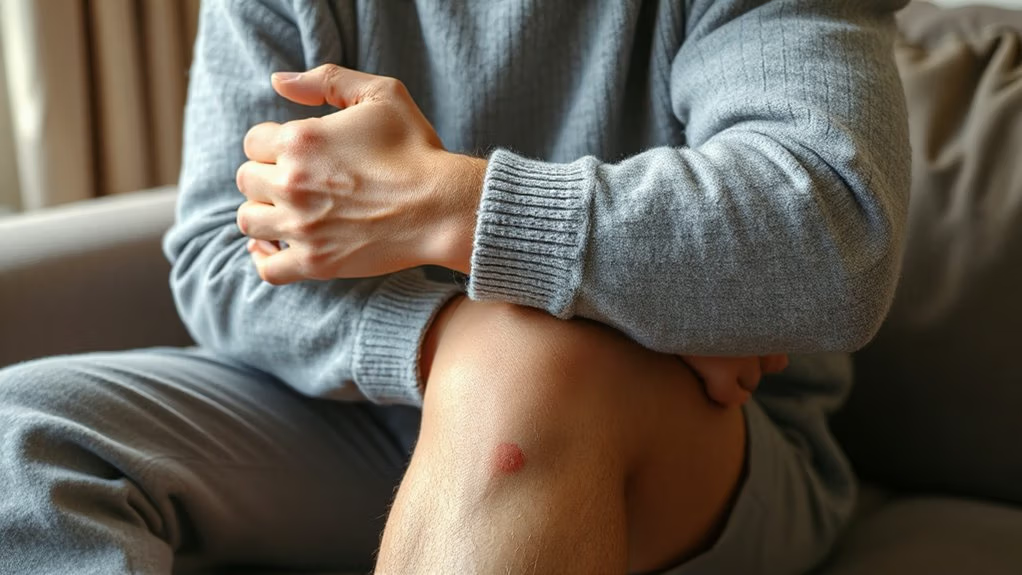
You’ll likely notice your joints and muscles start aching within the first couple weeks, and here’s the thing—these pains don’t stay put in one spot like a stubborn bruise. Your soreness tends to wander from your knees to your shoulders to your hips, making you feel like you’re coming down with the flu, except the inflammation pattern’s far too shifty for that. Pay attention to where it hurts and when, because understanding this migratory ache can help you spot Lyme early.
Migratory Pain Patterns
As Lyme disease settles into your body, you might notice something peculiar happening with your aches and pains—they don’t stay put. One day your knee’s throbbing; the next, your shoulder’s acting up. This wandering discomfort is a hallmark of early Lyme infection.
You’re experiencing what doctors call migratory pain—symptoms that shift from joint to joint, muscle to muscle. It’s like your body’s playing a game of musical chairs with the soreness. Unlike typical arthritis that plants itself in one spot, Lyme’s pain roams around.
Pay attention to this pattern. If you’re noticing aches that migrate and you remember a tick bite or rash from weeks prior, don’t brush it off. That roving pain, combined with other early symptoms, warrants a conversation with your doctor.
Muscle Soreness Timeline
While that telltale rash might grab your attention, it’s often the creeping muscle soreness that’ll really get you wondering if something’s wrong. Within the first few weeks of infection, you’ll likely notice your joints and muscles aching in ways that feel different from a typical flu.
Your body’s responding to the spirochete bacteria, and that response manifests as persistent, sometimes migratory discomfort. You might wake up with a sore shoulder, only to have your knees start talking by afternoon. The soreness isn’t usually sharp; it’s more that dull, nagging ache that makes everyday movements feel heavier.
Pay attention if this aching lingers beyond a week or two, especially alongside fatigue and fever. That combination’s worth discussing with your doctor, particularly if you’ve been outdoors in tick-prone areas.
Joint Inflammation Characteristics
One thing that catches folks off guard is how the inflammation doesn’t follow a predictable pattern—it’s got a mind of its own, shifting from joint to joint like it can’t quite settle down. You might wake up with your knee throbbing, then by evening, your wrist’s the problem. This wandering pain typically hits within the first few weeks after infection, sometimes even before the rash appears.
The discomfort you’re experiencing isn’t your everyday ache—it’s often accompanied by swelling and stiffness that makes moving around feel like you’re working against resistance. Your joints might feel warm to the touch. If you’re noticing this kind of unpredictable joint inflammation combined with other early symptoms, don’t brush it off. Getting tested early makes all the difference.
Why Early Lyme Disease Drains Your Energy

When Lyme disease takes hold, your body wages an invisible war that’ll leave you feeling hollowed out and bone-tired. Your immune system‘s working overtime fighting the spirochete bacteria, burning through your energy reserves like a wildfire through dry brush.
Here’s what’s happening: inflammation spreads throughout your system, forcing your body to redirect resources toward battling the infection. Your cells aren’t operating at peak efficiency, and that takes a toll. You might find yourself sleeping ten hours and still waking up exhausted, or struggling to climb stairs that once felt effortless.
The fatigue isn’t laziness or weakness—it’s your body’s honest response to genuine biological stress. Many folks describe it as a heaviness that coffee won’t touch. You’re fighting bacteria at the cellular level, and that invisible battle demands real energy. Understanding this helps you extend yourself grace during recovery.
When Early Symptoms Don’t Include a Rash

You might think you’re fighting off the flu when Lyme disease hits you without that telltale bull’s-eye rash—fever, chills, and bone-deep fatigue can sneak up on you just the same. Your body’s sending distress signals through achiness, headaches, and that dragging exhaustion that won’t quit, even though your skin looks perfectly normal. That’s the tricky part about early Lyme: the rash gets all the attention, but plenty of folks never see one while their systems already suffer from the infection’s grip.
Flu-Like Symptoms Emerge First
Not every Lyme disease case announces itself with the telltale bull’s-eye rash. You might find yourself battling what feels like the flu without ever seeing that distinctive mark. Your body’s way of fighting the infection shows up differently, and that’s when you’ve got to pay attention.
| Symptom | Timeline |
|---|---|
| Fever | Days 3-7 |
| Fatigue | Days 1-14 |
| Muscle aches | Days 3-10 |
| Headaches | Days 2-8 |
You’re likely experiencing chills that won’t quit and a bone-deep tiredness that coffee can’t touch. Your joints might ache, and you’ve got a headache that lingers. These symptoms sneak up gradually, making you think you’re just under the weather. That’s why catching Lyme disease early matters—recognizing these flu-like warning signs lets you seek treatment before complications develop.
Systemic Signs Without Rash
Sometimes the bull’s-eye rash never shows up, yet Lyme disease‘s fingerprints are all over your body anyway. You might develop a fever, chills, or fatigue that won’t quit. Your joints could ache like you’ve worked a full day in the fields, and your muscles might feel heavy and sore. Headaches that linger are another telltale sign. Some folks experience swollen lymph nodes near the tick bite, though they dismiss it as nothing serious. You could also feel nauseous or notice sensitivity to light. These systemic symptoms can sneak up gradually or hit hard all at once. Don’t brush them aside just because there’s no rash. If you’ve been in tick territory and you’re feeling this way, get tested.
When to Seek Care for Early Lyme Disease
If a tick’s bitten you and you’re noticing a rash or flu-like symptoms, don’t sit around wondering whether it’ll pass on its own—head to your doctor.
Early intervention makes all the difference with Lyme disease. Here’s what shouldn’t wait:
- You’ve found a tick and developed any unusual symptoms within weeks—even if you’re not sure they’re connected
- A bull’s-eye rash appears anywhere on your body, regardless of where the tick attached
- Flu-like symptoms persist longer than typical, accompanied by joint aches or unexplained fatigue
Your doctor can run tests and start antibiotics if needed. Caught early, Lyme disease responds well to treatment. Letting it linger risks serious complications—joint inflammation, nerve damage, and heart problems down the road.
Trust your gut. If something feels off after a tick bite, it’s worth getting checked out. You know your body best.
How Early Antibiotics Stop Lyme Disease From Progressing

Antibiotics work like a well-timed intervention—they catch the Borrelia burgdorferi bacteria before it’s had a chance to settle in and wreak havoc on your joints, nerves, and heart. Think of it like stopping a small fire before it spreads through your house.
When you start treatment early, you’re fundamentally nipping the infection in the bud. Drugs like doxycycline kill off the bacteria while they’re still concentrated in your skin and bloodstream. You’re not giving them time to migrate deeper into your body’s tissues.
Early antibiotic treatment kills Borrelia burgdorferi bacteria before they migrate deeper into your body’s tissues.
Here’s the thing: the longer you wait, the harder the bacteria dig in. They can burrow into your joints, causing chronic arthritis, or damage your nervous system, leading to persistent pain and fatigue. Early antibiotics prevent these complications from ever taking root.
You’ve got a real window of opportunity here. Start treatment within the first few weeks, and you’ll likely avoid the long-term problems that make Lyme disease so miserable.
Conclusion
You’d think a tiny tick couldn’t humble you, but here you are—sweating through sheets, your joints screaming like rusty hinges. That bull’s-eye rash you’re hoping won’t show up? Sometimes it doesn’t, which is cruelly ironic when you need it most as your warning sign. So catch those early whispers before they become shouts. Your doctor’s antibiotics today beat months of regret tomorrow, friend.