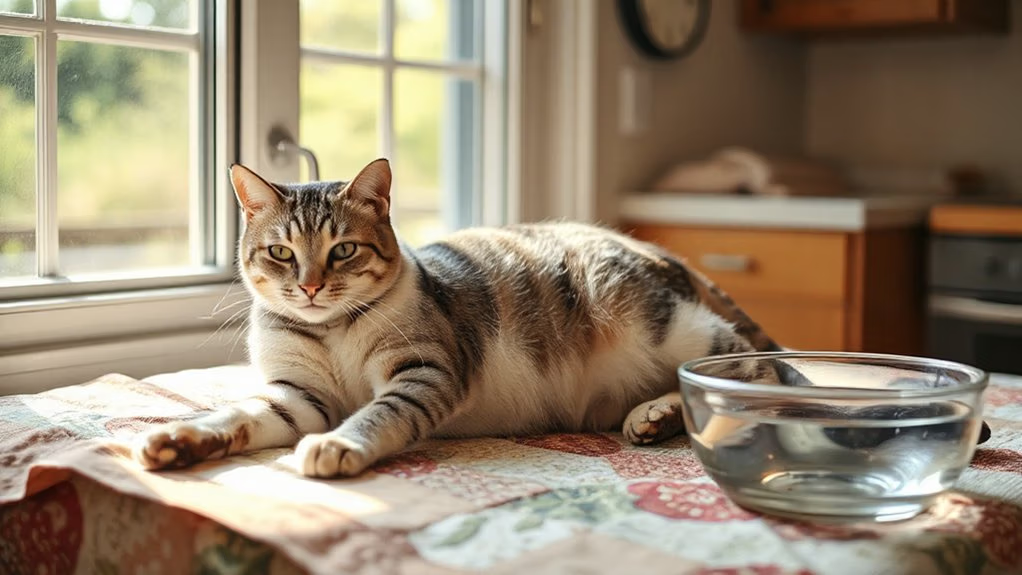
You’ve likely noticed your cat’s drinking habits changing or extra trips to the litter box. Maybe you’re seeing weight loss despite normal eating, a dull coat, or unusual lethargy. Bad breath, mouth ulcers, vomiting, and lost appetite are red flags too. Early detection truly makes a difference in managing kidney disease effectively. Blood work from your vet confirms what’s happening, and understanding those results helps you advocate for your cat’s comfort and health moving forward.
Key Takeaways
- Increased thirst and frequent urination, sometimes with wet fur around the rear end, signal potential kidney dysfunction.
- Weight loss despite normal eating occurs when kidneys fail to process nutrients effectively.
- Dull, thin coat with excessive shedding indicates declining health and kidney disease progression.
- Bad breath, mouth ulcers, lethargy, and withdrawal from activity suggest advanced kidney issues requiring immediate veterinary attention.
- Loss of appetite, vomiting, and refusing meals indicate uremic toxins accumulating and poisoning stomach tissues.
Increased Thirst and Frequent Urination: Early Signs of Kidney Disease

When your cat’s kidneys aren’t working properly, they can’t concentrate urine the way they should, so your feline friend’ll need to drink more water and use the litter box more often. These changes might seem subtle at first, but they’re worth paying attention to.
You’ll notice your cat heading to the water bowl more frequently throughout the day. They might also spend extra time in the litter box or make more trips than usual. Some folks miss these signs because cats are naturally independent, but keeping an eye on their bathroom habits pays off.
If your cat’s normally self-sufficient about grooming, increased urination can lead to wet fur around the rear end too. Don’t dismiss these behaviors as quirks. Early detection of kidney disease makes a real difference in your cat’s quality of life and treatment options available to you both.
Weight Loss Despite Eating Normally in Cats With Kidney Disease

One puzzling symptom that catches many cat owners off guard is weight loss that happens even though your cat seems to be eating just fine. You’re putting food in the bowl, your kitty’s gobbling it up, yet she’s getting skinnier by the week. What’s going on?
When kidneys aren’t functioning properly, your cat’s body can’t process nutrients efficiently. Even though she’s consuming calories, her body isn’t absorbing or utilizing them the way it should. Additionally, kidney disease often causes nausea and a loss of appetite suppressant control, making your cat feel hungrier than normal while simultaneously preventing proper digestion.
This weight loss combined with continued eating is a red flag worth investigating. If you’ve noticed your cat dropping pounds despite maintaining normal eating habits, don’t wait around hoping it’ll pass. Schedule a vet appointment soon. Early intervention makes a real difference.
Dull, Thin Coat and Excessive Shedding
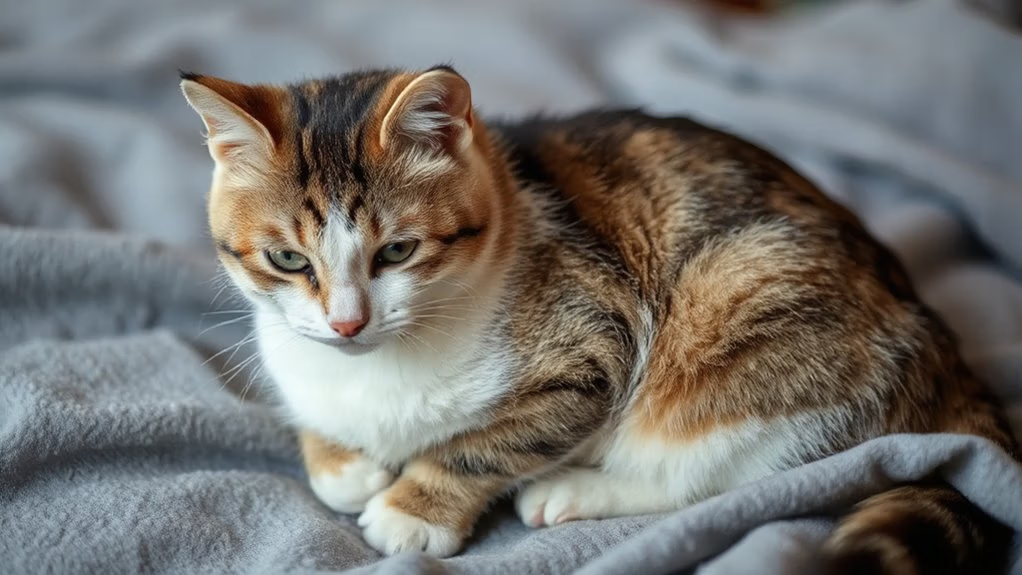
Your cat’s coat tells you a lot about what’s happening inside her body, and kidney disease often shows up first in her fur. When your cat’s kidneys aren’t working properly, she can’t retain enough nutrients and moisture, and her coat suffers as a result.
You might notice her fur looking duller than usual or feeling thinner when you pet her. She may shed more than she normally does, leaving extra hair on your furniture and clothes. Sometimes you’ll see bald patches or areas where her coat looks matted and unkempt, even if she’s typically a fastidious groomer.
These changes happen because kidney disease affects her body’s ability to maintain healthy skin and hair. The condition also causes dehydration, which directly impacts coat quality. If you’re seeing these signs alongside other symptoms, it’s time to get your kitty to the vet for a checkup.
Lethargy and Loss of Interest in Activity
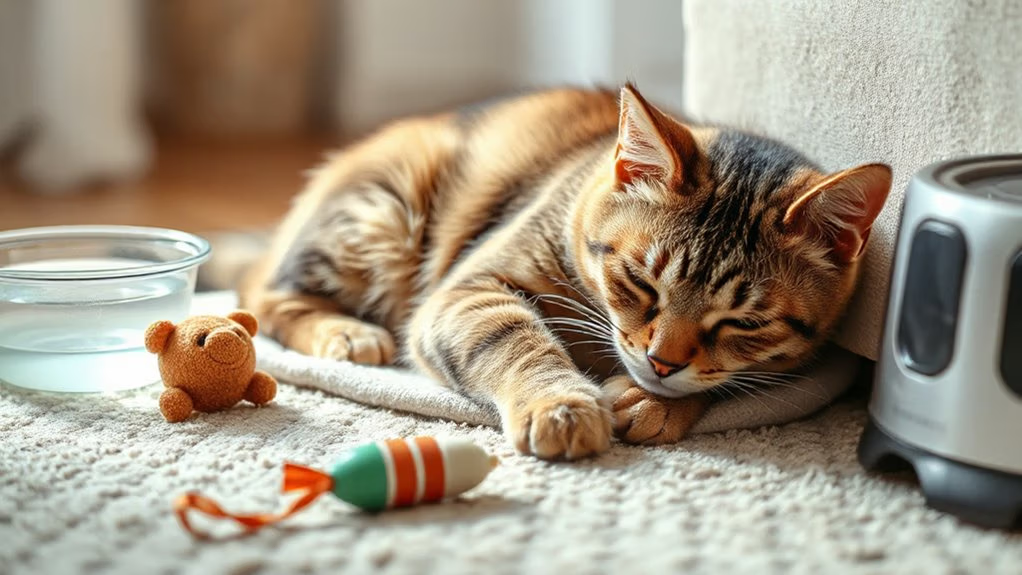
Beyond the physical changes you’ll spot in her coat, kidney disease often shows up in how your cat acts and moves through her day. You might notice your normally playful companion sleeping more than usual or showing little interest in activities she’d once loved.
| Activity Level | Healthy Cat | Kidney Disease Cat |
|---|---|---|
| Playtime | Engages regularly | Avoids or tires quickly |
| Sleep patterns | 12-16 hours daily | Excessive, listless sleep |
| Interaction | Seeks attention | Withdraws, isolates |
| Movement | Purposeful, energetic | Slow, deliberate, stiff |
When kidneys aren’t functioning properly, toxins build up in her bloodstream, leaving her feeling drained and uncomfortable. She might struggle to jump on furniture or seem uninterested in favorite toys. This lethargy creeps in gradually, so you’ll need to pay close attention to shifts in her routine. If you’re seeing less enthusiasm combined with that coat change, it’s time to schedule a vet visit.
Bad Breath and Mouth Ulcers in Cats
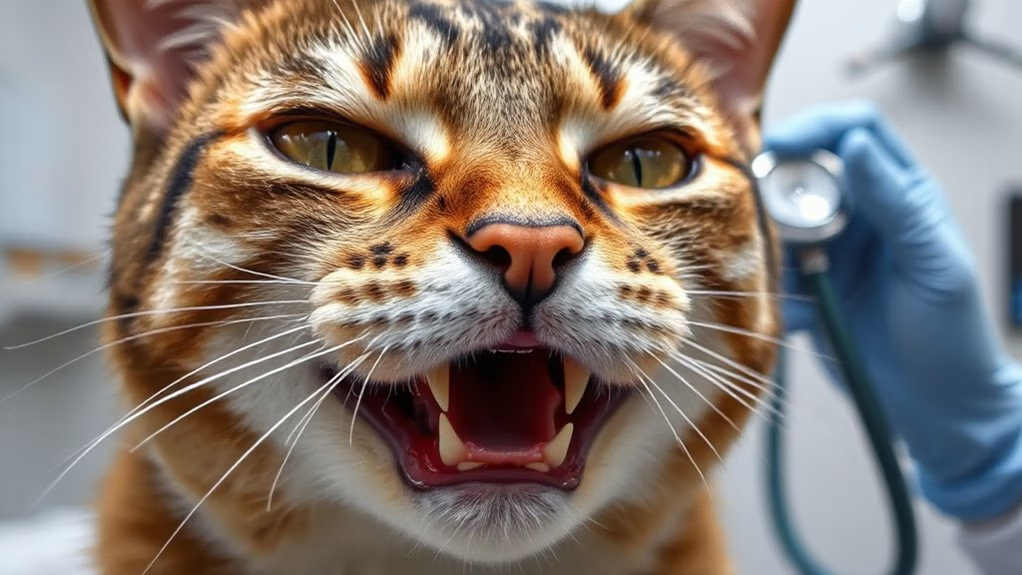
When your cat’s kidneys aren’t working right, you’ll notice their breath smelling unusually foul because uremia—a buildup of waste in the blood—damages their mouth and gums. You might spot painful ulcers on their tongue, gums, or lips, which’ll make them reluctant to eat or groom themselves. Getting a handle on these oral issues early means treating the underlying kidney disease and working with your vet on ways to ease your cat’s mouth discomfort.
Uremia’s Effect on Oral Health
As kidney disease progresses, waste products build up in your cat’s bloodstream—a condition called uremia—and it’ll start affecting their mouth in ways you can’t miss.
When uremia takes hold, you’ll notice:
- A chemical or ammonia-like smell on your cat’s breath that’s unmistakable and concerning
- Painful ulcers forming inside their mouth, making eating difficult and distressing
- Swollen, inflamed gums that bleed easily when your cat tries to eat
- Your once-affectionate cat pulling away from you because their mouth hurts
These oral changes aren’t just cosmetic problems—they’re your cat’s body sending distress signals. The toxins circulating through their system are literally poisoning their mouth tissue. If you’re seeing these signs, your cat needs veterinary care now. Early intervention can help manage symptoms and keep your furry friend more comfortable.
Recognizing Mouth Ulcer Symptoms
How can you tell if your cat’s bad breath is just a minor issue or something more serious? Look inside your cat’s mouth regularly—you’ll want to spot any red, swollen areas or ulcers early on. These sores typically appear on the gums, tongue, or inside the cheeks and cause your cat real discomfort.
You might notice your cat drooling more than usual or pawing at their mouth. They’ll often eat more slowly or show less interest in food altogether. Some cats become withdrawn when mouth pain sets in.
The bad breath you’re detecting isn’t just unpleasant—it’s your cat telling you something’s wrong. If you see ulcers or notice behavioral changes around eating, contact your vet promptly. These symptoms warrant professional evaluation to rule out kidney disease progression.
Treating Bad Breath in Cats
Once you’ve spotted the problem, there’s plenty you can do to help your cat feel better.
Bad breath in cats often signals kidney disease, but you can take action. Here’s what’ll make a real difference:
- Schedule a vet visit immediately – your cat needs professional evaluation and bloodwork to confirm kidney function
- Switch to kidney-friendly food – specialized diets reduce waste buildup and ease your cat’s burden
- Increase water intake – encourage hydration through wet food, fountains, or broth to flush toxins
- Brush teeth gently – regular oral care prevents secondary infections and improves comfort
Your vet might recommend medications or supplements tailored to your cat’s condition. Don’t delay seeking help—early intervention makes a substantial difference in your cat’s quality of life and longevity.
Vomiting and Appetite Loss as Kidney Disease Progresses
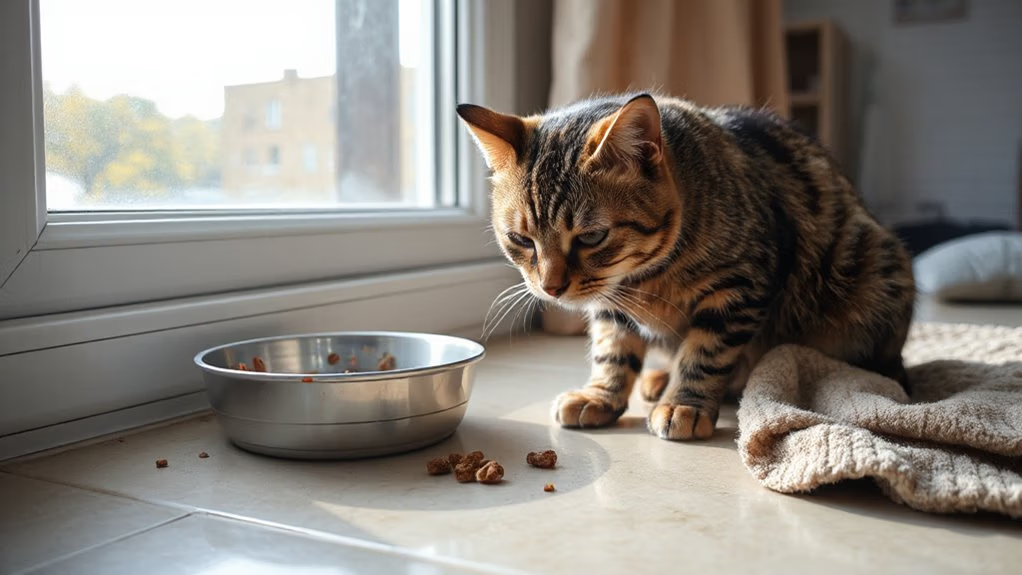
As your cat’s kidneys struggle to filter waste, you’ll likely notice she’s vomiting more often—her body’s way of dealing with the toxins building up in her system. You might also see her turning her nose up at meals she’d normally devour, which happens because those same waste products make food taste off and upset her stomach. Together, these changes signal that her kidney disease is progressing and warrant a conversation with your vet about next steps.
Why Vomiting Occurs
When your cat’s kidneys aren’t filtering waste properly, toxins build up in their bloodstream and irritate the stomach lining, triggering nausea and vomiting.
It’s heartbreaking to watch your furry friend suffer through this uncomfortable symptom. Here’s what’s happening in their body:
- Uremic toxins accumulate and poison the stomach’s delicate tissues
- Your cat feels constantly queasy, losing interest in meals they once loved
- Repeated vomiting weakens their body and depletes essential nutrients
- The cycle worsens as dehydration sets in, straining kidneys further
You’re not imagining it if your cat seems miserable. This vomiting isn’t just an upset stomach—it’s a red flag that their kidneys are struggling. The good news? Early detection and veterinary care can help manage these symptoms and improve your cat’s quality of life markedly.
Declining Food Interest
Because your cat’s kidneys can’t properly regulate their body’s chemistry, their appetite naturally suffers—and it’ll likely get worse over time. You’ll notice your kitty picking at meals they’d normally gobble up or turning their nose away entirely.
This happens because kidney disease allows toxins to build up in their bloodstream, making food taste off or leaving them feeling queasy. Combined with the nausea from vomiting, your cat simply loses interest in eating. It’s a frustrating cycle that’ll worry you, especially when you see them getting thinner.
Pay attention to how much they’re actually consuming. If your cat’s skipping meals or eating considerably less than usual, it’s important to mention to your vet—it’s often one of the clearest signals that kidney trouble‘s progressing.
Blood Work and Diagnosis: What to Expect at Your Vet
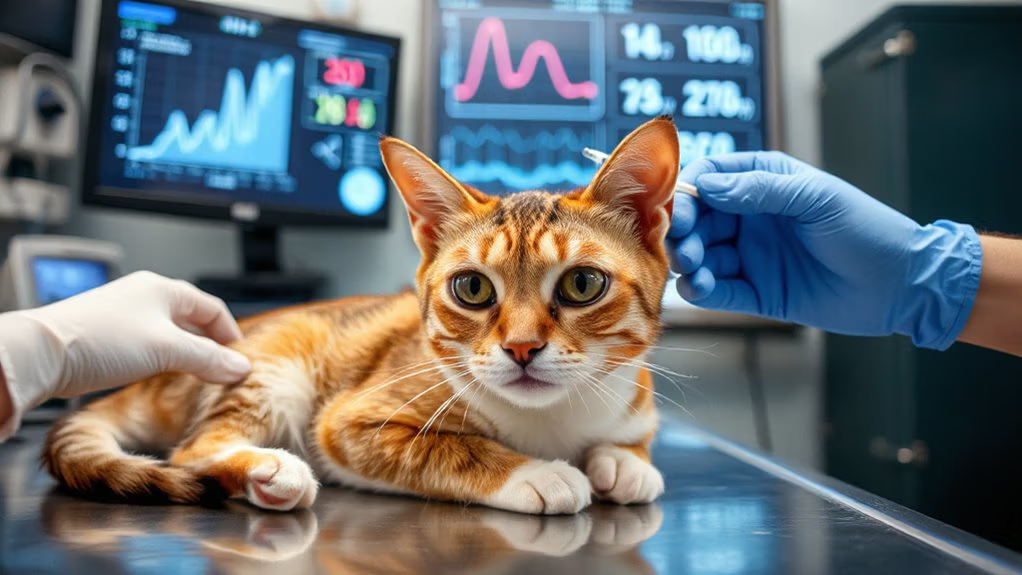
If you’ve noticed your cat showing signs of kidney disease, your vet’ll likely recommend blood work to get a clear picture of what’s going on.
During this visit, your vet draws blood samples to measure kidney function markers like creatinine and BUN levels. These numbers tell you how well your cat’s kidneys are filtering waste. You’ll also get results showing electrolyte balance and other essential indicators.
Here’s what you’re looking at:
- Elevated creatinine and BUN readings confirming kidney damage
- Abnormal potassium levels affecting your cat’s heart health
- Low red blood cell counts causing weakness and lethargy
- Phosphorus imbalances requiring dietary management
Your vet’ll explain these results clearly and discuss treatment options tailored to your cat’s stage of disease. Early detection through blood work gives your feline companion the best shot at managing this condition effectively. Don’t hesitate asking questions—you’re your cat’s best advocate.
Conclusion
You’ll notice these signs pop up just when you’re wondering if something’s off with your furry friend. That dull coat, the extra trips to the litter box, the way they’re not quite themselves—they’re all connected. It’s coincidence how these symptoms cluster together, pointing toward kidney trouble. Don’t ignore ’em. Get your cat to the vet, catch it early, and you’ll give your beloved companion the best shot at staying healthy.