You’re likely to experience flu-like symptoms—fever, fatigue, body aches—within 2-4 weeks of exposure. But here’s what makes HIV different: you might develop a persistent rash, swollen lymph nodes in your neck or groin, or painful mouth sores that stick around longer than typical flu. Night sweats that drench your sheets and unexplained weight loss can also signal something’s brewing. The tricky part? You could have zero symptoms and still be infected. Getting tested is your only real answer, and there’s much more to understand about timing and where you can go.
Key Takeaways
- Flu-like symptoms including fever, fatigue, body aches, and sore throat typically appear 2-4 weeks after exposure.
- A non-itchy rash may develop on the chest, face, or arms within 2-3 weeks of infection.
- Swollen lymph nodes in the neck, underarms, or groin often accompany fever and other early symptoms.
- Painful mouth ulcers and persistent sore throat can occur alongside other immune response indicators.
- Night sweats and unexplained weight loss without dietary changes signal the immune system fighting the virus.
Early Flu-Like Symptoms: Fever, Fatigue, and More

When HIV first enters your body, it doesn’t announce itself with anything exotic or unusual—instead, you might notice symptoms that look almost identical to the flu.
You’ll probably experience fever, sometimes spiking to 104 degrees Fahrenheit. Your body aches creep in, making even simple movements feel exhausting. Fatigue hits hard—the kind where you’re sleeping twelve hours and still feeling drained. Your throat gets sore, swallowing becomes uncomfortable, and you might develop a rash across your trunk or face.
These symptoms typically appear two to four weeks after exposure and can last anywhere from a few days to several weeks. They’re your immune system’s way of fighting back as the virus establishes itself.
Early HIV symptoms typically emerge two to four weeks after exposure, lasting days to weeks as your immune system fights back.
Here’s the tricky part: you can’t distinguish these symptoms from actual flu without testing. Many people brush them off or assume they’ve caught a bug going around. That’s why getting tested matters if you’ve had potential exposure.
Rash and Skin Changes in Acute Infection

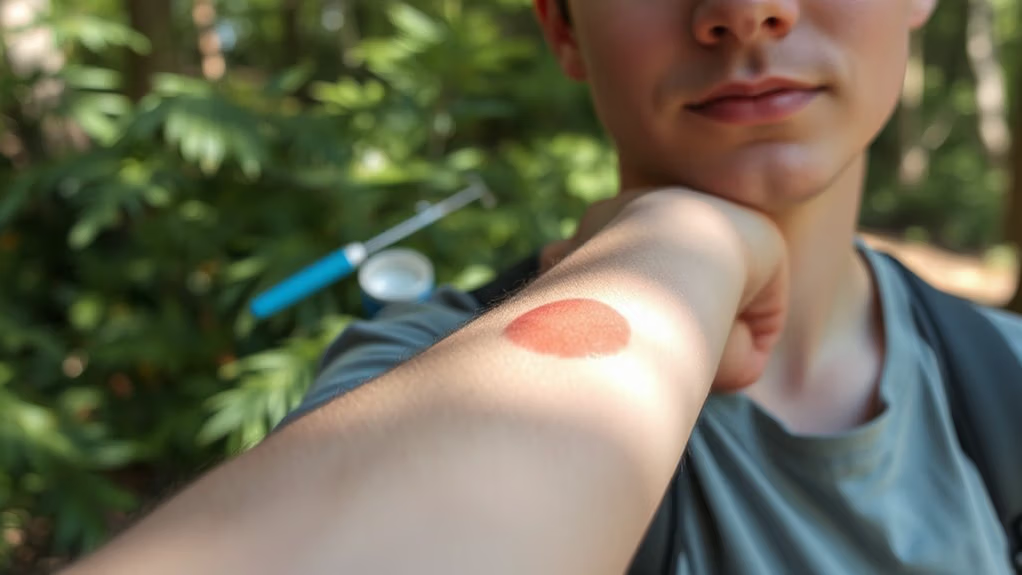
Why does a rash show up during acute HIV infection? Your immune system‘s fighting back hard against the virus, and that battle shows up on your skin. You might develop a red or pink rash that spreads across your chest, face, or arms—it typically doesn’t itch or hurt, which sometimes makes people dismiss it.
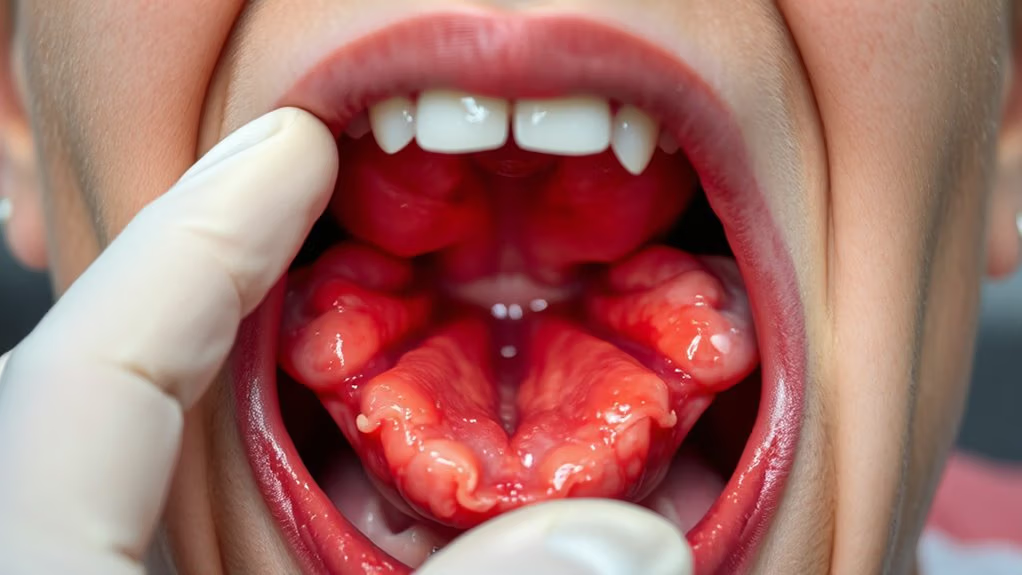
The rash usually appears within two to three weeks of infection and sticks around for a week or so. You might also notice other skin changes like mouth sores or genital ulcers. These lesions can be painful when you eat or during intimate contact.
Here’s the thing: skin changes during acute infection aren’t always obvious or severe. Some people barely notice them. That’s why they’re easy to overlook, especially when you’re already dealing with fever and exhaustion. If you’ve got unexplained rashes alongside flu-like symptoms, it’s worth getting tested.
Swollen Lymph Nodes: An Early Warning Sign
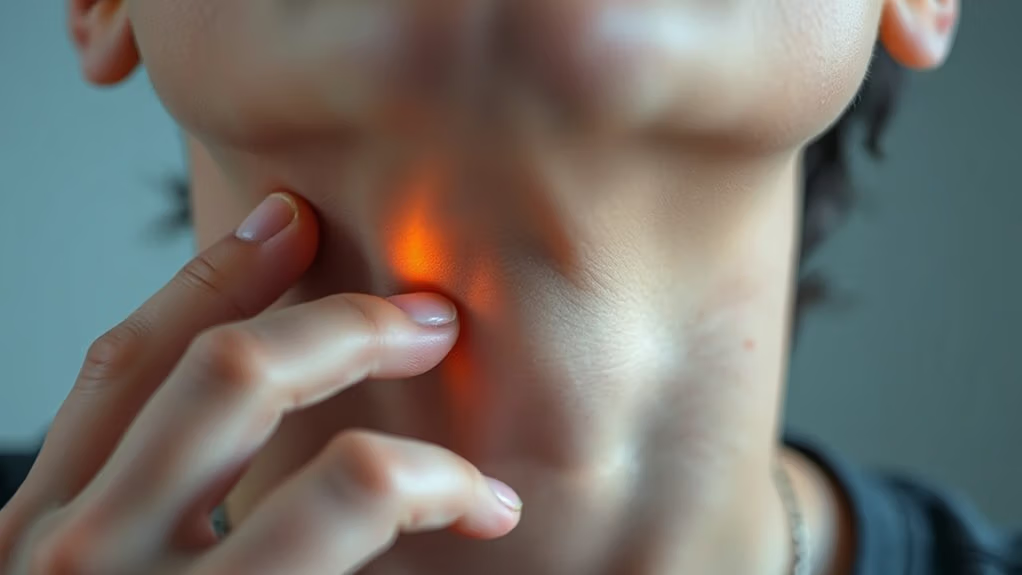
Your lymph nodes—those small, bean-shaped glands scattered throughout your neck, armpits, and groin—become your immune system’s frontline soldiers during acute HIV infection. When you’re exposed to the virus, these glands kick into overdrive, swelling as they work to fight off the invader.
You might notice lumps or bumps appearing in your neck, under your arms, or in your groin area. They’re tender to the touch and can feel uncomfortably enlarged. This swelling, called lymphadenopathy, typically shows up within two to four weeks of infection and can stick around for several weeks.
What makes this symptom tricky is that swollen lymph nodes have plenty of other causes—allergies, colds, or minor infections can trigger them too. But when paired with fever, fatigue, or that rash you’ve been noticing, it’s worth getting tested. Your body’s fighting hard, and these swollen glands are signaling that something’s going on.
Sore Throat and Mouth Ulcers
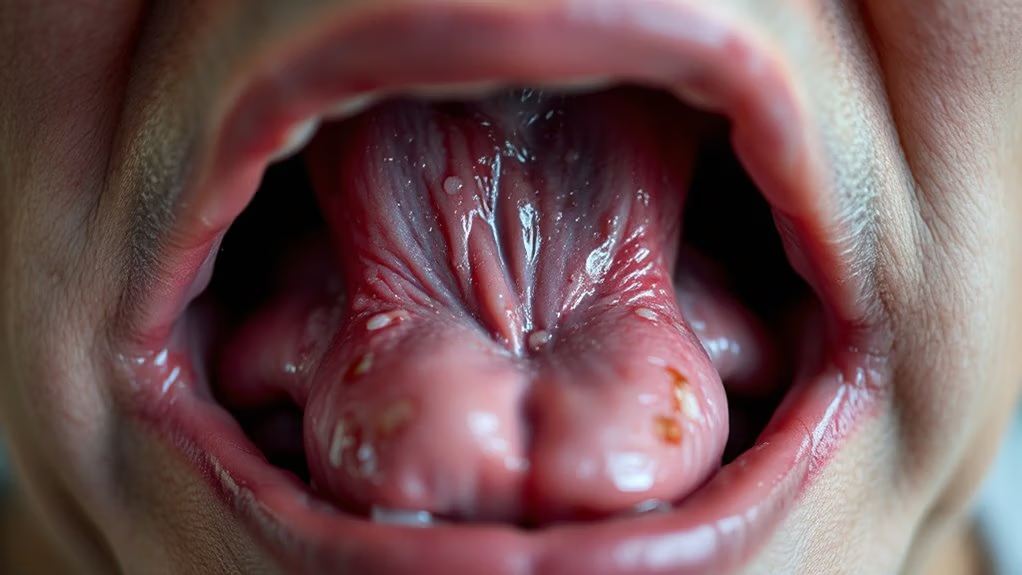
As your immune system mobilizes against HIV, you might find yourself reaching for throat lozenges or wincing every time you swallow. That persistent soreness isn’t just an annoying cold—it’s your body’s inflammatory response to the virus.
You might also notice painful ulcers dotting your mouth and throat. These aren’t your typical canker sores; they can feel deeper and more stubborn. Some people describe them as raw patches that make eating uncomfortable, especially with spicy or acidic foods.
Here’s what matters: these symptoms typically appear within two to four weeks of infection, often alongside fever and fatigue. They usually resolve on their own within a few weeks as your body reaches a temporary equilibrium with the virus.
If you’re experiencing persistent throat pain or mouth ulcers alongside other flu-like symptoms, don’t wait. Getting tested gives you answers and early treatment options that genuinely change outcomes.
Night Sweats and Unexplained Weight Loss

You might notice you’re waking up drenched in sweat even when your room’s cool, and you’d realize this isn’t your typical night sweat—it’s happening regularly and disrupting your sleep. Your clothes could start hanging looser on you, and you’d find yourself losing weight without changing your diet or exercise routine, which signals something’s off with your body’s metabolism. These symptoms typically show up within weeks to months after initial infection, making them vital early warning signs you shouldn’t ignore.
Why Night Sweats Occur
Night sweats in HIV happen because your immune system‘s battling an infection it can’t quite control. When you’re infected with HIV, your body cranks up its internal thermostat as it fights the virus. Your immune cells are working overtime, releasing chemicals called cytokines that fundamentally tell your body to heat up and sweat out toxins.
Think of it like your body’s alarm system going haywire. You’re not actually running a fever—your temperature’s normal—but your brain thinks it needs to cool you down. That’s why you’ll wake up drenched, sometimes multiple times a night. This happens because HIV hijacks your immune response, creating an inflammatory state that persists until you get treatment.
Understanding Rapid Weight Loss

When your body’s fighting HIV, it doesn’t just drain your energy—it can strip away pounds without you trying. You might notice your clothes fitting looser or stepping on the scale and seeing numbers you weren’t expecting. This happens because HIV accelerates your metabolism while simultaneously making it harder for your body to absorb nutrients properly. You could be eating normally, yet still losing weight steadily over weeks or months.
This rapid weight loss, sometimes called “wasting,” signals that your immune system’s working overtime. It’s your body fundamentally burning fuel faster than it can refuel. If you’re experiencing unexplained weight drops alongside other symptoms like night sweats or fatigue, it’s worth getting tested. Early detection makes a real difference.
Timeline of Symptom Onset
The weight loss and metabolic chaos we’ve just covered don’t show up in isolation—they’re usually part of a broader pattern that unfolds over weeks or months. Your body’s telling a story, and you’re the one reading it.
Here’s what typically happens:
- Weeks 2-4: Flu-like symptoms emerge—fever, fatigue, muscle aches
- Weeks 3-6: Night sweats intensify, sometimes drenching your sheets
- Weeks 4-8: Unexplained weight loss becomes noticeable despite normal eating
- Weeks 6-12: Symptoms may plateau or disappear temporarily (the “window period”)
This timeline varies wildly between people. Some experience everything at once; others notice symptoms staggered across months. The key? Pay attention to clusters of symptoms rather than isolated occurrences. Your body’s conversation with you matters.
The Window Period: Why Tests Might Miss Early Infection
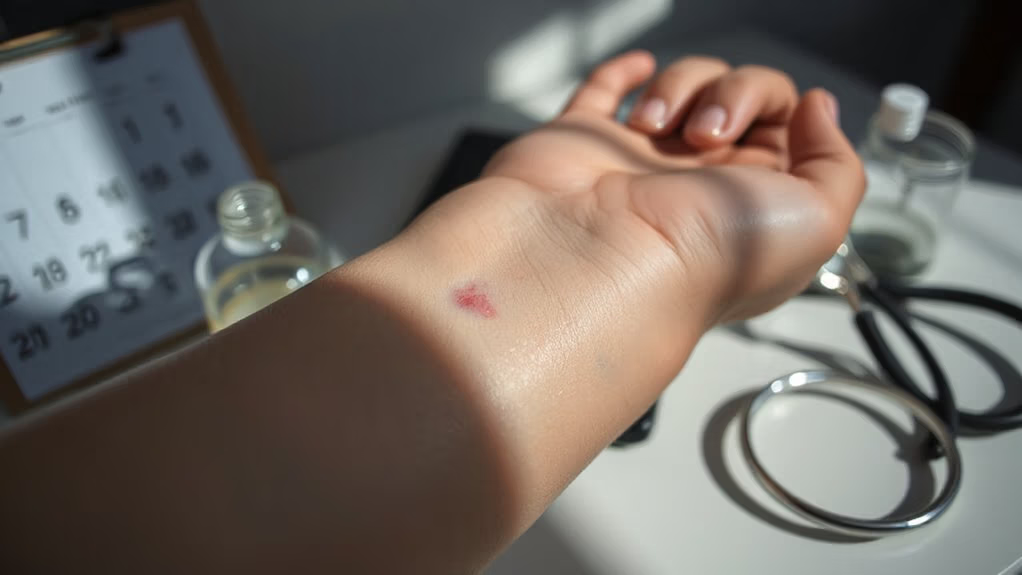
Just after you’ve been exposed to HIV, your body hasn’t yet produced enough antibodies for standard tests to detect—and that’s where things get tricky. This gap between infection and detectability is called the window period, and it’s genuinely dangerous because you could unknowingly transmit HIV to others while believing you’re negative.
| Test Type | Window Period | Reliability |
|---|---|---|
| Antibody test | 18-45 days | Standard screening |
| Antigen/antibody combo | 18-45 days | Faster detection |
| NAT (nucleic acid) | 10-33 days | Most sensitive |
During this window, you’re most contagious—your viral load peaks while your immune system’s still ramping up. Standard antibody tests won’t catch it. That’s why healthcare providers often recommend retesting after a potential exposure. If you’ve had risky contact, don’t rely on one negative result. Get tested again after the window closes to confirm your status genuinely.
Why You Might Have No Symptoms at All

You might feel completely fine while HIV’s silently establishing itself in your body, which is exactly what makes this virus so deceptive. During the window phase, your immune system hasn’t yet mounted a detectable response, so you won’t experience symptoms even though you’re carrying and can transmit the infection. This asymptomatic period—sometimes lasting weeks or even months—means you could unknowingly pass HIV to others while believing you’re perfectly healthy.
The Silent Infection Period
One of HIV’s most deceptive tricks is its ability to hide in plain sight. You might feel completely fine while the virus quietly establishes itself in your body. This silent period can last months or even years, which is why you can’t rely on how you feel to know your status.
During this time, you’re still contagious, even though you’ve got zero symptoms. Here’s what’s happening:
- The virus replicates rapidly in your bloodstream
- Your immune system hasn’t mounted a noticeable response yet
- You could unknowingly transmit HIV to partners
- Standard antibody tests might not detect infection immediately
That’s why getting tested regularly is essential if you’re sexually active. You won’t know you’re infected unless you get tested.
Understanding the Window Phase
The silent infection period we just discussed has a technical name: the window phase. Here’s what’s happening: you’ve contracted HIV, but your body hasn’t developed detectable antibodies yet. That’s why you might feel completely fine while the virus actively replicates inside you.
This phase typically lasts two to four weeks, though it can stretch longer for some folks. You’re still contagious during this time—seriously contagious—even though standard tests won’t catch the infection. You might experience flu-like symptoms or nothing at all. That uncertainty is precisely why the window phase matters. If you’ve had potential exposure, you can’t rely on how you’re feeling or a negative test result to know your status. Early detection requires knowing your timeline.
When to Get Tested After Potential Exposure?
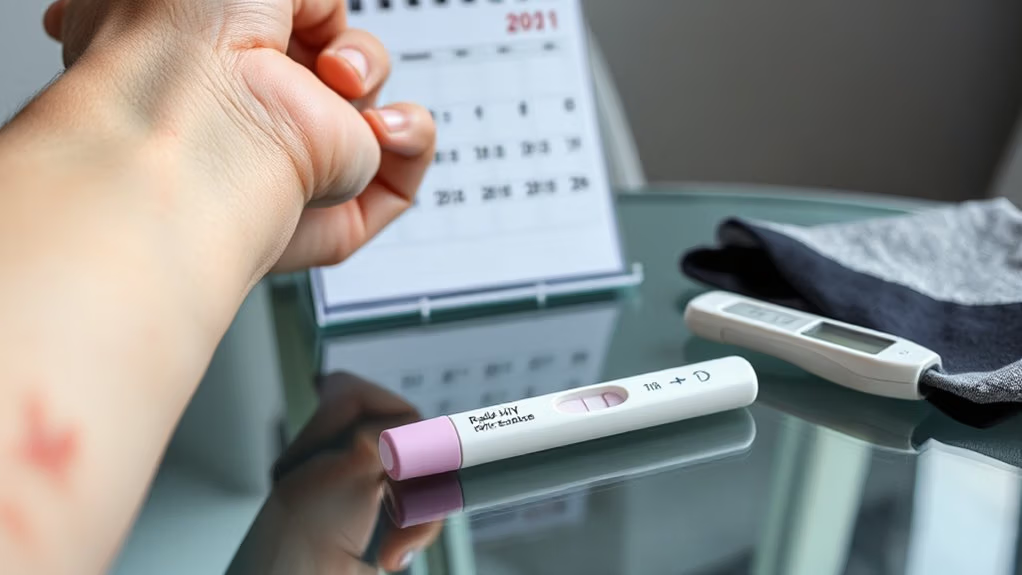
How soon should you get tested if you think you’ve been exposed to HIV? The answer depends on which test you’re considering:
- Antigen/antibody test: Wait 18-45 days after exposure for accurate results
- NAT (nucleic acid test): Get tested 10-33 days post-exposure for earlier detection
- Antibody-only test: Plan testing around 23-90 days after potential exposure
- Follow-up testing: Retest at 3 months to confirm negative results
Getting tested early gives you peace of mind, but rushing in too soon means you might catch false negatives during the window phase. If you’ve had a potential exposure, don’t panic—just schedule that appointment. Most clinics can get you in quickly. You’ve got options for testing locations too: your doctor, sexual health clinics, or home test kits. The key is actually taking that step and getting tested rather than worrying alone.
Telling HIV Symptoms Apart From Common Illness

You’d be forgiven for mistaking early HIV symptoms with the flu—they’ve got a lot in common, like fever, fatigue, and body aches that’ll knock you sideways for a couple of weeks. But here’s where things diverge: HIV often brings a rash, swollen lymph nodes, and mouth sores that the flu typically doesn’t, plus these markers can linger longer than your standard seasonal bug. Knowing these key differences matters because catching HIV early gives you real options for treatment and preventing transmission to others.
Similarities With Flu Symptoms
Because early HIV symptoms mirror the flu so closely, many people brush them off as nothing serious—and that’s exactly the problem. You might experience:
- Fever and chills that come and go
- Fatigue that makes you want to sleep for days
- Muscle aches and joint pain
- Sore throat and swollen lymph nodes
Here’s where it gets tricky: you can’t tell the difference just by how you feel. That headache, that night sweat, that sudden exhaustion—they’re all playing both sides. The real kicker? HIV symptoms typically hit harder and last longer than typical flu. You might feel genuinely awful for two to four weeks. Don’t assume you’ve just caught something going around. If you’ve had potential exposure, get tested. That’s the only way you’ll know for sure.
Key Distinguishing Health Markers
While flu symptoms and early HIV can feel nearly identical, your body does leave some clues if you know what to look for. Pay attention to how long you’re feeling sick. If your symptoms persist beyond two weeks, that’s your first red flag. The flu typically clears within seven to ten days, but HIV’s initial phase lingers longer.
Watch for swollen lymph nodes in your neck, armpits, or groin—they’re tender and noticeably enlarged. You might also develop a rash that doesn’t itch, usually appearing on your torso. Another telltale sign? Mouth sores that won’t heal. These specific markers rarely show up with common flu. Trust your instincts. If something feels off and won’t go away, get tested. Early detection changes everything.
Where to Get Tested and What to Expect
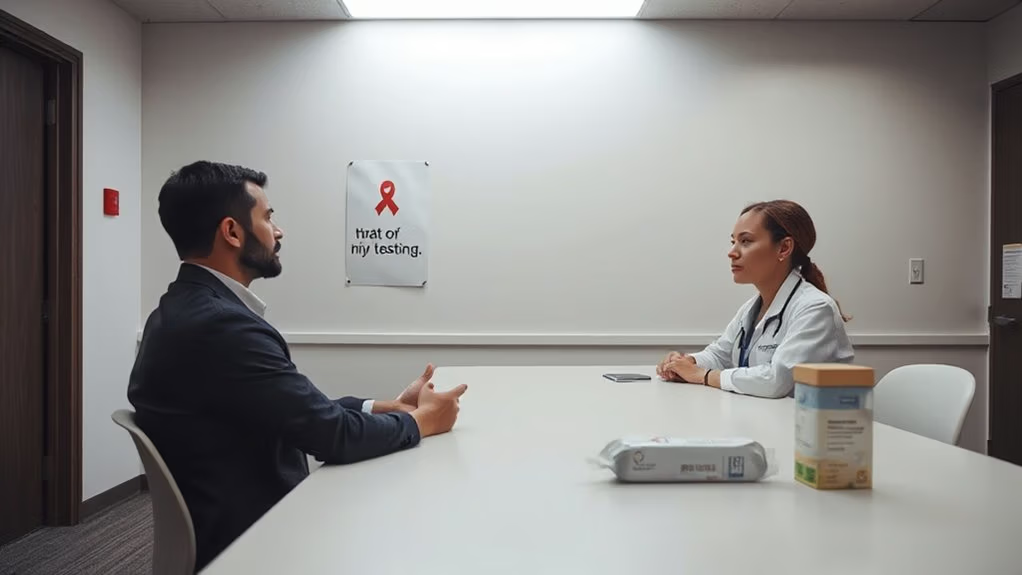
Getting tested for HIV doesn’t have to be intimidating—plenty of accessible options exist right in your community. You’ve got more choices than you might think, and testing’s become remarkably straightforward.
Here’s where you can go:
- Local health departments offer free or low-cost testing with confidentiality
- Community health centers provide judgment-free services regardless of insurance status
- Urgent care clinics can run quick tests during convenient hours
- At-home test kits deliver privacy and results in minutes
When you arrive, expect a simple blood draw or oral swab—seriously, that’s it. Results typically come back within days, sometimes immediately with rapid tests. Staff members won’t judge you; they’ve seen it all and genuinely want to help. If you’re nervous, just say so. Many clinics have counselors ready to walk you through everything. Getting tested is actually taking control of your health, and that’s genuinely powerful.
Conclusion
You’ve got to trust your gut when something feels off. If you’re noticing these warning signs, don’t let fear keep you frozen—getting tested is your compass pointing toward answers. Whether you’re dealing with flu-like symptoms or that nagging worry won’t quit, reaching out to a healthcare provider isn’t weakness; it’s you taking control of your story. You deserve peace of mind, and that starts with one brave step.