
You might brush off that creeping fatigue as stress, but your liver’s already working overtime. Around weeks three to four, you could notice mild fever, appetite loss, and stomach discomfort—symptoms that feel like any common bug. Dark urine, yellowing skin, and joint pain might follow. Here’s the thing: you can carry hepatitis B for months without knowing, silently damaging your liver while feeling fine. What happens next depends on catching it early.
Key Takeaways
- Fatigue and stomach discomfort typically appear three to four weeks after exposure to hepatitis B.
- Fever between 99-102°F may develop within the first week of infection, resembling flu-like symptoms.
- Joint pain affecting hands, knees, and ankles commonly occurs between weeks one and four.
- Dark urine resembling tea or cola, along with pale stools, indicate liver dysfunction requiring attention.
- Jaundice causes yellowing of skin and eyes, accompanied by nausea and persistent appetite loss.
What Happens in the First Few Weeks After Exposure?

When you’re exposed to hepatitis B, your body doesn’t immediately sound the alarm. Instead, you’ll slip into what doctors call the incubation period—a quiet phase that can last anywhere from 45 to 180 days. During this window, you’re contagious, but you’ll feel completely fine.
Your immune system‘s quietly mobilizing behind the scenes, though. The virus is replicating in your liver while you go about your daily routine, totally unaware anything’s wrong. This deceptive calm is precisely why hepatitis B spreads so easily—people don’t realize they’re infected.
Around week three or four, you might notice something’s off. A vague fatigue creeps in. Your stomach feels unsettled. But these whispers are easy to dismiss as stress or a passing bug. Most folks chalk it up to nothing serious and keep moving forward, never suspecting their liver’s already under siege.
How Long Do Hepatitis B Symptoms Last?

You’ll likely notice that your body’s fight against hepatitis B unfolds differently depending on whether your infection becomes acute or chronic—some folks shake it off in a few weeks, while others find themselves battling it for life. If you’re dealing with acute hepatitis B, your symptoms typically peak within a couple of months before gradually fading as your immune system gains the upper hand. But here’s the thing: if your body can’t clear the virus within that initial window, you’re looking at chronic hepatitis B that’ll stick around, potentially causing damage for decades unless you get proper treatment.
Acute Infection Duration Timeline
While hepatitis B symptoms can feel like they’ll never end, most folks who develop acute infection find relief within six months. Your body’s fighting hard during this stretch, and that battle shows itself in real, exhausting ways.
| Timeline | What You’re Experiencing | Recovery Stage |
|---|---|---|
| Weeks 1-2 | Fatigue, mild fever, appetite loss | Early phase |
| Weeks 3-12 | Peak jaundice, dark urine, abdominal pain | Acute phase |
| Months 3-6 | Gradual improvement, energy returning | Resolution phase |
Here’s the thing: most adults clear the virus completely. Your immune system’s doing exactly what it should. That said, if symptoms linger past six months, you’ve got chronic infection—a different ballgame requiring long-term management. Either way, you’re not facing this alone.
Chronic Hepatitis B Persistence
Unlike the acute infection that’ll run its course in six months, chronic hepatitis B‘s a long-haul companion—one that sticks around because your immune system couldn’t fully shake the virus. You’re looking at a condition that can persist for decades, sometimes your whole life.
Here’s the tough part: you might feel fine for years, even as the virus quietly damages your liver. Symptoms, when they do show up, tend to be vague—fatigue, mild yellowing of your skin, or unexplained belly discomfort. Some folks never notice anything obvious until liver damage becomes serious.
That’s why regular monitoring matters. You’ll need ongoing blood tests to track your liver’s health and catch problems early before they become irreversible.
Fatigue and Weakness: When to Take Them Seriously

Most of us brush off tiredness as just another day—too much work, not enough sleep, or maybe we’re coming down with a cold. But when you’re carrying chronic hepatitis B, that exhaustion isn’t ordinary. Your body’s fighting an ongoing battle, and it’s draining your reserves.
Here’s what matters: pay attention when fatigue doesn’t improve with rest. If you’re sleeping eight hours yet still dragging through your day, that’s your body sending a signal. Weakness that makes climbing stairs feel like climbing mountains? That’s worth investigating.
When fatigue persists despite adequate rest, your body is signaling something serious. Don’t dismiss it—investigate.
The tricky part is distinguishing normal tiredness from something serious. Track your energy patterns. Does fatigue hit suddenly? Does it persist for weeks? When weakness interferes with your daily life—work, family, hobbies—that’s your cue to contact your doctor.
You know your body best. Trust that instinct.
Abdominal Pain and Digestive Issues

You might notice your stomach starts acting up in ways you can’t quite explain—persistent discomfort, nausea that comes and goes, even when you haven’t eaten anything suspicious. Your digestive system’s inflammation becomes the liver’s way of sending you signals that something’s wrong, as the infected organ struggles to process foods and regulate your body’s chemistry. These belly troubles often show up early, before you’ve connected the dots to anything serious, so paying attention to what your gut’s telling you matters more than you’d think.
Stomach Discomfort and Nausea
When hepatitis B starts taking hold, your gut’s often the first thing to rebel. You’ll notice a queasy feeling that won’t quit, especially when you think about food you’d normally love. Your stomach feels tight and uncomfortable, like something’s pressing against your insides.
Nausea creeps up throughout the day, sometimes triggered by smells or certain foods, other times arriving uninvited. You might feel like you’re on a boat in choppy waters—that unsettling sensation that makes you cautious about eating much of anything.
This discomfort differs from typical stomach bugs because it lingers persistently. Your appetite vanishes, and even bland foods seem unappealing. If you’re experiencing these symptoms alongside fatigue or yellowing skin, don’t dismiss them. Your body’s sending important signals worth investigating with your doctor.
Digestive System Inflammation Effects
Beyond the nausea and appetite loss lies something deeper—inflammation that spreads throughout your digestive tract like a wildfire through dry grass. You’ll notice your belly aches in ways you can’t quite pinpoint. It’s not sharp or localized; rather, it’s a dull, persistent soreness that settles in and won’t leave.
Your liver’s working overtime, triggering your digestive system to rebel. You might experience bloating that makes your clothes feel tight, or cramping that catches you off guard. Some folks describe it as their stomach staging a quiet protest.
These digestive disturbances often accompany your other symptoms, signaling that your body’s dealing with something serious. Don’t brush these feelings aside. They’re your body’s way of telling you something needs attention.
Jaundice: The Telltale Yellow Sign

One of the most unmistakable signs that something’s gone wrong with your liver is when your skin and the whites of your eyes start taking on a yellowish tint—that’s jaundice, and it’s your body’s way of waving a red flag.
Here’s what’s happening: your liver can’t process bilirubin, a yellowish pigment from old red blood cells, so it builds up in your bloodstream. You’ll notice the discoloration first in your eyes, then spreading across your skin. It’s like watching your body paint itself into a corner.
You might also spot tea-colored urine and pale stools—more signs your liver’s struggling. Some folks feel itchy all over, which can drive you up the wall. Don’t ignore these symptoms. Jaundice isn’t something to brush off as a bad tan. Get yourself checked out immediately. Your liver’s trying to tell you something important.
Dark Urine and Pale Stools
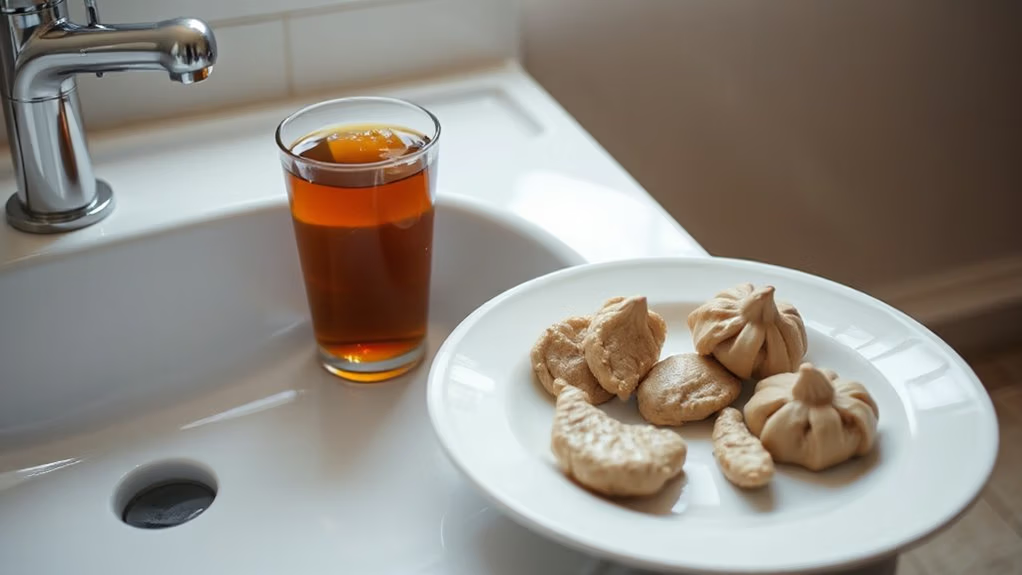
You’ll notice your urine turning dark brown or tea-colored while your stools fade to pale or clay-colored—a strange reversal that happens because your liver’s struggling to process bile the way it should. When bile can’t flow properly through your liver, it backs up into your bloodstream instead of reaching your intestines, which is why you’re seeing these color shifts. If you’re experiencing these changes alongside yellowing skin or eyes, don’t wait around—contact your doctor right away, as these signs suggest your liver needs immediate attention.
Why Urine Darkens
When your liver’s struggling to do its job, it can’t process bilirubin—a yellowish pigment from broken-down red blood cells—the way it should. Instead of moving through your system normally, bilirubin backs up into your bloodstream and gets filtered by your kidneys into your urine.
Here’s what’s happening:
- Bilirubin accumulates faster than your liver can handle
- Your kidneys filter the excess into your urine
- The pigment turns your urine dark amber or tea-colored
- This discoloration signals your liver’s distress
- The darker your urine, the more bilirubin’s circulating
Think of it like a backed-up drain—when water can’t flow properly, it pools and overflows. Your body’s trying to tell you something’s wrong. That dark urine isn’t just cosmetic; it’s a genuine red flag worth taking seriously.
Bile Production Changes
Your liver’s struggling to produce bile like it should, and that’s where things get interesting—because bile’s got two jobs, and when hepatitis B starts shutting down production, both go sideways.
| What Bile Does | When Production Drops | What You Notice |
|---|---|---|
| Breaks down fats | Fats don’t digest right | Pale, greasy stools |
| Removes bilirubin | Bilirubin builds up | Dark urine, yellowed skin |
| Aids nutrient absorption | Nutrients slip through | Fatigue, weakness |
See, your bile’s supposed to flow into your intestines and give your waste that brownish color. When your liver can’t keep up, your stool turns clay-colored. Meanwhile, all that bilirubin backs up into your bloodstream, turning your urine the color of strong tea. These changes signal your liver’s waving a red flag—it’s struggling, and you need to pay attention.
When To Seek Help
Those color changes in your bathroom aren’t something to brush off—they’re your body’s way of pulling the emergency cord. When your urine darkens to cola-colored and your stools turn pale or clay-like, your liver’s struggling to process bile properly.
Here’s when you need to act:
- Dark urine appearing suddenly without obvious cause
- Pale stools lasting more than a few days
- These changes accompanying fatigue or belly pain
- Any yellowing of your skin or eyes
- Symptoms worsening despite rest
Don’t wait around hoping things improve on their own. Contact your doctor immediately—these signs suggest your liver needs professional attention now, not next week. Your body’s sending urgent messages, and ignoring them could mean the difference between catching hepatitis B early and facing serious complications.
Fever and Joint Pain: Signs of Acute Hepatitis B

Many folks don’t realize that hepatitis B can sneak up on you with symptoms that feel more like the flu than a serious liver infection. You might experience fever and joint pain that’ll have you thinking you’ve caught something seasonal.
| Symptom | Timeline | What It Feels Like |
|---|---|---|
| Fever | Days 1-7 | Mild to moderate, often 99-102°F |
| Joint Pain | Weeks 1-4 | Aching in hands, knees, ankles |
| Fatigue | Ongoing | Bone-deep exhaustion |
Here’s the thing: these early signals matter. Your body’s waging war against the virus, and you need to pay attention. When you’re running a fever alongside achy joints for more than a few days, don’t brush it off. That combination warrants a doctor’s visit, especially if you’ve had potential exposure. Getting tested early gives you the best shot at managing your health effectively.
Nausea, Vomiting, and Appetite Loss: Reading the Signals

As those fevers and aches start settling down, hepatitis B often pulls another trick from its sleeve—it hits your stomach hard.
When your liver’s inflamed, you’ll notice your appetite vanishing like morning mist. Food that normally appeals to you suddenly seems unappealing. You might feel queasy even when you’re not eating, and that nausea can escalate into vomiting spells that leave you exhausted.
Here’s what you’re experiencing:
- Your liver struggles to digest fats properly, triggering nausea
- Bile buildup creates that persistent sick feeling
- Your body’s fighting infection, draining your hunger signals
- Vomiting depletes essential nutrients and fluids
- Weight loss creeps in as you eat less
These digestive symptoms often arrive alongside jaundice and dark urine. Don’t brush them off as stomach flu—persistent nausea lasting weeks demands medical attention. Your body’s sending clear signals that something’s wrong with your liver function.
Why Some People Show No Symptoms at All

you can have hepatitis B and feel absolutely fine.
Your body’s not always forthcoming about what’s happening inside. Some folks carry the virus for years without any clues—no fatigue, no yellowing skin, nothing. It’s like an unwelcome houseguest who quietly moves in without announcing themselves.
This happens because your immune system might be managing the infection without triggering obvious warning signs. You could be infectious to others while feeling perfectly healthy yourself. That’s the tricky part.
This asymptomatic phase doesn’t mean you’re off the hook, though. The virus still works behind the scenes, potentially damaging your liver over time. You might not realize anything’s wrong until a routine blood test catches it or complications develop years later.
That’s why getting screened matters, even when you feel great. You can’t trust your body to always tell the truth.
When Should You Get Tested, and What’s Next?

How do you know when it’s time to get tested?
If you’ve had potential exposure or you’re noticing odd symptoms, don’t wait around. Your body’s trying to tell you something.
Consider getting tested if you:
- Share needles or have a history of IV drug use
- Were born in countries where hepatitis B is common
- Have unexplained fatigue or jaundice
- Work in healthcare or handle blood regularly
- Had unprotected sex with someone who’s infected
Once you get tested, your doctor will run blood work to detect hepatitis B surface antigen. If you’re positive, that’s not the end of the road—it’s the beginning of understanding your path forward. You’ll likely need additional tests to check your liver function and viral load.
From there, your healthcare team develops a personalized plan. Some folks clear the virus naturally; others need antiviral medication to manage it long-term. Either way, early detection gives you power over your health.
Conclusion
Look, you’ve gotta listen to your body—it’s screaming louder than a toddler in a grocery store when hepatitis B shows up. Whether you’re yellower than a highlighter or just dragging yourself around like a zombie, don’t brush it off. Get tested immediately if you’re worried. Catching this early? That’s your golden ticket to better outcomes. Your liver’s basically your body’s unsung hero, so treat it right.