
You’ll notice your dog’s tail drooping during walks, and they’re just not themselves anymore. They’re sleeping more, panting heavily after short strolls, and seem exhausted by normal play. A persistent dry cough might develop, especially after excitement or exercise. Their appetite drops, they’re losing weight without dietary changes, and that shiny coat starts looking dull. These subtle shifts matter because early detection makes all the difference—and there’s much more to understand about protecting your pup.
Key Takeaways
- Lethargy and exercise intolerance are primary red flags, with dogs struggling during normal activities and panting heavily after short walks.
- Persistent dry, hacking cough occurs after exercise or excitement, signaling potential heart and lung damage from heartworm infection.
- Labored breathing and rapid or shallow breathing patterns at rest indicate respiratory compromise requiring immediate veterinary evaluation.
- Appetite loss and noticeable weight loss of 5-10 pounds occur without dietary changes as infection progresses.
- Tail drooping and increased sleeping demonstrate behavioral changes and disinterest in play or walks associated with early heartworm disease.
Early Signs of Heartworm: Lethargy and Exercise Intolerance

When your dog’s tail droops at the mention of a walk, you’ve noticed something’s shifted. Your pup used to bound toward the door with unbridled enthusiasm, but now they’re hesitant, tired before you’ve even started.
When your dog’s tail droops at the mention of a walk, something’s shifted. That unbridled enthusiasm is gone.
Lethargy and exercise intolerance are among heartworm’s earliest red flags. Your dog might struggle during activities they once enjoyed—shorter walks leave them panting heavily, or they’ll lag behind instead of leading the charge. You’ll notice they’re sleeping more, moving slower, and seeming generally disinterested in playtime.
These signs appear because heartworms damage your dog’s heart and lungs, making physical exertion exhausting. Even mild activity becomes taxing. Your dog isn’t being lazy; they’re genuinely struggling.
If you’re seeing this pattern—especially combined with a persistent cough—don’t wait. Schedule a vet appointment soon. Early detection makes all the difference in treatment success.
Heartworm Cough and Respiratory Changes

A persistent cough often accompanies that sluggish behavior you’ve noticed, and it’s your dog’s respiratory system waving a red flag. You might hear a dry, hacking cough that seems to appear out of nowhere, especially after exercise or excitement.
As heartworms settle into your dog’s heart and lungs, they irritate the airways, triggering that telltale cough. You’ll also notice your pup breathing harder than usual during walks or playtime. Their breathing might sound labored, almost like they’re struggling to catch their breath.
Pay attention to changes in your dog’s breathing patterns at rest too. Rapid or shallow breathing when your dog’s lounging around suggests something’s off. Some dogs develop a wheezing sound or seem short of breath even during mild activity.
These respiratory changes happen because those parasites are literally taking up space in your dog’s lungs and heart. Don’t brush off these signs. They’re telling you it’s time to contact your vet.
Appetite Loss and Weight Loss

As your dog’s energy dwindles, you’ll likely notice they’re picking at their food bowl or leaving meals untouched altogether. This appetite loss isn’t just picky eating—it’s a red flag that something’s wrong internally.
When heartworms settle into your dog’s heart and lungs, they disrupt normal digestion and nutrient absorption. Your pup simply doesn’t feel like eating, even when you offer their favorite treats. Within weeks, you’ll see ribs becoming more prominent and their coat losing that healthy shine.
Weight loss happens gradually at first, then accelerates. Your dog might drop five to ten pounds without any dietary changes on your part. They’re burning energy fighting the infection while struggling to keep up with daily activities.
Don’t brush this off as a phase. Combined with that persistent cough, appetite loss signals your dog needs veterinary attention immediately. Early detection makes all the difference in treatment outcomes.
Why Untreated Heartworm Gets Worse Fast

Once heartworms establish themselves in your dog’s heart, they’re not just sitting idle—they’re multiplying and causing damage that compounds daily. What starts as a mild cough can rapidly spiral into severe respiratory distress and heart failure.
Here’s why: adult worms block blood vessels and trigger inflammation, forcing your dog’s heart to work harder than it should. Meanwhile, immature worms circulate through the bloodstream, damaging vessel walls and organs. Your pup’s body can’t keep up with this onslaught.
The cruel irony? Early-stage heartworm shows minimal symptoms, so you might not realize trouble’s brewing until significant damage has occurred. By then, treatment becomes riskier and more expensive. Your dog’s organs may already be compromised.
Don’t wait for obvious signs like fainting or extreme lethargy. Early detection through testing gives your dog the best shot at recovery and a normal lifespan.
When Your Dog Needs Heartworm Testing
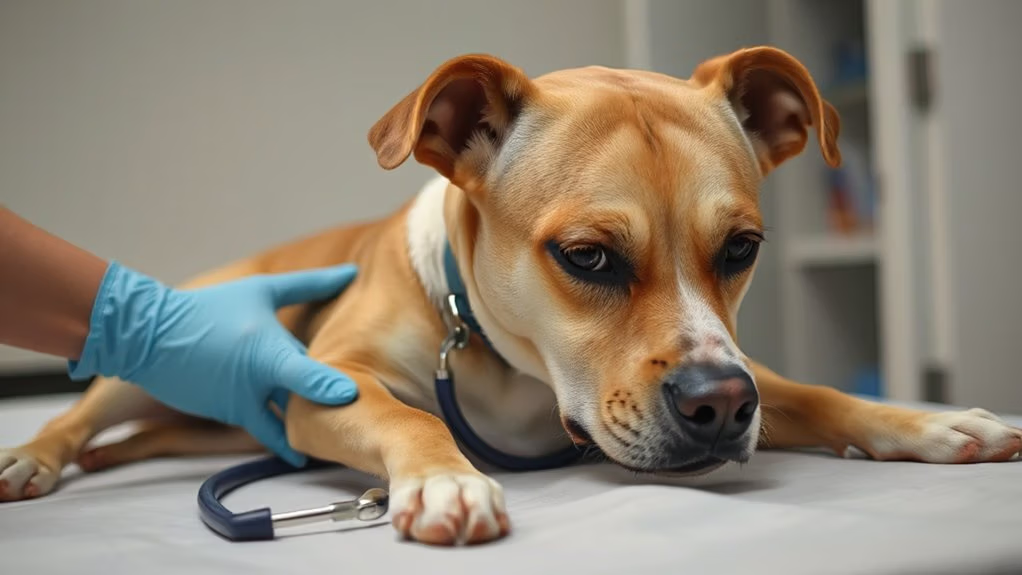
So when should you actually get your dog tested? If your pup’s over six months old, you’ll want a baseline test to rule out infection. After that, annual screening keeps you ahead of the game—it’s your best defense against missing early stages.
Don’t wait for symptoms to appear. By the time your dog shows signs, heartworms have already settled in and started causing real damage. That’s why vets recommend testing before starting prevention, then yearly checks thereafter.
Don’t wait for symptoms. Heartworms cause real damage before signs appear—test first, then check yearly.
If you’ve skipped testing for a while, schedule one now. Puppies need their first test around six months, then annually. Older dogs benefit from the same routine. Some vets recommend testing every six months for high-risk areas where mosquitoes thrive year-round.
Think of it as cheap insurance. A simple blood test costs far less than treating advanced heartworm disease. Your dog’s longevity depends on catching this early.
Prevent Heartworm: Your Year-Round Protection Plan

Now that you know how to catch heartworm early, let’s talk about making sure your dog never gets it in the first place.
You’ll want to start with preventative medication—your vet can recommend the best option for your pup. These come in monthly pills, topicals, or injections, and they’re genuinely effective when you stay consistent.
Don’t skip doses just because it’s winter. Mosquitoes aren’t always dormant, and heartworm prevention works year-round for good reason.
Reduce mosquito hangouts around your home by eliminating standing water and keeping your yard trimmed. It’s simple stuff that actually makes a difference.
Getting your dog tested annually gives you peace of mind too. Combined with preventative medication, you’re building solid protection.
Think of it this way: prevention costs far less—financially and emotionally—than treating heartworm disease. Your commitment now means a healthier, longer life for your best friend.
Conclusion
You’re holding your dog’s health in your hands, and that’s no small thing. Think of heartworm prevention like building a shield around your pup’s heart—consistent monthly protection stops the disease before it takes root. When you spot those early warning signs, you’ve caught a glimpse of trouble brewing. Don’t wait. Your vet’s got the answers you need, and your faithful friend’s counting on you to act.