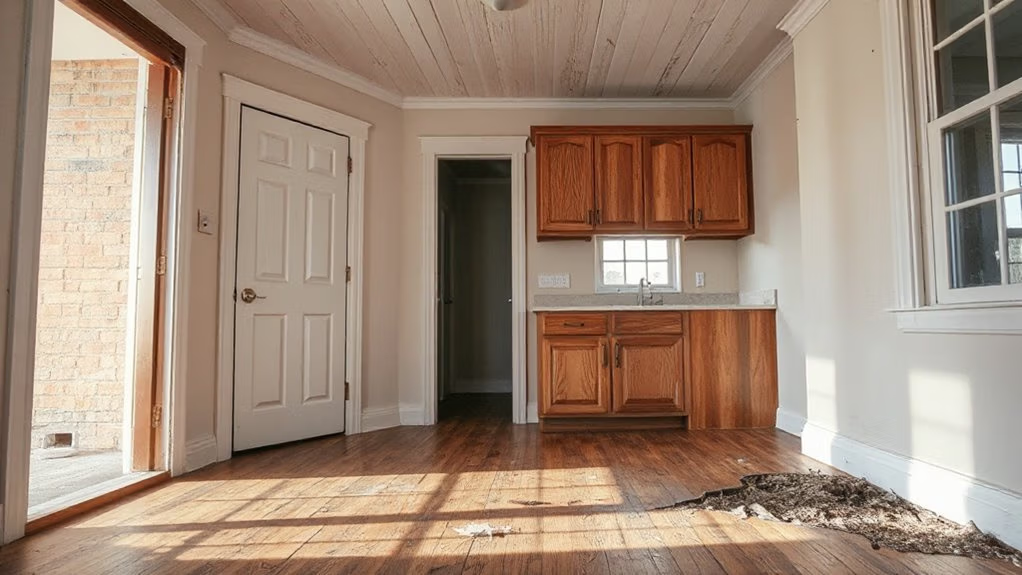
You’ve got to keep your eyes peeled for foundation trouble before it becomes a wallet-draining nightmare. Watch for sticky doors and windows, cracks in your basement walls, and floors that aren’t quite level anymore. Gaps between your walls and foundation, bowing basement walls, and water pooling in your basement are serious red flags too. These warning signs aren’t something you can ignore—they’ll only get worse and costlier. Stick around to discover exactly what each sign means for your home’s safety.
Key Takeaways
- Sticking doors and windows that drag or scrape indicate foundation shifting causing frames to warp and misalign.
- Horizontal or stair-step cracks in basement walls signal serious foundation problems requiring professional evaluation immediately.
- Sloping or uneven floors where marbles roll and doors won’t close represent significant structural issues.
- Bowing or leaning basement walls caused by water pressure and soil movement indicate foundation failure.
- Separation gaps wider than 1/4 inch between walls and foundation show dangerous movement and settlement.
Sticking Doors and Windows
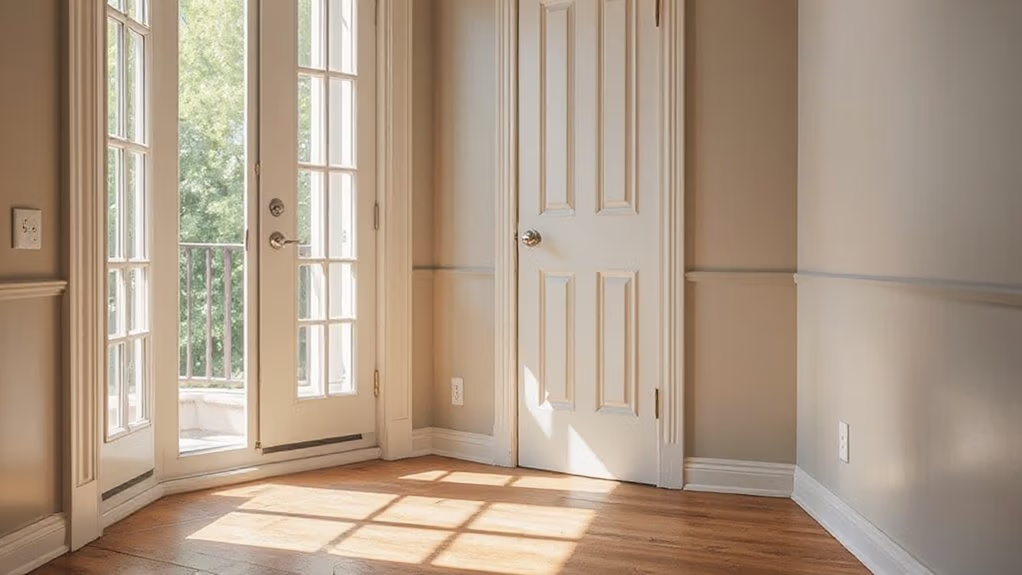
Why do your doors and windows suddenly stick when they’ve opened smoothly for years? Most likely, your foundation’s settling unevenly. When foundation problems develop, the house shifts subtly—sometimes just fractions of an inch. This movement warps the frames that hold your doors and windows.
You’ll notice it first in the stickier spots. A door that dragged occasionally becomes one you have to really yank. Windows get harder to slide up or down. You might hear scraping sounds or see gaps appearing where frames no longer sit flush.
Don’t ignore these signs. They’re your house telling you something’s wrong underneath. A professional foundation inspector can determine whether you’re dealing with minor settling or something serious. Catching foundation issues early saves you money and prevents bigger structural headaches down the road. Trust your gut when something feels off.
Basement Wall Cracks and Visible Deterioration
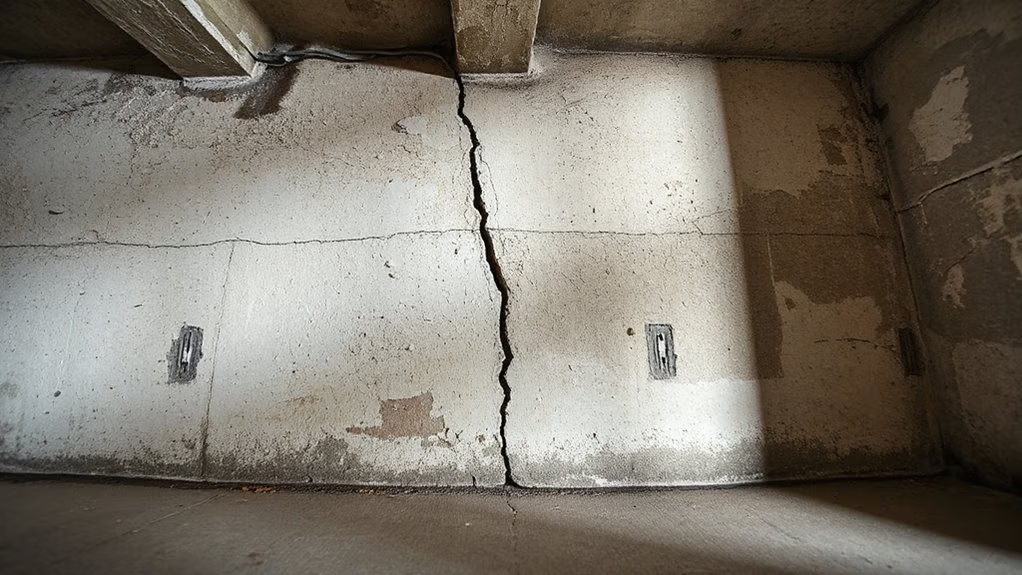
While sticking doors and windows hint at foundation trouble, basement wall cracks and visible deterioration tell you the problem’s gotten serious. You’ll want to pay close attention to what you’re seeing down there.
Look for cracks that run horizontally or in stair-step patterns—these typically signal more concern than small vertical lines. If you’re noticing efflorescence, that white powdery substance on your walls, water’s seeping through and leaving mineral deposits behind. That’s not good.
Bowing or bulging walls mean soil pressure’s pushing inward with real force. You might also spot spalling, where concrete’s flaking or chipping away. These signs suggest your foundation’s actively failing, not just settling.
Don’t ignore these warning signals. Get a professional inspector out to assess the damage. The longer you wait, the more expensive repairs become. Taking action now could save you thousands down the road.
Sloping or Uneven Floors
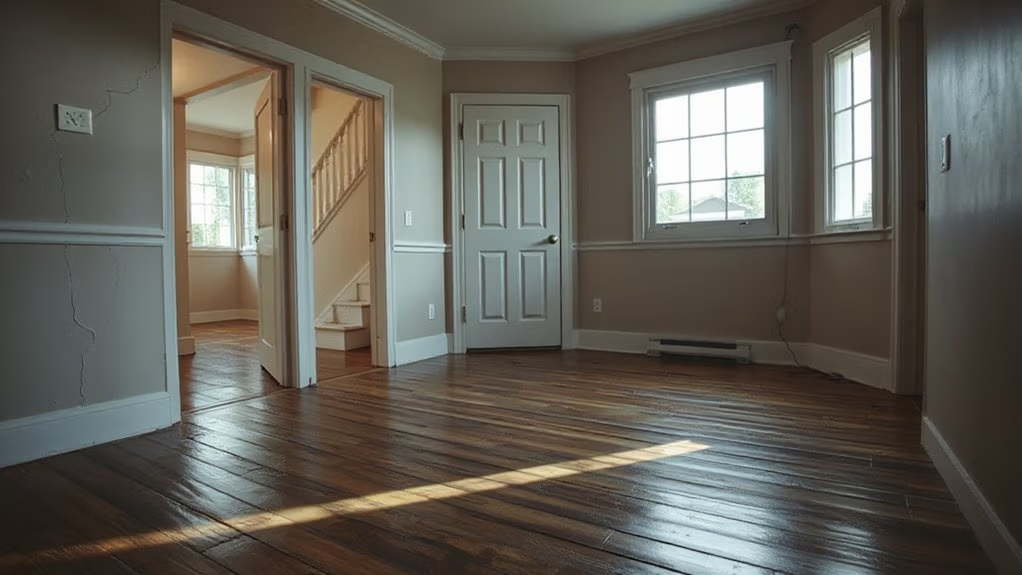
As your foundation shifts and settles, your floors won’t stay put either. You’ll notice it first when you’re walking across your living room—that subtle slope beneath your feet that wasn’t there before. Marbles rolling toward one corner, doors that won’t stay closed, or a noticeable dip in the middle of a room are all red flags.
These uneven floors happen because your foundation’s support is compromised. As it sinks unevenly, different sections of your home settle at different rates, creating those telltale slopes and humps.
Don’t ignore this warning sign. Sloping floors indicate serious structural problems that’ll only worsen with time. The longer you wait, the more expensive repairs become. Get a professional foundation inspector out to assess the damage. They’ll determine whether you’re dealing with minor settling or major foundation failure requiring immediate intervention.
Bowing or Leaning Basement Walls
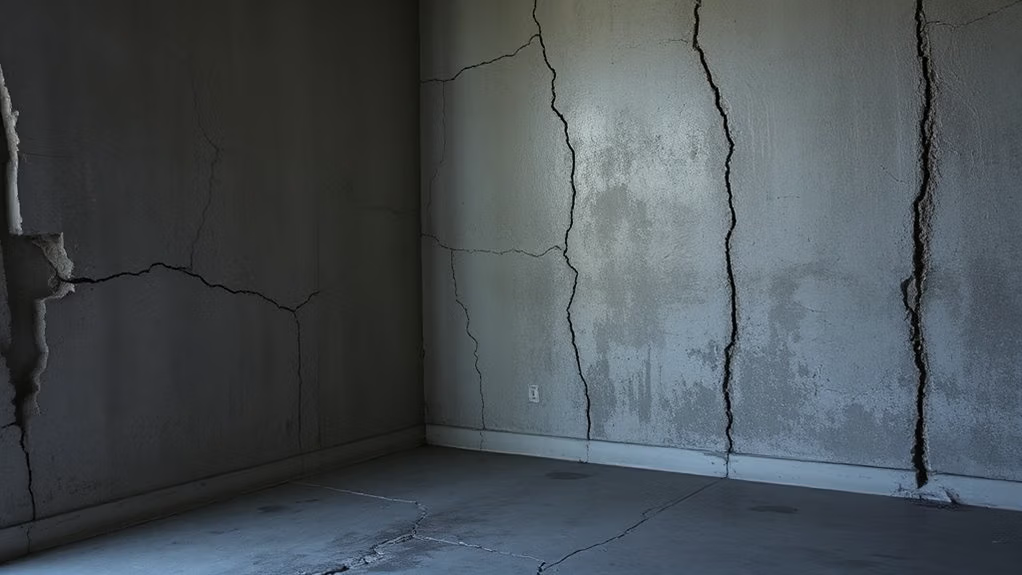
When you notice your basement walls bowing or leaning inward, you’re looking at a serious problem that won’t fix itself. Water pressure, soil expansion, and poor drainage are the usual culprits behind this kind of movement, and they’ll keep pushing against your foundation until you address them. You’ve got several repair options available—from installing wall braces and carbon fiber straps to improving drainage around your home—but the right choice depends on what’s actually causing the damage.
Causes Of Wall Bowing
If you’ve noticed your basement walls aren’t quite straight anymore, you’re not alone—and it’s worth understanding why it’s happening.
Several culprits commonly cause wall bowing. Hydrostatic pressure from surrounding soil and groundwater pushes inward relentlessly. Poor drainage around your foundation allows water to accumulate, intensifying that pressure. Expansive clay soils swell when wet, forcing walls inward from the sides. Foundation settlement creates stress points where walls buckle. Freeze-thaw cycles in colder climates expand soil, applying consistent pressure throughout seasons.
| Cause | Effect | Prevention |
|---|---|---|
| Hydrostatic Pressure | Inward wall movement | Install drainage systems |
| Poor Drainage | Water accumulation | Grade soil away from foundation |
| Expansive Clay | Soil swelling | Maintain consistent moisture |
| Settlement | Stress concentration | guarantee proper compaction |
| Freeze-Thaw | Seasonal expansion | Improve drainage |
Repair Options Available
Now that you understand what’s causing your walls to bow, you’ll want to know what you can actually do about it. Your repair options depend on how severe the bowing is and what’s driving it.
For minor bowing, carbon fiber strips or wall anchors can stabilize your walls without major excavation. These solutions are less invasive and more budget-friendly.
Moderate to severe bowing typically requires helical or push piers installed on the exterior. These systems transfer the weight away from failing soil, fundamentally giving your foundation a fresh start.
In some cases, you’ll need interior bracing or a combination approach. A foundation specialist can assess your specific situation and recommend the most effective solution for your home’s needs.
Separation Gaps Between Walls and Foundation
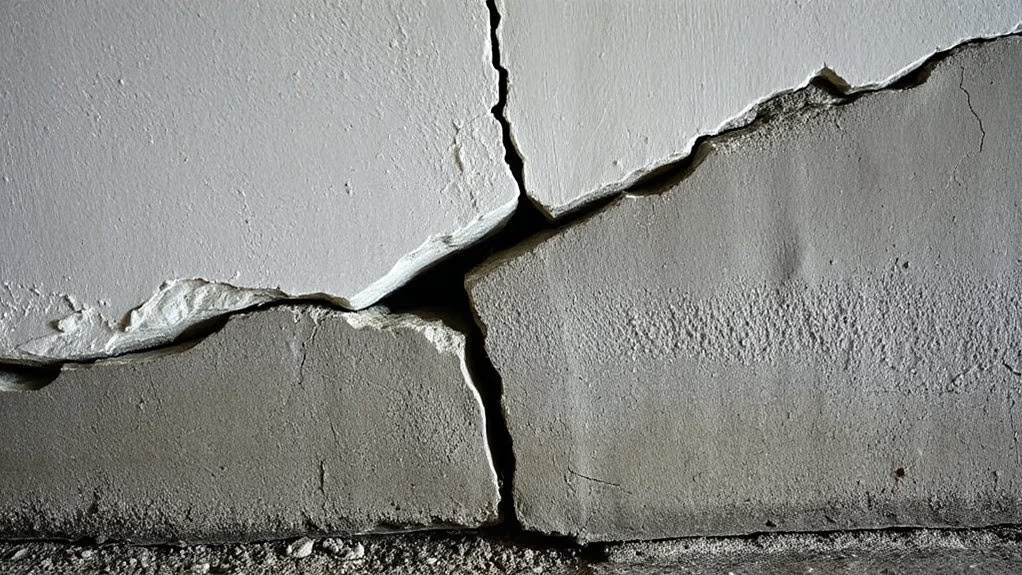
One of the easiest warning signs you’ll spot is a gap forming where your walls meet the foundation—and you shouldn’t ignore it. This separation happens when your foundation shifts or settles unevenly, pulling away from your home’s structure.
You’ll want to monitor these key indicators:
- Visible cracks or gaps wider than 1/4 inch between exterior walls and the foundation line
- Interior signs like cracked drywall, sticking doors and windows, or gaps around baseboards
- Progressive widening of gaps over weeks or months, suggesting active movement
Don’t mistake this for normal settling. Small gaps might seem harmless, but they’re your foundation’s way of telling you something’s wrong. Water can seep through these openings, causing further damage and expensive repairs down the road. Have a professional inspect the issue promptly. Catching it early means you’ll likely spend less money fixing the actual problem rather than addressing water damage later.
Water Pooling or Wet Basement Walls
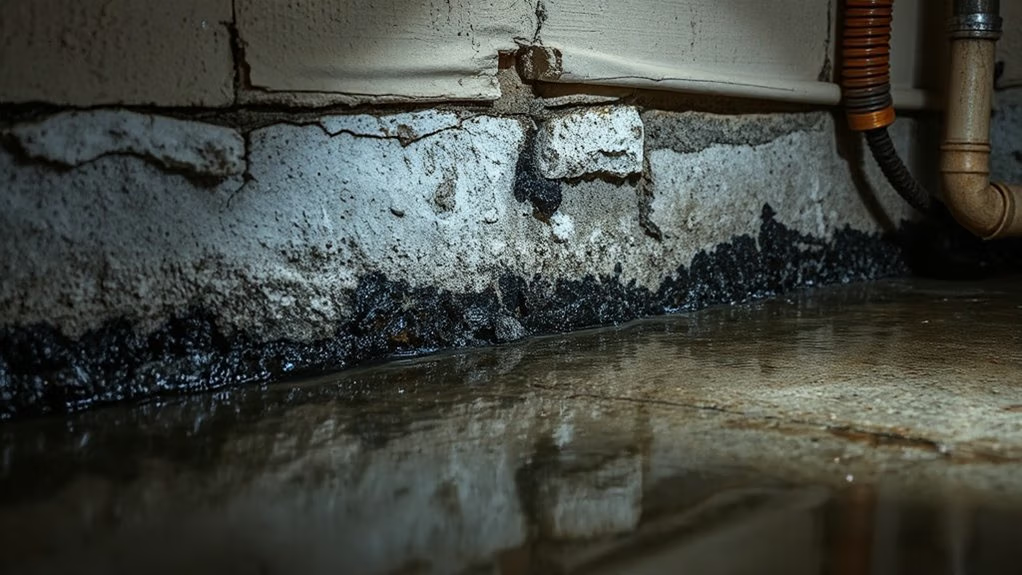
Water pooling in your basement or damp walls are telltale signs that your foundation’s drainage system isn’t doing its job. You’ve got a problem on your hands that needs attention sooner rather than later.
When water accumulates around your foundation, it puts pressure on your basement walls and seeps through cracks. This moisture weakens the concrete and can cause serious structural damage over time. You might notice efflorescence—those white, chalky deposits on your walls—which indicates water’s moving through your foundation.
Don’t ignore wet spots or musty odors either. They’re your foundation’s way of crying for help. Poor grading, clogged gutters, or failed sump pumps often cause this issue.
Here’s the thing: water’s relentless. It’ll keep working its way in until you address the underlying drainage problem. Get a professional to assess your situation and recommend solutions like improved grading, new drainage systems, or foundation repairs.
Foundation Settlement and Visible Shifting
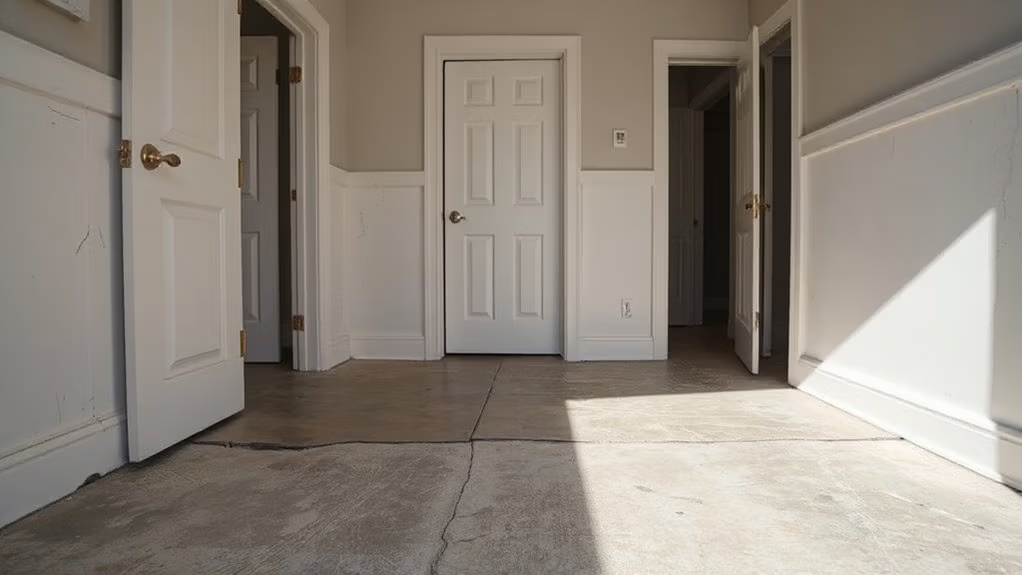
Foundation settlement’s a sneaky problem that creeps up on you over time. You might not notice it at first, but subtle shifts in your home’s structure can signal serious trouble underneath.
Watch for these telltale signs:
- Cracks in walls and ceilings – Start small, but they’ll grow wider if settlement continues
- Doors and windows that stick or won’t close properly – Frames shift as your foundation moves
- Visible gaps between walls and floors – You’ll see separation where they once fit snugly
If you’re spotting any of these issues, don’t wait around. Foundation settlement gets worse, not better. The longer you ignore it, the more expensive repairs become. Get a professional inspector out there to evaluate what’s happening beneath your feet. Catching this early can save you serious headaches and money down the road.
Conclusion
Your home’s foundation is like the roots of an old oak tree—without it, everything crumbles. You can’t ignore these warning signs if you’re noticing them. Don’t put off getting a professional inspection; it’ll save you heartache and money down the road. Your foundation’s health matters, and you deserve peace of mind knowing your home’s standing solid.