Your home’s electrical system’s sending you distress signals—you’ve just gotta recognize ’em before they turn dangerous. Watch for flickering lights, circuit breakers that won’t quit tripping, and outlets that feel warm to the touch. Burning smells, blackened outlet covers, and that eerie buzzing sound? Those’re red flags waving hard. Trust your gut; if something feels off, it probably is. The good news is knowing what to look for can save your house—and we’re about to show you exactly what that means.
Key Takeaways
- Flickering or dimming lights throughout your home indicate loose wiring, overloaded circuits, or faulty breakers requiring immediate electrician attention.
- Frequent circuit breaker trips suggest excessive power draw, short circuits, or damaged appliances that pose electrical fire risks.
- Warm or hot outlets and switches signal loose connections or faulty wiring that create dangerous heat and fire hazards.
- Burning smells, scorch marks, or blackened outlets indicate electrical arcing and overheating wiring that demand immediate power shutdown.
- Sparking outlets, melted insulation, and char marks are urgent warning signs requiring professional electrician intervention to prevent electrical fires.
Flickering and Dimming Lights

One of the most common signs that something’s amiss with your home’s electrical system is when your lights start acting like they’re on a dimmer switch you didn’t install.
Flickering lights acting like an unwanted dimmer switch? Your electrical system might be sending an SOS.
You’ll notice your bulbs flickering like candles in a breeze, or they’ll dim when you’re running the dishwasher or air conditioning. This isn’t just annoying—it’s your electrical system sending an SOS.
The culprit’s usually loose wiring or an overloaded circuit. Sometimes it’s a faulty breaker, other times a worn-out fixture. If it’s happening throughout your whole house, you’ve got bigger fish to fry than a single bad bulb.
Don’t ignore it. Flickering lights can indicate dangerous electrical issues that might lead to fires or damage. Call a licensed electrician to investigate. They’ll track down what’s causing the problem and fix it properly. Your home’s safety depends on it.
Circuit Breakers Keep Tripping
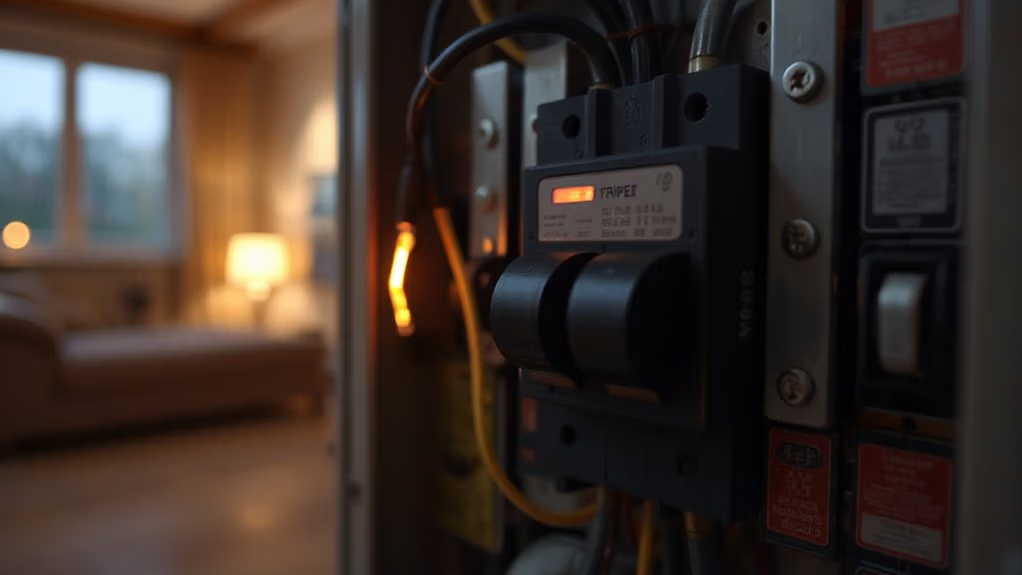
When your circuit breaker keeps flipping off like it’s got a mind of its own, you’ve got a problem that won’t fix itself by ignoring it. Your breaker’s doing its job—protecting your home from electrical fires—but constant tripping means something’s drawing too much power or there’s a short circuit lurking somewhere.
You might be plugging too many devices into one outlet, especially high-demand appliances like hair dryers or space heaters. Try unplugging a few things and see if that solves it. If tripping continues even with minimal usage, you’ve got a real issue.
A persistent problem signals faulty wiring, a damaged appliance, or moisture creeping into your electrical system. Don’t keep resetting that breaker hoping it’ll behave. Call a licensed electrician to investigate. Your safety’s worth the service call—electrical problems aren’t worth gambling with.
Outlets and Switches Feeling Hot
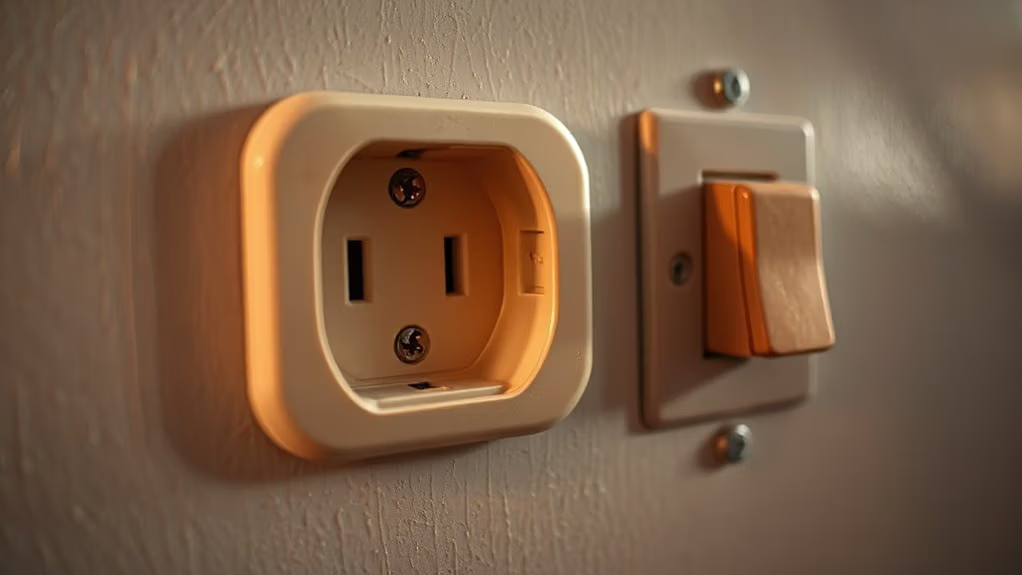
Outlets and switches shouldn’t feel like you’ve just pulled them out of a toaster—if they’re warm to the touch, something’s gone sideways in your electrical system.
Heat means resistance, and resistance means trouble. You’re likely dealing with a loose connection, faulty wiring, or an outlet that’s seen better days. Maybe you’ve got too many devices plugged into one circuit, or perhaps corrosion’s eating away at the contacts inside.
Don’t ignore this warning. Hot outlets and switches are fire hazards, plain and simple. They’re your home’s way of waving red flags before disaster strikes.
Turn off anything plugged into that outlet immediately. Call a licensed electrician to investigate—this isn’t a DIY situation. What feels warm today could spark a blaze tomorrow. Your safety depends on taking this seriously right now.
Burning Smells From Electrical Sources
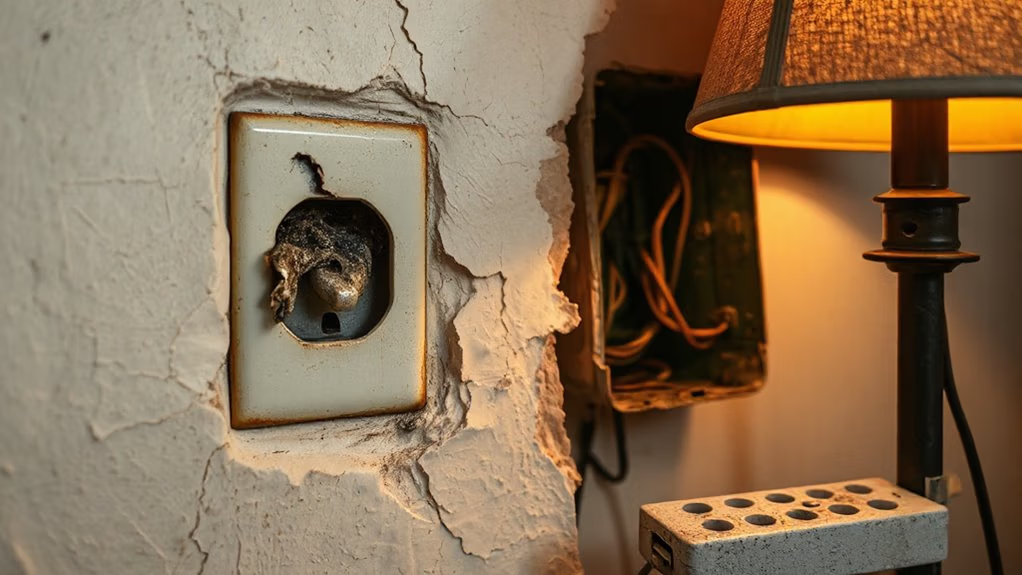
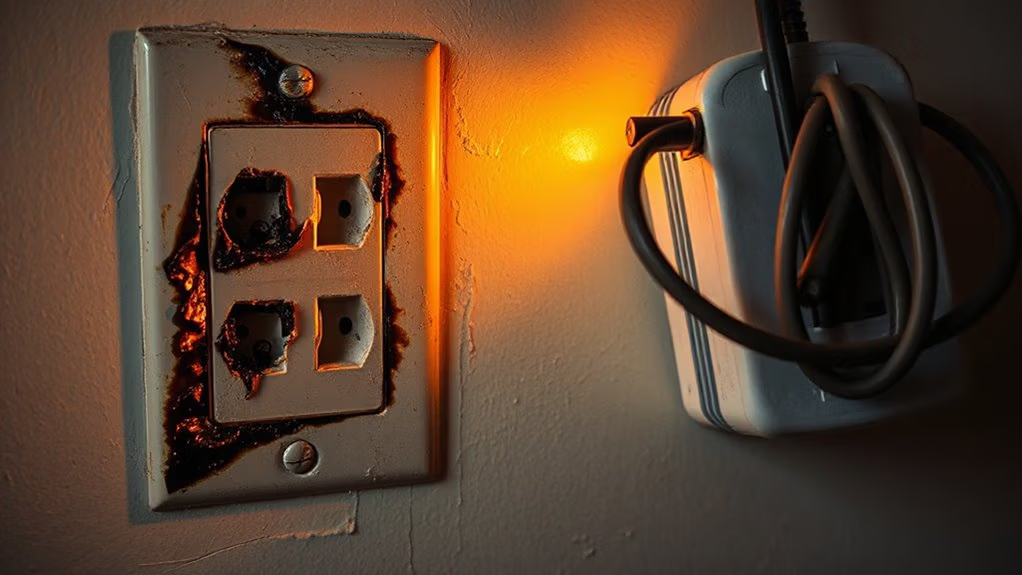
If you’re catching a whiff of something burning near your outlets or switches, don’t just crack a window and hope it goes away—your home’s trying to tell you something’s wrong. That smell often signals overheated wiring, melted insulation, or scorch marks on your outlet and switch plates, all of which are basically red flags waving in your face about potential fire hazards. You’ll want to turn off power to that area immediately and call an electrician before things get worse.
Outlets and Switch Plate Burns
One of the most unsettling discoveries you can make in your home is that distinctive acrid smell wafting from your walls—the kind that makes your nose wrinkle and your stomach drop. When you notice burns or scorch marks around your outlets and switch plates, you’ve got a real problem on your hands.
These charred spots don’t appear from nowhere. They’re telltale signs that electrical arcing‘s happening behind the scenes—basically, electricity’s jumping where it shouldn’t. This creates intense heat and that telltale burnt smell you’re picking up on.
Don’t ignore this warning. Turn off power to that outlet immediately and call a licensed electrician. What you’re seeing could be the early stages of an electrical fire waiting to happen. Your home’s safety depends on taking these signs seriously.
Insulation Damage and Fire Risk
While burnt outlets grab your attention, the real danger often lurks invisibly inside your walls where the electrical wiring’s insulation is breaking down. You can’t see the problem, but your nose’ll tell you something’s wrong.
That acrid, burning smell drifting through your home isn’t normal—it’s your early warning system. Damaged insulation exposes live wires, and exposed wires are basically little fire starters waiting for the right moment. They’ll heat up, ignite nearby materials, and you’ve got a wall fire brewing behind your drywall.
If you’re catching whiffs of burning plastic or rubber, don’t ignore it. Track down that smell, turn off power to that area, and call an electrician. Your home’s safety depends on it.
Dead or Flickering Outlets
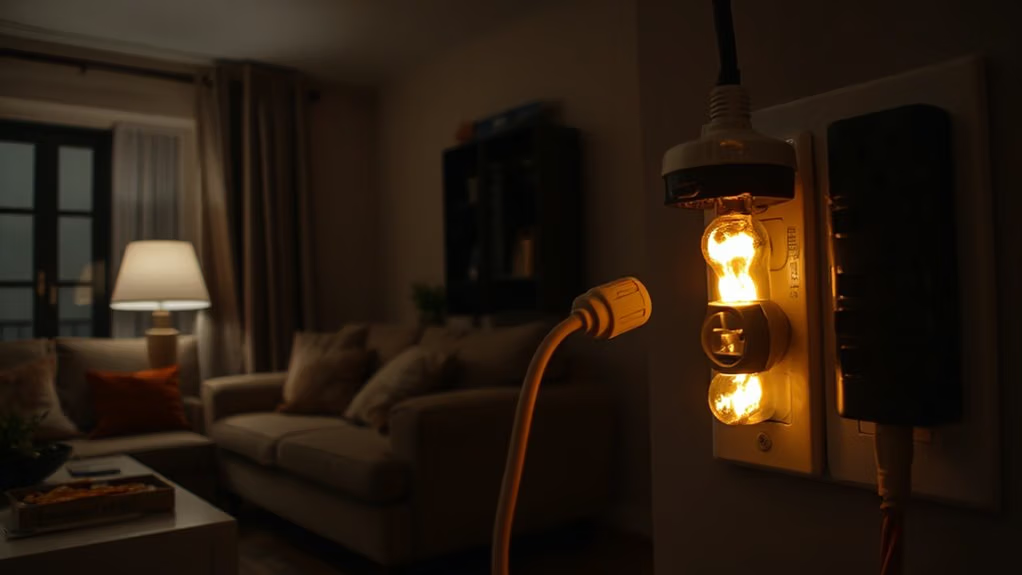

You’ve probably noticed it—that lamp that won’t stay on, or your phone charger that quits working unless you jiggle the plug just right. Don’t ignore these quirks. They’re telling you something’s wrong.
Dead outlets mean power isn’t reaching them at all. This usually points to a tripped circuit breaker or a blown fuse, but it could also signal loose wiring behind your walls. Flickering outlets are trickier—they suggest intermittent connection problems that can generate dangerous heat.
Dead outlets signal tripped breakers or blown fuses. Flickering outlets create dangerous heat from intermittent connections.
Both issues demand your attention because they’re fire hazards. Loose connections spark. Damaged outlets overheat. You’re risking your home and family by dismissing them as minor annoyances.
Test your outlets with a simple plug-in tester from any hardware store. If problems persist, call a licensed electrician. This isn’t a DIY moment. Your safety’s worth the professional fee.
Unusual Buzzing or Humming Sounds
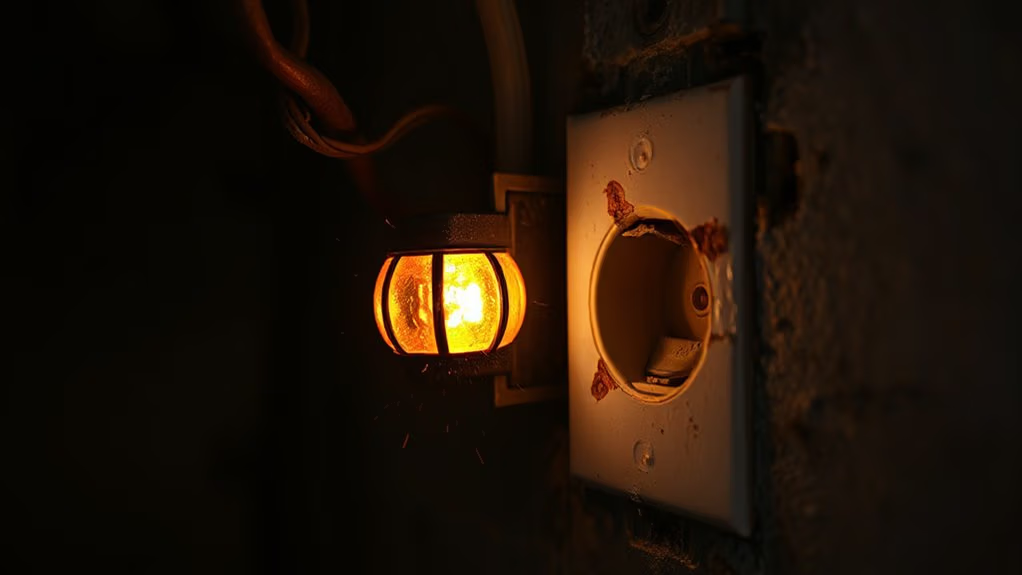
Beyond what you can see with your outlets lies another warning your home’s trying to send you—and this one makes itself heard.
If you’re hearing mysterious buzzing or humming coming from your walls, switches, or appliances, don’t ignore it. That sound’s your electrical system crying for help. It usually means loose wiring, faulty connections, or an overloaded circuit struggling under the weight of too many devices.
Here’s the thing: electricity should run silently. When it doesn’t, something’s gone wrong. You might notice the humming gets louder when you flip a switch or use certain appliances—that’s a red flag worth investigating.
Don’t wait around hoping it’ll fix itself. Buzzing sounds often precede bigger problems, sometimes even fires. Call a licensed electrician to inspect those noises. It’ll cost you far less than dealing with damaged wiring or a house fire down the road.
Blackened or Charred Outlet Covers
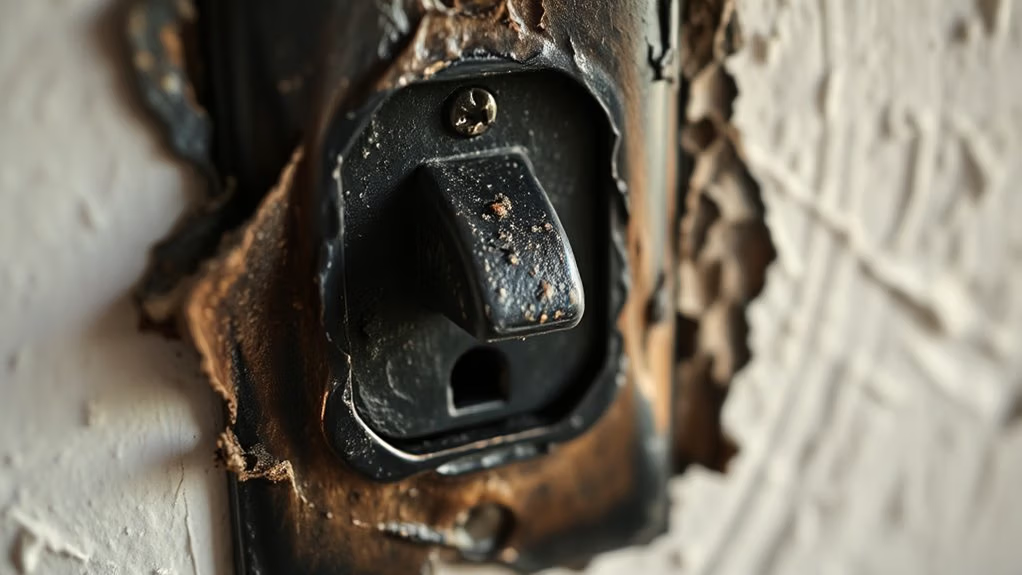
You’ve got a real problem on your hands if you’re seeing black or char marks around your outlets—that’s your electrical system waving a red flag you can’t ignore. Those scorched covers aren’t just ugly; they’re screaming that dangerous heat’s been building up inside, which means you’re staring down a serious fire hazard that could turn catastrophic. Don’t mess around with this one—call a licensed electrician right now before those outlets decide to cause real trouble.
Signs Of Outlet Damage
When an outlet starts turning black or charred around the edges, it’s nature’s way of waving a red flag at you—and it’s one you shouldn’t ignore. That discoloration isn’t just an eyesore; it’s telling you something’s seriously wrong behind your walls.
Charring happens when electrical arcing or overheating occurs inside the outlet. You might’ve overloaded it, or there’s a loose connection brewing trouble. Either way, you’re looking at a fire hazard that’s only getting worse.
Don’t touch it. Don’t plug anything in. Call a licensed electrician immediately. They’ll diagnose whether you need a simple outlet replacement or if there’s deeper wiring trouble lurking in your home’s electrical system. Your safety depends on taking this seriously right now.
Fire Hazard Risks
That blackened outlet isn’t just a cosmetic problem—it’s your home’s way of screaming that fire’s knocking on the door.
When you spot charred or scorched outlet covers, you’re looking at evidence of electrical arcing—that’s when electricity’s jumping the gap it shouldn’t. Think of it like your wiring throwing sparks in frustration. This happens when connections loosen or moisture sneaks in, and it generates heat that’ll scorch plastic faster than you’d expect.
Don’t ignore it. That char means your outlet’s already stressed, and stressed outlets love starting fires. You’ve got to call an electrician immediately. They’ll investigate what’s causing the arcing and fix it properly. Your family’s safety depends on taking this seriously—charred outlets aren’t something you live with or work around.
When To Call Electrician
If your outlet’s looking like it’s been through a campfire, it’s time to stop reading this article and start dialing your electrician—no waiting, no second-guessing.
Blackened or charred outlet covers aren’t just ugly; they’re screaming that something’s seriously wrong inside your walls. Don’t brush it off as a one-time mishap. Your home’s electrical system’s trying to tell you it’s in trouble.
| Warning Sign | What It Means |
|---|---|
| Black discoloration | Heat damage inside outlet |
| Charring around edges | Potential arcing or short circuit |
| Crumbling cover material | Deterioration from electrical stress |
| Burnt smell nearby | Active electrical fire risk |
Call an electrician immediately. This isn’t a DIY moment. Your family’s safety depends on getting professional help fast.
Urgent Signs That Demand Immediate Action
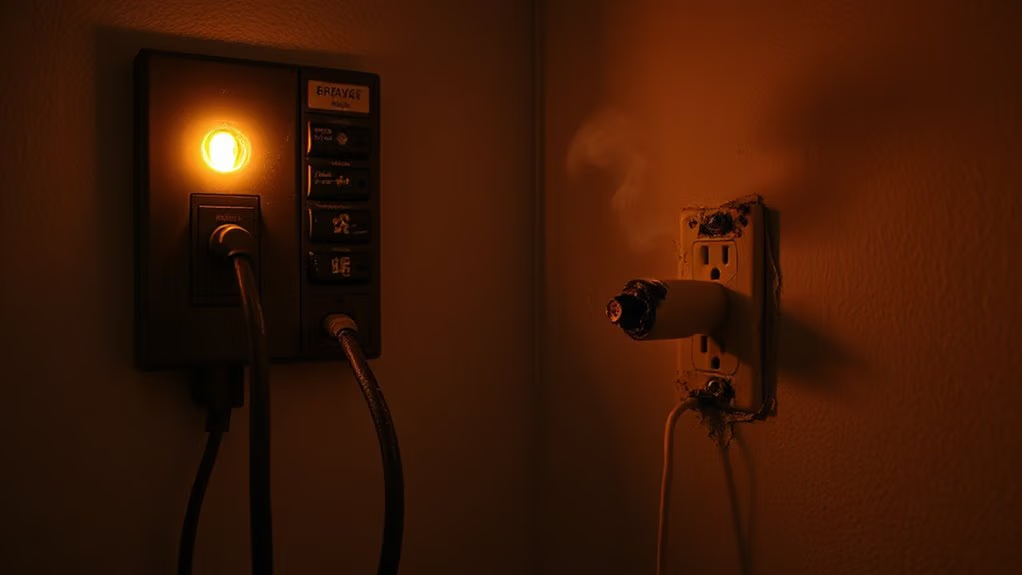
Ever noticed your lights flickering like they’re communicating in morse code? That’s your home’s way of waving a red flag.
Here’s the thing: certain electrical problems won’t wait for next Tuesday’s appointment. If you smell burning plastic or notice scorch marks around outlets, stop using them immediately. Sparking outlets? Don’t touch them—call an electrician now. A buzzing sound from your panel or walls signals serious trouble brewing.
Frequent circuit breaker trips aren’t normal quirks; they’re warnings. Neither are outlets that feel warm to the touch or appliances that shock you. Sudden power loss in one room often means something’s seriously wrong.
Don’t gamble with these situations. Electrical fires start quietly, and faulty wiring kills. Your gut feeling matters too—if something feels dangerous, it probably is. Trust that instinct and phone your electrician immediately. Your safety’s worth the emergency call.
Conclusion
You’ve got to take these warning signs seriously—they’re your home’s way of hollering for help. Here’s the thing: faulty electrical systems cause roughly 51,000 home fires yearly, and that’s no joke. Don’t let your house become another statistic. Trust your gut when something feels off, call a licensed electrician before it becomes catastrophic, and sleep soundly knowing you’ve kept your loved ones safe. Your home deserves that care.