Watch your pup closely for unexpected lumps, bumps, or skin changes under that fur. You’ll want to notice if they’re losing weight, skipping meals, or acting withdrawn from activities they once loved. Pay attention to persistent coughing, limping, or reluctance to move around. Abnormal bleeding, discharge, or bathroom changes also deserve your concern. Behavioral shifts and signs of pain matter too. Catching these warning signs early can genuinely change your dog’s outcome, so knowing what else to monitor could make all the difference.
Key Takeaways
- Unexplained lumps, bumps, or swelling under the skin may indicate cancer and require veterinary evaluation.
- Persistent vomiting, diarrhea, or loss of appetite lasting more than a few days warrants medical attention.
- Sudden weight loss exceeding 5% of body weight within weeks signals potential underlying health issues.
- Limping, reluctance to move, or signs of pain may indicate bone cancer or other serious conditions.
- Abnormal bleeding, unusual discharge, or persistent coughing lasting weeks requires immediate veterinarian consultation.
Unusual Lumps, Bumps, and Skin Changes

When you’re petting your dog and your hand catches on something unfamiliar beneath their fur, that’s your cue to pay closer attention. These unexpected lumps and bumps warrant investigation, especially if they’re growing or changing shape.
You’ll want to monitor any new skin lesions, discoloration, or patches that don’t heal within a couple of weeks. Hair loss in specific areas, scabs that won’t go away, or bleeding from the skin are red flags you shouldn’t ignore.
Not every lump is cancer—many are benign cysts or fatty growths—but you can’t know without a vet’s expertise. Your veterinarian can distinguish between harmless bumps and concerning ones through examination or biopsy.
Catching these changes early makes all the difference. Schedule a checkup whenever you notice something unusual. Your vigilance and quick action could prove lifesaving for your beloved companion.
Weight Loss and Appetite Changes: Early Cancer Indicators

You’ll notice your dog’s ribs becoming more prominent or their belly sagging where it once was firm—that’s sudden weight loss talking, and it shouldn’t be ignored. When your pup starts pushing away from their bowl or picks at meals they’d normally devour, you’re witnessing decreased food intake that often signals something’s brewing beneath the surface. These changes happen quietly at first, but catching them early means you’ve got a real shot at getting your best friend the help they need.
Sudden Weight Loss Patterns
One of the most telling signs that something’s amiss with your dog’s health is a noticeable drop in weight, especially when it happens without any changes to their diet or exercise routine.
| Weight Loss Sign | Timeline | What It Means |
|---|---|---|
| Rapid loss (5%+ body weight) | Within weeks | Metabolic stress, possible cancer |
| Gradual decline | Months | Chronic disease progression |
| Loss despite eating | Any duration | Nutrient malabsorption |
You’ll notice your pup’s ribs becoming prominent or their collar fitting looser. Cancer cells consume energy voraciously, fundamentally starving your dog from within. Your vet can determine if weight loss stems from cancer or other treatable conditions. Don’t ignore this red flag—early detection saves lives.
Decreased Food Intake Signs
Because cancer disrupts your dog’s appetite and digestive processes, you might notice your furry friend turning away from meals they’d normally devour with enthusiasm. This shift often happens gradually, so you won’t spot it overnight.
Pay attention to how much your pup’s eating. You’re looking for changes like leaving food in the bowl or showing zero interest in treats they’d usually go crazy for. Some dogs become pickier, while others lose interest entirely.
Decreased appetite frequently signals that something’s wrong internally. Cancer can cause nausea, pain, or a metallic taste that makes eating unpleasant. If your dog’s skipping meals for more than a day or two, that’s worth mentioning to your vet. Early conversations with your veterinarian could make all the difference.
Coughing, Breathing Problems, and Lethargy as Cancer Warning Signs

When you notice your dog’s persistent cough won’t go away or they’re wheezing more than usual, it’s worth paying attention—these symptoms can sometimes signal underlying cancer. You might also spot your pup struggling to catch their breath during normal activities or seeming unusually tired and weak, even when they’ve had plenty of rest. These changes don’t always mean cancer, but they’re your dog’s way of telling you something’s shifted, and that’s your cue to get them checked out by your vet.
Persistent Cough in Dogs
A persistent cough in your dog shouldn’t be brushed off as just a passing annoyance. When your pup’s hacking doesn’t quit after a few weeks, it’s time to pay attention. Lung cancer often announces itself through a stubborn cough that won’t go away, even with rest.
You might notice your dog coughing more during exercise or when lying down. Some dogs develop a dry, hacking cough, while others produce mucus. If your companion seems uncomfortable or wheezy, that’s your signal to call the vet.
Don’t wait for the cough to disappear on its own. Early detection makes a real difference in treatment outcomes. Your vet can run X-rays and other tests to determine what’s causing that persistent cough and rule out cancer or other serious conditions.
Respiratory Difficulty and Wheezing
Beyond that stubborn cough, you’ll want to watch for broader breathing troubles in your dog. If you’re noticing labored breathing, wheezing, or your pup seems to tire quickly during walks, that’s worth noting. These signs can signal lung tumors or other respiratory cancers creeping in.
| Warning Sign | What You’ll Notice | Action to Take |
|---|---|---|
| Wheezing | High-pitched breathing sounds | Contact your vet promptly |
| Rapid breathing | Excessive panting at rest | Schedule an examination |
| Exercise intolerance | Quick exhaustion during play | Monitor activity levels |
Your dog’s breathing should be quiet and effortless. When it’s not, don’t brush it off as just getting older. Early detection makes a real difference in cancer outcomes, so trust your gut and get your vet involved sooner rather than later.
Unusual Fatigue and Weakness
Your dog’s energy level tells you a lot about what’s happening inside. When your pup suddenly seems worn out, struggling to climb stairs or play fetch, don’t brush it off as aging. Unusual fatigue and weakness are red flags worth investigating.
Cancer drains your dog’s body, sapping their energy as tumors consume energy and nutrients. You might notice your companion sleeping more, moving slower, or lacking enthusiasm for activities they once loved. They may struggle to stand after resting or tire quickly during short walks.
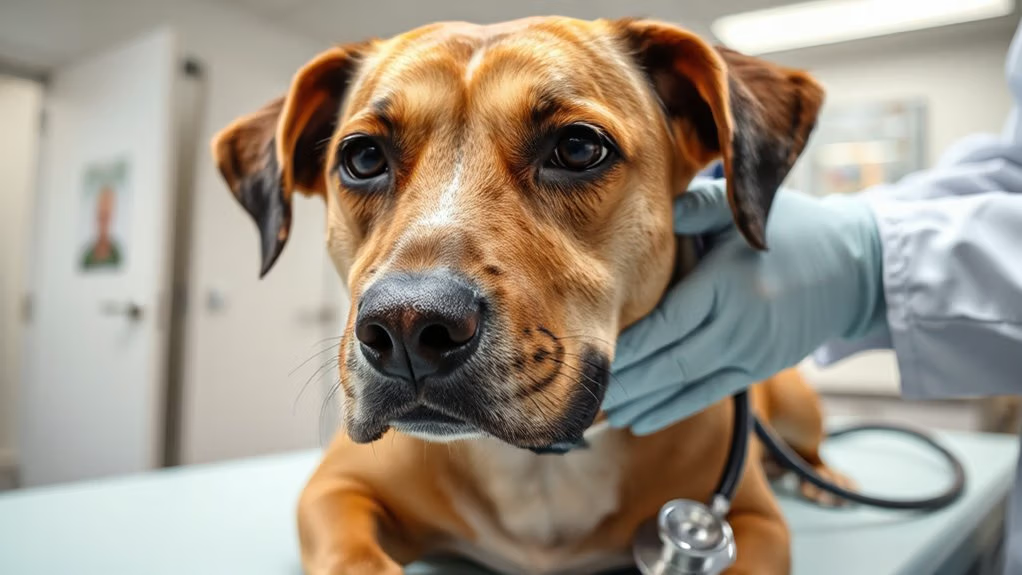
These changes don’t happen overnight, which makes them easy to miss. But you know your dog best. Trust your instincts. If lethargy persists beyond a few days or worsens, schedule a veterinary exam. Early detection makes all the difference.
Limping, Lameness, and Reluctance to Move

When your dog starts favoring one leg or moving more slowly than usual, it’s tempting to chalk it up to a minor sprain or simple aging. But persistent limping or lameness can signal something more serious, including bone cancer or joint tumors.
Watch for limping that doesn’t improve within a few days or worsens over time. Notice if your dog avoids putting weight on a particular leg or shows reluctance to jump, climb stairs, or play. Swelling around the affected area is another red flag worth investigating.
Some dogs become withdrawn, preferring to rest rather than engage in activities they once enjoyed. This behavioral shift often accompanies pain from growing tumors.
Don’t dismiss these signs as normal aging. Schedule a veterinary appointment promptly. Early detection makes a genuine difference in treatment outcomes and your dog’s quality of life.
Bleeding, Discharge, or Bathroom Irregularities
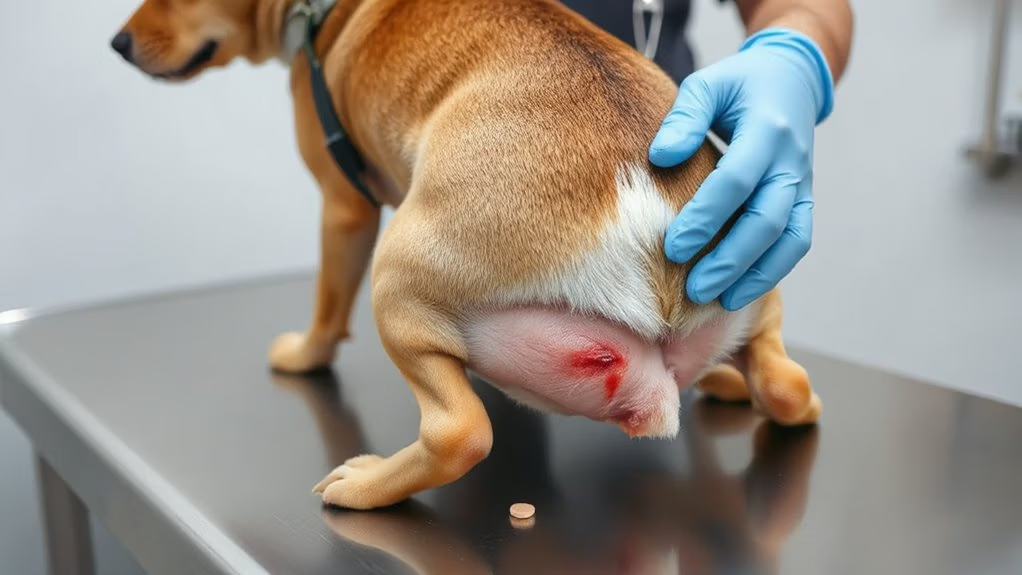
Abnormal bleeding or discharge often gets overlooked because pet owners assume it’s just a messy day or a passing glitch. Don’t brush it off. Blood in your dog’s urine, stool, or vomit warrants immediate attention. Similarly, unexplained discharge from the nose, eyes, or genital area shouldn’t be ignored.
Watch for changes in bathroom habits too. If your dog strains during bowel movements, experiences chronic diarrhea, or suddenly needs frequent bathroom breaks, take notice. Incontinence in previously housetrained dogs is another red flag.
These signs can point to various conditions, but some cancers—particularly bladder, prostate, and intestinal tumors—commonly produce exactly these symptoms. The key is recognizing what’s normal for your dog and catching deviations early. Trust your instincts. You know your companion best, and any persistent irregularities deserve a veterinary evaluation.
Behavioral Changes and Signs of Pain

Just as a dog’s body speaks through physical symptoms, so does their behavior—and it’s often the first language of pain.
You’ll notice your pup withdrawing from activities they once loved—no more tail wags at walk time or interest in their favorite toy. They might become irritable, snapping when touched or approached. Some dogs grow clingy, following you constantly, while others seek solitude in dark corners.
Watch for limping, stiffness after rest, or reluctance to jump on furniture. You might catch them whimpering or yelping when moving certain ways. Changes in posture matter too—a hunched spine or held-down tail signals discomfort.
Cancer pain also manifests as restlessness. Your dog can’t seem to settle, pacing or changing positions constantly. They might lose interest in eating or sleep more than usual.
These behavioral shifts demand attention. Trust your instincts—you know your dog best.
When to Schedule a Vet Appointment

How do you know when it’s time to stop waiting and get your dog to the vet?
Trust your gut. You know your pup better than anyone, and if something feels off, it probably is. Don’t brush aside those nagging concerns hoping they’ll disappear on their own.
Schedule an appointment immediately if you notice:
- Lumps, bumps, or swelling that won’t go away
- Persistent vomiting, diarrhea, or loss of appetite lasting more than a few days
- Limping, reluctance to move, or sudden behavior changes
- Difficulty breathing, coughing, or unusual discharge
These signs warrant professional evaluation. Your vet can run tests, take X-rays, or perform screenings to rule out cancer or catch it early. Early detection saves lives. Don’t wait for problems to worsen or hope they resolve themselves. When doubt creeps in, that’s your cue to call the clinic and get your dog checked out. Your instinct matters.
Questions to Ask Your Veterinarian About Cancer Risk
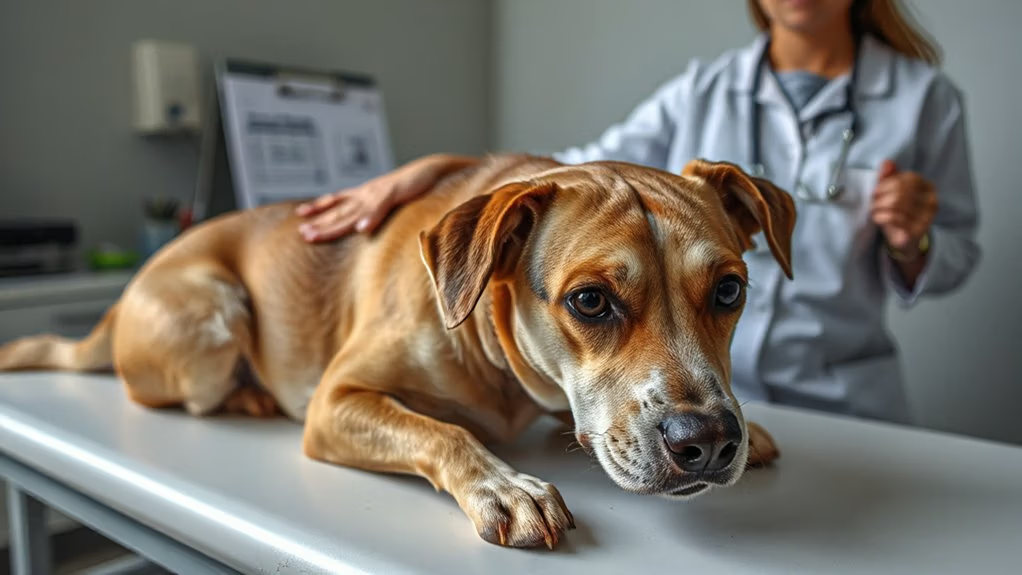
Once you’ve got that vet appointment scheduled, you’ll want to make the most of it. Come prepared with questions that’ll help you understand your dog’s cancer risk.
Ask about breed-specific cancers—some dogs are naturally more susceptible than others. Find out if your pup’s age puts them in a higher-risk category. Request details about warning signs you should watch for between visits.
Don’t shy away from asking about prevention strategies and screening options. Get honest about your dog’s lifestyle and how it factors into cancer development. Ask whether certain vaccinations or dietary changes might reduce risk.
Discuss prevention strategies and screening options openly with your vet, including lifestyle factors, vaccinations, and dietary changes.
Find out what diagnostic tools your vet recommends for early detection. Ask about the cost of screenings so you’re not blindsided later.
Most importantly, ask your vet how often you should return for check-ups. Knowledge is your best defense against missing something serious.
Conclusion
Your dog’s eyes meet yours—you notice something’s shifted. That lump wasn’t there last week. The cough lingers. You’re standing at a crossroads, heart pounding, wondering if you’re overreacting or missing something vital. Don’t second-guess yourself. Your gut knows your pup best. Trust that instinct. Schedule that vet appointment today. Early detection saves lives. You’ve got this, and your faithful companion’s counting on you.