
You’ll notice your pup moving slower in the mornings or favoring one leg over another. Watch for that telltale stiffness when they rise from a nap, or how they hesitate before jumping on the couch. Sometimes they’ll circle before lying down, and their personality might shift—they’re grouchier ’cause those joints ache. Warm joints or subtle swelling around the knees and hips are red flags too. The good news? Catching these signs early makes all the difference in keeping your faithful friend comfortable and spry.
Key Takeaways
- Limping, morning stiffness, and difficulty rising from rest are primary indicators of joint pain and early arthritis.
- Reluctance to jump, shortened stride, and hunched posture suggest dogs are avoiding painful movements due to joint issues.
- Swelling, warmth, or tenderness around joints, knees, hips, and elbows signal inflammation and potential arthritis development.
- Behavioral changes including increased irritability, reduced activity, slower movements, and reluctance to walk indicate developing joint discomfort.
- Contact your vet immediately if you notice patterns of limping, stiffness, or behavioral changes for early diagnosis and treatment.
Which Dogs Are Most Prone to Arthritis?

Just like folks in your family might’ve inherited their daddy’s bad knees, certain dog breeds are naturally more prone to arthritis than others. You’ll notice that larger breeds—your Labs, Golden Retrievers, and German Shepherds—tend to develop joint problems earlier than their smaller cousins. Their size puts extra stress on those hardworking joints over time.
Don’t overlook the smaller breeds either. Dachshunds, with their long backs and short legs, face their own struggles. Bulldogs and Pugs, bred with those adorable flat faces, often battle arthritis too.
Age matters just as much as breed. If your dog’s already in their senior years, you’ve got reason to pay closer attention. Previous injuries or a heavier weight can speed things along too. The key’s catching those early warning signs before arthritis takes real hold on your faithful companion’s joints.
Limping, Stiffness, and Difficulty Rising
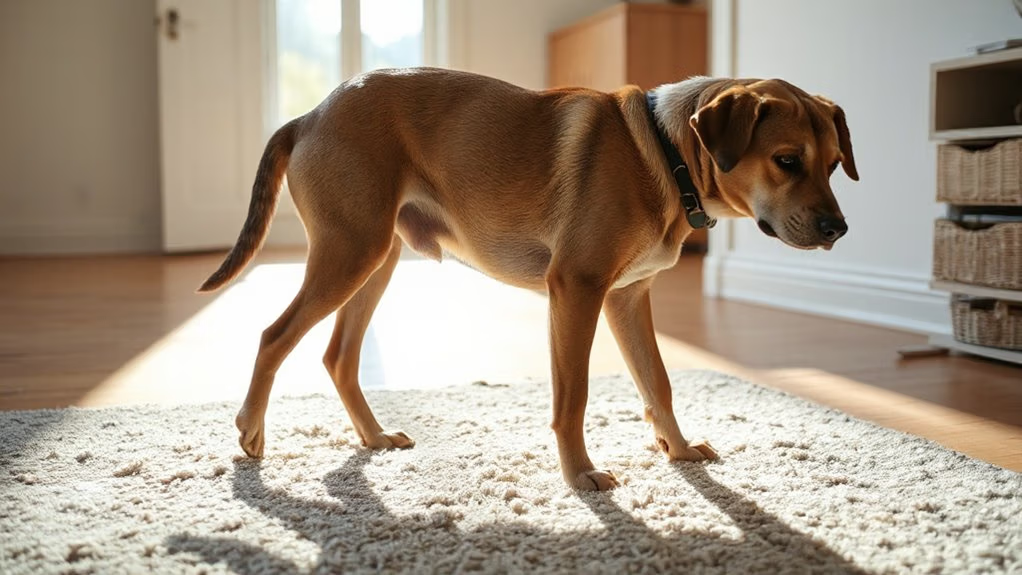
When your dog starts favoring one leg or moving a bit slower after a good nap, you’re witnessing one of arthritis’s earliest calling cards. These subtle shifts in how your pup gets around shouldn’t go unnoticed.
You’ll want to watch for these telltale signs:
| Sign | What You’ll Notice |
|---|---|
| Limping | Your dog carries weight unevenly on their legs |
| Morning Stiffness | They move like they’re creaky after rest |
| Slow Rising | Getting up from lying down takes extra effort |
| Reluctance to Jump | They avoid furniture or car entry |
| Shortened Stride | Their gait becomes noticeably shorter |
Pay attention when your dog hesitates before climbing stairs or jumping on the couch. That momentary pause speaks volumes. Early intervention makes a real difference in keeping your companion comfortable and active. Don’t chalk it up to just getting older—arthritis develops gradually, and catching it early gives you the best shot at managing it effectively.
Changes in Your Dog’s Gait and Posture
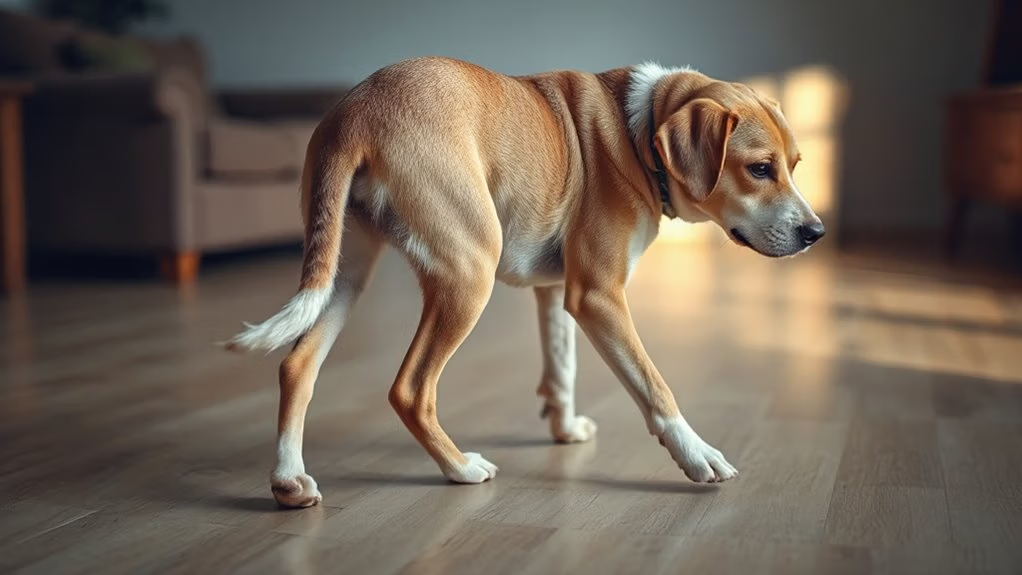
As arthritis takes hold, you’ll notice your dog’s whole bearing starts to shift—the way they stand, walk, and carry themselves tells a story worth heeding. Your pup might shift their weight more toward their front legs, favoring healthier joints while protecting the aching ones. You’ll spot them adopting a hunched posture, almost like they’re trying to minimize movement through their spine.
Their gait changes too—what used to be a confident stride becomes shorter and more shuffled. They might swing their back legs wider or move them stiffly, like they’re working through invisible resistance. Some dogs develop a “bunny hop” when their hind legs aren’t cooperating properly.
Pay attention to how they settle down. A dog with arthritic pain often circles more before lying down, searching for just the right position that doesn’t aggravate their joints. These postural changes aren’t just cosmetic—they’re your dog’s way of communicating discomfort.
Joint Swelling, Heat, and Sensitivity
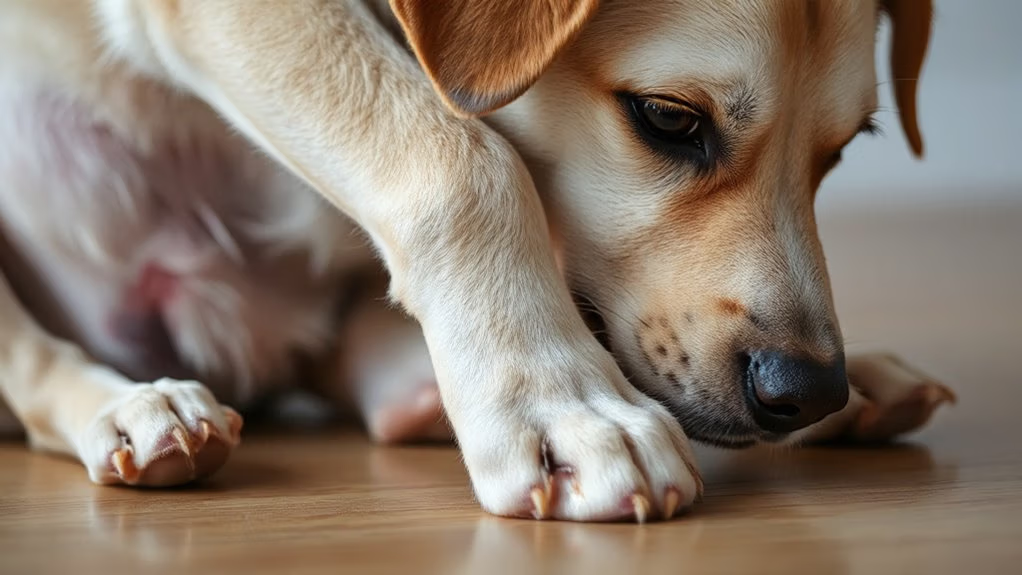
You’ll want to run your hands over your pup’s joints regularly, feeling for any swelling or warmth that wasn’t there before—sometimes a dog’s body tells you what their behavior can’t. Pay close attention when you touch their legs and hips, as arthritis often announces itself through tender spots that’ll make your dog flinch or pull away. If you notice heat radiating from a joint or puffiness around the knees and shoulders, you’ve spotted something worth mentioning to your vet.
Recognizing Swollen Joint Areas
One of the telltale signs that arthritis’s taken hold of your dog is swelling around the joints—it’s something you’ll spot if you know what to look for. Start by gently running your hands along your pup’s legs, feeling for any puffiness or heat compared to their healthy joints.
| Joint Area | What to Feel | Warning Sign |
|---|---|---|
| Knees | Smooth, cool | Warm, puffy |
| Hips | Firm, even | Enlarged, tender |
| Elbows | Symmetrical | Asymmetrical swelling |
| Shoulders | Flexible | Stiff, hot |
| Ankles | Bony prominence | Rounded thickness |
You’ll notice your dog might favor one leg or hesitate climbing stairs. That swelling don’t lie—it’s inflammation working overtime. Catching it early means you can help your faithful friend feel better sooner.
Detecting Heat and Tenderness
Beyond what your eyes can see, your fingertips’ll tell you plenty about what’s happening beneath your dog’s fur. Gently run your hands along your pup’s joints—knees, hips, shoulders, and elbows—feeling for warmth that shouldn’t be there. Arthritic joints often radiate heat like a wood stove on a cold morning.
Notice if your dog flinches when you touch certain areas. That’s tenderness talking, and it’s your signal something’s amiss. Press lightly around the joint; if your dog pulls away or yelps, you’ve found trouble.
Compare both sides of your dog’s body. One joint warmer than its partner? That’s worth mentioning to your vet. These tactile clues catch problems your eyes might miss, giving you a head start on managing your dog’s comfort and health.
Behavioral Signs of Arthritis: Irritability and Reduced Activity
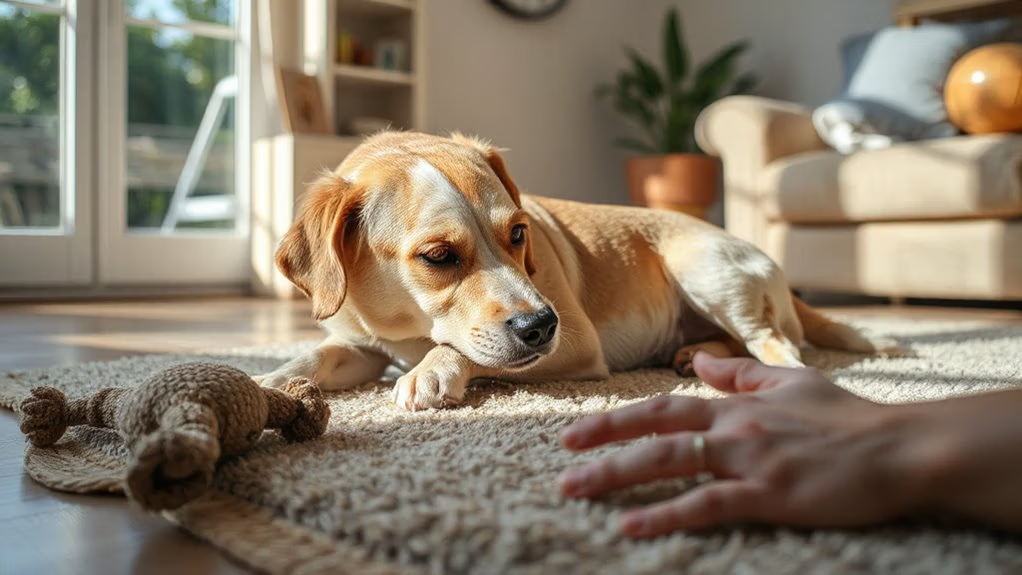
As your dog’s joints start wearing down, you’ll notice a shift in their personality that can break your heart a little. Your once-spirited companion might become grumpy or snap at things that never bothered them before. That irritability? It’s pain talking, plain and simple.
You’ll also see them moving less—skipping their favorite walks or hesitating before jumping on the couch. Where they’d once race around the yard, now they’re conserving energy, moving slower and more deliberately. They might spend more time resting in one spot, reluctant to get up and greet you at the door like they used to.
These behavioral changes often appear gradually, so you might miss them at first. But pay attention. When your dog’s activity drops off noticeably and their temperament shifts toward crankiness, arthritis could be settling in. Early recognition gives you the best shot at managing their comfort and keeping them mobile.
Reluctance to Jump, Climb Stairs, or Play
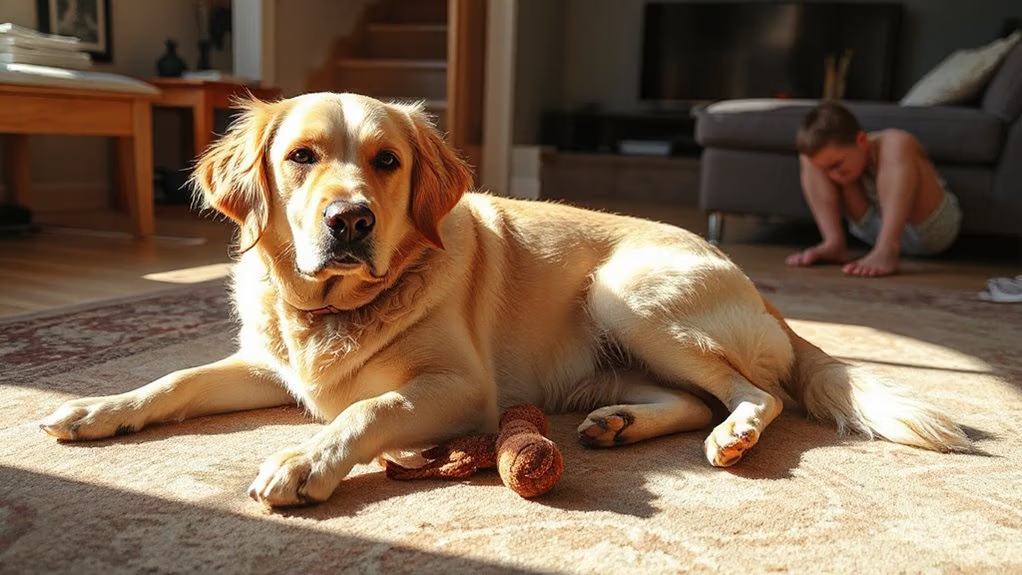
Your dog’s reluctance to jump on the bed or climb those porch steps? That’s often one of the earliest whispers that arthritis‘s creeping in. You’ll notice your pup taking the long way around furniture or hesitating before hopping into the car—movements that used to come natural as breathing now cause a visible pause.
Playing fetch might lose its appeal altogether. Your dog won’t bound after that tennis ball like before, choosing instead to watch from the sidelines. Stairs become a mountain to climb, and you might catch your furry friend limping slightly after playtime.
These aren’t signs of laziness or age-related slowdown alone. They’re your dog’s way of protecting aching joints. The pain’s real, even if it’s not always obvious. When you see these changes, it’s time for a veterinary check-up. Early intervention can make a world of difference in keeping your companion comfortable and mobile.
Should You Call the Vet? Signs It’s Time
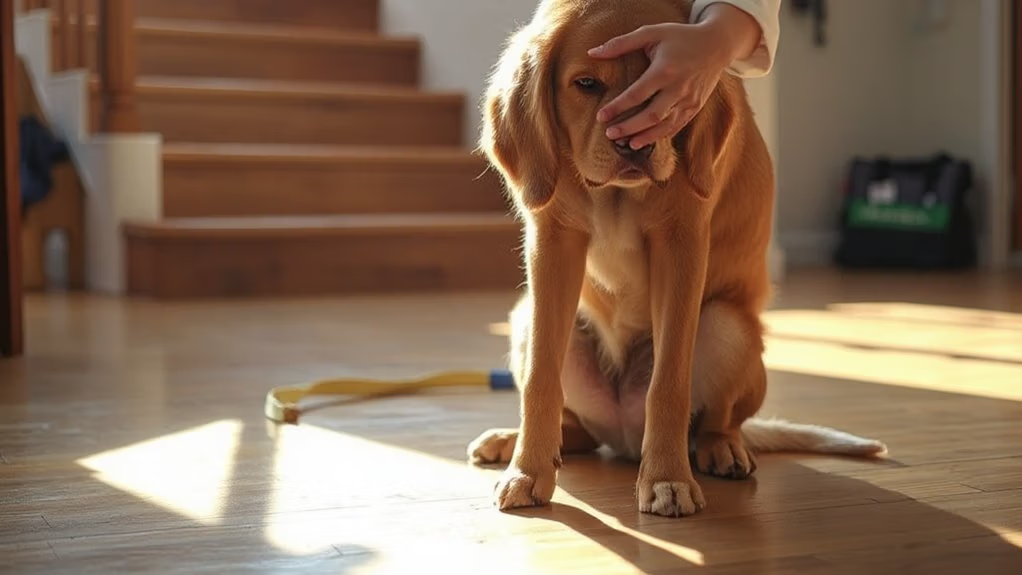
You’ll want to pick up the phone when your pup’s limp doesn’t improve after a few days or gets worse, as that’s your signal something needs professional attention. Watch for behavior shifts too—if your dog’s acting withdrawn, snapping when touched, or having trouble settling down at night, those changes often tell you arthritis is stealing their comfort. Catching these signs early and getting your vet’s eyes on things can make all the difference in keeping your faithful friend moving easier.
When Limping Becomes Serious
Most dog owners know that occasional stiffness or a mild limp can happen to any pup, but there’s a real difference between a fleeting soreness and something that’s genuinely troubling.
You’ll want to call your vet when you notice patterns in your dog’s behavior. Watch for these warning signs:
| Sign | What It Means | Action |
|---|---|---|
| Limping that lasts over a week | Possible joint damage | Schedule a vet visit |
| Reluctance to jump or climb stairs | Pain with movement | Get evaluated promptly |
| Swelling or heat around joints | Inflammation present | Contact your vet today |
If your sweet companion avoids putting weight on a leg or shows visible distress, don’t wait. Arthritis progresses quietly, and early intervention makes all the difference. Your vet can confirm what you’re seeing and start treatment before things worsen.
Behavioral Changes Worth Noting
Beyond the limp and the stiff joints, arthritis whispers its presence through subtle shifts in how your dog acts day to day. You’ll notice your pup hesitating before jumping on the couch or climbing stairs—movements they once tackled without a second thought. They might seek out softer spots for resting or become withdrawn during playtime.
Watch for grumpiness too. A dog in pain can snap unexpectedly or avoid being touched in certain areas. You may catch them licking or chewing at their joints obsessively.
These behavioral changes often signal it’s time to call your vet. Your dog’s trying to tell you something’s wrong, and early intervention can make a real difference in their comfort and quality of life.
Managing Early-Stage Arthritis at Home

When your dog’s joints start achin’ up, the good news is that you’ve got plenty of options right there in your own home to help ease their discomfort.
Start by makin’ simple changes that’ll make a real difference:
Start by makin’ simple changes that’ll make a real difference in your dog’s joint comfort and mobility.
- Adjust their sleepin’ spot – Give ’em an orthopedic bed that cushions their joints and keeps ’em cozy through the night
- Keep ’em movin’ gentle-like – Short, regular walks beat one long strenuous outing every time
- Watch their weight – Extra pounds put strain on those weary joints, so portion control matters
- Warm compresses work wonders – Heat before activity loosens things up, while ice after activity reduces swellin’
You’ll also want to keep food and water bowls at chest height so your pup don’t have to bend down so far. Consider ramps or steps for furniture and vehicles too. These modest adjustments, paired with your vet’s guidance,’ll keep your faithful friend more comfortable and mobile through their golden years.
Conclusion
You’re your pup’s best champion, honey. Catching arthritis early is like stopping a leak before it floods the whole house—it makes all the difference. Pay attention to how your sweet companion moves, and don’t brush off those little signs. With some TLC, the right exercises, and your vet’s guidance, you can keep that tail wagging and those joints moving smooth as butter for years to come. Your devotion matters more than you know.