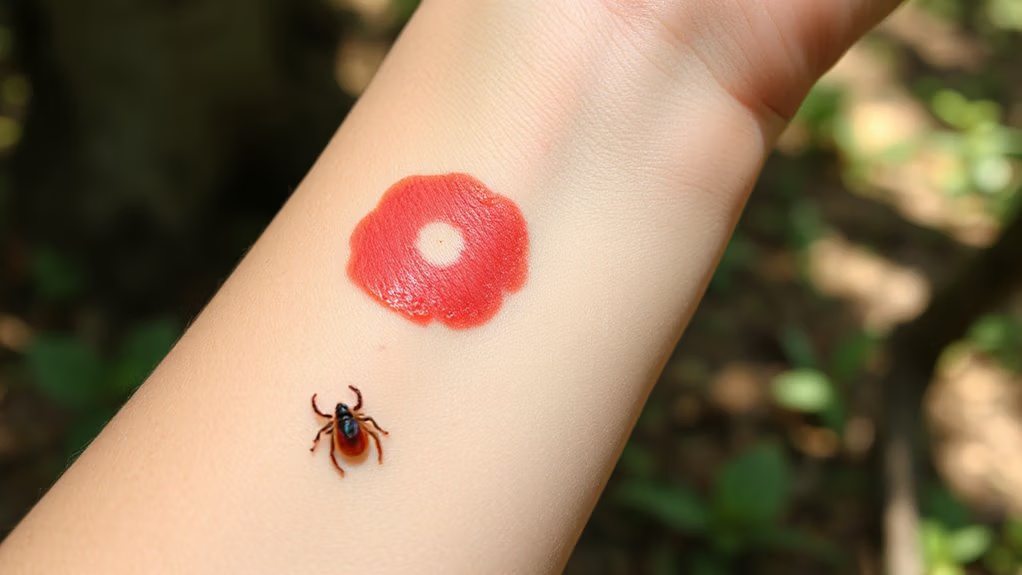
You might not spot a tick right away, but your body’ll tell you something’s wrong. Watch for red bumps, itching, or that telltale bull’s-eye rash. Flu-like symptoms, body aches, and exhaustion can hit within days. You might notice swollen glands, joint pain, or weakness that makes simple tasks feel impossible. If you’ve been outdoors and these signs show up, don’t brush ’em off—your doctor needs to know. There’s quite a bit more to understand about protecting yourself.
Key Takeaways
- Red or inflamed bumps appear at the bite site within days due to the body’s reaction to tick saliva.
- A bull’s-eye rash (erythema migrans) may develop days or weeks after the bite and warrants immediate medical attention.
- Flu-like symptoms including fever, chills, muscle aches, and fatigue can occur within three to thirty days of exposure.
- Joint pain and swelling, particularly in knees and ankles, may develop as inflammation spreads after a tick bite.
- Persistent fatigue, weakness, and mental fog despite adequate rest suggest potential tick-borne infection requiring medical evaluation.
Red or Inflamed Bump at the Bite Site

When a tick’s been feeding on you, you’ll often notice a red or inflamed bump right where it attached itself to your skin. This telltale reaction is your body’s natural defense mechanism kicking in as it responds to the tick’s saliva and the wound itself.
The bump typically appears within a few hours to a few days after the tick’s latched on. You might experience itching or mild tenderness around the area, making it hard not to scratch. Don’t give in to that urge, though—scratching can introduce bacteria and complicate healing.
The redness usually fades within a few days, even if you don’t remove the tick. However, if you spot the tick while it’s still attached, removing it promptly prevents further irritation and reduces disease transmission risk. Clean the area with soap and water afterward, and monitor it for any changes over the coming weeks.
Itching Around the Tick Bite
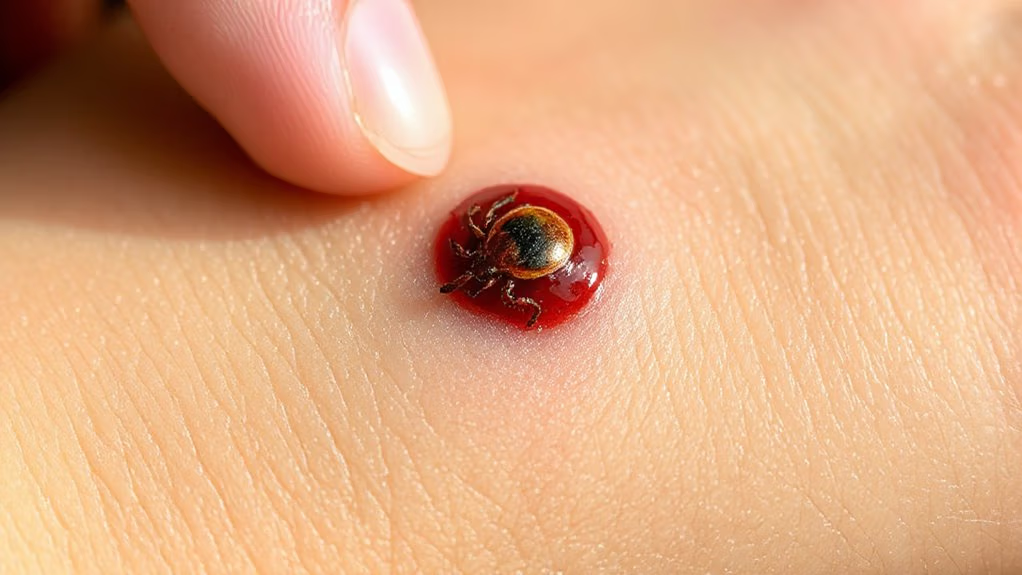
That maddening itch around a tick bite can drive you absolutely crazy. You’ll likely notice this sensation developing within days of the bite, sometimes even before you spot the tick itself.
Here’s what you’re experiencing:
- Histamine release – Your body’s immune response triggers itching as it reacts to the tick’s saliva
- Localized inflammation – The area swells slightly, intensifying that urge to scratch
- Nerve irritation – Sensory nerves around the bite become activated and hypersensitive
The itching typically peaks within the first week, then gradually subsides. However, resist the urge to scratch—you’ll only introduce bacteria and risk infection. Instead, apply hydrocortisone cream, take an antihistamine, or use a cold compress for relief.
Everyone’s itch threshold differs. Some folks barely notice it; others find it incredibly bothersome. If the itching persists beyond two weeks or worsens, contact your doctor. That persistent scratching might signal a developing infection or an allergic reaction requiring medical attention.
Bull’s-Eye Rash (Erythema Migrans)
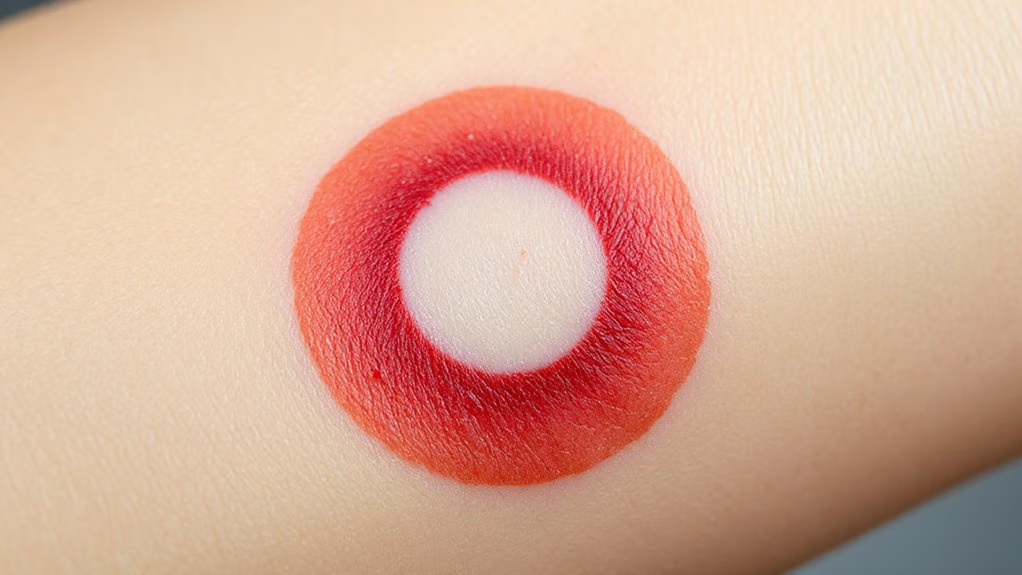
While itching around the bite’s a common nuisance, you’ll want to watch for something more distinctive—a bull’s-eye rash that can appear days or even weeks after you’ve been bitten.
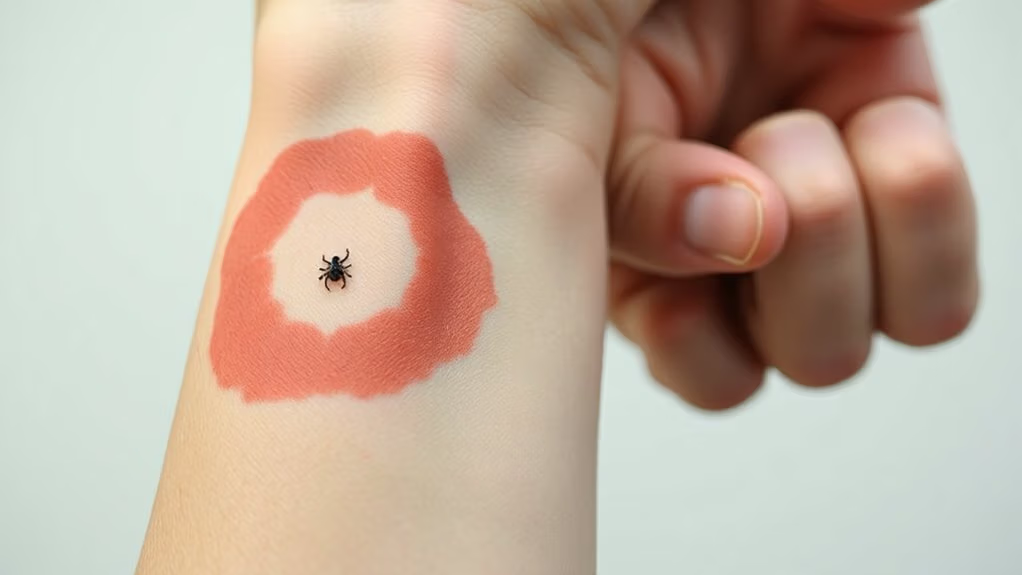
This telltale rash, medically called erythema migrans, typically develops from Lyme disease-carrying ticks. You’ll notice a red circular patch that gradually expands outward, often creating that characteristic bull’s-eye pattern with a clear center ring.
The rash doesn’t always itch or hurt, so you might miss it if you’re not paying attention. It can grow quite large—sometimes reaching several inches across—and you may develop multiple rashes on different parts of your body.
If you spot this distinctive marking, contact your doctor promptly. Early treatment with antibiotics can prevent serious complications like joint pain, neurological issues, and heart problems that Lyme disease can cause if left untreated.
Flu-Like Symptoms Within Days of Exposure
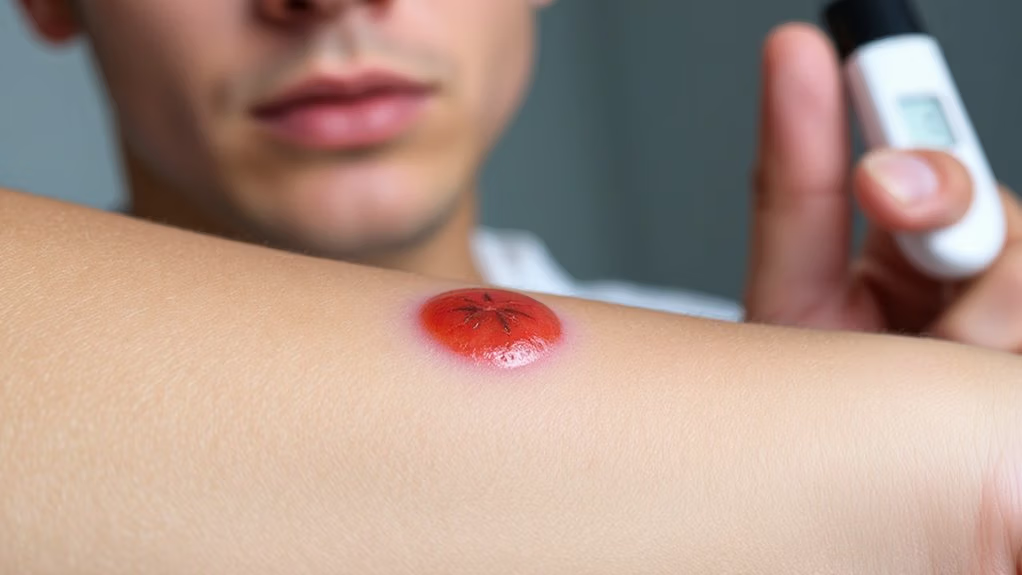
Beyond the rash, you might develop flu-like symptoms within a few days of a tick bite—and they’re easy to mistake for a regular cold or seasonal flu.
If you’ve been bitten, watch for:
- Fever and chills that come on suddenly
- Muscle and joint aches throughout your body
- Fatigue that makes you want to stay in bed all day
- Headaches and general malaise
These symptoms can appear three to thirty days after the tick attaches to you. You’ll feel achy, tired, and under the weather—basically like you’re fighting off the flu. The tricky part? These signs mimic so many common illnesses that you might not connect them to a tick bite at all.
That’s why it’s essential to remember when and where you’ve been outdoors. If you notice these symptoms developing after spending time in wooded or grassy areas, mention the possible tick exposure to your doctor right away.
Body Aches and Widespread Headaches
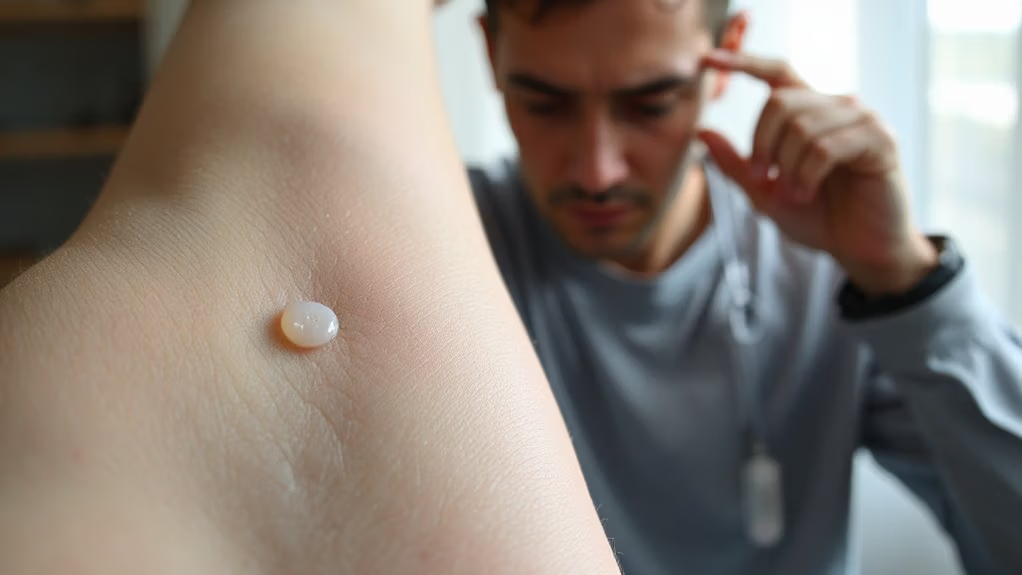
If you’re experiencing body aches that seem to settle into your muscles and joints, you’ve got a telltale sign of a tick-borne illness. These aren’t your typical sore muscles from a workout—they’re often more persistent and widespread.
Alongside those aches, you might notice headaches that won’t quit, even after taking over-the-counter pain relievers. Some folks describe them as a dull, constant pressure that makes it hard to concentrate.
What makes this combination particularly frustrating is that you can’t pinpoint a specific cause. You haven’t overexerted yourself, and you’re not coming down with a cold. These symptoms often appear within days of the tick bite itself, though you might not even remember being bitten.
If you’re noticing both body aches and headaches together, especially after spending time outdoors, it’s worth getting checked out. Early detection matters.
Fever or Chills After Time Outdoors
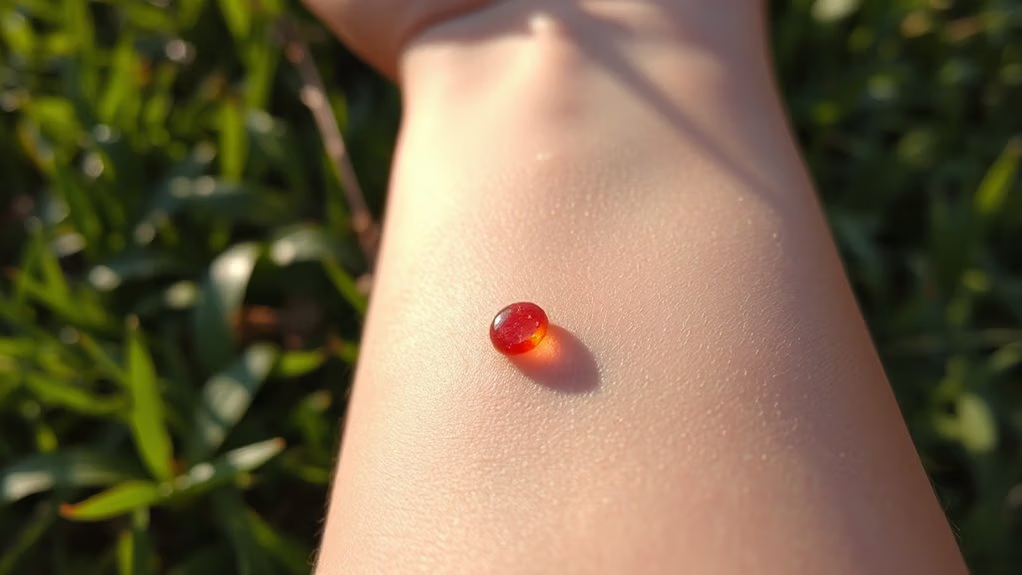
Fever or chills that show up after you’ve been hiking, camping, or spending time in wooded areas can be another red flag for tick-borne illness. If you’re experiencing these symptoms within days or weeks of outdoor adventures, don’t brush them off.
Several tick-borne diseases trigger fever as an early warning sign:
- Lyme disease often causes flu-like symptoms including fever, chills, and fatigue
- Rocky Mountain spotted fever typically brings high fever alongside other symptoms
- Ehrlichiosis produces fever and chills similar to the flu
Your body’s temperature spike is your immune system working overtime to fight infection. Pay attention if you’ve got goosebumps, sweating, or that bone-deep chill feeling. Track when your fever started and any other symptoms you’re noticing. If your fever persists or worsens, contact your doctor promptly. Mention your recent outdoor activities—that detail helps your doctor narrow down testing and treatment options quickly.
Unusual Tiredness and Weakness

You might notice you’re dragging through your day even after a good night’s sleep, which can signal that a tick-borne illness has taken hold. This kind of exhaustion isn’t the normal tiredness you’d shake off with rest—it’s a deeper physical weakness that makes even simple tasks feel draining. If you’ve been outdoors recently and suddenly find yourself struggling with unexplained fatigue, it’s worth getting checked out by a doctor to rule out tick-related infections.
Fatigue Beyond Normal Rest
While a good night’s sleep usually refreshes you, tick-borne illnesses can leave you feeling drained no matter how much rest you get. You might notice you’re exhausted even after sleeping eight hours or more.
This persistent fatigue differs from typical tiredness:
- You feel heavy and sluggish throughout the day, struggling to complete routine tasks
- Your energy doesn’t return despite adequate sleep and rest days
- Brain fog accompanies your exhaustion, making concentration difficult
If you’re experiencing this kind of relentless weariness, especially after a tick bite or time outdoors, don’t brush it off. Your body’s telling you something’s wrong. Consider getting tested for Lyme disease and other tick-borne infections. Early detection makes treatment more effective, helping you reclaim your energy and liveliness.
Weakness and Physical Exhaustion
Beyond the mental fog that accompanies tick-borne illness, you’ll often notice your muscles simply won’t cooperate the way they used to. Your arms feel heavy when you’re lifting groceries, and climbing stairs leaves you breathless. You might struggle to open jars or carry laundry upstairs without needing to sit down.
This weakness isn’t laziness—it’s a real physical symptom. Your body’s fighting the infection, which drains your energy reserves faster than usual. Even light activities exhaust you completely. You’ll find yourself canceling plans because standing through a short errand feels impossible.
If this muscle weakness persists for weeks despite adequate rest, talk to your doctor. They can run tests to confirm whether a tick-borne illness is responsible for your exhaustion.
Joint Pain and Swelling (Days to Weeks Later)
If you’re noticing joint pain and swelling days or weeks after a tick bite, you’ll want to pay attention—it’s a telltale sign of Lyme disease that you shouldn’t ignore. Your body’s inflammatory response kicks into high gear as the infection spreads, causing your joints to swell and ache, particularly in your knees, ankles, and wrists. When this kind of joint trouble shows up alongside your other symptoms, that’s your cue to contact your doctor and get tested right away.
Lyme Disease Joint Involvement
One of Lyme disease‘s sneakier tricks is how it can make your joints hurt and swell days or even weeks after that tick bite. You might not connect the dots at first, but this symptom’s a real tell-tale sign you’ve been infected.
Here’s what you could experience:
- Migratory joint pain that moves from one joint to another
- Severe swelling, particularly in your knees
- Stiffness and reduced mobility that worsens with activity
The thing is, your body’s battling a bacterial infection, and your joints bear the brunt. Some folks describe it as debilitating arthritis. If you’re noticing these symptoms weeks after a tick exposure, especially alongside other Lyme indicators, don’t brush it off. Get tested and see your doctor promptly. Early treatment makes a real difference in preventing long-term joint damage.
Inflammation and Swelling Patterns
The swelling and inflammation you’re experiencing isn’t random—it follows a pretty predictable pattern once Lyme disease takes hold. You’ll typically notice joint pain starting days or weeks after the initial bite, most commonly in your knees, though your ankles, elbows, and wrists can flare up too. The swelling often comes and goes, shifting between joints in a pattern doctors call migratory arthritis. Your knees might swell dramatically one week, then feel better while your shoulder tightens up. The inflammation usually peaks in spring and summer when tick activity peaks. If you’re experiencing this cyclical joint pain alongside other Lyme symptoms, don’t wait—get tested. Early treatment can prevent this swelling from becoming chronic.
When To Seek Medical
Since joint pain can take weeks to develop after a tick bite, you might not immediately connect your swollen knee to that tick you found on your leg last month—but you should.
Tick-borne illnesses like Lyme disease don’t always announce themselves right away. You’ll want to watch for:
- Persistent joint swelling that doesn’t improve with rest or over-the-counter pain relievers
- Migratory pain that moves from one joint to another without clear reason
- Fatigue accompanying your joint symptoms, suggesting systemic infection
If you’re experiencing these signs weeks after a tick bite, don’t brush it off. Contact your doctor and mention the tick exposure specifically. Early treatment makes a significant difference in outcomes. Your healthcare provider can run appropriate tests and start you on antibiotics if needed.
Swollen Glands Near the Bite Site
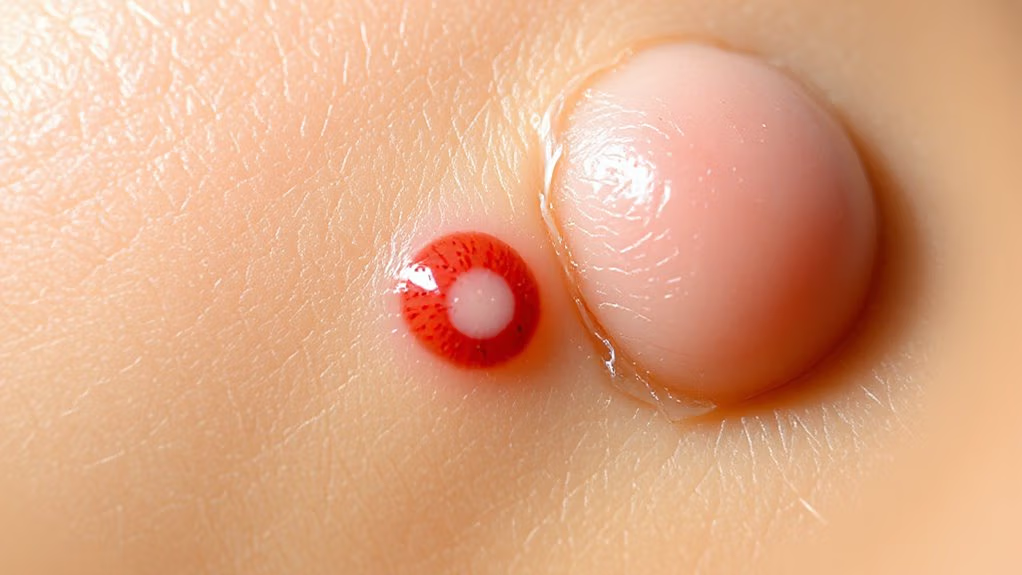
You’ll often notice your lymph nodes swelling up as your body fights off the infection a tick’s left behind. These glands, located in your neck, armpits, and groin, act as your immune system‘s frontline defense. When they’re working overtime, they’ll feel tender and puffy to the touch.
This swelling typically appears within a few days of the bite and can last for weeks. You might also experience mild discomfort when turning your head or raising your arms, depending on which nodes are affected.
Don’t panic if you spot this symptom—it’s actually your body doing its job. However, if the swelling becomes severe, doesn’t improve after three weeks, or you develop fever and fatigue alongside it, that’s your cue to call your doctor. These signs could indicate a more serious tick-borne illness requiring prompt treatment.
When to Seek Medical Attention for a Tick Bite
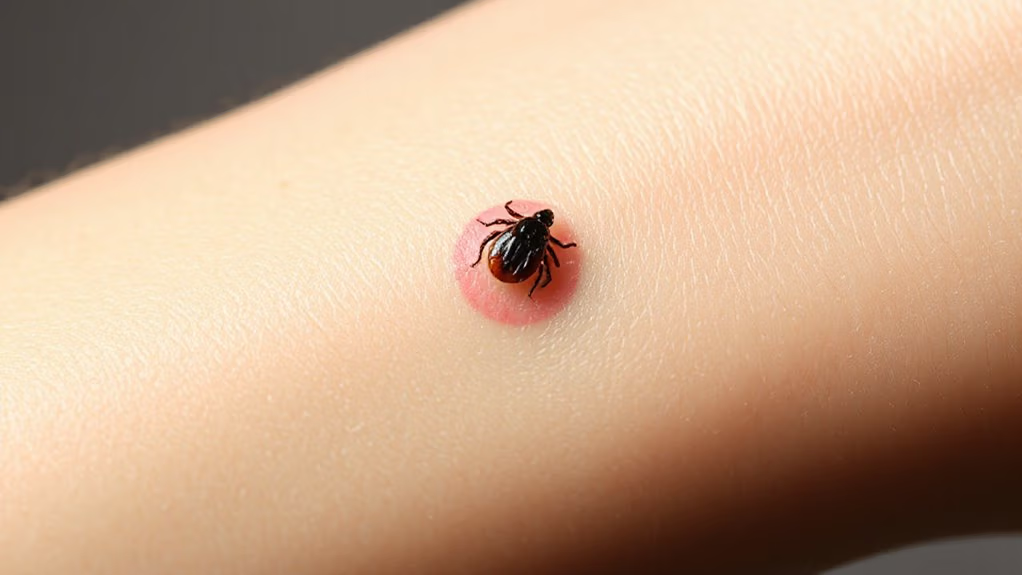
How do you know when a tick bite needs a doctor’s care?
You’ll want to reach out to your healthcare provider if you’re experiencing concerning symptoms. While most tick bites are harmless, some can transmit diseases that warrant professional attention.
Here’s when you should call your doctor:
- You develop a bulls-eye rash (a red circle with a clear center) within 3-30 days of the bite
- You experience fever, chills, body aches, or fatigue following tick exposure
- You can’t remove the tick completely, leaving the head embedded in your skin
Also seek medical attention if you’re unsure whether you’ve removed the entire tick or if you notice signs of infection like increasing warmth, pus, or spreading redness around the bite area.
Don’t hesitate to contact your doctor if you’re worried. It’s better to err on the side of caution with tick-related concerns.
Conclusion
You’ve got to listen to your body—it’s your compass in these woods. That tick’s a thief, stealing your peace of mind and your well-being. When you spot those warning signs, don’t ignore ’em. Trust your gut, reach out to your doc, and take action. You’re stronger than any bug bite, but you’ve gotta stay vigilant. Your health’s worth the effort, friend.