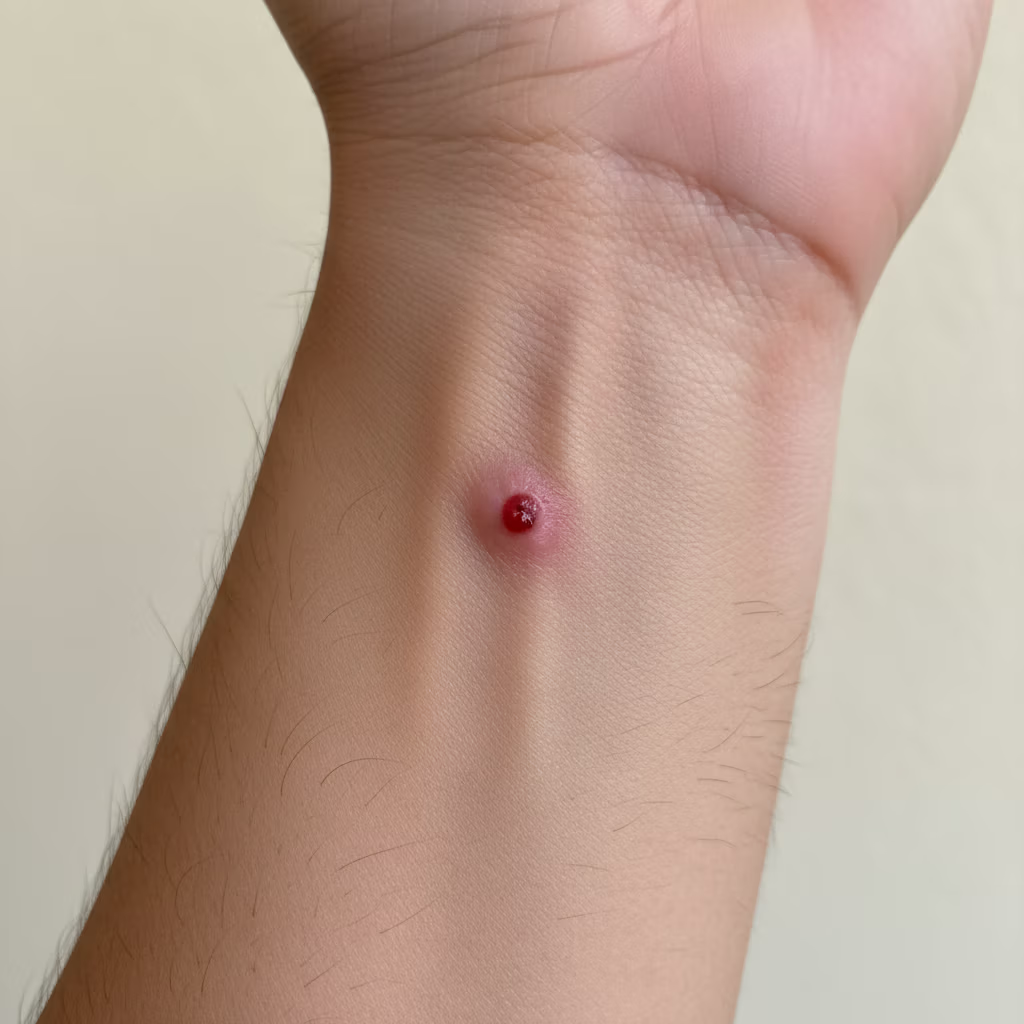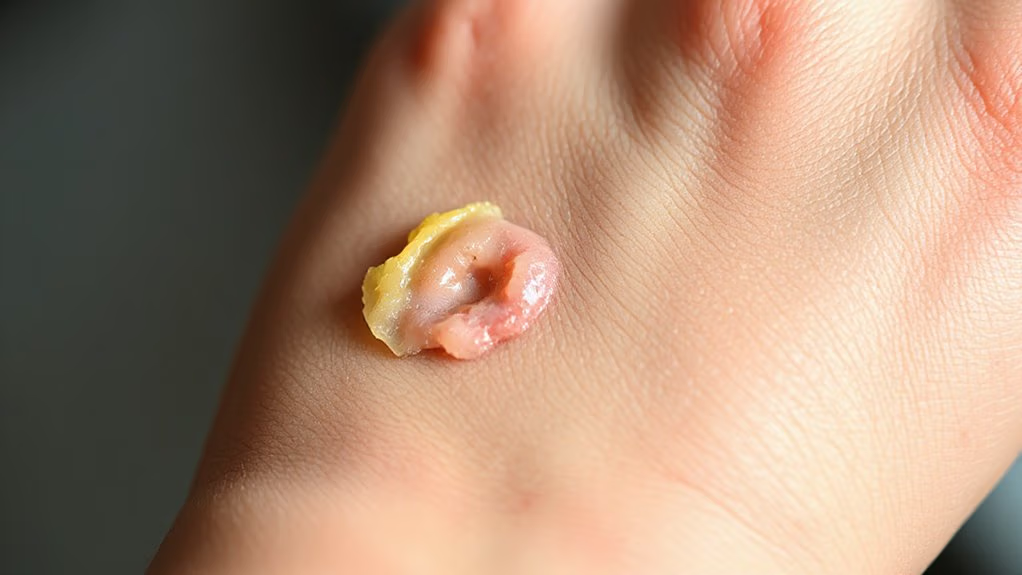
You’re dealing with something serious when you notice redness, warmth, and swelling on your skin that won’t quit. Those stubborn, pus-filled bumps that stick around for weeks? That’s your body sending distress signals. Watch for fever spikes above 101°F, unexpected exhaustion, and tender swollen lymph nodes—they’re all telling you something’s wrong. Red streaks spreading across your skin demand immediate attention, especially if you’re running out of time with home remedies. There’s plenty more to understand about recognizing when you’ve crossed into dangerous territory.
Key Takeaways
- Redness, warmth, and swelling at a localized site indicate an immune response to potential staph infection.
- Pus-filled bumps that persist beyond one to two weeks and don’t respond to typical acne treatment require medical evaluation.
- Sudden fever exceeding 101°F accompanied by chills and body aches signals systemic infection requiring doctor consultation.
- Red streaks spreading from the infection site or swollen, tender lymph nodes indicate serious infection progression.
- Multiple painful boils in friction-prone areas with expanding redness necessitate immediate professional medical attention and care.
Skin Redness, Warmth, and Swelling

When you’ve got a staph infection brewing, your body’s first line of defense shows up pretty quick—and you’ll notice it. The affected area starts turning red as your immune system kicks into gear, flooding the region with blood to fight off the invading bacteria. That redness isn’t random—it’s your body’s way of saying something’s wrong.
Along with the color change, you’ll feel warmth radiating from the spot. Touch it, and it’ll feel noticeably hotter than the skin around it. This heat comes from increased blood flow and inflammation working overtime.
Swelling follows close behind. The tissue puffs up as fluid accumulates in response to the infection. Sometimes this happens gradually; other times it catches you off guard within hours. Together, these three signs—redness, warmth, and swelling—form a classic trio that deserves your immediate attention. Don’t ignore them.
Pus-Filled Bumps That Won’t Clear Up
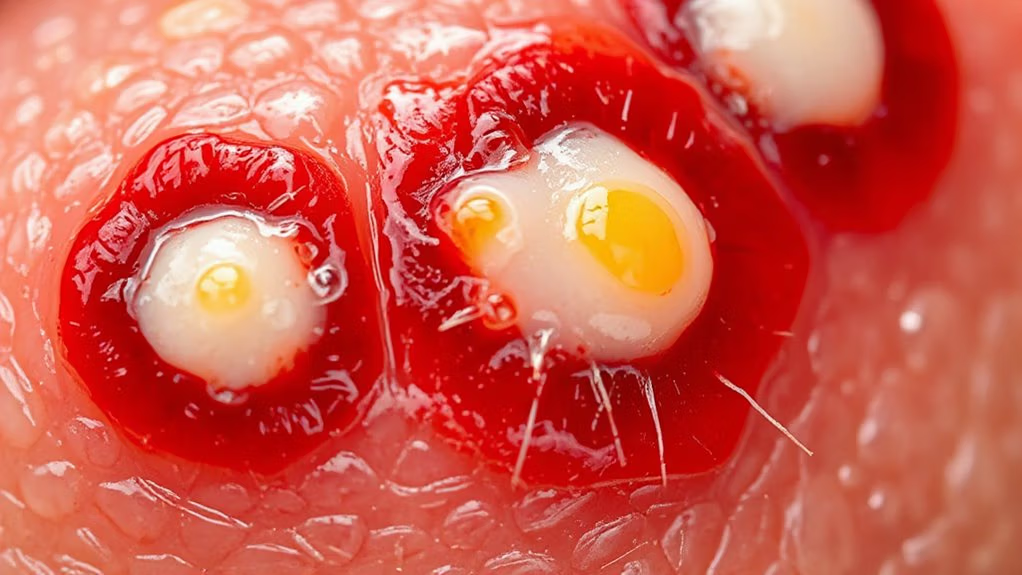
As those initial warning signs develop, you might notice something more specific emerging on your skin—small, pus-filled bumps that just won’t go away. These aren’t your typical pimples that clear up in a few days. Staph-infected bumps tend to stick around, growing more inflamed and uncomfortable as time passes.
You’ll likely notice they’re tender to the touch, and if you squeeze them, they’ll drain pus. That’s actually a telltale sign you’re dealing with a bacterial infection rather than regular acne. The bumps may appear in clusters or spread to different areas as the infection progresses.
What makes these particularly concerning is their stubbornness. Over-the-counter acne treatments won’t budge them. If you’re seeing pus-filled bumps lingering beyond a week or two, that’s your signal to seek medical attention before the infection deepens.
Pain and Tenderness Around the Affected Area
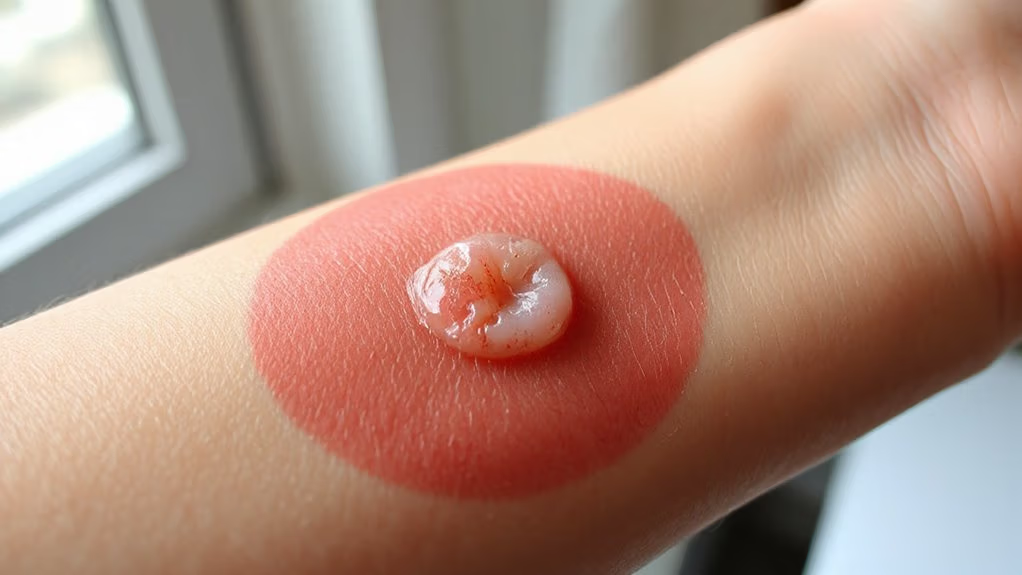
You’ll likely notice that the area around your bump starts hurting more than you’d expect, and you might feel a tender warmth radiating from the spot. That localized discomfort paired with swelling usually signals your body’s fighting an infection, especially when the skin around it turns red and hot to the touch. If you’re experiencing this combination, it’s worth getting checked out soon rather than hoping it’ll pass on its own.
Localized Discomfort and Swelling
One of the earliest clues that you’re dealing with a staph infection is pain and tenderness that shows up right where the infection’s taking hold. You’ll notice the area feels sore when you touch it, almost like you’ve bumped yourself but worse. The discomfort usually builds gradually, then swelling kicks in as your body fights back against the invading bacteria. The skin around the spot might feel warm to the touch and look noticeably puffy. Sometimes you can’t pinpoint exactly what caused it since there’s no obvious injury. That’s what makes staph sneaky—it can develop from the tiniest break in your skin you didn’t even know existed. This localized reaction is your body’s red flag that something needs attention.
Heat and Redness Indicators
Beyond that initial soreness and puffiness, your skin’ll start sending even clearer distress signals. You might notice the area warming up—almost like it’s running its own fever in one spot. That heat comes from your body ramping up blood flow to fight off the infection.
Alongside the warmth, redness spreads around the affected area. The skin takes on a pink or angry red hue that’s hard to miss. You’ll probably feel tenderness when you touch it, making even light pressure uncomfortable.
These heat and redness indicators aren’t your skin just being dramatic. They’re legitimate warning signs that your immune system’s actively battling the staph bacteria. If you’re seeing these changes develop, it’s time to take things seriously and reach out to a healthcare provider.
Fever and Chills: When Infection Enters Your Bloodstream
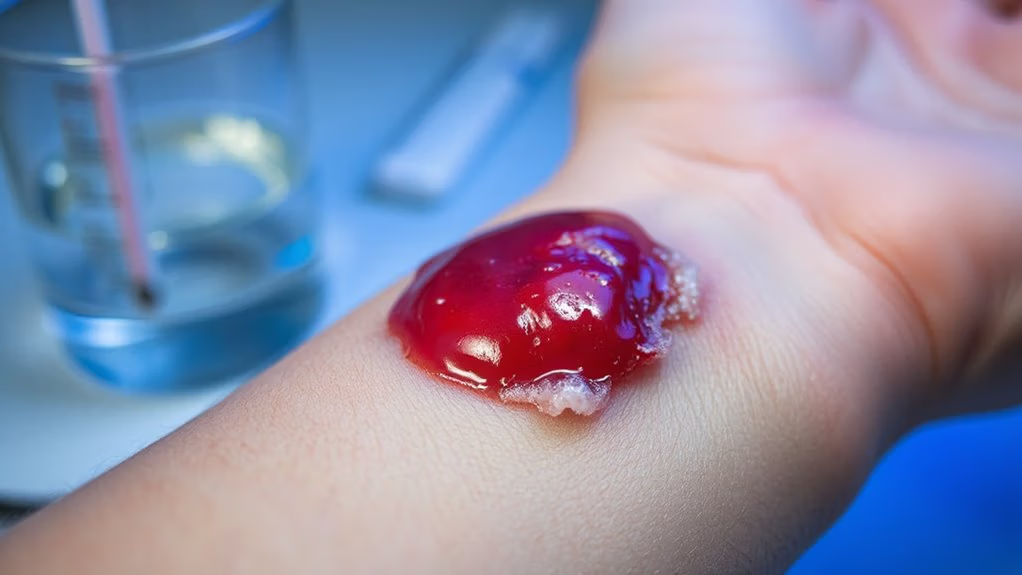
When your staph infection spreads into your bloodstream, you’ll likely notice fever spikes that come on suddenly and can climb higher than typical colds or flu. You might also experience chills and drenching sweats—your body’s way of fighting back against the invading bacteria—and these symptoms often cycle throughout the day. If you’re experiencing these signs along with a fever above 101°F, confusion, or persistent chills, you shouldn’t wait; it’s time to seek medical help right away.
Understanding Fever Spikes
As your body fights off a staph infection, it’ll often turn up the heat—literally. Those fever spikes aren’t random—they’re your immune system‘s battle cry against the invading bacteria.
Here’s what you might experience:
- Temperature jumps from normal to 101°F or higher within hours
- Sweating so intense your clothes become damp and clingy
- Chills that make you shiver uncontrollably despite feeling feverish
- Alternating cycles of burning heat and bone-deep cold
These spikes typically peak in the evening, then ease overnight. You’ll feel exhausted and achy, like you’ve been wrung out. If your fever keeps climbing or doesn’t respond to over-the-counter medications after a few days, that’s your cue to call your doctor. Your body’s fighting hard, but sometimes it needs backup.
Recognizing Chills and Sweats
The chills-and-sweats cycle is your body’s thermostat going haywire. When staph bacteria invade your bloodstream, your immune system cranks up the heat to fight back. You’ll experience sudden, violent chills that make your teeth chatter uncontrollably, followed by drenching sweats that soak right through your clothes.
This isn’t just discomfort—it’s your body’s distress signal. The chills happen as your temperature rises, and the sweats kick in when your body tries to cool down. You might feel freezing cold while simultaneously drenched in perspiration, which sounds paradoxical but feels genuinely awful.
If you’re experiencing this pattern repeatedly, especially alongside fever spikes, don’t brush it off. These alternating chills and sweats strongly suggest infection’s entered your bloodstream and warrant immediate medical attention.
When to Seek Help
You’ve got maybe a couple of hours before you should seriously consider calling your doctor—especially if that fever-and-chills cycle keeps repeating itself.
When infection enters your bloodstream, things escalate quickly. Watch for these warning signals:
- Fever spikes above 101°F paired with uncontrollable shaking
- Sweats so intense you’re soaking through clothes
- Confusion, dizziness, or difficulty staying focused
- Rapid heartbeat or chest discomfort alongside chills
Don’t wait it out hoping it’ll pass. Your body’s sending distress signals, and bloodstream infections won’t resolve on their own. Call your doctor immediately or head to urgent care. If you’re experiencing chest pain, severe shortness of breath, or altered consciousness, go straight to the emergency room. Trust your gut here—you know your body best.
Unexpected Exhaustion and Body Aches
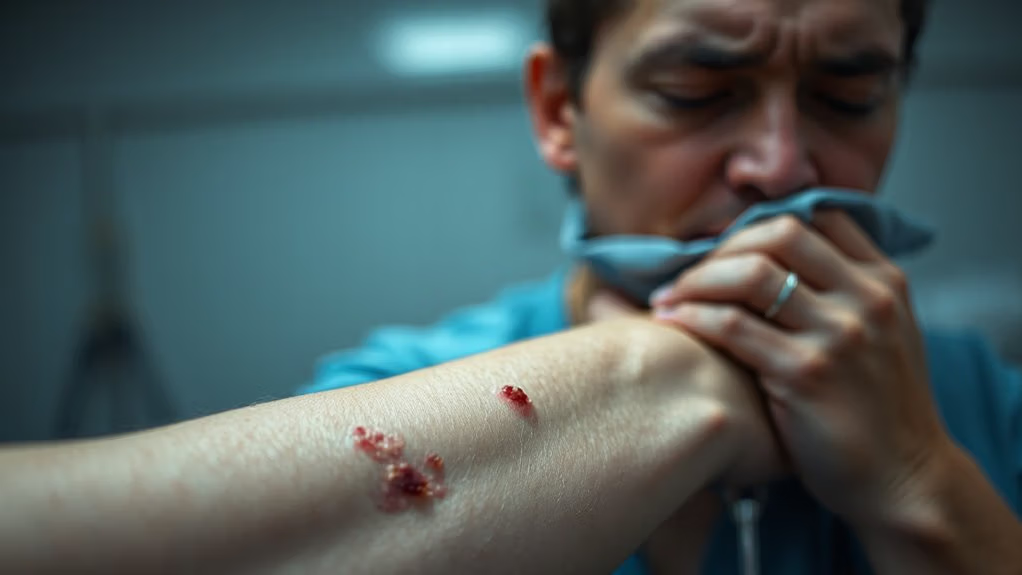
When your body’s fighting off a staph infection, it’ll often send out distress signals that feel like you’ve been hit by a truck—even if you haven’t done anything particularly taxing. You’re not lazy or weak; your immune system’s working overtime, and that takes serious energy.
| Symptom | What It Feels Like | Duration | When to Notice |
|---|---|---|---|
| Fatigue | Bone-deep tiredness | Hours to days | Comes on suddenly |
| Muscle aches | General soreness | Varies | Especially in legs/back |
| Joint pain | Stiffness and achiness | Persistent | Worse with movement |
| Weakness | Difficulty with daily tasks | Escalates | Worsens without treatment |
You might struggle getting out of bed or climbing stairs when you’d normally sail through. This exhaustion paired with body aches isn’t something to brush off. Your body’s telling you something’s wrong. Pay attention to these signals—they’re your early warning system working hard to protect you.
Swollen Lymph Nodes: A Sign Infection Is Spreading

Your lymph nodes—those small, bean-shaped glands scattered throughout your neck, armpits, and groin—are basically your body’s security team. When a staph infection starts spreading, they kick into overdrive, swelling up as they work to fight the invaders.
Your lymph nodes are your body’s security team, swelling up to fight staph infection invaders spreading through your system.
You might notice:
- Tender lumps beneath your skin that hurt when you touch them
- Swelling that’s noticeable enough to see or feel easily
- Warmth radiating from the affected area
- Hardened nodes that don’t move freely under the skin
These swollen lymph nodes aren’t something to ignore. They’re your body waving a red flag, telling you the infection’s gaining ground. If you’re spotting these alongside the exhaustion and body aches from earlier, that’s a signal you need medical attention soon. Your lymph nodes are doing their job—now you’ve got to do yours and get checked out.
Multiple Boils or Clusters of Pustules
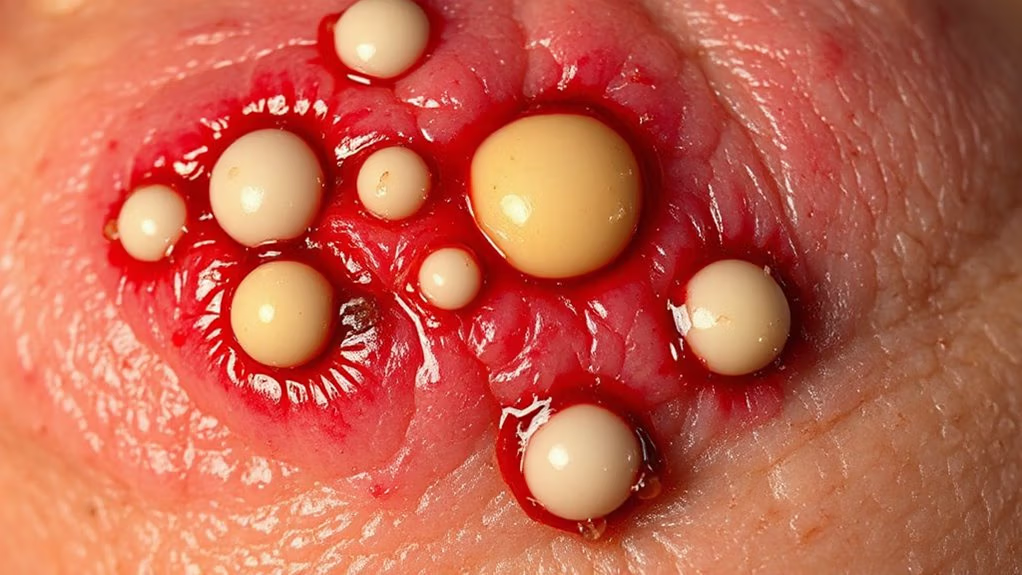
One of the most telling signs that staph’s really taken hold is when boils start popping up—not just one lonely bump, but multiple ones clustered together like an unwelcome rash. When you’re dealing with several boils at once, you’re looking at a more serious infection that’s actively spreading across your skin.
These pustule clusters typically appear in areas where friction or moisture creates the perfect breeding ground: your armpits, groin, or anywhere skin rubs together. You’ll notice they’re painful, filled with pus, and increasingly red as your body fights back.
The real concern here? Multiple boils signal that the infection’s moving beyond a localized problem. Your immune system’s working overtime, and the bacteria’s winning ground. Don’t wait this out hoping they’ll disappear. This is your cue to see a doctor who can properly drain them and prescribe antibiotics to stop the spread before it gets worse.
Red Streaks or Expanding Redness: Infection Accelerating
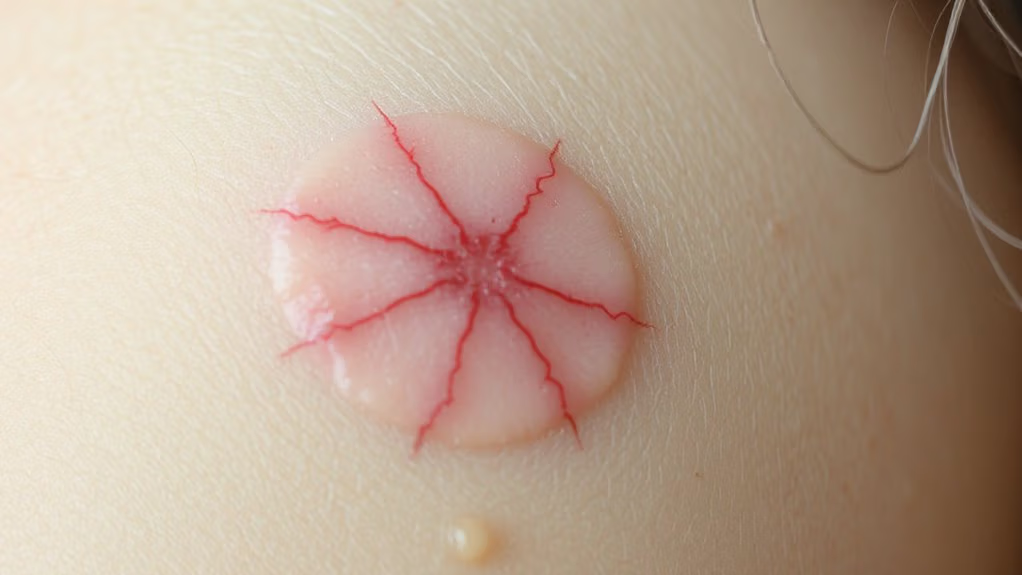
If you’ve spotted multiple boils and now you’re seeing red streaks radiating outward from the infection site, that’s a major red flag—your body’s sending an urgent distress signal. These streaks aren’t just cosmetic concerns; they’re telling you the infection’s spreading faster than you can handle alone.
Pay close attention to these warning signs:
- Red lines traveling up your arm or leg from the infected area
- Expanding warmth and swelling that grows noticeably day by day
- Pink or crimson coloring that wasn’t there yesterday
- Tenderness spreading beyond the original boil’s boundaries
When you’re seeing this progression, you’re not dealing with a minor skin issue anymore. Your lymph nodes might swell, and you could develop fever or chills. This is the moment you need to stop self-treating and call your doctor immediately. Staph infections accelerate quickly, and getting professional help now prevents serious complications down the road.
When to See a Doctor Right Away
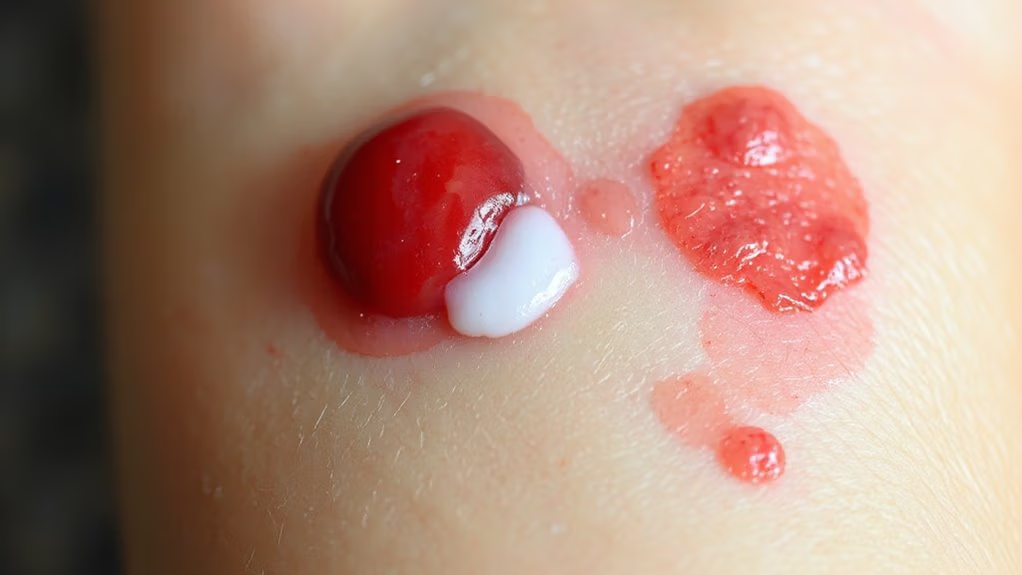
How do you know when it’s time to stop hoping the problem’ll go away on its own?
When you’ve got spreading warmth, swelling that won’t quit, or red streaks climbing toward your heart, you’ve hit that moment. Don’t wait. Fever paired with skin infection means your body’s waving a red flag—get to urgent care or your doctor immediately.
You’ll want professional eyes on it if the infected area keeps growing despite home care, if you’re developing chills or body aches, or if you notice pus that won’t drain. These aren’t signs of something minor.
Diabetics, folks with weakened immune systems, and anyone on certain medications should call sooner rather than later. Same goes if you’ve got multiple infected spots popping up.
Staph can turn serious fast. Trust your gut—if something feels genuinely wrong, it probably is.
Conclusion
Look, you’ve got a nasty situation brewing if you’re noticing your skin throwing a red, warm tantrum with pus-filled party favors. Your body’s basically screaming for help through fever, chills, and those lovely red streaks that say “infection’s making itself at home.” Don’t be the hero here—you’re not a medical drama protagonist. Get yourself to a doctor before your lymph nodes start their own rebellion and you’re genuinely sorry you waited.