Your body’s warning signs shouldn’t be ignored when your heart’s in trouble. You might feel chest squeezing, pain radiating to your arm or jaw, or sudden shortness of breath. Cold sweats, nausea, and unexplained fatigue can signal real distress—not just a bad day. Indigestion that won’t quit or back pain appearing suddenly deserve attention too. If you’re experiencing these symptoms, call 911 right away. Understanding each warning sign’s nuances could genuinely save your life.
Key Takeaways
- Chest pain or pressure behind the breastbone that may radiate to the arm, neck, jaw, or back requires immediate emergency attention.
- Shortness of breath combined with chest discomfort indicates the heart struggles to pump oxygen-rich blood effectively and demands urgent care.
- Cold sweats, nausea, and lightheadedness accompanying chest symptoms signal serious heart distress and warrant calling 911 immediately.
- Sudden unexplained fatigue that worsens with activity and doesn’t improve with rest may precede heart events, especially in women.
- Irregular heartbeats, prolonged palpitations, and unexplained upper abdominal or back pain appearing suddenly require emergency medical evaluation.
Chest Pain or Pressure: The Classic Warning Sign

When your heart’s in trouble, it’ll often send you a message right through your chest. You might feel a squeezing sensation, like someone’s wrapping a tight band around your ribs. This pressure can range from mild to intense, and it won’t simply fade away.
The discomfort typically centers behind your breastbone, though it can radiate to your left arm, neck, jaw, or back. Don’t mistake it for indigestion or muscle strain—heart-related chest pain feels distinctly different. You’ll notice it doesn’t improve with stretching or position changes.
Heart pain centers behind your breastbone and radiates outward—it won’t improve with stretching or position changes.
Pay attention if you’re experiencing heaviness, tightness, or aching in your chest, especially when combined with shortness of breath, nausea, or cold sweats. These symptoms cluster together for a reason—your body’s working hard to alert you.
Trust your instincts. If something feels genuinely wrong, call emergency services immediately. Minutes matter when your heart’s at risk.
Pain Radiating to Your Arm, Neck, or Jaw

You might notice your left arm acting up—tingling, numbness, or a dull ache that seems to come out of nowhere during a heart attack. Your jaw and neck can join the party too, sending signals that feel like tooth pain or stiffness you can’t quite explain. These radiating sensations happen because your heart and these areas share nerve pathways, so your body’s distress call gets a bit scrambled on its way to your brain.
Left Arm Discomfort Patterns
One of the most telltale signs that your heart’s in trouble is discomfort that spreads beyond your chest—it’s like your body’s sending out an alarm through multiple channels at once.
You might feel a dull ache creeping down your left arm, or sharp twinges that come and go. Sometimes it’s a tingling sensation, other times a heaviness you can’t quite shake. Your neck might feel tight, your jaw might ache like you’ve been clenching it all day, and that left shoulder could throb unexpectedly.
Here’s what matters: these sensations often arrive alongside chest discomfort, though not always. Don’t wait or brush them off as muscle strain. If you’re experiencing these patterns, especially when they’re new or unusual for you, call emergency services immediately. Your body’s trying to tell you something important, and it’s worth listening.
Jaw And Neck Sensations
There’s something particularly unsettling about pain that shows up in your jaw or neck during a heart event—it doesn’t announce itself the way chest pain does, so folks often mistake it for a dental problem or a strained muscle. You might find yourself calling your dentist instead of 911, which could cost you precious time.
This jaw and neck discomfort often radiates from your chest upward, especially when combined with other symptoms like shortness of breath or cold sweats. Pay attention if you’re experiencing unexplained soreness in these areas alongside general malaise. Your body’s trying to tell you something important. When in doubt, get checked out immediately. It’s always better to err on the side of caution with your heart.
Shortness of Breath That Comes With Chest Discomfort
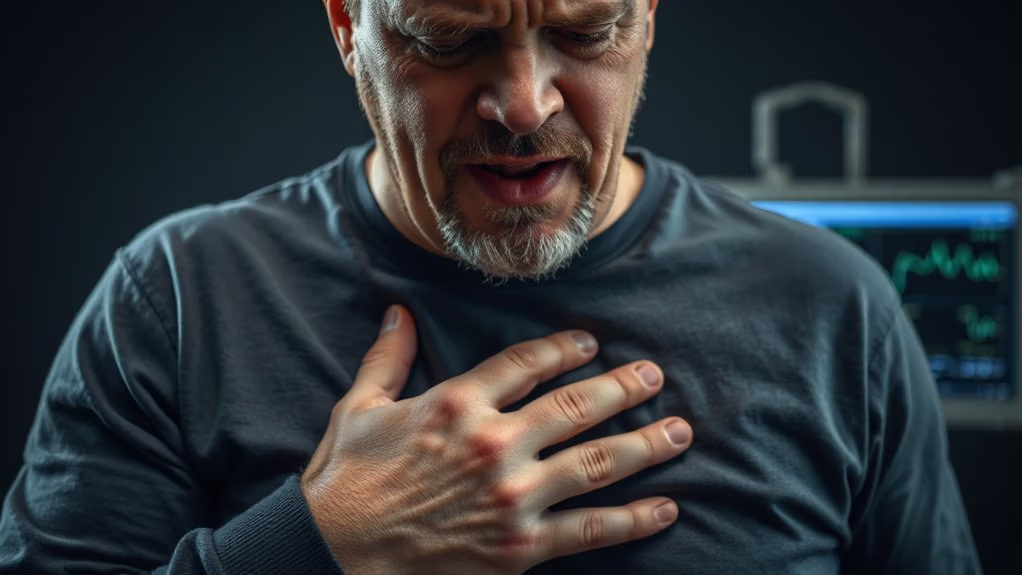
When you’re gasping for breath alongside chest discomfort, your body’s sending you a message that shouldn’t be ignored—and that’s what makes this combination so important to understand. You’ll want to know why these two symptoms together raise serious red flags for your heart, because recognizing the connection could save your life. We’ll also walk you through exactly when you need to pick up that phone and call for emergency help, so you’re never left wondering if this moment matters.
Why Breathing Problems Matter
If you’re experiencing chest discomfort alongside breathing difficulties, your body’s sending you a signal that shouldn’t be ignored. Your heart’s working overtime, and it’s struggling to pump oxygen-rich blood efficiently throughout your system.
When your lungs can’t keep up, you’ll feel that desperate gasping sensation—like you’ve climbed stairs that weren’t there. This combination matters because it reveals your heart’s distress in real time. You’re not just uncomfortable; you’re potentially facing a medical emergency.
Don’t brush it off as anxiety or exhaustion. That shortness of breath paired with chest discomfort is your body’s way of waving a red flag. Trust your instincts. Call emergency services immediately. Your life depends on recognizing this critical connection between your breathing and your heart’s health.
When To Seek Emergency Care
The moment you feel chest discomfort paired with shortness of breath, you’ve got one job: get help now. Don’t wait it out. Don’t convince yourself it’s indigestion or stress. Call 911 immediately—not your doctor, not a friend. Tell the dispatcher what you’re experiencing so paramedics arrive prepared.
While waiting, sit down and try to stay calm. Loosen tight clothing around your neck and chest. If you’ve got aspirin nearby and aren’t allergic, chew it. Keep your phone handy and open your door so help can get inside quickly.
Minutes matter. Every second counts when your heart’s in trouble. Trust your gut. Your body’s telling you something’s wrong, and you’re smart enough to listen.
Cold Sweats, Nausea, and Lightheadedness

Beyond the chest pain you’ve heard about, your body’s sending out other distress signals that deserve your attention. When your heart’s struggling, you might break into a cold sweat that’s got nothing to do with the temperature around you. Your skin’ll turn clammy, and you’ll feel like something’s genuinely wrong—because it is.
Nausea can creep in alongside that sweating, sometimes making you feel like you’re about to be sick. Don’t brush it off as something you ate. Lightheadedness or dizziness often tags along too, making the room spin when you stand or move.
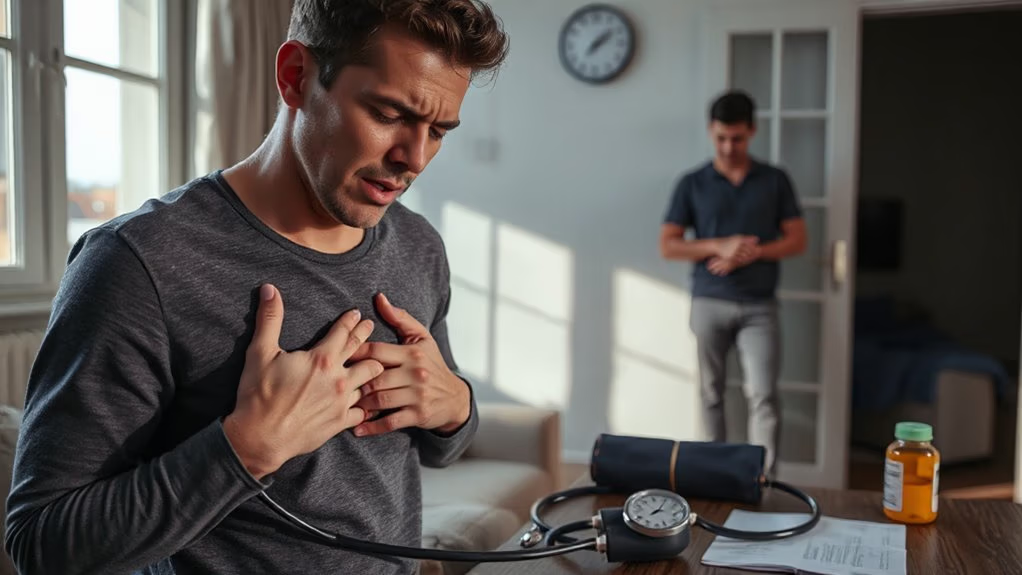
These symptoms cluster together because your heart’s not pumping enough blood to your brain and crucial organs. Your body’s alarm system is working overtime. Trust that feeling. If you’re experiencing these signs, especially with any chest discomfort, call 911 immediately. Don’t wait or drive yourself to the hospital.
Extreme Fatigue or Weakness Without Explanation
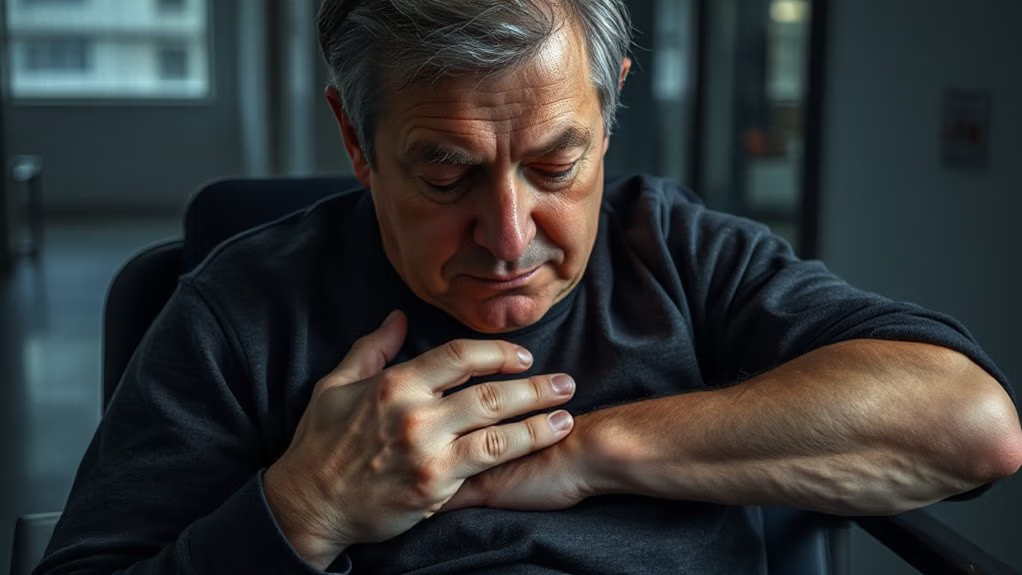
One moment you’re going about your day, and the next you’re dragging yourself through simple tasks that normally don’t wear you down. That bone-deep exhaustion? It’s worth paying attention to.
Unlike typical tiredness, heart-related fatigue hits differently. You might notice you can’t climb stairs without gasping or that grocery shopping leaves you completely spent. Women especially report this symptom before a heart attack—sudden weakness that no amount of rest seems to fix.
| Sign | Duration | Response |
|---|---|---|
| Normal Fatigue | Hours to days | Rest helps |
| Heart-Related Weakness | Sudden onset | Worsens with activity |
| Accompanying Symptoms | Persistent | Chest discomfort present |
| Energy Recovery | Gradual improvement | Little to no relief |
Your body’s sending signals. Trust your gut. If you’re experiencing unexplained exhaustion alongside other warning signs—chest discomfort, shortness of breath, or cold sweats—don’t wait. Call for help immediately. Your life matters too much to dismiss these whispers as mere tiredness.
Heart Palpitations or an Irregular Heartbeat

You might notice your heart’s rhythm feels off—like it’s skipping beats, racing without reason, or fluttering in your chest—and that’s worth paying attention to. These palpitations can stem from stress, caffeine, or something more serious like a heart condition, so understanding what’s triggering them matters. If you’re experiencing chest pain, shortness of breath, or dizziness alongside an irregular heartbeat, don’t wait—get emergency care right away.
What Causes Irregular Heartbeats
When your heart starts racing, skipping beats, or fluttering like a trapped bird in your chest, it’s natural to feel alarmed. You’re experiencing what doctors call palpitations, and several everyday culprits might be responsible.
Caffeine and nicotine are common triggers that overstimulate your heart. Stress and anxiety can send your pulse into overdrive, while intense exercise or fever might temporarily disrupt your rhythm. Even dehydration plays a role—your heart works harder when you’re not drinking enough water.
Sometimes hormonal changes during pregnancy or menopause cause these sensations. Certain medications and thyroid problems can also spark irregular heartbeats. Most palpitations aren’t serious, but they’re worth paying attention to. If they’re accompanied by chest pain, shortness of breath, or dizziness, don’t hesitate to seek medical attention.
When To Seek Emergency Care
Most palpitations pass on their own, but some warrant a trip to the emergency room right now. If you’re experiencing chest pain alongside irregular heartbeats, don’t hesitate—call 911 immediately. Same goes if you’re feeling faint, dizzy, or seriously short of breath.
You’ll also want emergency care if palpitations last more than a few minutes or keep returning. Trust your gut here. If something feels genuinely wrong, it probably is.
Watch for cold sweats, nausea, or pressure in your chest. These aren’t signs to ignore. Your heart’s trying to tell you something important.
Don’t drive yourself to the hospital during a cardiac event. Get an ambulance instead. Those paramedics can start treatment on the way, which matters tremendously when minutes count.
Indigestion or Discomfort That Antacids Don’t Help

Because heart problems can masquerade as simple indigestion, it’s worth paying attention when your stomach doesn’t settle down the way it usually does. You know your body—if you’ve taken antacids and that uncomfortable pressure in your chest or upper abdomen won’t budge, something’s off.
Heart-related discomfort often feels like indigestion, which is precisely why it catches people off guard. Unlike typical heartburn that responds to medication within minutes, cardiac discomfort persists stubbornly. You might notice it radiates to your arm, jaw, or back, or it worsens when you exert yourself.
Don’t brush it off as a bad meal. Trust your instincts. If antacids fail and the sensation lingers, especially when paired with sweating, shortness of breath, or anxiety, call 911 immediately. Better to be cautious than to ignore warning signs your body’s sending.
Unexplained Pain in Your Back or Upper Abdomen
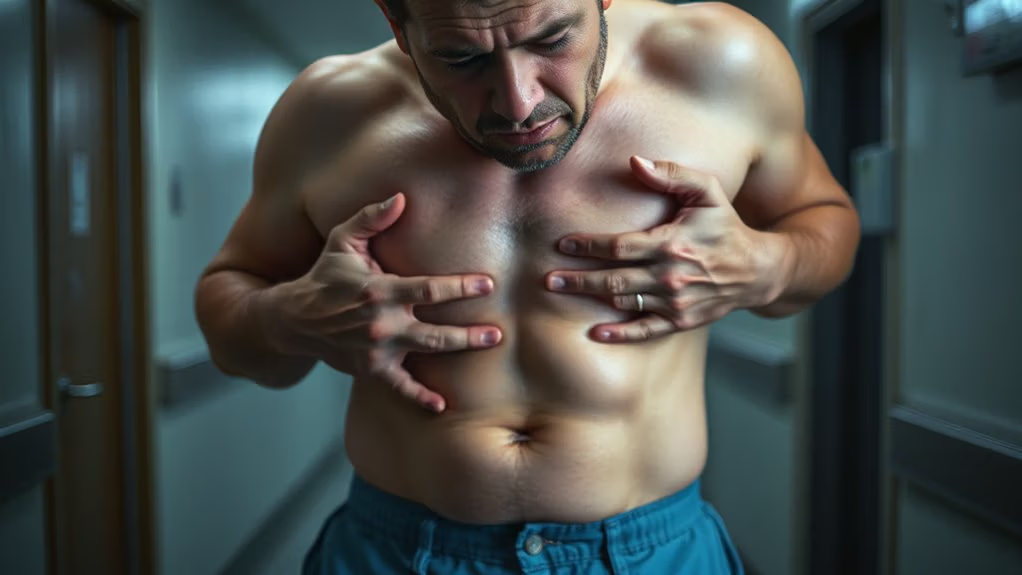
That nagging ache in your back or upper belly—the kind that doesn’t fit the usual suspects like a pulled muscle or gas—deserves your attention just as much as chest discomfort does. Heart problems don’t always announce themselves the way you’d expect. Sometimes they’re sneaky, radiating pain to spots you’d never suspect.
| Location | Character | Duration | When It Strikes | Red Flag? |
|---|---|---|---|---|
| Upper back | Sharp, persistent | Minutes to hours | During activity | Yes |
| Left shoulder blade | Pressure-like | Comes and goes | Unexplained | Yes |
| Upper abdomen | Squeezing sensation | Sudden onset | At rest | Yes |
| Right side | Dull ache | Prolonged | Morning hours | Maybe |
| Center back | Radiating | Worsens with movement | During stress | Yes |
You know your body. When something feels genuinely wrong—when that discomfort lingers despite your best guesses—trust your instincts and call your doctor. Don’t brush it off.
Symptoms That Appear Suddenly or Worsen Quickly
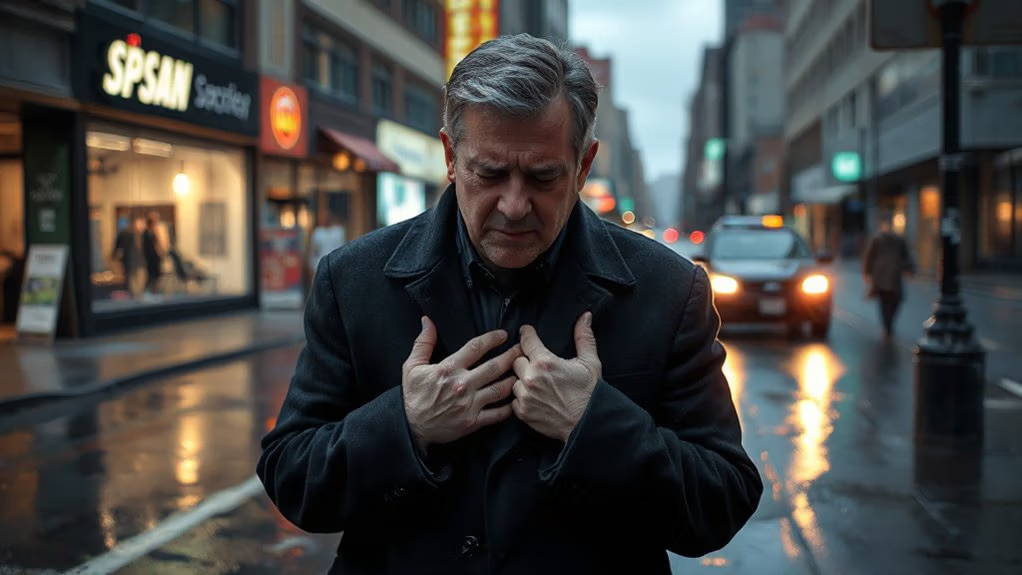
When chest pain hits you like a thunderbolt—sharp and intense, ramping up within minutes—that’s your body waving a red flag you can’t ignore. Unlike gradual discomfort you might dismiss, sudden onset symptoms demand immediate attention.
Pay close attention if your shortness of breath arrives without warning or escalates rapidly. You might notice sweating that seems out of proportion to your activity level, or nausea that intensifies quickly. Dizziness or lightheadedness that worsens suddenly shouldn’t be brushed aside either.
The key here is the speed and intensity. Your heart’s signaling system doesn’t whisper politely—it shouts. If you’re experiencing any combination of these symptoms developing fast, don’t wait around hoping they’ll pass. Call emergency services right now. Those first moments matter tremendously when it comes to heart health. Trust your instincts and act fast.
When to Call 911 Immediately vs. Schedule a Doctor’s Visit

Now that you know what symptoms to watch for, you’ve got to make a split-second decision: is this a 911 situation or can you call your doctor tomorrow?
Here’s the truth: when chest pain, shortness of breath, or arm numbness hits you, don’t gamble. Call 911 immediately. Every minute counts during a heart attack, and paramedics can start treatment before you reach the hospital.
Don’t worry about seeming like you’re overreacting. Better safe than sorry—that’s not just wisdom, it’s lifesaving sense.
Don’t worry about overreacting. When your heart’s health is on the line, better safe than sorry isn’t just wisdom—it’s lifesaving sense.
Reserve the doctor’s visit for mild chest discomfort that’s been nagging you for days without worsening, or occasional heart palpitations that pass quickly. If you’re uncertain, though, pick up that phone. Your instincts matter. Trust them, and let professionals determine what’s happening with your heart.
Conclusion
Look, you’re not invincible, and your heart’s been working overtime since you were born. If you’re feeling like something’s off—chest pain, weird sweats, or that mysterious arm ache—don’t be a hero and tough it out. Your body’s hollering for attention, and it deserves it. Call 911, get checked out, and live to tell the tale. Your ticker’s worth the fuss.