You’ve got to pay attention when your home’s sending distress signals. That rotten egg smell near your stove? Don’t ignore it. Strange hissing from your pipes, dead patches in the yard, or sudden dizziness indoors—these aren’t coincidences. Your gas bill jumping 20-50% without reason is another red flag. Physical symptoms that vanish once you’re outside deserve serious consideration. When you’re sensing something’s off, trust your gut and call your gas company immediately from a safe spot. But there’s more to uncover about protecting yourself.
Key Takeaways
- A rotten egg or sulfur-like smell near gas appliances is the primary indicator of a gas leak.
- Hissing or whistling noises from gas lines suggest pressure build-up and require immediate professional inspection.
- Visible damage to gas pipes, including dents, cracks, or loose fittings, demands professional intervention.
- Dead patches or brown spots in your yard may indicate underground gas leaks requiring investigation.
- Physical symptoms like dizziness, nausea, and headaches combined with sudden gas bill increases warrant immediate action.
The Rotten Egg Smell Near Gas Appliances
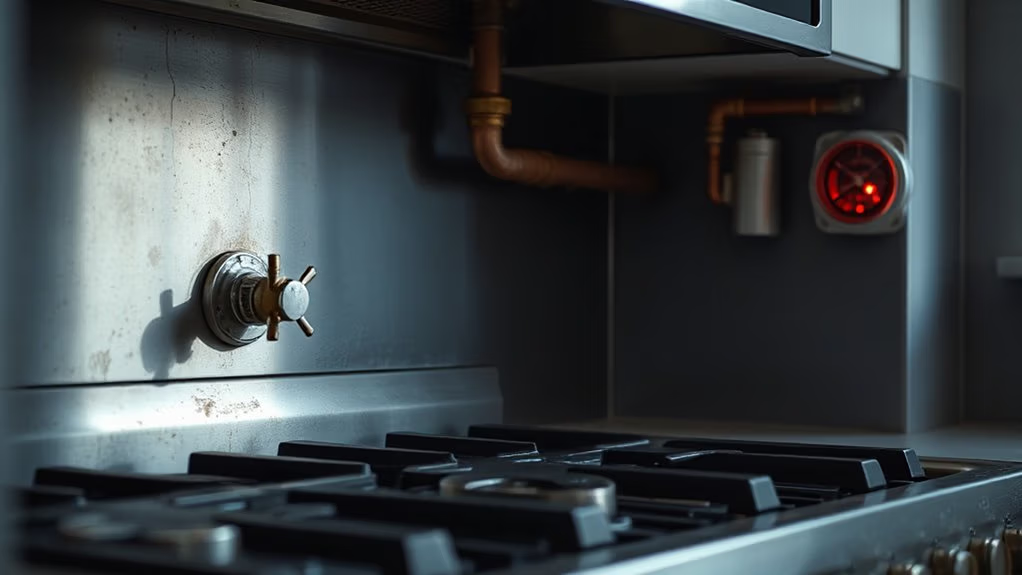
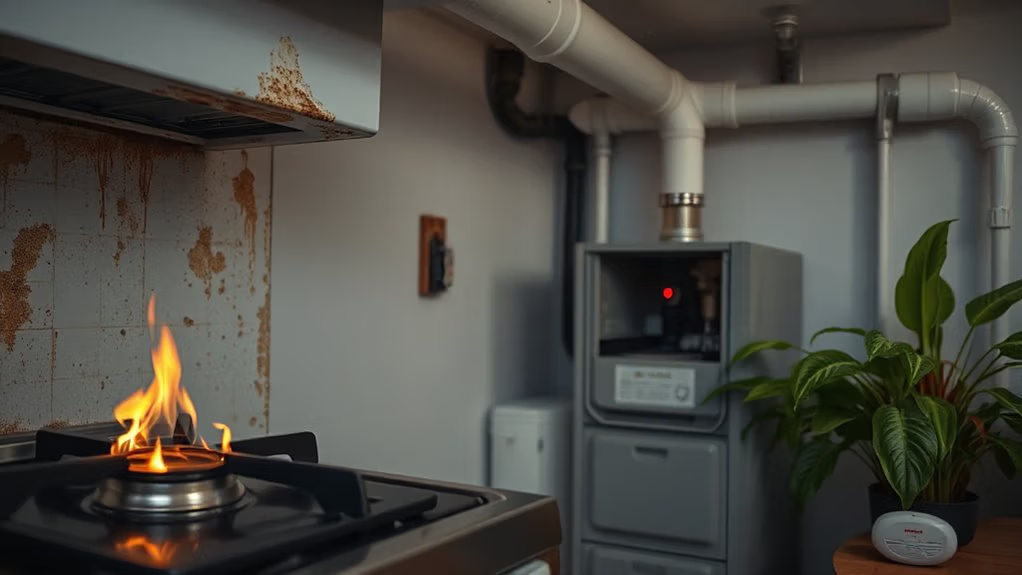
That unmistakable rotten egg stench wafting from your stove or water heater? That’s your warning bell. Natural gas doesn’t actually smell—utility companies add that distinctive odor so you’ll notice leaks before they become dangerous.
If you’re catching whiffs near your appliances, don’t ignore it. Open your windows immediately and get outside. You’re not being paranoid; you’re being smart. A gas leak can lead to carbon monoxide poisoning, explosions, or worse.
Here’s what you’ll do next: call your gas company’s emergency line right away. Don’t flip light switches, strike matches, or use your phone indoors—electrical sparks can ignite the gas. Head to a neighbor’s house to make that call.
Trust your nose. It’s your first line of defense. Your body knows something’s off before your brain catches up, so listen to that gut feeling and act fast.
Strange Hissing or Whistling Noises From Gas Lines
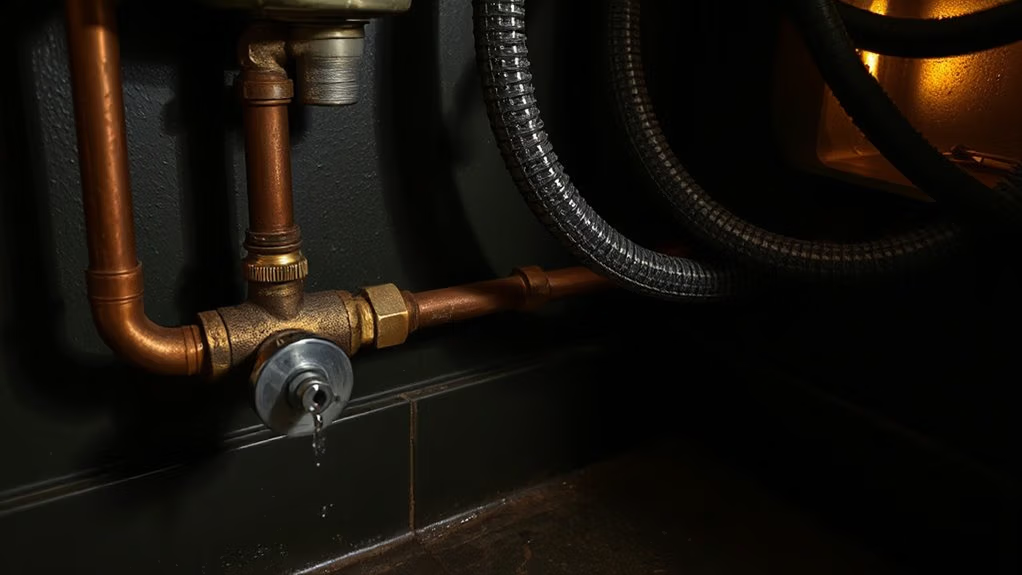
If you hear a hissing or whistling sound coming from your gas lines, you’ve stumbled onto another red flag that shouldn’t be ignored. You’ll want to identify whether that noise is a quick, sharp hiss or a sustained whistle, as this helps you understand if you’re dealing with a common pressure issue in your pipes or something more serious. Knowing when to grab the phone and call a professional—rather than trying to troubleshoot it yourself—could be the difference between a minor fix and a dangerous situation.
Identifying Hissing Sounds Quickly
Have you ever noticed a strange hissing or whistling noise coming from somewhere in your home and wondered what it might be?
That sound deserves your immediate attention. When you hear it, don’t dismiss it as nothing—trust your instincts. Here’s what you should do:
- Stop what you’re doing and locate the sound’s source — Your quick action could protect your family from danger
- Never ignore it or assume it’ll go away — Gas leaks won’t fix themselves and can worsen rapidly
- Exit your home immediately if the hissing intensifies — Your safety matters more than investigating further
Move outside to fresh air and call your gas company’s emergency line right away. They’ll send a technician to inspect your lines properly. That hissing sound you’re hearing? It’s your home’s way of warning you something’s wrong. Listen to it.
Common Pipe Pressure Issues
When pressure builds up inside your gas pipes, it’s gotta go somewhere—and that somewhere is often right out through tiny gaps or loose fittings, creating those eerie hissing and whistling sounds you’re hearing.
Your pipes aren’t designed to handle excessive pressure, so they’ll find the easiest escape route. Sometimes it’s a corroded connection that’s finally given up the ghost. Other times, you’ve got a regulator that’s quit doing its job properly. The sound you’re hearing isn’t just annoying—it’s your home literally crying out for help.
Don’t ignore it. High pressure in your gas lines means something’s wrong upstream, whether that’s a faulty meter or a regulator malfunction. Call your gas company immediately. They’ll check the pressure and track down the culprit before it becomes dangerous.
When To Call Professionals
Those hissing and whistling sounds coming from your gas lines aren’t something you should tackle yourself—they’re your cue to bring in the pros. Here’s why you need to act fast:
- Your family’s safety depends on professional expertise—gas leaks can turn dangerous in minutes
- DIY attempts might worsen the problem and cost you thousands in repairs
- Licensed technicians have the right equipment to locate leaks you can’t see or hear
When you notice strange noises, don’t wait. Call a certified gas technician immediately. They’ll inspect your entire system, pinpoint the source, and fix it properly. Your instinct telling you something’s wrong? Trust it. Those sounds mean pressure’s escaping where it shouldn’t, and only professionals can safely resolve it. Better safe than sorry with your home’s gas system.
Visible Damage to Gas Pipes or Connections
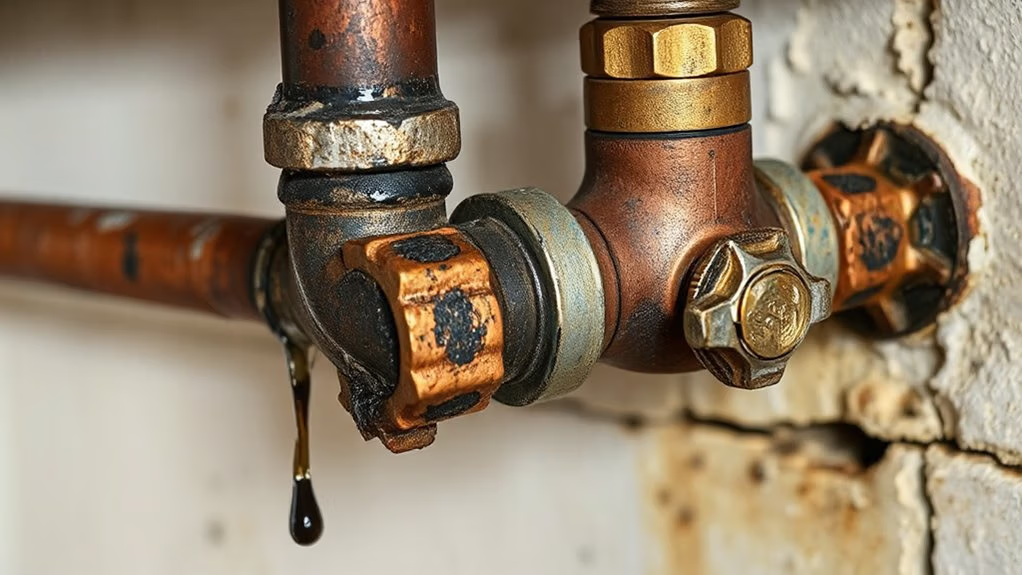
Because gas pipes can deteriorate over time, you’ll want to inspect the lines running through your home regularly for signs of wear and tear. Look for corrosion—that crusty, discolored buildup on metal pipes—which signals the pipe’s integrity’s compromised. You might spot dents, cracks, or pinhole leaks that weep gas or produce that telltale rotten-egg smell.
Check connections at appliances too. Loose fittings vibrate free over years of use, creating dangerous gaps. If you notice pipes that’ve shifted or separated from their original positions, that’s a red flag worth taking seriously.
Don’t ignore what your eyes tell you. Visible damage means your gas system’s failing, and you need professional intervention immediately. Never attempt repairs yourself—even small adjustments require specialized knowledge and tools. Your safety depends on getting a licensed technician to assess and fix any visible problems promptly.
Bubbles When You Test With Soapy Water
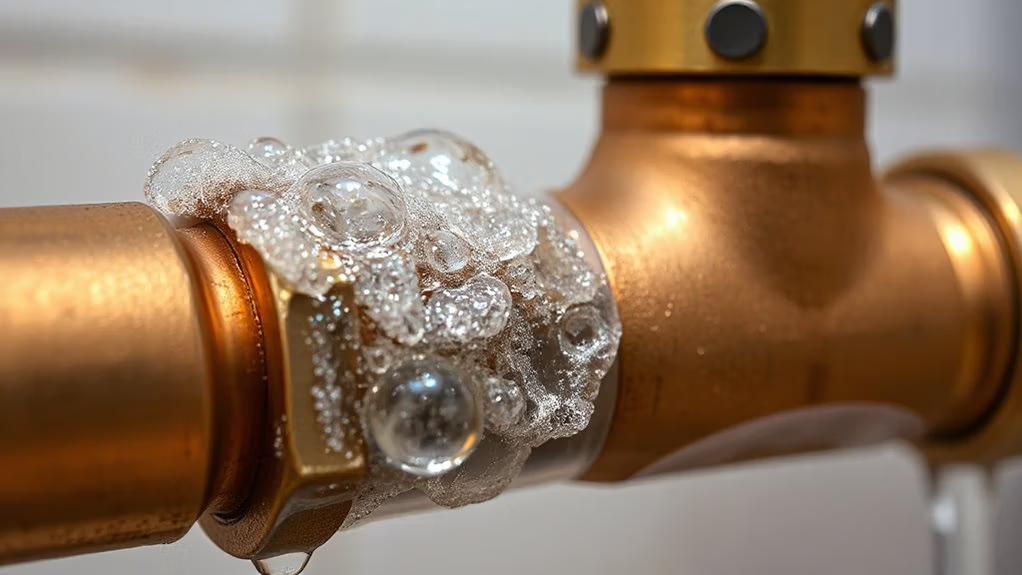
You’ll apply soapy water to your gas connections and watch for telltale bubbles that indicate escaping gas—it’s one of the simplest yet most reliable detection methods you can perform at home. When you spot those bubbles forming and growing, you’ve found your leak, and that’s your signal to stop what you’re doing and take action immediately. From there, you’ll want to ventilate the area, avoid any ignition sources, and contact your gas company’s emergency line right away.
How The Test Works
When a gas leak exists, it’s desperate to escape, and that’s exactly what we’re going to catch it doing. You’ll mix dish soap with water in a spray bottle—nothing fancy required. Then you’ll spray suspected areas where gas lines connect: appliances, valves, and fittings.
Here’s the magic: escaping gas pushes through that soapy solution, creating bubbles. It’s your visible proof that something’s wrong.
Why this matters:
- You’re protecting your family from invisible danger that could strike without warning
- You’re taking control instead of waiting for disaster to find you
- You’re acting fast when seconds count before calling for professional help
Those bubbles aren’t just soap and air—they’re your early warning system, your chance to catch trouble before it becomes tragedy.
Identifying Bubble Formation
Now that you’ve got your spray bottle ready, the real detective work begins—watching for those telltale bubbles. When you apply that soapy mixture to suspected problem areas, you’re looking for any sign of movement in the liquid. Even tiny bubbles forming and growing indicate escaping gas pushing through the soap film.
Don’t blink—these bubbles can appear surprisingly fast or develop slowly, depending on the leak’s size. A small pinhole might produce a single bubble every few seconds, while a larger leak creates a visible stream of bubbles almost instantly.
Pay attention to pipe joints, connections, and fittings—these’re common culprits. Trust what you see. If bubbles form, you’ve found your leak. That’s your cue to stop investigating and call a professional immediately.
Next Steps After Detection
If those bubbles tell the tale you didn’t want to hear, resist the urge to tinker with the problem yourself. You’ve done the detective work—now it’s time to call in the professionals.
Here’s what you need to do:
- Evacuate immediately if you smell rotten eggs or feel dizzy—don’t wait around
- Call your gas company’s emergency line from outside your home; they’ll dispatch someone fast
- Don’t use electrical switches, lighters, or phones inside; any spark could ignite the gas
Document where you found those bubbles with photos. This helps the technician pinpoint the leak quickly. You’ve caught something potentially dangerous. That soapy water test just saved your family’s safety. Professional hands take it from here.
Dead Plants or Odd Spots in Your Yard
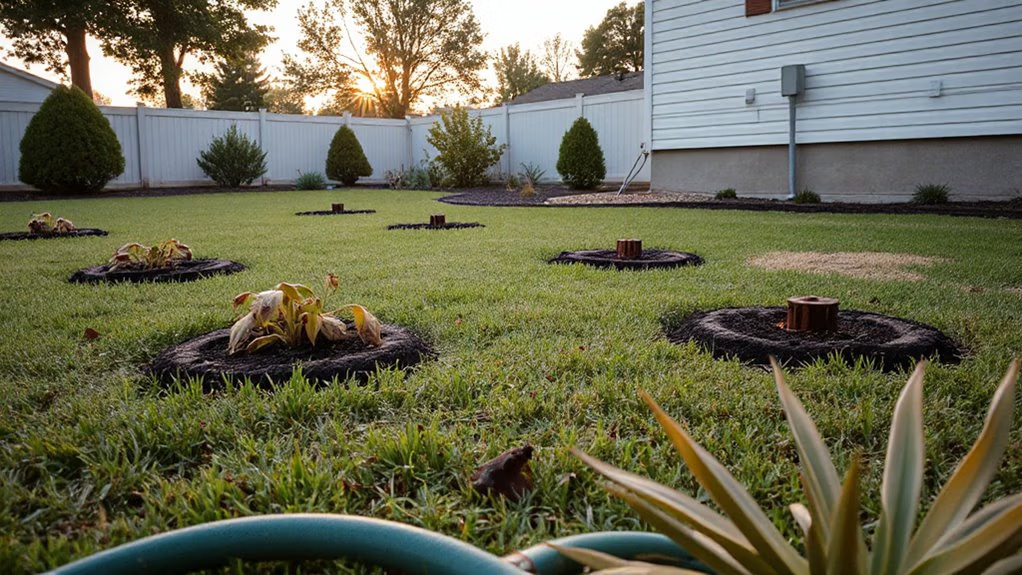
Your lawn’s got a story to tell, and sometimes that story starts with mysterious dead patches or wilting plants that won’t bounce back no matter how much you water them. You’re doing everything right—watering regularly, checking the soil, applying fertilizer—yet certain spots remain stubbornly brown. That’s your yard waving a red flag.
Underground gas leaks kill vegetation by displacing oxygen in the soil and poisoning plants. You’ll notice circular or irregular dead zones that don’t follow typical drought patterns. The affected area might smell like rotten eggs or chemicals.
| Sign | Cause | Action |
|---|---|---|
| Brown circles | Gas displacement | Call utility company |
| Sudden wilting | Soil poisoning | Avoid digging |
| Dead grass rings | Concentrated leak | Evacuate area |
Don’t ignore these warning signs. Contact your gas company immediately if you spot them. They’ll investigate safely and determine whether you’re dealing with a genuine leak or something else entirely.
Dizziness, Nausea, and Other Physical Symptoms

Sometimes the warning signs aren’t in your yard—they’re in your body.
Natural gas is odorless, but utility companies add a distinctive rotten-egg smell so you’ll notice leaks. Yet your body often detects danger before your nose does. If you’re experiencing unexplained dizziness, persistent nausea, or sudden headaches, your home might be leaking gas. You might feel lightheaded during normal activities or notice fatigue that won’t quit, even after rest.
Pay attention to these physical warning signs:
- Sudden headaches or migraines that appear without reason
- Nausea and dizziness when you’re inside, but relief once you step outside
- Unusual fatigue or difficulty concentrating on everyday tasks
These symptoms can mimic other conditions, which is why they’re easy to dismiss. But when multiple family members experience similar issues simultaneously, that’s your cue to investigate. Trust your instincts. If something feels off, contact your gas company immediately. They’ll send a technician to check for leaks at no cost.
Your Gas Bill Suddenly Jumped
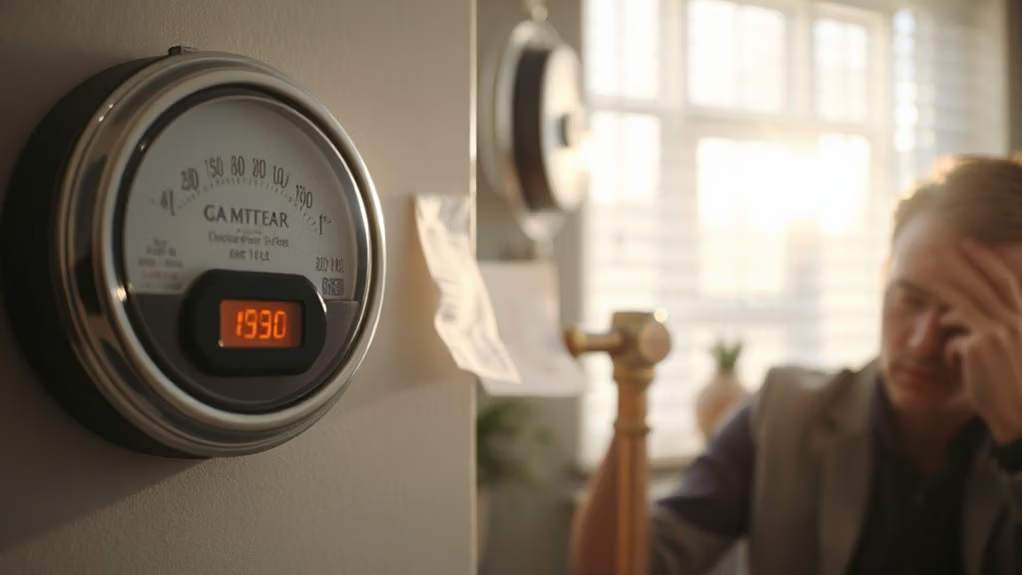
One of the clearest signals that you’ve got a gas leak is when your monthly bill shoots up without explanation.
You’re paying attention to your usage patterns—you haven’t changed your habits, the weather’s been mild, yet suddenly you’re staring at a bill that’s jumped twenty, thirty, or even fifty percent. That’s your wallet telling you something’s wrong.
| Normal Usage Pattern | Red Flag Indicator |
|---|---|
| Consistent month-to-month costs | Unexplained 20-50% increase |
| Changes align with weather | Spike during mild seasons |
| Predictable seasonal variations | Dramatic jumps year-over-year |
A gas leak wastes fuel continuously, even when you’re not using appliances. That escaping gas gets measured by your meter and billed to you. Don’t ignore this warning sign. Contact your gas company immediately—they’ll send someone out to investigate. It’s free, and catching a leak early saves you money and protects your family.
Conclusion
You’ve got a lot to watch for when it comes to gas leaks, haven’t you? The truth is, your home’s safety depends on staying alert to these seven warning signs. Don’t ignore that rotten egg smell or those strange noises—they’re your home’s way of talking to you. Trust your gut, call a professional, and remember: you’re not being overcautious; you’re being smart. Your family’s well-being is worth it.