



Funny coincidence—you’ve met two people this week who argued over 37 cents on a bill; that’s your first clue. Cheap shows up as stiffing tips, “forgetting” fees, chasing freebies only, and wasting your time to save their money. They split hairs, not costs. They borrow tools, never replace parts, and act generous only when it’s public. Spot these early and you’ll save your sanity—next up: frugal vs. cheap, and how to handle pushback.
Frugal or Cheap? Key Differences That Matter
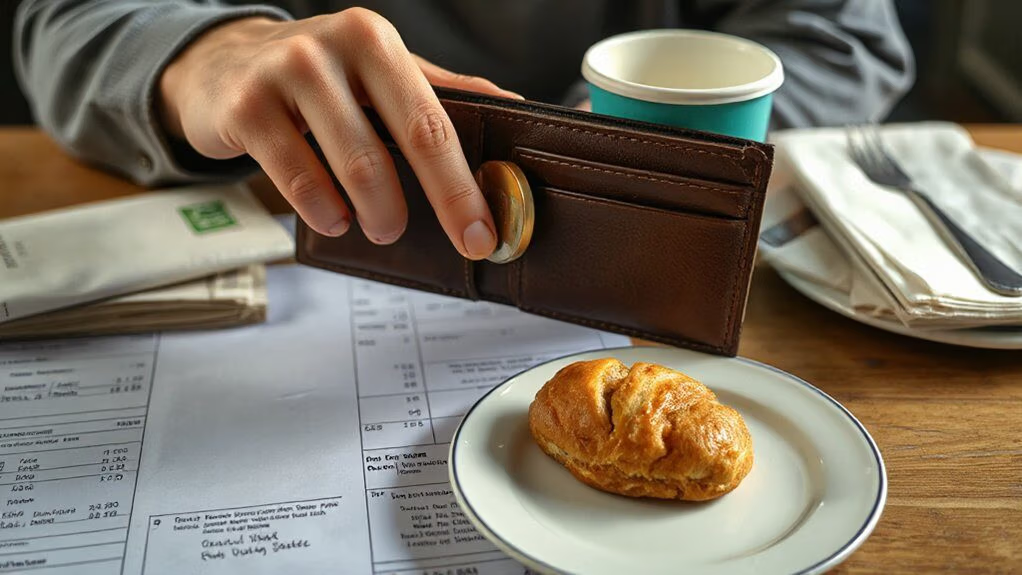
While both save money, frugal and cheap aren’t the same species. You cut costs on purpose; you don’t gut quality. Frugal means you hunt value: durable boots, bulk pantry basics, a well-made used bike. Cheap grabs the lowest price and calls it smart. You plan, compare, and wait for sales. You skip daily delivery fees and brew coffee at home. You repair before replacing. Values Alignment matters: your choices match your goals and time, not just your wallet. A Sustainability Focus helps too: you favor reusables, energy-efficient bulbs, and fewer impulse packages. You tip fairly and budget for generosity. You say no to clutter, yes to warranties that pay off. You track totals and time. Cheap ignores both. You don’t. Stay sharp, choose value.
Cost-Shifting: Making Others Pay the Hidden Price

You spot cost-shifting when a friend “forgets” their wallet at dinner and suggests you split their steak, or sends you a Venmo request for gas after they begged for a ride. The same person loves hidden fees—service charges they tack onto group tickets, cleaning fees on a shared rental, or “processing” costs that appear after the plan’s locked. You end up carrying the shared burden in cash, time, and awkward follow-ups, while they keep their money and their halo.
Passing Expenses to Friends
Cost-shifting looks harmless until the bill hits the table. You “forget” your wallet, Venmo freezes, or your half somehow excludes the appetizer you inhaled. You call it casual; your friends call it paying your tab. You lean on cultural expectations and familial pressure to justify it: “We share everything,” or “I’m helping my parents.” Noble story, wrong audience. When the check arrives, you slide back, stare at your phone, or start itemizing like a tax audit. Classic tell. If money’s tight, say so before ordering. Pick a cheaper place, skip the cocktail, or offer to cover tip next time—and actually do it. Set splits upfront. Use a group app. Pay immediately. Stop treating friends like interest-free ATMs. They notice. Respect them and pay up.
Hidden Fees, Shared Burden
Since the sticker price looks innocent, the hidden costs slide onto everyone else at checkout. You pick the place, the plan, the cart—and then act surprised by service fees, charges, and resort add‑ons. Cute. You suggest a “deal” with Subscription fineprint and bundling penalties, then push the extra taxes onto the group. You book tickets with convenience fees and expect even splits. You choose delivery, but make everyone share your tip decision and courier surcharge. That’s cost‑shifting. Spot it: ask what fees apply before agreeing. Split pre‑fee totals, and make the chooser cover extras. Rotate who books. Decline mystery upgrades. Screenshot terms. If the plan adds members, assign the account holder to eat admin costs. Clear rule: you choose it, you own the fees.
The Tipping Test: Consistently Undervaluing Service

Often, the quickest way to spot a cheap streak is at the tip line. You stiff the barista after a custom drink and act like 50 cents is heroism. You leave 10% for a server who sprinted through a slammed shift. That choice has emotional impact. It chips away at service morale and tells people their effort doesn’t matter. You don’t need to tip for bad service, but you should notice the norm: 18–20% for decent work, more for great. Round up on small tabs. Tip housekeeping. Add a buck for counter service when someone makes or packs your order. If money’s tight, reduce extras instead of cutting tips. Own the decision. Don’t make workers pay for your budget. Respect the hustle, tip fairly.
Nickel-and-Diming: Bill Splitting and Money Quibbles

You know you’re nickel-and-diming when you whip out a calculator to split the bill by sips and crumbs. You push for “pre-tax” or “cash only” so you can dodge your share of the tip, then glare at the check like it wronged you. Later, you Venmo-request 83 cents for the extra fries someone grabbed, as if that loose change will save your budget.
Obsessive Itemized Splitting
Ever notice that friend who whips out a calculator before the waiter even brings the check? You know the move. They’re already dividing the fries you shared and pricing each sip of soda. You watch the precision rituals unfold like a tiny audit. Out comes the magnified photo of the receipt, plus a little receipt hoarding for “records.” You ordered extra ice? Congrats, that’s a surcharge.
You don’t have to play along. Set a simple rule before ordering: separate checks or split evenly. If someone insists on itemizing, hand them your total and stop debating. Don’t justify bites, tastes, or shared sauces. Snap a photo of the menu, circle your items, and be done. Friendship shouldn’t need a spreadsheet. Set firm boundaries, and leave.
Tip Dodging Maneuvers
When the check lands, the tip-dodger turns into a magician—disappearing act included. You watch them study the bill, sigh, and declare, “Let’s just split it,” while ignoring tax and tip. Then comes the bathroom sprint or a sudden call. Classic Payment ghosting. If they stay, they fiddle with coins, argue over the service, and round down “to be fair.” You know the playbook. They show up late to dodge a first round, and their checkout timing always lands after you’ve covered. Fix it fast. Say, “We’re adding twenty percent,” and calculate it out loud. Ask for separate checks upfront. Use apps that show the tip line. If they balk, pay your share, including tip, and walk. No debate. Just boundaries. Repeat as needed, consistently.
Petty Payback Requests
Although the night was fun, the nickel-counter pings your phone for $1.83 “for parking,” screenshot attached, tone urgent. You roll your eyes, but you know the type. They track every cent and chase it like it owes them rent. Expect grudge invoicing after group meals, down to tax and tip you already covered. Next come revenge IOUs for that half soda you poured or two fries you stole. You don’t need a spreadsheet friend. You need a fair one. Set terms up front: split the bill evenly or separate checks. If they insist, pay your share and decline extras. Stop fronting cash. Mute the money pings. And if the charges keep coming, send one final line: No more micro-debts. Grow up. Boundaries, not bargains.
Freebie-Only Participation and One-Way Generosity

How do you spot someone who only shows up for the free stuff? Watch their pattern. They RSVP fast when snacks, swag, or comp tickets appear. They vanish when setup, cleanup, or costs come up. You’ll see Superficial engagement: quick selfies, zero help. They clap. They don’t contribute.
Notice the one-way generosity. They ask for rides, guest passes, and borrowed gear. They “forget” to offer gas, thanks, or a return favor. That’s Conditional kindness. They’re kind when it costs nothing. They’re busy when it’s your turn.
Test it. Ask them to bring ice, share a subscription, or host next time. See what happens. Keep receipts, figuratively. Set clear boundaries. Say, “I can invite you when you pitch in.” Simple. Fair. Or step back. Gracefully.
Haggling Past Reason and Exploiting Loopholes
Why does the price only count for other people? When you haggle past reason, you’re not being savvy; you’re grinding. You question every tag, demand manager overrides, and push for “just this once” exceptions. That’s loophole psychology at work. You turn refund policies into games and coupons into weapons. You split returns, stack promos, and pretend ignorance when caught. It’s not smart; it’s corrosive. Each win feels small, but it trains you to ignore fairness. That’s ethics erosion. You stop seeing the worker, the maker, the margin. You see marks. Ask yourself: would you accept the same deal if roles flipped? Set a line. Negotiate when value’s unclear, sure. But pay listed prices when they’re fair. Leave the loopholes closed. Respect costs others carry.
Time Stinginess: Wasting Others’ Time to Save a Buck
Even when you don’t pull out your wallet, you can still be cheap with other people’s clocks. You cue up quick questions that turn into half-hour consults so you don’t pay for real help. You linger in inboxes with endless one more thing threads. You juggle free trials, then ask for extensions. Classic deadline stalling. You show up late, then ask others to recap what you missed. You book extra check-ins just in case. That’s meeting hoarding. You stall approvals to dodge rush fees, then push a weekend fire drill. You say you’re being thorough, but you’re shifting cost to everyone else. Want to fix it? Decide faster. Pay for expertise. Batch questions. Cancel early. Start on time. End on time. Respect buffers, always.
Gift-Giving, Sharing, and Reciprocity Red Flags
While you might call it “being practical,” your gift and sharing habits tell on you fast. You ask for “no gifts,” then show up with a coupon book you got free. You buy the cheapest wine, but drink everyone else’s craft picks. You dodge rounds, or “forget” your wallet when it’s your turn. You split a pizza by square inches and charge tax. You regift, still in the store bag. You announce Reciprocity norms, but only when they benefit you. Your Gift motives show when you track dollar values and demand “even.” You bring one stale cookie to a potluck, then leave with a full container. Fix it: give thoughtfully, accept graciously, take your fair turn, and stop itemizing generosity. People notice. Very quickly.
Workplace and Reputation Consequences of Stinginess
If you pinch pennies at work, everyone pays—especially you. Coworkers notice when you dodge the coffee fund, skip your share of ride costs, or nickel-and-dime reimbursements. They start avoiding you for group orders, client meals, and team trips. That’s Colleague alienation, and it spreads fast. Managers see the fallout, too. They read it as scarcity mindset, not stewardship. You get parked on low-visibility tasks and left off cross‑functional projects. Promotion stagnation follows because leaders don’t bet on someone who won’t invest in the team. Vendors flag you as difficult. Clients sense stinginess in comps or hospitality and pick friendlier accounts. Your reputation shrinks to “cheap, not strategic.” Doors close quietly. Emails get answered late. Opportunities go to bigger tippers. You feel it at reviews.
How to Address Stinginess Tactfully and Set Boundaries
Rather than stewing, address money stuff early and out loud. Use Compassionate confrontation: name the pattern, not their character. Try, “I notice you skip your share on group tabs. I can’t cover that.” Keep it short. Then set choices. “We can split evenly, order separate checks, or I’ll sit this one out.” That’s a boundary, not a debate.
Prep Boundary scripts before plans. Decide your line: no spot loans, separate tickets, Venmo upfront for shared costs. Say it the same way every time. Calm voice. Neutral face. If they push, repeat the script. Don’t explain yourself into a corner.
Follow through. Leave the table if promises vanish. Decline invites that dodge fairness. Reward good faith. And yes, protect your wallet. It’s allowed. Period.
Conclusion
You’ve got the radar now: the friend who itemizes pepper flakes, arrives late, then wants a full TED Talk recap, and treats tips like urban legends. Spot it fast. Say, “We’re splitting evenly,” “Venmo by tonight,” and “No tip, no invite.” Ask them to bring a dish, drive, or cover fees. If they bargain past reason, walk. If they break it, they replace it. Protect your time. Protect your wallet. Generosity isn’t optional fine print.