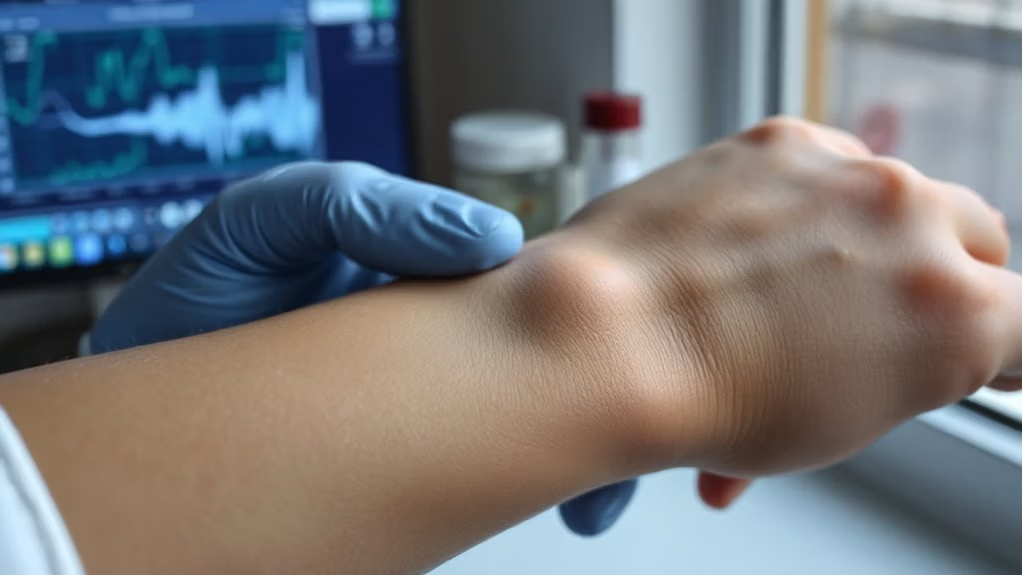
You can’t ignore what your body’s tellin’ you, friend. Watch for swelling in one leg, warmth and redness that don’t match the other side, or sharp calf pain that won’t quit. If you’re feelin’ chest pain with breathlessness, sudden severe headaches, vision changes, or coughin’ up blood, that’s your wake-up call. Don’t forget about irregular heartbeats, sudden belly or back pain, either. These signs matter, and knowin’ what comes next could save your life.
Key Takeaways
- Leg swelling, warmth, and calf pain in one leg indicate deep vein thrombosis requiring immediate medical consultation.
- Sudden sharp chest pain worsening with breathing or coughing suggests a blood clot traveling to the lungs.
- Sudden severe headache with neck stiffness or vision changes may indicate a brain blood clot emergency.
- Coughing up blood with persistent chest discomfort and shortness of breath requires emergency medical attention immediately.
- Abdominal or back pain with sudden onset, dizziness, or fainting demands immediate 911 emergency response.
Leg Swelling and One-Sided Calf Pain

When your leg starts swelling up like a balloon and you’ve got a sharp ache in just one calf, that’s your body waving a red flag you shouldn’t ignore. This one-sided pain isn’t something you just sleep off—it’s often your first hint that a blood clot’s forming.
You’ll notice your calf feels tender to the touch, maybe even warm. The swelling might creep up gradually, making your leg feel heavy and tight. You can’t quite put your finger on why it hurts, but you know something’s off.
Don’t brush it aside thinking it’ll pass. Deep vein thrombosis, or DVT, causes exactly these symptoms, and it’s serious business. Your leg’s trying to tell you that blood’s pooling where it shouldn’t be. Get yourself to a doctor right away—waiting around could let that clot travel somewhere dangerous. Trust what your body’s telling you.
Warmth and Redness in Your Legs

If you’re noticing your leg’s turned red or feels hot to the touch, that’s another warning sign you can’t ignore. When a blood clot forms, it can trigger inflammation that makes your skin feel warm and appear flushed or darkened.
Pay close attention to these telltale signs:
Pay close attention to localized warmth, skin discoloration, shiny appearance, and temperature differences between your legs.
- Localized warmth that doesn’t match your other leg
- Skin discoloration ranging from pink to deep red
- Shiny or stretched appearance of the affected area
- Temperature difference you can feel between both legs
This combination of warmth and redness happens because your blood vessel’s restricted, causing blood to back up and heat the surrounding tissue. You might notice the changes develop over hours or days. Don’t chalk it up to a minor irritation or assume it’ll pass on its own. If you’re experiencing these symptoms alongside swelling or pain, you need medical attention immediately. Trust your gut—your body’s telling you something’s wrong.
Chest Pain and Shortness of Breath

Chest pain and shortness of breath aren’t something you should brush off as heartburn or a bad day—they’re your body’s emergency alarm system going haywire, and they demand your immediate attention.
When a blood clot travels to your lungs, it can’t be ignored. You might feel a sharp, stabbing sensation in your chest that worsens when you take a deep breath or cough. Your heart rate quickens. You’re gasping for air like you’ve just sprinted up three flights of stairs, except you haven’t moved an inch.
Don’t wait around hoping these symptoms pass. They won’t. A clot in your lungs is life-threatening, and every second counts. Call 911 immediately if you’re experiencing chest pain paired with difficulty breathing. Your life literally depends on getting emergency medical care right now.
Sudden Severe Headache
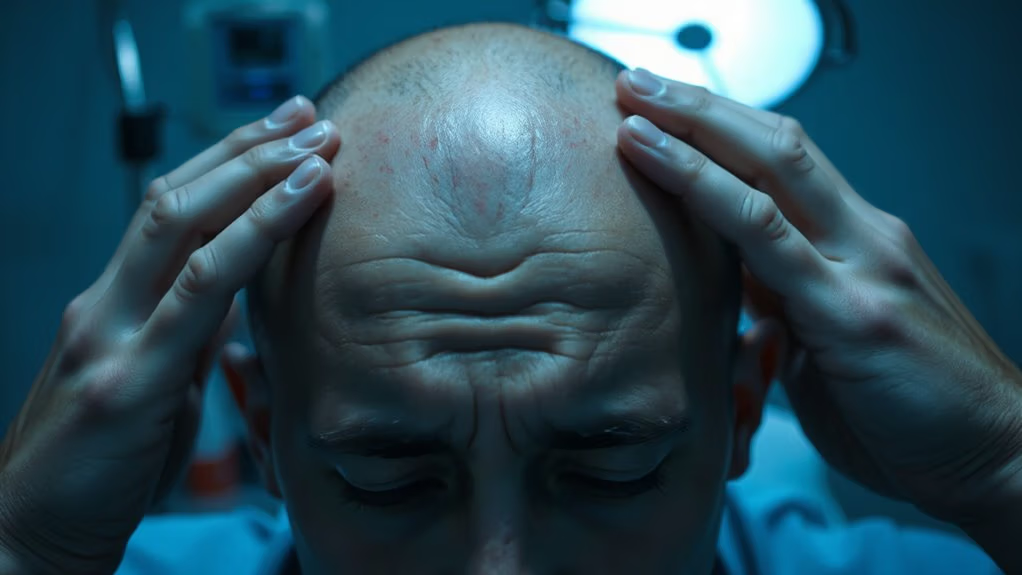
When a headache hits you sudden and fierce—like nothin’ you’ve ever felt before—that’s your body’s way of warnin’ you somethin’ ain’t right, and you’ve got to know the difference between your everyday ache and the kind that means trouble. You’ll want to recognize what sets a dangerous headache apart: it comes on like a lightning bolt, it’s the worst pain you’ve ever experienced, and it might come with a stiff neck, confusion, or trouble seein’ straight. If you’re facin’ any of these signs, don’t waste a second—get yourself to the emergency room right away, ’cause a sudden severe headache can signal a blood clot that needs immediate medical attention.
When Headaches Signal Danger
A sudden, severe headache that comes out of nowhere—the kind that makes you drop what you’re doing and grip your head—can be your body’s way of raising an alarm. This ain’t your typical tension headache or migraine you’ve weathered before.
When a blood clot forms, it can trigger warning signs you shouldn’t brush off:
- A headache unlike any you’ve experienced, striking like lightning
- Pain accompanied by neck stiffness or confusion
- Vision changes or difficulty speaking
- Weakness on one side of your body
Pay attention when your head’s screaming at you. If you’re experiencing these symptoms together, get medical help immediately. Your instincts are telling you something’s wrong, and that’s worth listening to.
Distinguishing Typical From Severe
Most folks know their own headaches pretty well—you’ve got your patterns, your triggers, your go-to remedies that work. But here’s where you need to pay attention: a blood clot headache ain’t like your usual tension headache or migraine. This one’ll hit you sudden and fierce, like nothing you’ve ever felt before. You might describe it as the worst headache of your life, and that’s your body waving a red flag.
If you’re experiencing a thunderclap headache accompanied by neck stiffness, vision changes, or weakness, don’t wait around. That’s your cue to call 911 immediately. Your everyday headaches build gradually; clot-related ones strike hard and fast. Trust your gut—you know yourself best.
Immediate Actions To Take
If that thunderclap headache hits you like a ton of bricks, you’ve got to act fast—and I mean *right now*. This ain’t your typical tension headache—we’re talking sudden, explosive pain that stops you dead in your tracks.
Here’s what you need to do:
- Call 911 immediately; don’t wait it out
- Sit or lie down in a safe spot
- Note the exact time it started
- Stay calm and keep someone with you
This kind of headache signals a possible blood clot in your brain, and every second counts. Don’t drive yourself to the hospital or ask a friend for a ride. Emergency responders can start treatment the moment they arrive, and that head start could mean the difference between a full recovery and something far worse. Trust your gut—when something feels this wrong, it probably is.
Vision Changes or Sudden Blindness
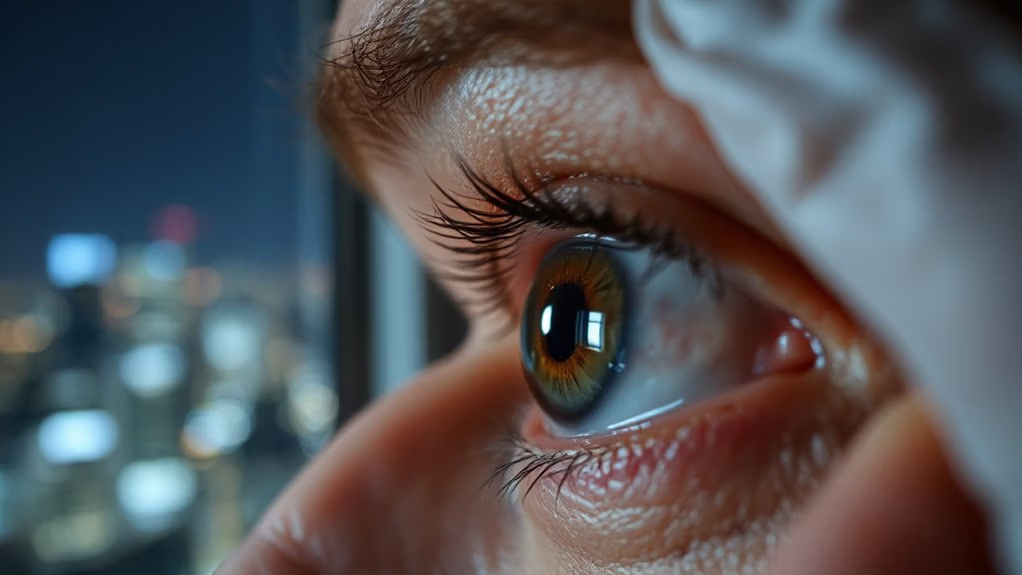
When your vision suddenly blurs or goes dark without warning, you’re witnessing one of the body’s most alarming distress signals—and you’d better take it seriously. A blood clot traveling to your eye’s blood vessels can cut off blood flow faster than you can blink, literally.

You might see floaters, flashing lights, or a gray curtain creeping across your field of vision. Some folks describe it like someone’s dimming the lights gradually, while others experience complete blackness in one eye all at once.
Don’t wait this one out. Call 911 immediately if you’re experiencing sudden vision changes. Time’s working against you here—every minute counts when blood flow’s compromised. Get yourself to an emergency room where doctors can intervene quickly.
Your sight’s too precious to gamble with, and medical professionals need to rule out a clot before permanent damage sets in.
One-Sided Arm or Leg Weakness

You’ll notice something’s off the moment you try to lift your arm or stand up—one side of your body just won’t cooperate the way it should.
When a blood clot travels to your brain, it can block blood flow and cause sudden weakness on one side of your body. This ain’t something to brush off as a bad day.
Here’s what you need to watch for:
- Your arm or leg feels heavy, numb, or tingly without warning
- You can’t grip things like you normally do
- Walking becomes awkward, like your leg’s not listening to your brain
- Your face droops on one side when you smile or talk
This one-sided weakness is your body’s red flag that something serious is happening. Don’t wait around hoping it’ll pass. Get to the emergency room immediately. Time matters when blood clots are involved, and quick action can make all the difference in your recovery.
Rapid or Irregular Heartbeat

Something feels off in your chest—maybe it’s racing like you just sprinted up a flight of stairs, or it’s skipping beats like a scratched record. That’s your heart trying to tell you something important.
When a blood clot restricts blood flow, your heart compensates by working harder and beating irregularly. You might notice your pulse quickening without exertion, or feel like your heartbeat’s gone haywire. Some folks describe it as fluttering, pounding, or feeling faint.
| Symptom | What It Feels Like |
|---|---|
| Racing heartbeat | Rapid thumping in your chest |
| Skipped beats | Sudden pause, then catch-up |
| Fluttering sensation | Butterfly wings in your ribs |
| Shortness of breath | Difficulty catching your breath |
Don’t brush this off as stress or caffeine jitters. Your body’s sounding an alarm. If you’re experiencing these changes, especially alongside chest pain or dizziness, seek medical attention immediately. Trust your instincts—they’re keeping you safe.
Coughing Up Blood
Why’d you cough that up? Well, friend, if you’re hacking up blood, that’s your body waving a red flag you can’t ignore. When a blood clot travels to your lungs, it can damage lung tissue and cause bleeding—and that blood’s gotta go somewhere.
Here’s what you’re dealing with:
- Bright red or dark blood in your spit
- Persistent coughing that won’t quit
- Chest discomfort when you breathe deep
- Shortness of breath that sneaks up on you
This symptom means trouble’s brewing serious. A pulmonary embolism—that’s a clot lodged in your lungs—won’t wait around. You need medical attention right now, not tomorrow. Don’t rationalize it away or hope it passes. Get yourself to an emergency room immediately. Your lungs depend on good blood flow, and when clots mess with that, every second counts.
Sudden Sharp Belly or Back Pain
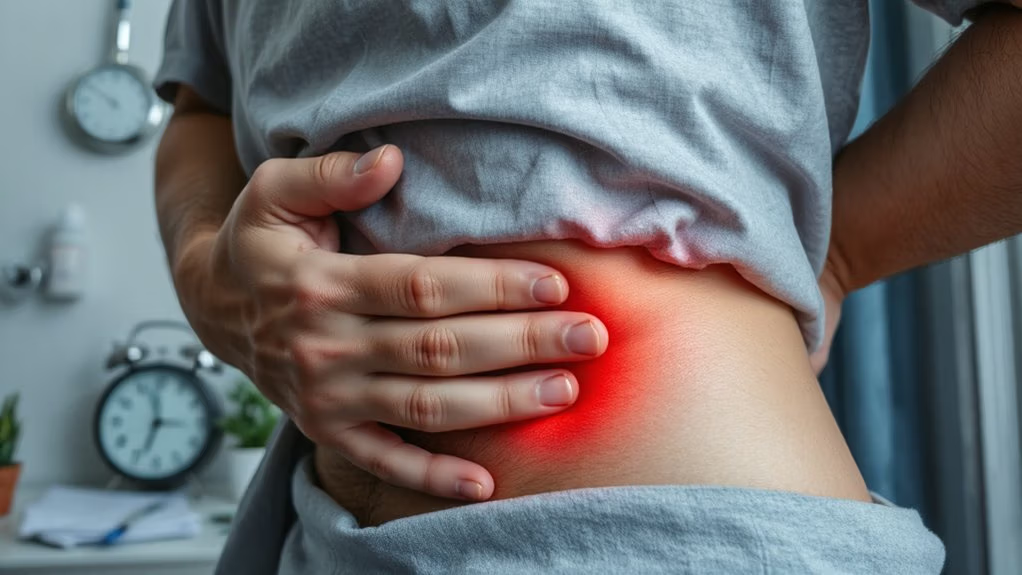
A blood clot lodged in your abdomen or nestled near your spine can trigger pain that’ll stop you dead in your tracks. This ain’t your everyday belly ache or the kind of back pain you get from lifting something heavy.
You’ll feel a sharp, stabbing sensation that comes on sudden-like, without warning. The pain might stay put in one spot or radiate across your midsection. Some folks describe it as feeling like something’s squeezing from the inside out.
If you’re experiencing this kind of discomfort, don’t brush it off. Your body’s sending you a distress signal that demands attention. Head to the emergency room or call 911 right away. Time matters when blood clots are involved, and getting medical help quickly could be the difference between a good outcome and serious complications.
When These Symptoms Mean Call 911
If you’re experiencing sudden chest pain, you’d better call 911 right away because that’s your body waving a red flag. Severe leg swelling paired with difficulty breathing developing rapidly? Don’t wait around—get emergency help immediately, as these symptoms suggest a clot’s traveled somewhere it shouldn’t be. Your life could depend on those few minutes you save by picking up that phone right now.
Sudden Chest Pain Strikes
Chest pain’s got a way of stopping you dead in your tracks, and when it hits, you’ve got to know whether you’re dealing with something minor or a genuine emergency.
A blood clot lodged in your lungs—what doctors call a pulmonary embolism—can cause chest pain that’ll make you think your heart’s about to give out. Here’s what demands you dial 911 right now:
- Sharp, stabbing pain that worsens when you breathe deeply
- Chest tightness accompanied by shortness of breath
- Pain radiating down your arm or into your jaw
- Dizziness, fainting, or rapid heartbeat
Don’t second-guess yourself or wait it out hoping it’ll pass. If your chest pain came on sudden and feels different from anything you’ve experienced before, get emergency help immediately. Your life might depend on it.
Severe Leg Swelling Occurs
While chest pain grabs your attention with its sudden intensity, leg swelling’s got a sneaky way of creeping up on you, and it’s just as serious when a blood clot’s the culprit.
| Sign | What to Notice |
|---|---|
| Uneven Swelling | One leg noticeably larger than the other |
| Warmth & Redness | Skin feels hot; veins appear darker |
| Calf Tenderness | Sharp pain when you flex your foot |
| Skin Changes | Shiny appearance or color shifts to blue |
You might dismiss it as a bad day standing on your feet, but when that swelling won’t budge or gets worse, don’t wait. That tightness, that heaviness—your body’s sending distress signals. Call 911 immediately if you notice these signs alongside shortness of breath or chest discomfort.
Difficulty Breathing Develops Rapidly
When your lungs can’t seem to fill up with air no matter how deep you breathe, that’s your body waving a red flag you can’t ignore. Sudden shortness of breath hits different when a blood clot‘s blocking blood flow to your lungs—it ain’t just being out of shape.
Here’s what you’re dealing with:
- Chest pain that sharpens when you take a breath
- Dizziness or lightheadedness that won’t quit
- A cough that comes on without warning
- Rapid heartbeat that feels like it’s racing away
Don’t sit around hoping it’ll pass. This ain’t something to tough out. Call 911 immediately. Pulmonary embolism—that’s a clot in your lung—can turn serious fast. Your life depends on getting emergency help now, not later.
Conclusion
Listen here, friend—you’ve got to trust your gut like your grandmother did with her cast-iron skillet. When your body’s sending you these warning signals, don’t you dare ignore ’em or scroll through your iPhone like nothing’s wrong. Blood clots ain’t nothing to mess with, and waiting around could cost you dearly. So pay attention, call that doctor quick, and remember: your life’s worth more than any excuse you can cook up.