
You’re probably noticing that some friendships energize you while others leave you feeling drained. Bad friendships often show up as constant criticism, one-sided effort, and betrayed secrets. Your friend might dismiss your feelings, manufacture drama, or vanish when you need support. They compete with you instead of celebrating your wins. You’re left questioning yourself and feeling emotionally exhausted. These patterns aren’t accidents—they’re telling signs worth exploring further.
Key Takeaways
- Constant criticism and negativity without acknowledgment of strengths erodes self-esteem and emotional well-being.
- One-sided effort where you consistently give support without reciprocation leads to emotional exhaustion.
- Betrayal of confidences and gossiping about you or mutual friends violates trust and boundaries.
- Refusal to apologize, take accountability, or respect your expressed boundaries indicates dismissal of feelings.
- Manufacturing drama, competing with your achievements, and vanishing during crises drains emotional energy.
Red Flags: They’re Constantly Critical of You

While constructive feedback can strengthen a friendship, constant criticism erodes it. If your friend regularly points out your flaws, mistakes, or appearance without invitation, you’re experiencing a red flag. They might disguise their negativity as “just being honest” or “looking out for you,” but there’s a difference between caring feedback and relentless judgment.
You’ll notice this pattern affecting your confidence. You’ll start second-guessing yourself around them, feeling drained after conversations, or dreading their opinions. A true friend uplifts you while still being genuine. They offer perspective when you ask, not unsolicited commentary designed to diminish you.
Pay attention to whether they criticize you privately or publicly. Either way, it’s unhealthy. You deserve friendships where you can be yourself without constant evaluation. If you’ve addressed this behavior and they haven’t changed, it’s worth reconsidering how much space this friendship deserves in your life.
They Only Take Without Giving Back
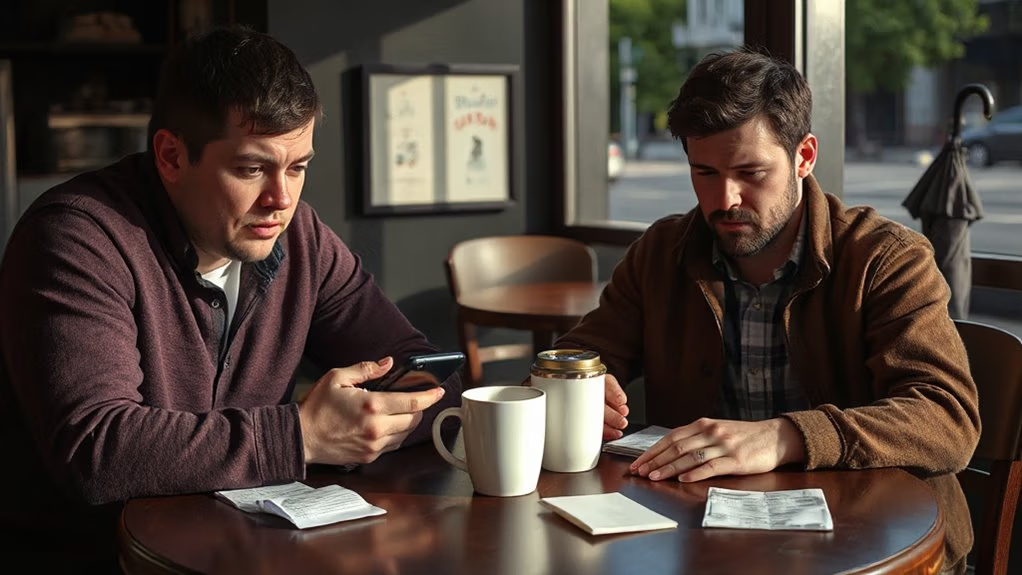
You’ve probably noticed how some friendships feel one-sided—you’re always the one reaching out, offering help, and showing up when they need you. Yet when you need support, they’re nowhere to be found, or worse, they ask you for something else entirely. This imbalance, where they’re constantly taking without giving back, can leave you drained and questioning whether the friendship’s actually worth your effort.
The Imbalance of Effort
One of the clearest signs of a struggling friendship is when you’re always the one reaching out, planning, and offering support without receiving the same in return. You’ll notice you’re carrying the relationship’s weight alone.
| What You Give | What You Receive | The Result |
|---|---|---|
| Consistent check-ins | Silence or delayed replies | Emotional exhaustion |
| Time and energy | Excuses and cancellations | Resentment builds |
| Listening ear | One-sided conversations | Feeling undervalued |
| Genuine care | Indifference | Loneliness persists |
This imbalance drains you over time. Real friendships require mutual investment. You deserve someone who shows up for you with the same dedication you show them. If you’re constantly giving while they’re constantly taking, it’s worth reconsidering whether this relationship serves your wellbeing.
Constant Requests for Help
Taking the imbalance further, some friendships reveal an even more troubling pattern: they’re asking for your help constantly while they’re nowhere to be found when you need them.
You’ll notice this dynamic plays out in predictable ways:
- They call when they’ve got a crisis but ignore your messages when you’re struggling
- You’re always the shoulder to cry on, yet they disappear during your hardest moments
- They expect immediate responses to their requests but delay helping you for weeks
- Favors flow one direction—yours keeps getting depleted while theirs accumulates
It’s exhausting because you’re pouring energy into someone who isn’t refilling your tank. A genuine friendship requires reciprocal support. You deserve someone who shows up for you with the same dedication you’re giving them.
Never Reciprocating Support
When a friendship becomes entirely one-sided, it stops being a friendship at all—it becomes a drain on your emotional reserves. You’re always the one listening, supporting, and showing up when they need you. But when you’re struggling, they’re nowhere to find. They don’t ask how you’re doing or remember what matters to you. Real friendships involve give-and-take. Both people should feel comfortable leaning on each other. If you’re constantly pouring from an empty cup while they remain untouched, that’s not a partnership—it’s a one-way street. You deserve relationships where your needs matter just as much as theirs. Don’t settle for less.
They Betray Your Confidences and Secrets

A true friend’s trustworthiness is foundational to the relationship—they’re someone you can tell your deepest thoughts to without fear they’ll become neighborhood gossip. When someone betrays your confidences, they’ve broken something sacred.
Watch for these red flags:
- They share your secrets with others, even if they preface it with “don’t tell anyone, but…”
- They use your vulnerabilities against you during disagreements or moments of frustration
- They gossip about mutual friends, signaling they’ll do the same with your information
- They’re dismissive when you ask them to keep something private, treating your boundaries as unimportant
If you’ve confided in someone and that information mysteriously circulates, you’ve got your answer. You deserve friends who honor what you share. Trust isn’t easily rebuilt once it’s shattered, and you shouldn’t have to constantly guard what you reveal. A real friendship requires someone who respects your privacy and protects your secrets like their own.
They Make You Feel Worse About Yourself

Beyond betrayal, there’s another way friendships can damage us—through constant criticism and negativity that chips away at your self-worth. You might notice you’re always the butt of jokes, or they’re quick to point out your flaws while rarely acknowledging your strengths. Real friends lift you up; they don’t tear you down.
Pay attention to how you feel after spending time with them. Do you leave feeling energized and valued, or do you find yourself doubting your abilities and second-guessing your choices? A true friend believes in you, even when you don’t believe in yourself.
If someone regularly makes you feel small, inadequate, or ashamed, that’s a red flag. You deserve friendships that make you feel good about who you are. Don’t settle for less.
They Only Show Up When They Need Something
One of the clearest signs of a one-sided friendship is when someone only reaches out when they want something from you. You’ll notice this pattern pretty quickly if you pay attention to your interactions.
Consider these telltale behaviors:
- They contact you exclusively when they need advice, money, or favors
- They disappear after you’ve helped them, then resurface months later with another request
- They don’t ask how you’re doing or show genuine interest in your life
- They become distant or dismissive when you need their support
Real friendships involve reciprocity. When someone consistently takes without giving back, they’re not treating you like a friend—they’re treating you like a resource. You deserve relationships where people show up for you during difficult times, celebrate your wins, and check in just because they care. Don’t settle for less.
They Dismiss Your Feelings and Cross Your Boundaries

When a friend consistently dismisses your feelings or makes you feel like your emotions don’t matter, you’re experiencing emotional invalidation that can deeply hurt your sense of self-worth. You might also notice they repeatedly cross boundaries you’ve set—whether that’s sharing your secrets, invading your personal space, or ignoring your stated limits—without genuine apology or change. What makes this pattern particularly troubling is their lack of respect and accountability, as they either deny overstepping or expect you to simply move past it without addressing what went wrong.
Emotional Invalidation And Dismissal
A true friend doesn’t need you to shrink yourself to fit their comfort zone. When someone constantly dismisses your feelings, you’re left questioning your own reality. This emotional invalidation damages your sense of self and erodes trust.
Consider these red flags:
- They minimize your concerns with phrases like “you’re overreacting”
- They change the subject when you share something vulnerable
- They mock your emotions or use them against you later
- They refuse to respect boundaries you’ve clearly communicated
These behaviors signal that your friend prioritizes their comfort over your wellbeing. You deserve someone who listens without judgment, honors your boundaries, and validates your experiences. A healthy friendship requires mutual respect and emotional safety—non-negotiables that shouldn’t cost you your peace.
Repeated Boundary Violations
Boundaries aren’t suggestions—they’re the framework that keeps friendships healthy and respectful. When your friend repeatedly crosses yours, it’s a significant red flag.
Maybe you’ve told them you need alone time, but they still show up unannounced. Or you’ve shared something private, and they’ve gossiped about it despite your clear request for confidentiality. You’ve asked them not to make plans for you, yet they do anyway.
These violations aren’t accidents—they’re patterns. A true friend respects your limits, even when they disagree with them. They don’t push back or act wounded when you set expectations. Instead, they honor what you’ve asked because your comfort matters to them.
If you’re constantly renegotiating the same boundaries, that friendship isn’t serving you well.
Lack Of Respect And Accountability
What makes repeated boundary violations even more damaging is when your friend refuses to acknowledge they’re doing it. You’re left feeling invalidated and unheard, which erodes trust quickly.
When your friend lacks respect and accountability, they:
- Dismiss your feelings as overreactions or too sensitive
- Refuse to apologize or take responsibility for their actions
- Gaslight you by denying they crossed a boundary
- Repeat the same hurtful behavior without changing
A true friend respects your needs and owns their mistakes. They listen when you express hurt and work to do better. If your friend consistently refuses accountability, they’re showing you they don’t value your wellbeing. You deserve friendships where your feelings matter and your boundaries are honored.
They Manufacture Drama and Feed on Chaos

Some friendships seem to thrive on conflict rather than connection. If your friend constantly stirs up drama, exaggerates situations, or creates problems where none exist, you’re likely dealing with someone who feeds on chaos.
| Warning Sign | What It Looks Like | Impact on You |
|---|---|---|
| Constant negativity | Always complaining or gossiping | You feel drained after hangouts |
| Attention-seeking | Fabricating crises for sympathy | Your real issues get ignored |
| Blame-shifting | Never accountable for their actions | You’re always the villain |
| Rumor-spreading | Twisting your words to others | Trust erodes quickly |
| Conflict-starting | Picking fights over minor things | Your peace suffers |
You’ll notice they don’t seek solutions—they seek an audience. These friends weaponize drama to keep you emotionally invested and off-balance. You end up spending more time managing their chaos than enjoying genuine connection. This dynamic isn’t friendship; it’s exhausting. Recognizing this pattern helps you decide whether this relationship deserves your energy.
They Compete With You Instead of Lifting You Up

True friendship thrives on mutual growth, but some people can’t celebrate your wins without measuring them against their own.
You’ll notice this competitive energy in subtle ways. They might minimize your accomplishments, redirect conversations back to themselves, or seem genuinely bothered when good things happen to you. Real friends amplify your success; toxic ones dim it.
Here’s what unhealthy competition looks like:
- They one-up your achievements with their own stories
- They question whether your success was really deserved
- They withdraw affection when you accomplish something significant
- They subtly remind you of their superiority in areas where you excel
When a friendship feels like constant competition rather than partnership, you’re investing energy in someone who views you as a rival. You deserve people who genuinely want you to thrive. Trust that instinct when something feels off.
They Vanish the Moment You Need Support

When you’re going through something difficult, a real friend shows up—not just in the good times, but especially when you’re struggling. If your friend consistently vanishes when you need them most, that’s a red flag worth acknowledging.
You might notice they’re always available for celebrations or fun outings, but the moment you’re facing a crisis, they’re suddenly unavailable. They don’t return your calls, they make excuses, or they simply ghost until things blow over. This pattern reveals their true priorities—and unfortunately, you’re not one of them.
A genuine friendship means showing up during hard times. It means listening when you’re hurting, offering help without being asked, and sticking around even when things get messy. If your friend can’t do that, you’re carrying the relationship alone. You deserve people who prove their loyalty through their presence, not just their absence of effort.
You Feel Drained and Exhausted Around Them

There’s a particular heaviness that comes with spending time around certain people—a feeling you can’t quite shake even after you’ve left their presence. If you’re constantly exhausted by a friend, that’s worth paying attention to.
Consider these telltale signs:
- You dread seeing them pop up in your notifications or showing up at your door
- Conversations feel one-sided, with you listening to endless complaints without reciprocal support
- You leave interactions feeling emotionally depleted rather than recharged
- You find yourself making excuses to avoid plans you’d normally enjoy
Healthy friendships energize you. They leave you feeling seen, heard, and valued. When someone consistently drains your emotional reserves, it’s not selfish to acknowledge that. Your well-being matters. Sometimes the kindest thing you can do—for both of you—is creating some distance. You deserve relationships that uplift rather than deplete you.
Conclusion
You’re not alone in this struggle—research shows that nearly 50% of people’ve experienced a toxic friendship that hurt their mental health. If you’re recognizing these signs in your relationships, it’s okay to prioritize yourself. You deserve friendships that energize you, not drain you. Real friends lift you up and stick around when things get tough. Trust your gut, set boundaries, and don’t feel guilty choosing people who genuinely care.