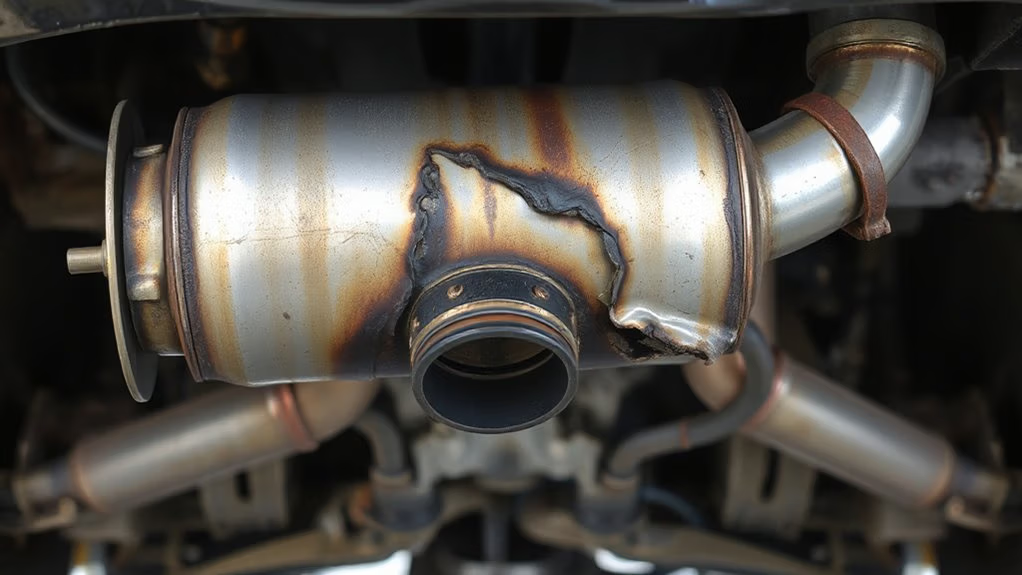
If your check engine light won’t quit and you’re noticing your gas mileage tanking, your catalytic converter might be waving a red flag. You’ll hear it rattling underneath, smell rotten eggs from your tailpipe, and feel your engine running hotter than usual. Failed emissions tests confirm it’s struggling. These warning signs aren’t just annoying—they’re your car’s way of telling you something’s seriously wrong, and there’s plenty more to understand about what’s happening under there.
Key Takeaways
- A persistent check engine light indicates potential catalytic converter issues requiring diagnostic scan to identify specific error codes.
- Rattling noises from underneath the car suggest internal honeycomb breakdown, especially noticeable during acceleration or on rough terrain.
- Rotten egg smell from exhaust signifies sulfur compound processing failure, typically worsening during acceleration or uphill driving.
- Sudden drops in fuel economy paired with other warning signs suggest inefficient exhaust processing straining the engine.
- Engine temperature spikes indicate exhaust flow restriction, risking serious thermal damage if not promptly addressed and repaired.
Check Engine Light Won’t Turn Off
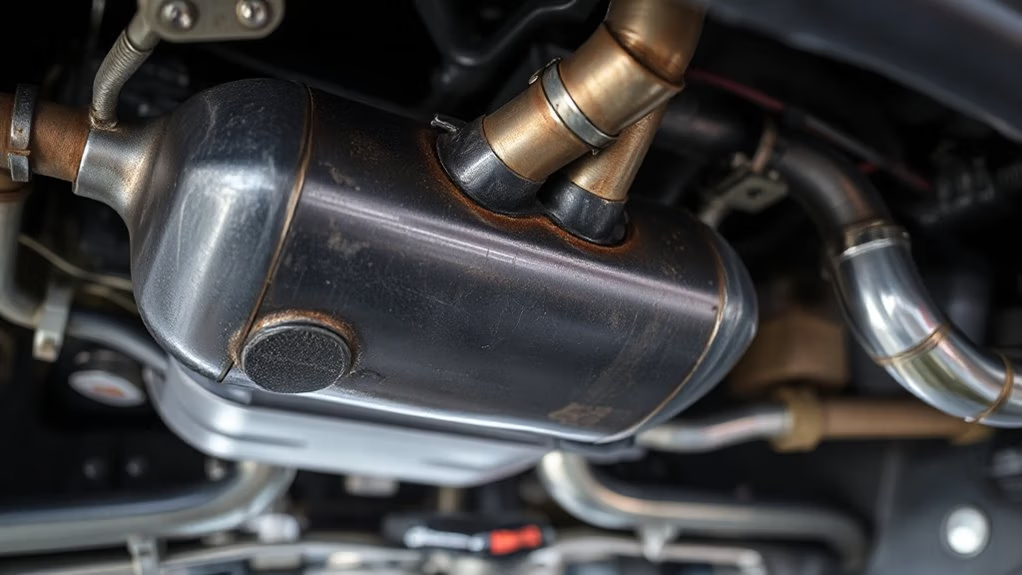
When that little amber light won’t quit glowing on your dashboard, it’s often your car’s way of flagging a catalytic converter problem. Your vehicle’s onboard diagnostic system constantly monitors your emissions, and when something’s amiss with your converter, it trips that warning light.
You can’t ignore this signal. That persistent glow means your converter isn’t properly filtering harmful gases, and ignoring it’ll only make things worse. The longer you drive around with a failing converter, the more damage you’re doing to your engine and your wallet.
Here’s the thing: that check engine light could point to other issues too—oxygen sensors, fuel injector problems, or a loose gas cap. That’s why you’ll want to get it scanned with a diagnostic tool. A mechanic can pull the specific error code and tell you exactly what’s happening under the hood. Don’t delay addressing it.
Your Fuel Economy Drops Suddenly
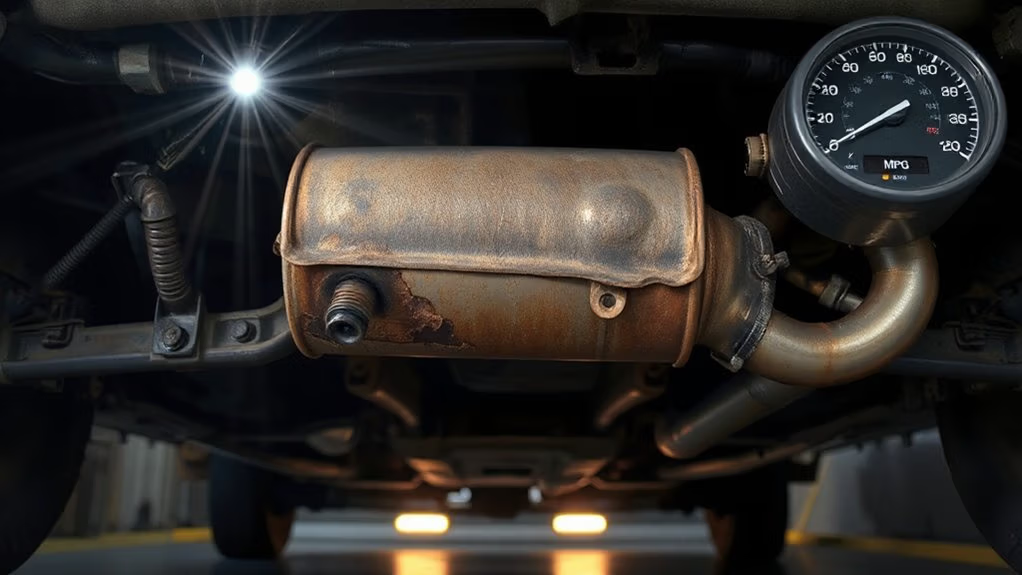
If you’re suddenly stopping at the gas pump way more often than usual, your catalytic converter might be to blame. When your converter starts failing, it can’t process exhaust gases efficiently, forcing your engine to work harder and burn more fuel to compensate.
You’ll notice you’re getting fewer miles per gallon than before, even though your driving habits haven’t changed. This happens because a clogged or damaged converter creates backpressure in your exhaust system, making your engine less efficient at combustion.
The drop in fuel economy often sneaks up on you gradually, but eventually it becomes impossible to ignore. You might fill up your tank and realize you’re reaching empty much quicker than usual.
You might fill up your tank and realize you’re reaching empty much quicker than usual.
If you’re experiencing this alongside other warning signs like that persistent check engine light, it’s time to have a mechanic inspect your catalytic converter before the problem gets worse and costs you more money.
Rattling Sounds Underneath Your Car
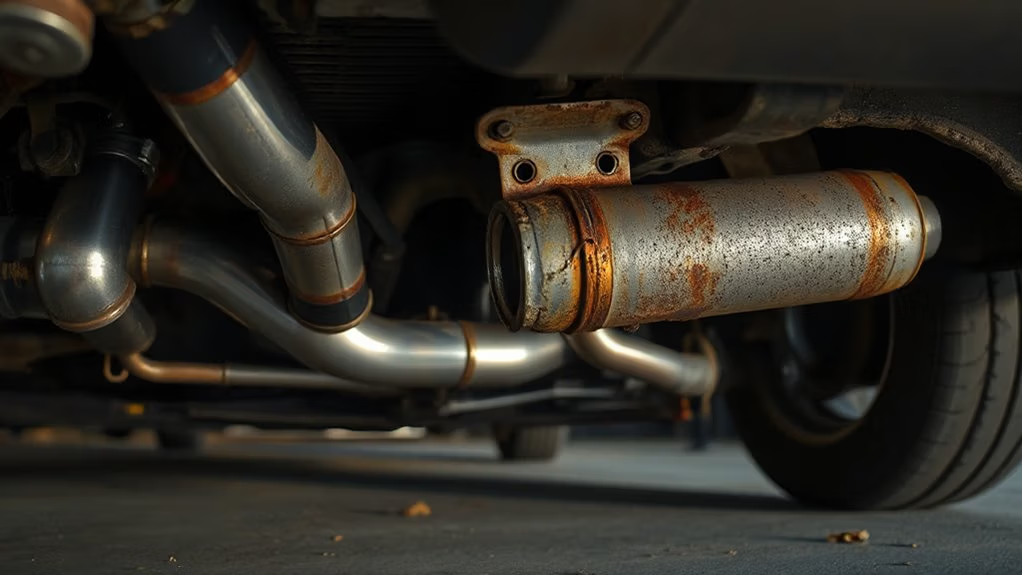
One of the most telltale signs that your catalytic converter’s failing is a rattling noise coming from underneath your car—especially when you accelerate or hit a bump in the road. Here’s what’s happening: the internal honeycomb structure of your converter can break down over time, causing loose pieces to rattle around inside the metal housing.
You’ll notice this sound most when you’re driving over rough terrain or pushing the engine harder. It’s like marbles rolling around in a tin can—unmistakable once you hear it. This rattling isn’t something you should ignore, either. Those internal fragments can eventually block the exhaust flow completely, leaving you stranded.
The problem compounds quickly too. Ignoring this warning sign means risking more expensive engine damage down the road. If you’re hearing that telltale rattle, it’s time to get your vehicle inspected by a mechanic who can confirm the diagnosis and discuss your repair options.
Rotten Egg Smell From Your Exhaust
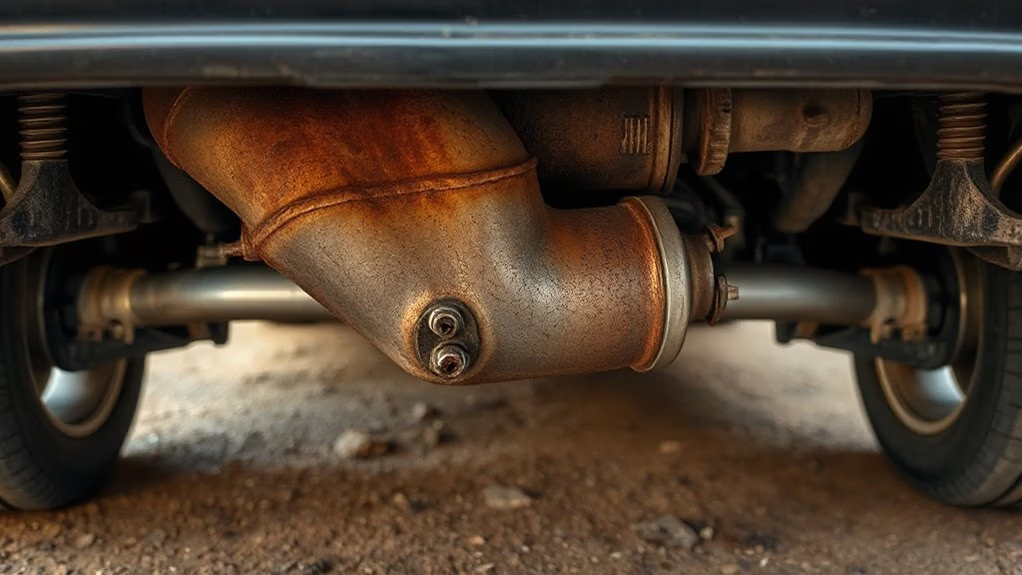
If you’re catching a whiff of rotten eggs when you hit the gas, your catalytic converter‘s likely failing to break down the sulfur compounds in your exhaust the way it should. That stench signals something’s gone wrong inside the converter—it’s not processing those chemicals anymore—and you’ve got a real problem on your hands that affects both your car’s performance and your health. Breathing in those fumes day after day isn’t safe for you or your family, so you’ll want to get it checked out before things get worse.
Sulfur Compounds in Exhaust
Ever caught a whiff of rotten eggs coming from under your car? That’s sulfur compounds doing their thing. Your fuel naturally contains sulfur, and when your catalytic converter‘s working properly, it transforms these smelly compounds into harmless sulfates. But here’s the problem: if your converter’s failing, it can’t process that sulfur effectively. Instead, the stench escapes straight from your tailpipe, making your car smell like a dozen rotten eggs baked in the sun.
You’ll notice this smell most when you’re accelerating or driving uphill, when your engine’s working harder. Don’t ignore it. That rotten egg odor’s your catalytic converter waving a red flag, telling you it’s struggling or failing. Getting it checked soon prevents bigger engine damage down the road.
Converter Malfunction Indicators
Your nose’s honest feedback about what’s happening under the hood shouldn’t be dismissed as mere annoyance. When your catalytic converter starts failing, it can’t properly break down sulfur compounds in your exhaust. This creates that unmistakable rotten egg stench that’ll have you rolling down windows fast.
Here’s what you’re dealing with:
- Persistent sulfur smell from your tailpipe
- Odor that gets worse during acceleration
- Smell that lingers even after driving stops
- Rotten eggs scent that’s hard to ignore
- Converter struggling to process exhaust gases
This malfunction indicator tells you your converter’s struggling. Don’t ignore it. That smell means harmful emissions aren’t being filtered properly, and your vehicle needs attention soon. Getting it checked now prevents bigger problems down the road.
Health and Safety Concerns
While that rotten egg smell might seem like just an unpleasant inconvenience, it’s actually waving a red flag about what you’re breathing in and what’s escaping into the air around you. Your catalytic converter’s job is converting harmful sulfur compounds into harmless ones. When it fails, you’re inhaling and releasing toxic emissions into your community.
| Health Impact | Your Risk |
|---|---|
| Respiratory irritation | Coughing, wheezing |
| Headaches | Persistent discomfort |
| Nausea | Dizziness, weakness |
| Long-term lung damage | Chronic conditions |
| Environmental pollution | Community-wide effects |
You’re not just dealing with a bad smell—you’re facing real health consequences. That sulfur dioxide hanging around your car affects your lungs and those of people nearby. Getting your converter fixed isn’t just about comfort; it’s about protecting yourself and your neighbors from genuine harm.
Your Engine Temperature Spikes
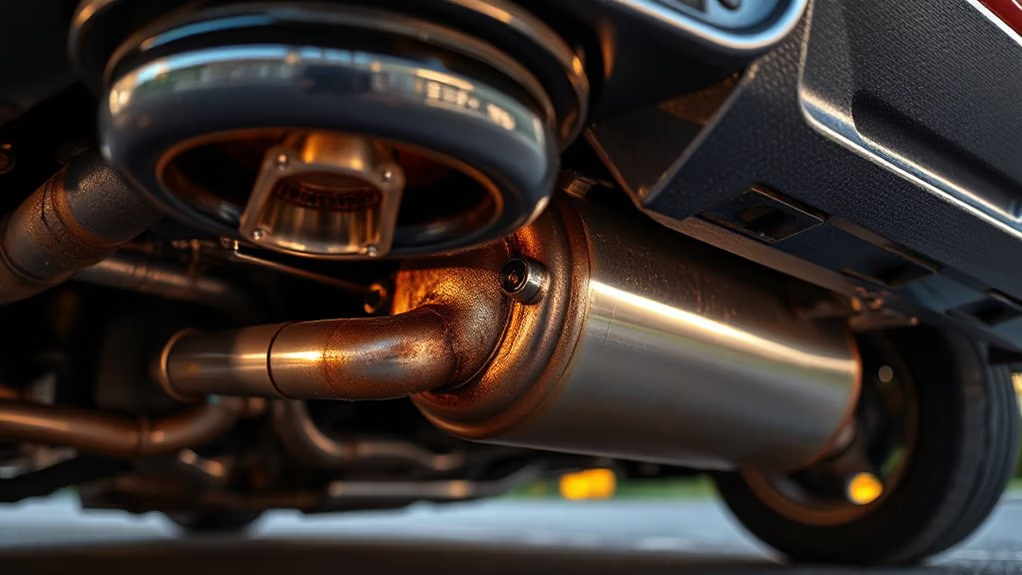
When your catalytic converter clogs up, it chokes off your exhaust flow, and that trapped heat’s gotta go somewhere—straight back into your engine. Your temperature gauge creeps up because your vehicle can’t shed the heat it’s supposed to, and that’s when you’ll notice your engine running hotter than it should. If your thermal management system can’t keep pace with the buildup, you’re looking at serious engine stress that’ll only get worse the longer you drive.
Blocked Exhaust Flow Issues
One of the most telltale signs that your catalytic converter’s gone bad is when you notice your engine running hot—and I mean really hot. When your converter clogs up, exhaust gases can’t flow properly through your system. This buildup creates backpressure that forces heat into places it shouldn’t be.
Here’s what you’ll experience:
- Your temperature gauge climbs higher than normal
- The engine struggles to breathe freely
- Exhaust backs up in your muffler and pipes
- Performance drops noticeably during acceleration
- You might smell rotten eggs from unburned fuel
Your engine’s working overtime trying to push exhaust through that blocked converter. Think of it like pinching a garden hose—the pressure builds dangerously. Don’t ignore this warning. A failing catalytic converter demands attention before serious engine damage occurs.
Thermal Management System Failure
Beyond that blocked exhaust flow, your engine’s cooling system starts to break down under the stress of a failing catalytic converter. When your converter can’t process emissions properly, exhaust gases back up into your engine, raising temperatures faster than your radiator can handle. You’ll notice your temperature gauge climbing into the red zone, even during casual driving.
This heat buildup becomes serious quickly. Your engine works harder to push against the blockage, generating extra friction and combustion stress. Without proper cooling, you’re risking warped cylinder heads and blown gaskets. Don’t ignore that temperature spike—it’s your engine’s way of crying for help. Get your catalytic converter checked immediately before thermal damage leaves you with a much costlier repair bill.
Emissions Test Failures and What They Mean
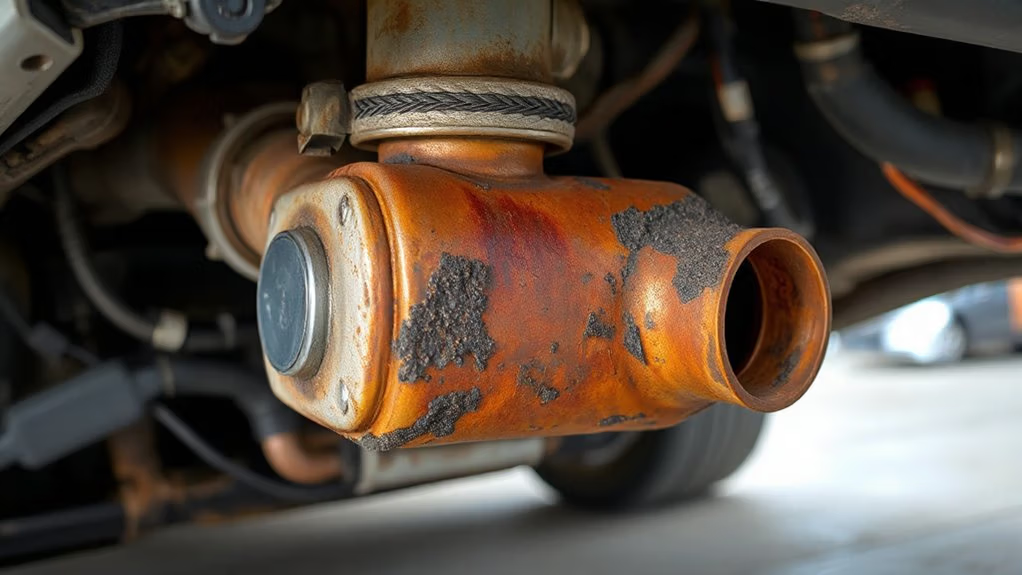
If your vehicle’s failed an emissions test, your catalytic converter‘s probably sending you a warning signal. When this component stops working right, you’re looking at trouble that goes beyond just environmental concerns—it’s hitting your wallet too.
A failing catalytic converter costs more than environmental damage—it hits your wallet hard when emissions tests fail.
Here’s what emissions test failures typically indicate:
- Excessive hydrocarbon levels mean unburned fuel’s escaping your exhaust
- High nitrogen oxide readings signal your converter can’t break down these harmful compounds
- Carbon monoxide spikes show your engine’s running too rich
- Oxygen sensor issues often accompany converter problems, throwing off fuel mixture
- Catalyst efficiency drops below legal thresholds, requiring immediate attention
You can’t ignore these results. Your vehicle won’t pass inspection, and you’ll face fines. More importantly, you’re damaging your engine and the environment. A failing catalytic converter needs replacement soon—the longer you wait, the more expensive collateral damage becomes.
Conclusion
You shouldn’t ignore these warning signs—they’re your car’s way of telling you something’s wrong. Here’s what’ll hit you hard: nearly 1 in 5 vehicles fail emissions tests due to catalytic converter problems, costing folks thousands they didn’t budget for. Don’t let that be you. Catch these red flags early, get your car checked out, and you’ll save yourself a heap of trouble down the road. Your wallet’ll thank you.