



Let’s face it—your chest might throw you a curveball now and then, and not always the fun kind. If you’re noticing new lumps that hang around, skin that looks like an orange peel, or a nipple doing its own thing, don’t just shrug it off. Weird discharge? That’s not a cool party trick. There’s a short list of stuff you’ll want to watch for, and trust me, you don’t want to miss what’s next.
New Lumps or Areas of Thickening

Even if you’ve had lumpy breasts forever, a new lump or a patch that feels thicker than the rest deserves your attention. You know your normal; trust it. Use a simple Palpation technique: three fingers, flat, small circles, light, medium, then deep pressure. Map the whole breast and armpit in rows, shower or lying down. Note anything firm, fixed, or oddly rough. Compare both sides, but don’t play guess-the-twin; focus on change. Tissue density varies with cycles and age, but a spot that stays for two to three weeks isn’t playing. Set a reminder, recheck, then call your clinician if it’s still there. Give size and location, like “pea, upper outer, left.” Don’t wait for pain. Cancer often keeps quiet. Act sooner, not later.
Changes in Breast Size or Shape
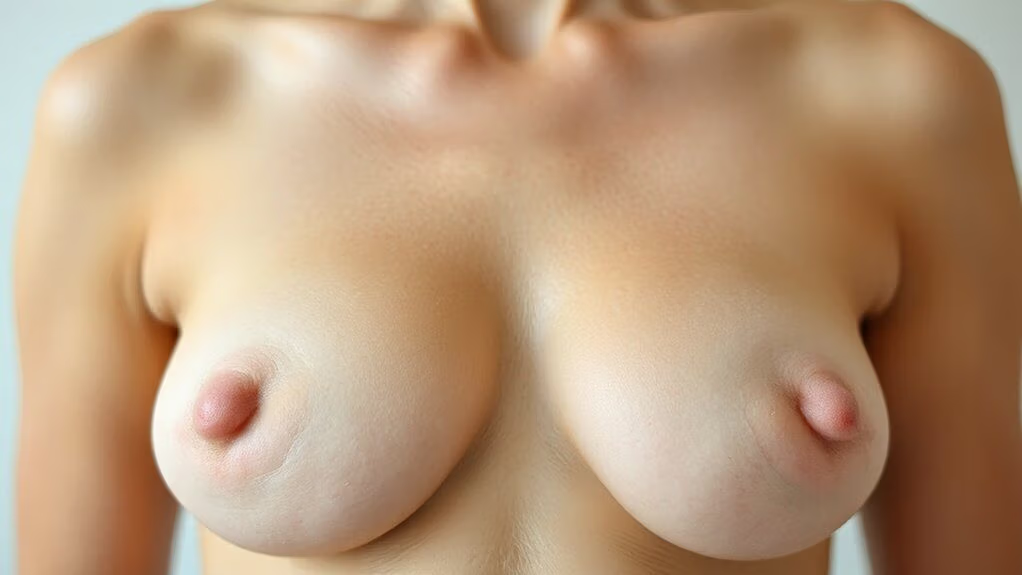
You checked for lumps; now watch the bigger picture—size and shape. Look for a breast that suddenly looks fuller, flatter, or sits lower than its partner. One cup fits and the other rebels? Pay attention. Track changes over a few weeks. Note your cycle, hormonal shifts, pregnancy, breastfeeding, and weight fluctuations. Those can explain ups and downs. Cancer-related changes usually stick around and don’t match the rest of your body’s story.
Do a quick check in the mirror, arms at your sides, over your head, then leaning forward. Compare outlines, fullness near the collarbone, and how the nipple points. Use a soft tape to measure width and height. Take photos. If a new size or shape difference persists, call your clinician. No heroics—just action.
Skin Changes: Dimpling, Puckering, Redness, or Rash
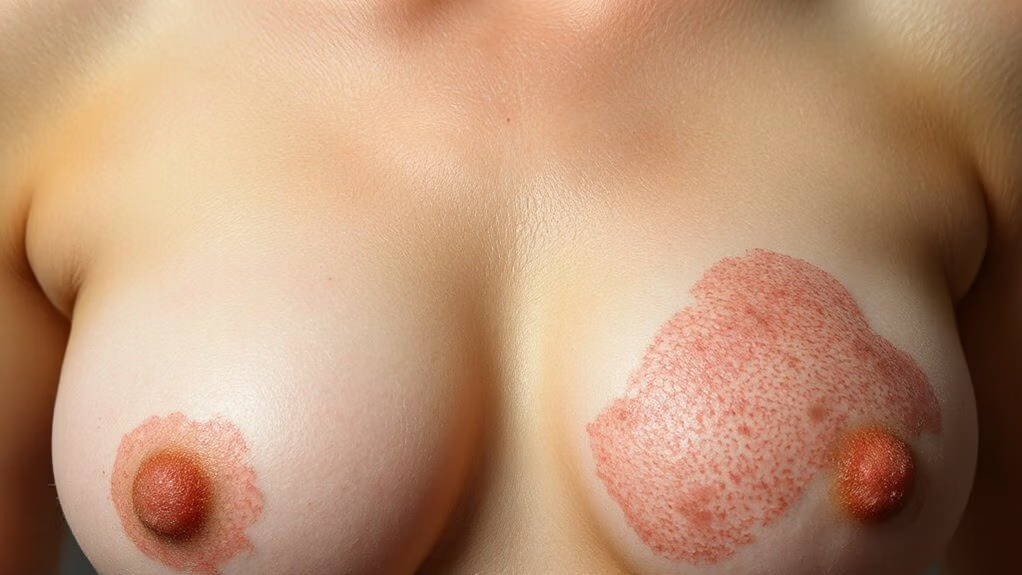
While bras leave marks, breast skin shouldn’t start dimpling, puckering, or flushing for no clear reason. If your skin looks like an orange peel—that classic peau d’orange—don’t shrug it off. Dimpling that sticks when you raise your arms can signal something pulling under the skin. Patches of localized erythema, warmth, or a new rash that doesn’t fade after a day or two deserve attention. Compare both sides in a mirror with your arms at your sides, then overhead. Press gently around the area; note tenderness, thickening, or swelling. Take a clear photo in good light and recheck in 48 hours. If it’s unchanged or worse, call your clinician. Be specific with dates and photos. That’s how you advocate for yourself. No apologies.
Nipple Changes: Inversion, Discharge, or Pain
Watch for a nipple that suddenly flips inward and stays that way—especially on one side—when you’re not cold or pressing on it. Note the discharge: spontaneous fluid from one nipple, bloody, or coming from a single spot is a red flag; milky from both with squeezing is usually less worrisome, and pus suggests infection, not a fashion statement. Nipple pain matters when it’s new, one-sided, persistent, wakes you up, or comes with a lump or skin changes—so call your clinician and get it checked.
Identifying Nipple Inversion
How do you tell a quirky nipple from a red flag? Some nipples point inward from birth—that’s normal. Call those Anatomical Variations with possible Developmental Causes. They stay the same on both sides and don’t suddenly change. The red flag is new inversion, especially on one side. You’ll notice the nipple pulling in or flattening over weeks. It may feel tethered, like it’s stuck. The areola can pucker. Skin might look dimpled, like an orange peel. Do this check: raise your arms, press your hands on hips, then lean forward. Watch for a nipple that hides and won’t pop back out. Compare with old photos if you have them. If it’s new, persistent, or asymmetric, call your clinician. Soon. Don’t wait. It’s your health.
Types of Nipple Discharge
Ever see fluid on your bra and think, great, now what? You check the nipple. You note Color variations: clear, milky, yellow, green, brown, or bloody. You clock Consistency variations too: thin and watery, or thick and sticky. Don’t squeeze for fun; it can keep it going.
If discharge appears on its own, from one breast, or from a single duct, get it checked. Bloody or clear like water? Call your clinician soon. Milky when you’re not pregnant or nursing can come from meds or hormones, but still deserves a visit. Green or yellow, especially from both sides, often means benign duct changes.
Snap a photo, save the stained bra or pad, and write the date. Bring that info to your appointment for review.
When Nipple Pain Matters
You checked the discharge. Now the pain is stealing the show. Soreness before your period? Fine. Hormonal fluctuations can sting a bit. A cracked nipple from a bad latch? Classic breastfeeding complications. Fix the latch, use lanolin, and rest. But pain that’s new, one-sided, and constant deserves attention. Pain with a firm lump, skin dimpling, or a nipple that suddenly inverts? Don’t wait. Pain plus bloody or clear discharge is another red flag. Heat, swelling, and fever suggest infection; call your clinician for antibiotics. No fever and the ache won’t quit for two weeks? Book an exam. Ask for a clinical breast exam and imaging. Trust your fingers. Map the area, note size and location, and bring notes. Simple. Smart. And follow up promptly.
Swelling, Underarm Lumps, or Persistent Discomfort
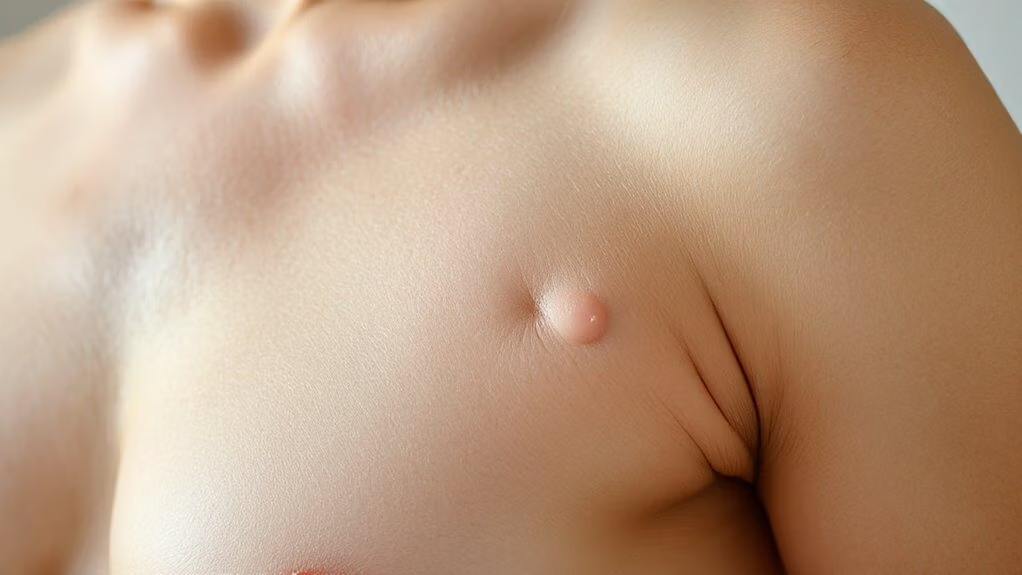
Watch for swelling near your armpit or the side of your breast—new puffiness, a firm pea-to-marble lump, or one side looking fuller in the mirror. Notice discomfort that lingers: a sore spot that outlasts your period, wakes you at night, or hurts in the same place every time. Call your doctor if a lump or swelling lasts over two weeks, grows, feels hard or stuck, or if pain isn’t cycle-related; go sooner for redness, warmth, or fever.
Recognizing Underarm Swelling
While it’s easy to shrug off a cranky armpit, underarm swelling deserves a second look. You know your pits, so notice when one looks puffy or feels fuller than usual. Compare sides in the mirror with your arms at your sides, then raised overhead. Check arm mobility; tightness or a tug under the arm can hint at swollen lymph nodes. Feel gently with flat fingers, moving from the armpit toward the chest. Any firm, rubbery lump that doesn’t shift much is worth noting. Watch for changes in bra fit, like a strap digging in or a cup edge rubbing a new bulge. Track what you find for two weeks. If swelling sticks around or grows, call your clinician. No heroics. Just follow-up. Do it.
Persistent Breast Discomfort
Most twinges fade; pain that sticks around earns attention. If your breast aches, feels sore, or seems swollen for weeks—don’t chalk it up to hormonal fluctuation or yesterday’s heavy grocery bags. We’ve all had random pains, especially near our periods or after some musculoskeletal strain. But breast discomfort that just won’t quit is different. You might notice swelling, tightness, or even a strange, dull throb radiating under your arm. Maybe touching your bra feels off, or that side-sleeping position suddenly brings discomfort. It isn’t about a split-second twinge—it’s pain that’s stubborn, hanging in longer than any excuse. If you’ve got underarm lumps with that ache, take note. Don’t let nagging pain become background noise. Pay attention when discomfort refuses to move out.
When to Seek Care
Let’s cut to it: Soreness that camps out for weeks, swelling that sticks around, or a weird lump under your arm isn’t something you shrug off and chalk up to “just being tired.” That’s your cue to call your doctor—no, not next month, and not after another round of Googling. You’re not being dramatic. You’re being smart. Early action makes a difference, so don’t wait for symptoms to magically vanish. Wondering about appointment costs? Most insurance coverage includes doctor visits, mammograms, or specialist referrals for these concerns. Plus, telehealth options let you talk to a doctor from your couch. Can’t drive across town? No excuse. Imagine this: one simple call, maybe a quick video chat, and actual answers. Don’t second-guess yourself.
When to Contact Your Doctor and Keep up With Screening
Even superheroes need to know when to call for backup, and the same goes for you when it comes to your health. If you notice a lump, skin changes, or unusual symptoms in your breast, don’t play tough—call your doctor. There’s no trophy for ignoring warning signs.
Now, let’s talk reality: keeping up with your screening schedule is non-negotiable. Regular mammograms or exams aren’t just boxes to check. They’re your early-warning system. Mark the dates on your calendar, set reminders, and don’t let life push screenings off your list.
Check your insurance coverage so there aren’t any surprise bills. Most plans cover routine breast screenings. If yours doesn’t, call and ask why—they work for you. Stay sharp. Don’t skip. You’ve got this.
Conclusion
Let’s be real: no one wants extra drama in their life, especially not in the form of odd lumps, rogue dimples, or mystery fluids. But you know your body best, so trust your gut if something just feels off. Don’t wait for your breast to start singing show tunes—call your doctor. It’s quick, it’s smart, and it could save you a world of hassle down the line. Pay attention, take action, and don’t apologize for it.