


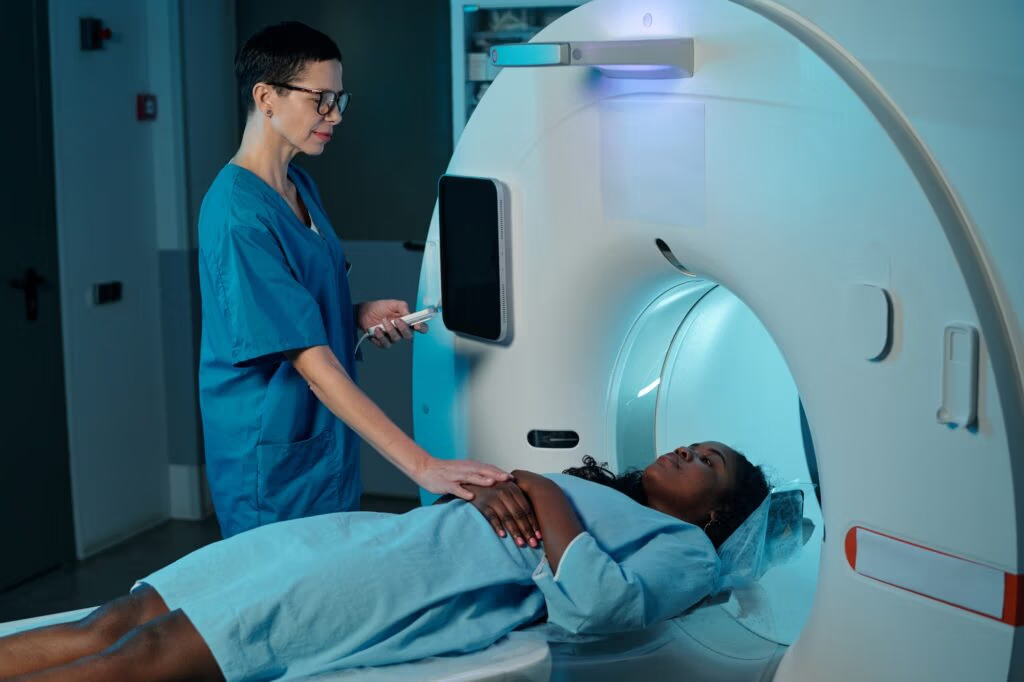
Becoming a radiology technician puts you right at the heart of healthcare. This role goes beyond pressing buttons; you’re creating vital images that help doctors find signs of illness or injury. It’s a job that offers a clear sense of purpose with every patient you assist.
You’ll work with advanced imaging tools, learning skills that put you in demand. Plus, the mix of tech and care keeps the workday interesting. This guide will lay out the steps you need to take to start and succeed in this profession.
Understanding the Role of a Radiology Technician
If you are considering a career as a radiology technician, it’s important to grasp what the job truly involves. This profession is not just about handling machines; it’s about capturing clear, accurate images that reveal signs of injuries or illness. Your work becomes an invisible aid to doctors as they make their diagnoses. Understanding your role will help you know what to expect and prepare accordingly.
Core Responsibilities
As a radiology technician, your daily work revolves around several key tasks:
- Operating imaging machines: You will use X-ray, CT, MRI, and other machines to create images of the human body. This requires knowing the controls, settings, and safety measures for each type of device.
- Positioning patients: Accurate images depend on proper patient positioning. You will guide patients into the right posture, explaining the process clearly and ensuring they stay still to avoid blurry images.
- Preparing images for doctors: After capturing images, you will review the quality and process them for easy reading. Your goal is to deliver clear visuals that highlight the signs of any health issues so doctors can make precise diagnoses.
Your role blends technical skill with a caring touch. Setting patients at ease and paying attention to detail helps get the best results.


Work Environment and Schedule
Radiology technicians work in various healthcare settings. You could be part of a hospital team, a clinic staff, or work at a specialized diagnostic center. Each place has its own flow and patient demands, but all share the goal of detailed patient imaging.
Your schedule varies depending on the workplace. Many technicians work full-time, often around a 40-hour week. Some facilities may require evening or weekend shifts to cover emergencies or accommodate patient needs. The role also demands physical stamina. You will often stand for hours, move equipment, and assist patients with positioning, which requires some strength and stamina.
This environment is active and requires focus, but most find satisfaction in being part of a team that spots the early signs of illness and helps guide care.
For a closer look at the skills and certifications needed, you might find detailed radiology technician courses helpful to explore.
Understanding every aspect of this role sets you up for success. Your work as a radiology technician plays a key part in the healthcare system’s ability to catch problems early and guide treatment accurately.
Educational Requirements and Training
To become a radiology technician, your education and training build the foundation for your daily work. Knowing where to start and what to expect can keep you on track. Let’s break down how you can find the right program and why practical experience matters so much.
Choosing the Right Program
Finding the right educational program is like picking the perfect tool for a job. If it’s not the right fit, your career may face unnecessary bumps early on. To help you find the best program, focus on a few key points:
- Accreditation: Look for programs accredited by agencies recognized by the Joint Review Committee on Education in Radiologic Technology (JRCERT). This ensures the course meets strict standards, giving you solid training and more job opportunities after graduation.
- Hands-on Training: Programs that offer labs and simulated practice will let you work directly with imaging equipment before you see real patients. This builds your confidence and skill.
- Program Length and Structure: Most programs last between 1 to 2 years, leading to a certificate or an associate degree. Choose a program that fits your timeline and learning style without rushing through important details.
- Curriculum Content: The course should cover anatomy, radiation safety, imaging techniques, patient care, and equipment operation. This rounded approach trains you to recognize signs of illness accurately and safely.
Selecting a program is like choosing a path on a map. You want the trail that leads to clear signs of success and prepares you well for what comes next. If you want, the American Registry of Radiologic Technologists (ARRT) offers a reliable directory of accredited programs to check your options.
Clinical Training Importance
Books and classrooms lay the groundwork, but you sharpen your skills when you get hands-on experience in a clinical setting. Clinical rotations or internships are where you turn textbook knowledge into real-world ability.
- Building Competence: Handling actual cases under supervision helps you spot the signs that matter in patient scans. This experience boosts your instinct for quality and accuracy.
- Developing Confidence: Meeting patients and working alongside healthcare teams prepare you for the responsibilities you’ll face daily. It turns nervousness into calm, clear action.
- Understanding Workflow: Clinical settings teach how imaging fits into patient care. You learn how to communicate with physicians, manage equipment fast, and adapt to unexpected challenges.
This training isn’t optional—it’s a required step before graduation and certification. Without it, you miss the vital chance to test your skills in real situations. Think of clinical experience as the dress rehearsal that ensures you’re ready for the main event of your career.
Here’s a helpful read about the value clinical training adds for anyone entering medical imaging: Why Clinical Experience Matters in Radiology.

Photo by mr. kev

By choosing the right program and committing to thorough clinical training, you’ll recognize the signs of your own progress and readiness. This approach prepares you to move confidently into your role as a radiology technician, helping uncover signs of illness and guiding patient care.
Certification and Licensing Process
Stepping into your career as a radiology technician means meeting certain professional standards set by certification and licensing bodies. This process marks your commitment to safety, skill, and ethical care in medical imaging. Knowing the steps to get certified and licensed helps you avoid surprises and keeps your career moving smoothly. Let’s break down what it takes to earn key certifications and maintain necessary licenses across different states.
Key Certifications
One of the most recognized certifications for radiology technicians is offered by the American Registry of Radiologic Technologists (ARRT). This credential proves you have the knowledge and skills to meet industry standards.
To qualify for the ARRT certification, you need to:
- Complete a formal education program accredited by the Joint Review Committee on Education in Radiologic Technology (JRCERT) or another recognized agency.
- Pass a thorough exam covering topics like anatomy, patient care, radiation protection, and imaging procedures.
- Meet ethical standards, including adherence to professional conduct codes.
The ARRT certification is not just a piece of paper. It’s a sign you understand how to perform imaging safely and accurately—key signs employers look for. Successfully passing the ARRT exam gives you a credential that often opens doors to jobs and career growth.
For detailed info on eligibility and exam content, visit the official ARRT page on initial requirements for earning ARRT credentials.
State Licensing
Your journey doesn’t stop with certification. Depending on where you live or plan to work, you might also need a state license. Licensing rules vary quite a bit from state to state. Some states require you to hold a license to practice, while others rely mainly on your ARRT certification.
Here’s what you should know:
- Licensing Requirements: States with licensing demand you apply directly through a state agency. Requirements may include proof of ARRT certification, continuing education, and fees.
- Maintaining Licensure: States often require you to complete ongoing education to keep your license current. This ensures you stay familiar with the latest safety protocols and technology changes, so you can spot the signs of new practices and hazards.
- Checking State Rules: Before you begin working, verify your state’s licensing rules. Some states provide detailed guides and contacts for licensing boards. The ARRT offers a helpful page on state licensing that outlines which states require licenses and how to renew them.
Keeping your license active means staying committed to the profession’s standards long after you get your certification. This ongoing effort benefits your patients and strengthens your role as a trusted radiology technician.

Photo by MART PRODUCTION
Whether you are freshly certified or have been working for years, understanding the certification and licensing process helps you spot the signs that your professional journey is on the right path. Staying informed keeps your license valid and your reputation solid, signaling to employers and patients that you are fully qualified.
Building Skills and Gaining Experience
Your journey to becoming a skilled radiology technician starts here. As you learn and grow, building key abilities and gaining hands-on experience shapes your path to success. It’s more than just knowing how machines work—it’s about understanding safety, patient care, and reading images with clarity. Below, you’ll find what to focus on and what signs show you’re moving in the right direction.
Technical Skills to Master
Mastering the technical side of radiology is essential for your role. The machines you use are sophisticated, and knowing how to operate them safely and effectively can make all the difference.
- Machine Operation: Learn the specific controls and functions of X-ray, CT, and MRI machines. Each device has its quirks, and knowing these inside out helps you get sharp images without unnecessary repeats or delays.
- Safety Protocols: Radiation safety is a must. Understanding how to protect yourself and patients from exposure is key. This includes wearing protective gear, using shielding tools, and following facility rules precisely.
- Image Analysis: While you won’t make diagnoses, you must recognize if an image is clear and correctly highlights the necessary anatomy. Detecting signs of poor quality means you can adjust techniques quickly, saving time and improving patient care.
These skills work together like gears in a clock. When each spins smoothly, you provide reliable imaging services that doctors depend on.
Developing these skills often starts with education but grows through practice in clinical settings. Check out more tips on essential skills for radiologic technologists at Fortis College’s guide on essential skills.

Photo by Tima Miroshnichenko
Signs of Professional Growth
Measuring your progress is easier when you know what signs to look for. Growth shows up in your work habits, your confidence, and the way you interact with patients and colleagues.
- Increased Efficiency: Completing imaging sessions faster without cutting corners signals growing mastery. You learn to adjust settings quickly and position patients with fewer instructions.
- Better Patient Communication: You start explaining procedures in simple terms, easing patient anxiety. Patients recognize your calm, professional approach, which improves cooperation and image quality.
- Improved Problem-Solving: When images aren’t perfectly clear, you troubleshoot without hesitation. Recognizing signs of equipment issues or patient movement shows your growing technical insight.
- Confidence in Workflow: You navigate your workday smoothly, balancing multiple patients and tasks. This reflects your understanding of how radiology fits into the larger healthcare process.
These signs point to your readiness to take on more advanced responsibilities and move forward in your career. You can find additional insights about key qualities and growth signs at Concorde Career College’s traits of a good rad tech.
As you build and refine these skills, remember that each step forward shapes the care you provide. Your role becomes clearer, your confidence grows, and you’ll spot signs of success that push you ahead in your career.
For more on skill development and career growth ideas, the article on radiologic technologist skills and advancement offers practical guidance.
Career Advancement and Opportunities
Once you step into the field as a radiology technician, a world of growth and specialization opens up. Your initial training sets a solid foundation, but the true signs of advancement come with taking on new skills and exploring paths that fit your interests and long-term goals. Radiology is a field where you can deepen your expertise or move into leadership roles, depending on your drive and choices.
Specialization Options
Radiology offers several focus areas where you can sharpen your skills and stand out. Choosing a specialization often means extra training but leads to more responsibilities and better pay. You might want to explore:
- Magnetic Resonance Imaging (MRI): MRI specialists work with scanners that use magnetic fields and radio waves to create detailed images of the body. This area requires learning the unique safety protocols and machine controls.
- Computed Tomography (CT): CT technologists operate machines that use X-rays to create cross-sectional body images. The work demands precision to capture signs of fractures, infections, or tumors accurately.
- Mammography: Here, you focus on imaging breast tissue to spot signs of cancer early. This role calls for training in patient positioning and understanding breast anatomy deeply.
Other specialized areas include bone densitometry, vascular and cardiac-interventional radiography, and nuclear medicine. Each opens a different path and requires certification or additional courses. Choosing a specialty sharpens your skill set and makes you a more valuable team member. For a clear list of credential options available for radiology technicians, this resource offers a detailed guide.
Long-Term Career Potential
Moving beyond your starting role, many options await if you want to extend your career path. You can look toward:
- Advanced Certifications: Earning advanced credentials in specialties like radiation therapy or sonography boosts your qualifications and can lead to higher pay and more challenging work.
- Teaching Roles: Sharing your knowledge as an instructor in radiology programs brings a new sense of purpose. You’ll train future technicians and stay engaged with ongoing technology changes.
- Management Positions: With experience, you can move into supervisory or department management. These roles involve overseeing teams, managing schedules, and ensuring quality control in imaging services.
- Registered Radiologist Assistant (R.R.A.): This role expands your scope of practice, allowing you to assist radiologists directly in procedures and patient care, which requires further certification.
The field of radiology is poised for steady growth, with job opportunities expected to rise due to the aging population and advances in imaging technology. According to the Bureau of Labor Statistics, demand for radiologic and MRI technologists will grow by 6% over the next decade. This steady rise reflects the ongoing signs that radiology careers offer lasting stability and growth.

Photo by Anna Shvets
Expanding your skills and exploring this wide range of opportunities will keep your career dynamic and rewarding. Your ability to spot signs of patient progress and machine performance will only improve, pushing you ahead in your professional journey.
Conclusion
Becoming a radiology technician takes more than just finishing courses and getting certified. It requires steady effort to master technical skills, follow safety rules, and build confidence in patient care. The signs of success show up when you handle equipment smoothly, communicate clearly, and deliver quality images every day. Staying committed to learning and growing will keep you ahead in this field and open doors to new careers or specializations. Keep your focus on the small steps and the clear signs of progress—these will lead you to a fulfilling and lasting career in radiologic technology.