


You wake up from a deep sleep, only to find yourself once again heading to the bathroom. If this feels a little too familiar lately, you might wonder if your body is trying to tell you something. For many, sudden frequent bathroom trips are among the first signs of early pregnancy, leaving you a mix of curious, hopeful and maybe a bit anxious.
It’s common to feel confused about why these changes happen so early. Your body starts making adjustments almost right away, and increased trips to the restroom are more than just an inconvenience—they’re one of the notable signs of new life beginning. This guide helps you make sense of what’s going on, providing reliable details and support to help you spot the subtle shifts happening inside you. If you’re looking for more insight into the early signals your body gives, visiting our page about early pregnancy signs and symptoms can offer a deeper understanding of what to expect in those first weeks.
Why You’re Running to the Bathroom: Understanding Early Pregnancy Urinary Changes
You notice yourself scurrying to the bathroom more than usual, and every time, you wonder if this is just your imagination or a real shift. Frequent urination sits high on the list of early pregnancy signs for a reason. It’s your body signaling change, powered by a surge of hormones and subtle physical adjustments that happen almost overnight. Let’s break down why those bathroom trips become a regular part of your routine during these first few weeks.
The Role of hCG and Progesterone
When you become pregnant, your body floods with new hormones, especially hCG (human chorionic gonadotropin) and progesterone. These hormones tell your body to start making room for new life. hCG 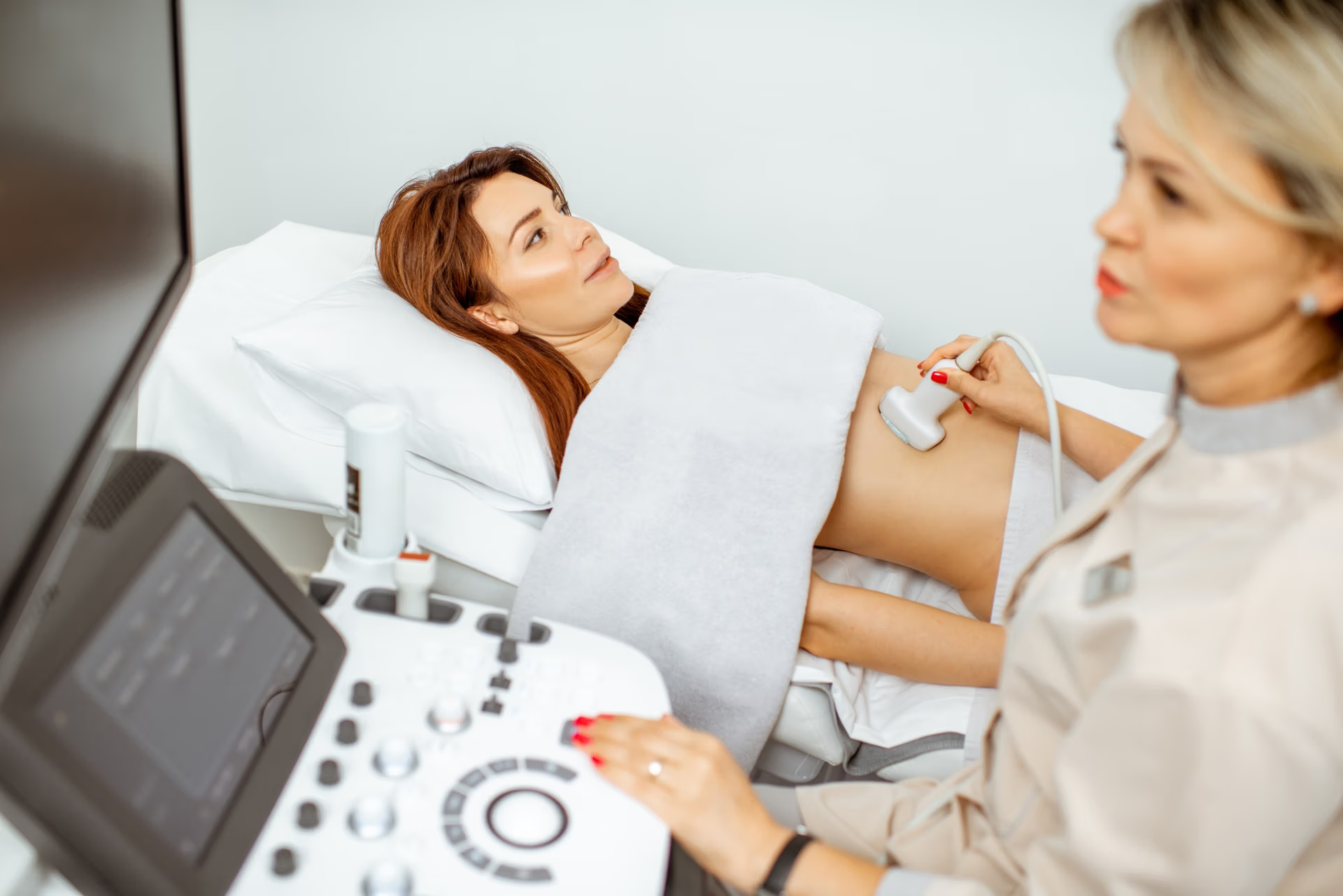

Progesterone also plays a part by relaxing the muscles around your bladder, making it harder to “hold it.” Both hormones work together, quietly shifting how your body functions even before it’s obvious from the outside. The rise of these hormonal changes is actually one of the first signs of early pregnancy.
Physical Pressure from a Growing Uterus
As early as two weeks after conception, the uterus begins to expand. Even though the change is tiny, it’s enough for the uterus to start pressing on your bladder. Imagine your bladder as a soft balloon: even a gentle nudge makes it feel like it’s full, which means more trips to the bathroom.
The swelling uterus is a physical reminder that your body is preparing for something big. This gentle pressure, paired with increased urine production, helps explain why so many notice changes so quickly. While it might seem odd for something so small to have such a big effect, the added pressure is yet another real sign that your body is adjusting to pregnancy.
Not Alone: Common Experiences Shared by Others
You aren’t the only one puzzled or even a little bit frustrated by these frequent bathroom breaks. Many people describe the sudden urge to pee as one of the first faint hints they were pregnant, way before other common signs of pregnancy like nausea or cravings kicked in.
Here’s what others often experience:
- Waking up several times at night just to go to the bathroom
- Feeling like they “just went” but need to go again soon after
- Noticing they’re mapping out bathrooms when leaving the house
If you catch yourself doing any of these, trust that it’s not just in your head. Paying attention to your own routine might help you spot extra early signs of pregnancy, sometimes before a test even turns positive. Open conversations or sharing experiences can help, too. For more stories and support, check trusted sources like WebMD’s roundup on pregnancy symptoms.
Other Subtle Signs of Early Pregnancy Your Body Might Show
Early pregnancy shakes up routines in more ways than just bathroom schedules. Beyond frequent urination, your body quietly signals new changes through a combination of symptoms that can sneak up on you. Some you may expect, while others are so gentle you might brush them aside. Understanding the full picture can help you spot the signs of pregnancy sooner and ease worries about what you’re experiencing.
A Chorus of Changes: More Than Just Frequent Urination
Your body doesn’t just change one way at a time—often, it’s a collection of gentle shifts that add up to something big. While running to the bathroom grabs your attention, you might also notice:
- Breast tenderness and swelling: Your chest might feel sore, heavy, or tingly, almost as if you’re about to get your period, but it lingers longer than usual.
- Mild cramping and spotting: A bit of cramping or light pink or brown spotting can show up a week or two after conception. This is known as implantation bleeding. It doesn’t last long and is usually much lighter than a period.
- Extreme tiredness: Many soon-to-be parents talk about a different kind of sluggishness that shows up in early pregnancy. Waking up tired and needing naps can feel out of character.
- Headaches and dizziness: New hormone levels can make you feel lightheaded or give you aches that don’t seem linked to anything else.
- Heightened sense of smell: Everyday scents might suddenly seem super strong or off-putting.
- Mood swings: Emotions may jump with no clear reason, almost like being on a mood roller coaster.
- Constipation or bloating: Digestion often slows due to hormonal shifts, leaving you more bloated or constipated than normal.
These early signs of pregnancy are like the body’s soft background music, often overlooked in the rush of daily life. For a more in-depth rundown on what might feel different in your body, you can check trusted health sources such as the Mayo Clinic’s guide to pregnancy symptoms, which lays out both obvious and subtle indicators to watch for.
What Sets Early Pregnancy Symptoms Apart
It’s easy to confuse early pregnancy signs with symptoms of other things, like a coming period, fatigue from a busy week, or even mild illness. So what makes these changes different?
- New combinations: It’s the mix of symptoms—like tiredness, emotional swings, and that urgent need to pee—all happening at once that makes early pregnancy stand out.
- Timing: Pregnancy symptoms often appear just before a missed period. Some, like breast changes and mild spotting, may show up even before you realize you could be pregnant.
- Duration: Signs of early pregnancy like sore breasts or extra tiredness often linger longer than their non-pregnancy twins.
- Unique clues: Changes such as heightened smell or taste—or even craving or avoiding certain foods—can be strong hints you might not connect to typical premenstrual symptoms. Even light spotting, called implantation bleeding, usually doesn’t match the flow or length of a regular period.
Sometimes you only realize these changes added up in hindsight. If you want to compare what you’re feeling with other signs of pregnancy, you can explore resources covering the complete list of early symptoms so you know what else to watch for.
Getting familiar with all these signs empowers you to spot patterns and start a conversation with your doctor when needed. And if you’re curious to compare your symptoms with others or see a full breakdown, reading about the 18 early symptoms of pregnancy can be both reassuring and eye-opening.
When to Take a Pregnancy Test and Talk to a Provider
Listening to your body’s early changes, like frequent bathroom trips and other subtle signs of pregnancy, helps you know when it’s time to take the next step. Knowing when to reach for a home pregnancy test or ask for a medical opinion makes a big difference, especially when you want clear answers. This section breaks down when to test, how accurate results can be, and why professional support matters for peace of mind and guidance.
Timing it Right: Home Test Accuracy
Taking a pregnancy test too early often leads to unclear results. Your body’s hormone levels need time to build up after conception. Most home pregnancy tests look for the hormone hCG, which increases quickly but may not be high enough for detection right away.
Here’s what you should know before testing:
- Best time to test: Wait until the first day of your missed period. This gives your body enough time to produce a testable amount of hCG.
- Testing early: Some sensitive tests claim to detect pregnancy sooner, but the chance of a false negative is higher the earlier you check.
- How to prepare: Use your first morning urine for higher hormone concentration and more accurate results.
Choosing the right time to test avoids disappointment and confusion. If your results are unclear but you still notice signs of pregnancy—like frequent urination, breast tenderness, or fatigue—test again after a couple of days. The hormone hCG roughly doubles every 48 to 72 hours in early pregnancy. For more insight on what different early pregnancy signs could mean, you can review this guide on early pregnancy testing and timing.
Seeking Support and Medical Guidance
Home tests offer quick answers, but talking to a healthcare provider gives you the most reliable information and support. This step is key, especially with confusing symptoms or unexpected results.
Consider reaching out to a provider if:
- Your test is positive, and you want to confirm pregnancy with a blood test or ultrasound.
- You have unusual symptoms, persistent pain, or heavy spotting.
- You’ve had multiple negative tests but your period still hasn’t started.
- You notice sudden changes in your health or well-being.
A provider can answer questions, explain pregnancy signs, and guide you on what to expect next. You’ll get help understanding results, arranging next steps, and starting prenatal care. Whether you need reassurance or are facing confusing symptoms, professional support removes guesswork and gets you on the right path from the very start. To read more about signs that signal it’s time to talk to a healthcare provider, the American College of Obstetricians and Gynecologists offers a practical FAQ.
Early knowledge and open communication give you confidence. As you track changes like increased bathroom trips and other hints your body sends, remember testing and medical support go hand in hand for answers you can trust.
Tips to Soothe Frequent Bathroom Trips and Care for Yourself
Frequent trips to the bathroom can make early pregnancy even more draining. But with a few simple adjustments, you can keep your comfort and well-being front and center. Paying attention to body cues and practicing self-care can help smooth out some of these bumps as you notice the first signs of change.
Hydration Without Overdoing It
Staying hydrated is key while your body adapts, but you don’t need to force water down every hour. Drinking enough helps your organs work better and keeps your energy up, but overdoing it may keep your bladder in constant overdrive.
- Drink when you’re thirsty and use your body’s signals to guide you.
- Spread out fluid intake throughout the day instead of gulping a lot at once.
- Choose water first over caffeinated or sugary drinks. Caffeine can irritate the bladder and increase bathroom trips.
- Limit drinks in the evening if nighttime visits disrupt your sleep.
Many people wonder if cutting back on water will ease those constant urges. Skipping fluids can make things worse, leading to dehydration or even a urinary tract infection. If you’re dealing with ongoing frequent urination and worried about how much to drink, you may find practical steps in this Cleveland Clinic guide on frequent urination.
Rest and Comfort Measures
Rest matters just as much as hydration, especially with the added fatigue and physical changes that come with pregnancy. Prioritize small ways to ease discomfort and protect your well-being.
- Elevate your legs for short periods during the day to help reduce swelling and pressure.
- Take brief, restful breaks to let your body recharge if you’re tired from frequent bathroom visits.
- Wear loose, comfortable clothing that doesn’t add pressure to your lower abdomen.
- Avoid rushing to the bathroom—a slow walk is easier on your body.
- Keep essentials nearby at night, such as a soft night light to make trips less disruptive.
Creating a calm, restful environment gives your body the chance to adjust. You’re not alone in needing extra care at this time. For more on easing pressure and supporting your body, review helpful lifestyle strategies in the Mayo Clinic’s guide to managing bladder discomfort.
If you’re curious about other ways to read your body’s signs or want to know which changes may suggest pregnancy, our resource on the signs of early pregnancy offers more insight into what you might notice next.
Conclusion
Trust the messages your body sends, even the small ones like steady bathroom trips. These early changes are part of a bigger story, signaling the first signs of something new within you. Bathroom patterns can guide you, but they are just one sign among many that prepare you for the journey ahead.
Paying attention to the signs of early pregnancy means listening to what your body is telling you and respecting your instincts. Every shift—whether it’s a new urge, subtle ache, or unexpected wave of tiredness—matters. These details help you feel more connected and informed right from the start.
Your experience is unique, and by noticing these early clues, you’re taking an important step in caring for yourself. Stay tuned to the rhythms of your own body, honor what you notice, and know that you’re not alone as you begin to uncover the first signs of pregnancy. If you’re eager to learn more or explore how these signals fit within the broader picture, keep looking for resources that help you feel confident and supported. Thank you for trusting yourself and seeking knowledge on this important path.