


You might think every American guy looks like a magazine model or a sitcom dad, but let’s get real—most men stand about 5’9″ and tip the scale close to 200 pounds. That’s not what ads show, but it’s what’s out there. Toss in some regional quirks and you’ve got a pretty wide range. Ever wonder why the “average” man’s pants never actually fit right? Stick around. You’ll actually get some answers.
Average Height of American Men

So, how tall is the average American guy, really? If you’re picturing a crowd of six-footers, it’s time for some myth busting. The average American man stands about 5’9” tall—not towering, not short, just sort of… right in the middle. It’s a number that surprises people, thanks to TV heroes and tall-tale grandpas boosting expectations. Let’s look back: George Washington, a towering 6’2” in the 1700s, was seen as a giant. Most men in his day hovered closer to 5’7”. If you’re near that modern average, congratulations, you’re basically right on trend. No need to obsess over inches. When someone claims “all guys are six feet nowadays,” remember, that’s just one more myth worth busting.
Average Weight of American Men

Now let’s talk about the average weight for American men, because your bathroom scale doesn’t lie, but the numbers can surprise you. National stats show men weighing in around 200 pounds, though let’s be honest—nachos and Netflix don’t help. Things like diet, exercise (or lack of it), and genes play a bigger role than most people admit.
National Weight Statistics
Ever wonder what the average American man actually weighs? Here’s the straight answer: According to national health surveys, it’s about 199.8 pounds. That number comes from solid data, but let’s be real—no survey is perfect. You’ve got sampling error because not every man in the country steps on the same scale, and data quality can vary if people fudge their answers or misremember their weight. Even with those quirks, researchers take good measures to keep the results reliable. So, when you see the “average” weight, remember it’s not carved in stone, but it’s pretty close. Think of it as a national snapshot—one that reflects how men actually measure up across the country, love handles and all.
Influential Health Factors
Plenty of things help decide what the “average man” actually weighs, and it’s not just about loving pizza a little too much. You might think it’s all genes, but let’s be real—your daily routine plays a huge role. Sitting at a desk all day or spending nights binging TV? That’s going to add up, no matter your cravings. Lifestyle choices like skipping workouts or scarfing fast food make a difference you can see, and frankly, your economic status matters, too. If you can afford fresh veggies or a gym membership, you’ve got a head start. If not, cheap processed meals and less movement might tip the scale up. Bottom line: how you live, work, and spend defines your weight just as much as biology.
Waist Circumference and Body Measurements

How often do guys actually measure their waist, anyway? Let’s be real: most don’t unless their jeans are screaming for mercy. But here’s the thing—knowing your waist size isn’t just about looking good in pants. It matters for health, too. The official waist methodology? Stand up straight, wrap a soft tape measure around the narrowest part of your torso (usually just above the belly button), and avoid sucking in your stomach. Accurate measurement standards mean you’ll get a real number, not a hopeful guess.
Beyond the waist, your other body measurements—like chest, hips, and inseam—can reveal a lot about your body shape. Don’t just trust the tag on your shorts. Grab a tape, and see what your actual numbers are.
Changes in Men’s Size Over the Decades
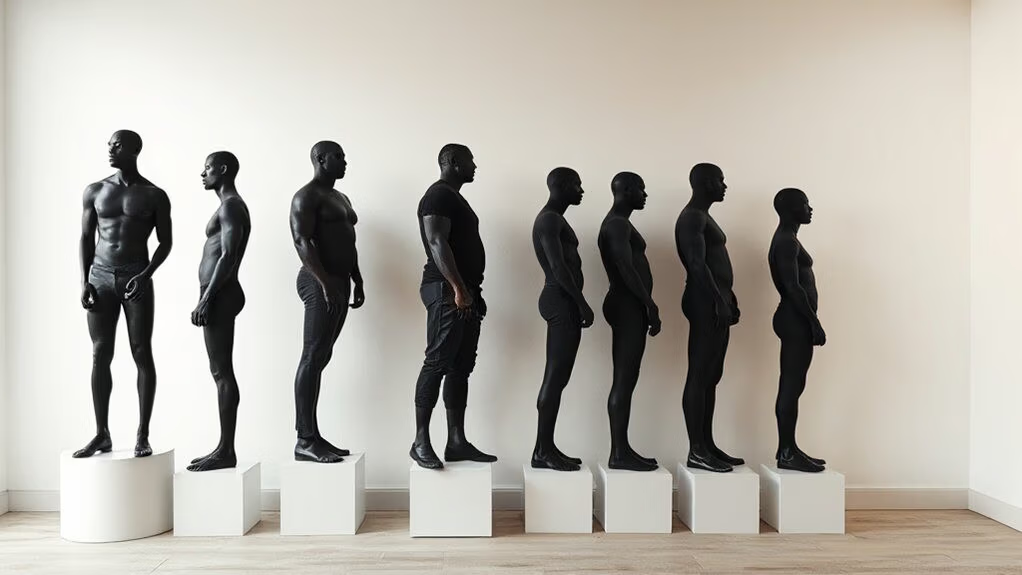
While fashion trends have come and gone, one thing’s for sure: men’s bodies haven’t stayed the same size over the decades. If you compared your grandpa’s high school yearbook to yours, you’d notice more than just different hair. Decade shifts have meant men in the U.S. are now, on average, taller and heavier than they used to be. Height evolution isn’t just a buzzword—it’s obvious in the numbers. Roughly a century ago, men averaged about 5’7”. Fast forward, and that average now sits closer to 5’9”. Not a huge leap, but it’s there. Weight’s risen, too, making today’s suits roomier. So yes, your dad’s jeans really are tighter for a reason, and it’s not just the style.
Body Mass Index (BMI) Trends Among Men

Honestly, you can’t talk about size without bringing up BMI—Body Mass Index, that magic number everyone pretends to understand. Here’s how BMI methodology works: you take your weight in kilograms and divide it by your height in meters squared. Most doctors use this to decide if you’re underweight, healthy, overweight, or obese. But let’s be real—BMI accuracy isn’t perfect. It doesn’t care if your extra pounds come from muscle or fat. So if you lift weights or play a lot of sports, your BMI might label you as overweight when you’re not. Still, trends don’t lie. Over the years, the average BMI for men in the U.S. has crept up, reflecting real changes in collective size across the country.
Age and Its Impact on Size Statistics
If you think your size stays the same from your twenties to your sixties, you’re kidding yourself. You’ll notice guys fill out in different ways by decade—first it’s height, then muscle or waistline, and later, things can shift or settle where you least expect. Basically, age doesn’t just add candles to your cake; it brings new numbers to the tape measure.
Growth Patterns by Decade
Ever wonder why your jeans fit differently at 20 than they do at 40? It’s not just bad laundry skills. Your body is constantly shifting by decade. During your teens, you hit puberty and experience fast skeletal growth. Your bones get longer. Shoulders broaden. This rapid change mostly settles down by the time you’re in your early twenties. By then, your height is pretty much set, and so is your basic frame.
Through your twenties, you won’t grow taller, but you may add muscle if you hit the gym—or padding if you hit the couch. Puberty timing matters; if you matured early, you probably reached your adult size before your friends. So, yes, decade by decade, your body tells a different story.
Age-Related Size Changes
Although you might blame your shrinking jeans on a sneaky dryer, age is usually working against you behind the scenes. As you get older, your body slows down in more ways than one. Hormonal decline hits—testosterone drops, and that makes building muscle harder. Your belt notch might creep out a bit too. Meanwhile, your bone density decreases, so even if your weight holds steady, you might get a little shorter. That’s not all; your metabolism chugs along at a slower pace, meaning the same diet packs on more pounds as you age. It all adds up. If you want to keep your size in check, strength training and eating well become even more important after age forty. No shortcuts, just science.
Regional Differences Across the United States
So, how is it that a man’s “average size” changes just because he lives in Nebraska instead of New York? It’s not magic—just good old-fashioned geographic variation. If you grew up in the Midwest, you might notice guys around you tend to be a bit bigger—heavier or taller—than folks on the coasts. Why? Blame it on regional attitudes toward food, exercise, and even what counts as “healthy.” Southern cooking might pack on a few pounds, while city life in the Northeast encourages walking. Climate and culture both sneak into the equation. So, where you live isn’t just scenery; it shapes your body. Don’t ignore it. If you move, you’ll probably notice those regional differences first-hand—sometimes literally on the scale.
Ethnicity and Size Variations
Now let’s get real—height, weight, and even body shape aren’t the same for every group of men. Black, White, Asian, and Latino guys tend to show clear differences in height averages, weight patterns, and where they carry muscle or fat. If you’re measuring yourself up, remember, your numbers might depend on more than just diet and exercise.
Racial Height Differences
Ever wonder why guys in some parts of the world seem to tower over everyone else, while others barely crack average? It’s not just about who eats their veggies. Racial height differences often come down to genetic ancestry. Basically, some groups have inherited genes that make them naturally taller or shorter on average. For example, in the U.S., men with European ancestry tend to be taller than men from Asian or Hispanic backgrounds. But don’t hang your hat on every number you see. Stats can get skewed by sampling bias. If researchers only look at one area or group, the “average” might not reflect the real deal. So, genetics and data quality both play a big part in the height story.
Weight Patterns by Ethnicity
Although height gets all the attention, weight tells its own story—and it’s not just about cheeseburgers or gym memberships. When you look at ethnicity patterns, real differences in weight show up. White and Black men in the US tend to weigh more, on average, than Asian and Hispanic men. That’s not just because of pizza cravings. Genetics, lifestyle, and even where you grew up play a role in these weight disparities. If you’re Black or White, odds are your “average” might lean toward the heavier side. Asian men, on the other hand, often have lower average weights. Hispanic men usually fall somewhere in between. This isn’t about judging; it’s about noticing clear patterns. You can’t fight facts—or waistlines—without understanding them first.
Body Composition Trends
So what really makes up “average size” for men? It’s not just the number on your scale. You’ve got to think about fat distribution and how much lean mass you’re carrying. Some guys naturally pack more muscle, others carry extra fat right around the belly. And yes, ethnicity plays a role. Take it from the data: Asian men often show lower body fat and lean mass, while Black men tend to have higher muscle density. Hispanic and White men commonly see more fat stored in the midsection. You can’t pick your genetics, but you can work on your lean mass—lift weights, stay active. Don’t get fooled by averages. Real size is a mashup of muscle, fat, and where it sits on you.
Comparing the US to Global Averages
Let’s get real—everyone loves to compare. When you put American men next to the rest of the world, some differences stand out fast. According to global benchmarks, the average American guy comes in at about 5’9” and weighs around 200 pounds. Stack that up against places like Japan, where the average height hovers near 5’7”, and you can see some real international variance. You’ll also notice that European men tend to land somewhere between the stats for the U.S. and Asia. When it comes to weight, the U.S. generally leads, which isn’t always a compliment. These aren’t just random numbers. They paint a clear picture of how American men measure up—literally—on the global stage. So, facts delivered.
Lifestyle Factors Influencing Men’s Measurements
An honest look at the numbers shows men’s size isn’t just genetics—your habits play a huge role. If you’re pounding down burgers every weekend and ignoring every new diet trend, don’t expect six-pack abs or a slim waist. What you put on your plate actually changes your measurements over time. Forgetting vegetables or chasing the latest all-meat diet? Your body will notice.
Sleep quality matters, too. If you’re up gaming or scrolling TikTok at 2 a.m., good luck keeping a healthy weight or muscle tone. Sleep is when your body repairs itself. Get less of it, and you might hold onto more fat or lose muscle faster. Lifestyle isn’t glamorous, but it’s the real difference-maker—no shortcuts, just choices.
Conclusion
So, you’re about 5’9″, pushing 200 pounds, and wondering what it all means. Turns out, “average” isn’t a magic number—it’s a moving target shaped by where you live, your background, and lifestyle. Labels won’t help, but a tape measure and a bathroom scale sure will. Forget chasing some mythical standard. Know your actual numbers, and get clothes that fit your real body. Because let’s be honest: average is just a word. You’re not a statistic.