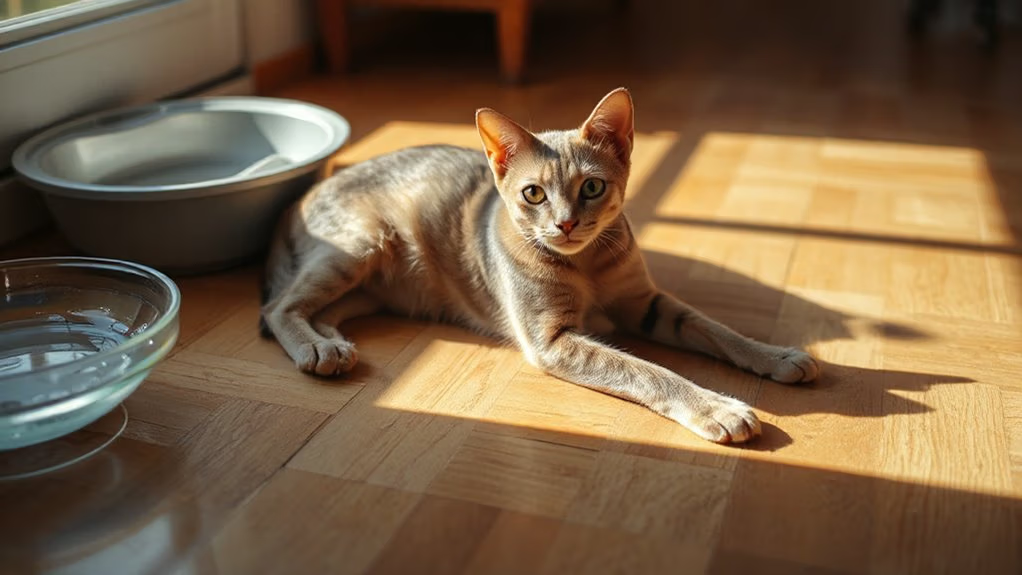
You know your cat better than anyone, so trust that gut feeling when something feels off. Watch for shifts in appetite, reluctance around the litter box, or unusual quietness—these whispers from your feline friend shouldn’t be ignored. Changes in eating habits, bathroom behaviors, energy levels, and breathing patterns are your cat’s way of telling you they’re struggling. Behavioral shifts and aggression can signal pain too. Your vigilance matters deeply, and understanding these seven warning signs could be the difference between catching something early or facing a crisis.
Key Takeaways
- Changes in eating or drinking habits, such as reduced food intake or increased water consumption, may signal underlying health issues.
- Litter box changes including increased visits, straining, or avoidance can indicate urinary tract infections, pain, or digestive problems.
- Extreme lethargy, loss of interest in activities, and hiding more than usual suggest pain, fatigue, or serious illness.
- Respiratory issues like labored breathing, persistent coughs, wheezing, or open-mouth breathing require immediate veterinary attention.
- Blood in vomit or stool, inability to urinate, seizures, or difficulty breathing are emergency situations requiring urgent care.
Changes in Eating and Drinking Habits
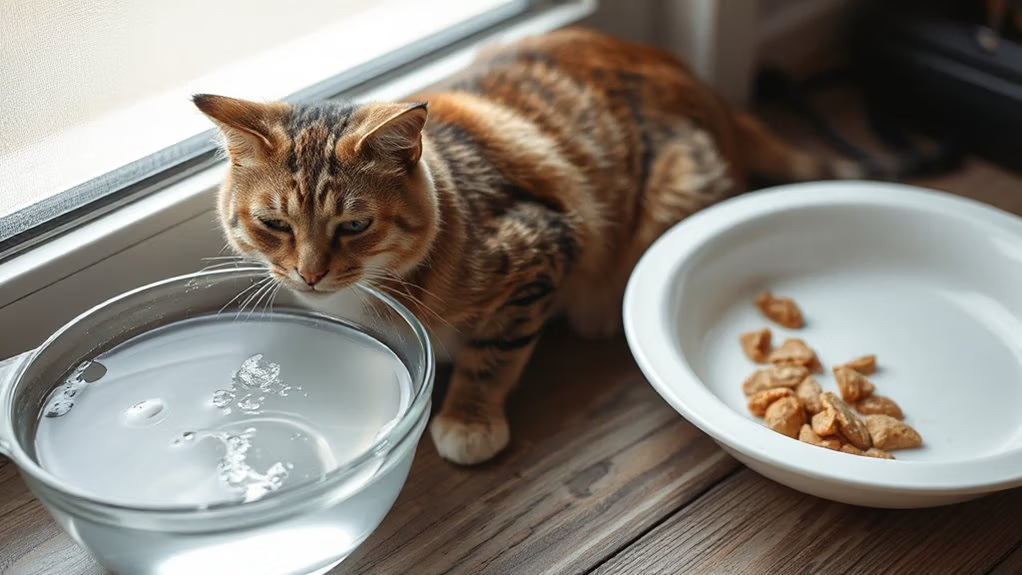
When your cat’s appetite shifts or she’s suddenly guzzling water like there’s no tomorrow, it’s worth paying attention. These changes often signal something’s brewing beneath the surface.
When your cat’s appetite shifts or water intake spikes, pay attention—these changes often signal something’s brewing beneath the surface.
If your normally voracious feline starts picking at her food or ignoring meals entirely, that’s your red flag. Cats don’t typically skip eating unless something’s off. Similarly, excessive drinking can indicate diabetes, kidney disease, or thyroid problems—conditions that need veterinary care.
You’ll notice these shifts pretty quickly if you’re observant. Maybe she’s leaving food in her bowl or you’re refilling her water dish more frequently than usual. Trust your gut here; you know your cat’s rhythm better than anyone.
Don’t wait around hoping things improve on their own. Call your vet and describe what you’re seeing. These changes might seem minor, but they’re often your cat’s way of telling you she needs help. Getting ahead of it matters.
Changes in Litter Box Habits
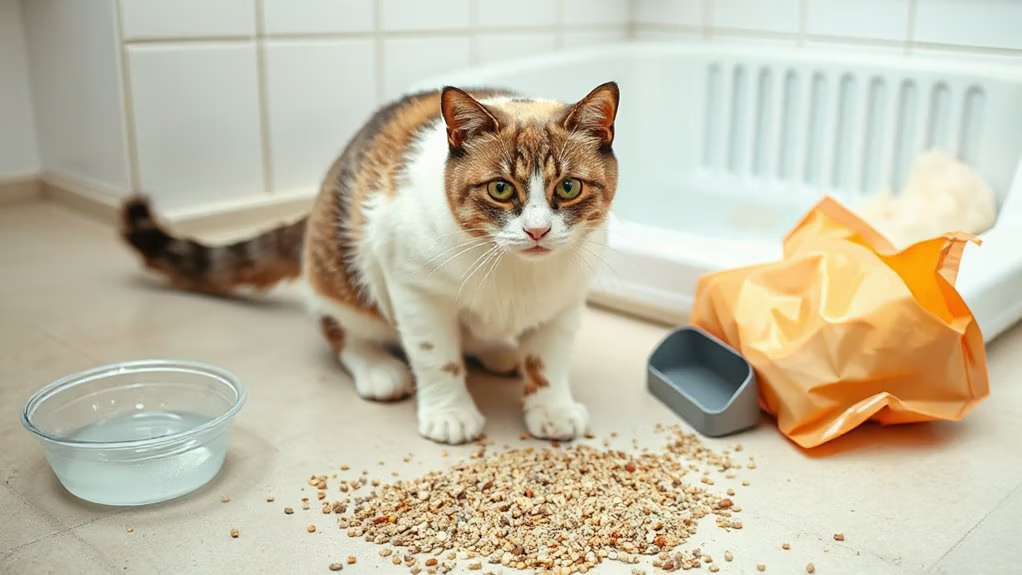
Your cat’s litter box tells a story you shouldn’t ignore. Changes in bathroom habits often signal that something’s amiss with your feline friend.
If you’re noticing your cat making more frequent trips to the box or straining during bathroom visits, pay attention. These shifts can indicate urinary tract infections, digestive issues, or kidney problems. Similarly, if your cat’s suddenly avoiding the litter box altogether, it might signal pain or discomfort.
Watch for changes in consistency too. Diarrhea or constipation that lasts more than a day warrants concern. Blood in urine or stool is a red flag you can’t ignore.
Sometimes cats stop using their box entirely when they’re ill. This behavior often stems from feeling vulnerable during vulnerable moments. Trust your instincts here. When your cat’s bathroom routine shifts, it’s worth a veterinary visit to rule out serious conditions before they worsen.
Extreme Lethargy or Loss of Interest
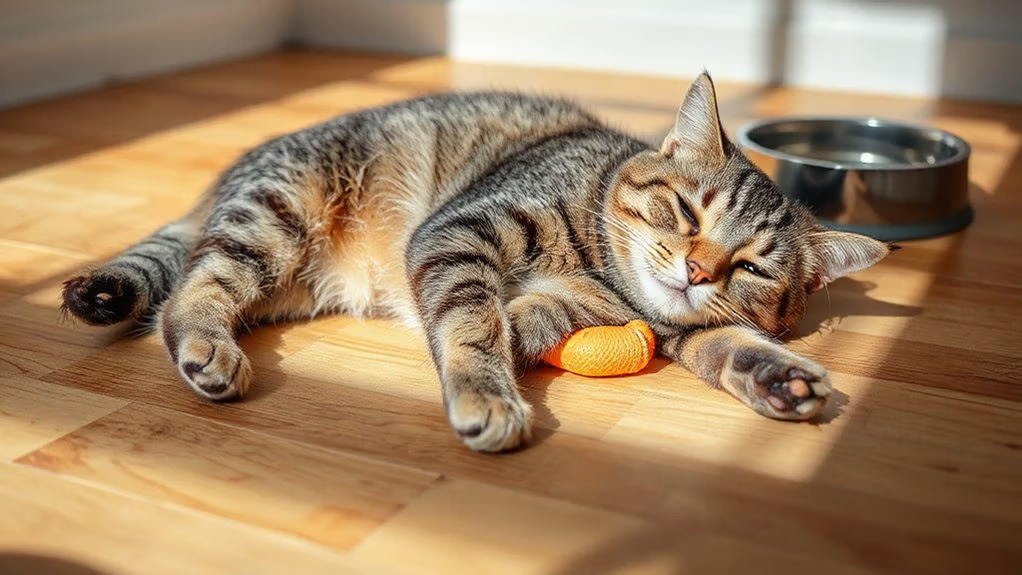
You’ll notice your cat isn’t acting like themselves when they’re sleeping more than usual or ignoring the toys and games they’ve always loved. While cats do rest plenty throughout the day, a sudden shift toward extreme laziness—especially paired with disinterest in activities that normally get them excited—signals something’s off. The difference between normal rest and genuine lethargy comes down to whether your cat’s still their usual self when they’re awake, or if they’ve gone quiet and withdrawn.
Normal Rest Vs. Abnormal Behavior
Like people, cats need their rest—lots of it, actually—but there’s a world of difference between a cat who’s taking a well-deserved nap and one who’s genuinely under the weather.
A healthy cat sleeps 12-16 hours daily, but you’ll notice they’re still responsive when you call or move around them. That’s normal. What you’re watching for:
- Your cat won’t rouse themselves for meals or treats
- They’re hiding away from family activities they’d normally join
- Their eyes appear glassy or unfocused when awake
- They ignore toys, playtime, or familiar interactions
If your usually social feline suddenly becomes withdrawn or ignores their favorite activities, that’s your signal something’s off. Trust your instincts—you know your cat best.
Activities Your Cat Ignores
One of the most telling signs that something’s wrong is when a cat who’d normally pounce on a feather toy or come running at the sound of a treat bag suddenly couldn’t care less. Your cat’s lost interest in the activities they once loved—that’s worth paying attention to.
A healthy cat‘s got energy and curiosity built in. They’re driven to play, explore, and interact with their world. When that spark dims, it often signals an underlying health issue. Your cat might be experiencing pain, nausea, or fatigue that’s stealing their joy.

Don’t brush this off as just a moody day. Persistent disinterest in favorite activities warrants a veterinary visit. Trust your instincts—you know your cat best.
Vomiting or Diarrhea
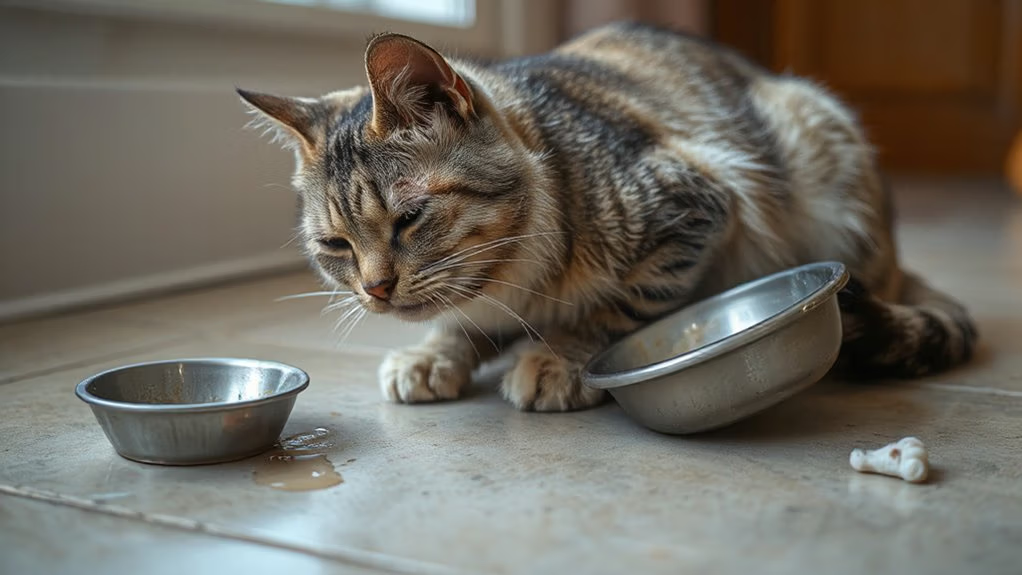
When your cat’s stomach starts acting up with vomiting or diarrhea, you’ll want to understand what’s triggering it—whether it’s something she ate, a food sensitivity, or something more serious that needs attention. Knowing when to ring up your vet makes all the difference between a minor hiccup and a health crisis that could’ve been caught early. With the right care and a few preventive steps, you can often help your cat’s digestive system get back on track and keep her feeling her best.
Causes of Digestive Upset
Your cat’s stomach’s more sensitive than you’d think, and digestive troubles often signal that something’s thrown their system off balance. When you notice vomiting or diarrhea, consider these common culprits:
- Food changes – Switching diets too quickly can upset their gut
- Hairballs – Grooming habits create blockages that need passing
- Parasites – Worms and other parasites wreak havoc on digestion
- Stress or illness – Anxiety and infections both trigger digestive upset
You’ll want to monitor how often these episodes happen and what your cat ate beforehand. If the trouble persists beyond a day or two, your vet deserves a call. Sometimes it’s nothing serious, but digestive upset can also hint at bigger concerns worth investigating early.
When to Call Veterinarian
Knowing what warrants a vet visit can mean the difference between a minor hiccup and a serious problem that’s slipped past you. If your cat vomits more than once or twice, don’t wait it out. Same goes for diarrhea lasting beyond a day. You’re looking for patterns here—multiple episodes signal something’s genuinely wrong.
Call your vet immediately if you spot blood in either vomit or stool. That’s your cat’s way of waving a red flag. Watch for lethargy too; a sick cat often hides or refuses food. Trust your gut. You know your feline best. When something feels off, it probably is. Your vet would rather check things out than have you second-guess yourself later.
Treatment and Prevention Methods
Once you’ve got a vet’s diagnosis, you’re halfway to helping your cat feel better again. Treatment depends on what’s causing the trouble, but you’ll likely receive clear instructions you can follow at home.
Here’s what typically helps:
- Dietary adjustments – Your vet might recommend bland foods or a prescription diet that’s gentler on your cat’s system
- Medications – Anti-nausea drugs or antibiotics can work wonders when infection’s involved
- Hydration support – Keeping your cat drinking helps prevent complications from fluid loss
- Rest and monitoring – Sometimes your cat just needs quiet time and your watchful eye
Prevention matters too. Feed quality food, keep your cat’s environment clean, and maintain regular vet checkups. Catching problems early saves your cat suffering and you heartache.
Trouble Breathing or Persistent Coughing
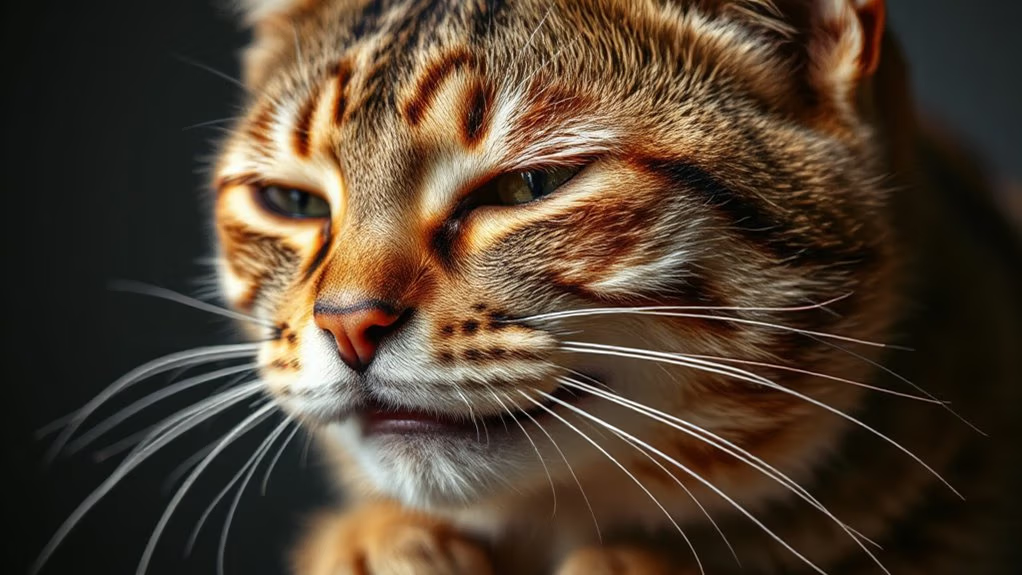
Labored breathing and coughing aren’t normal kitty sounds—they’re red flags you shouldn’t ignore. When your cat’s struggling to catch her breath or hacking persistently, something’s genuinely wrong.
| Symptom | Possible Cause | Action |
|---|---|---|
| Wheezing | Asthma or allergies | Vet visit needed |
| Rapid breathing | Heart disease or infection | Seek immediate care |
| Open-mouth breathing | Severe distress | Emergency vet now |
These signs often point to serious conditions like feline asthma, heart disease, or upper respiratory infections. You’ll notice your cat acting lethargic, losing appetite, or positioning herself oddly to breathe easier.
Don’t wait this one out. Your gut’s telling you something’s amiss, and it’s right. Respiratory issues in cats worsen quickly, so contact your vet promptly. Bring notes about when the coughing started and any other changes you’ve spotted. Your quick action could save her life.
Behavioral Changes or Unusual Aggression
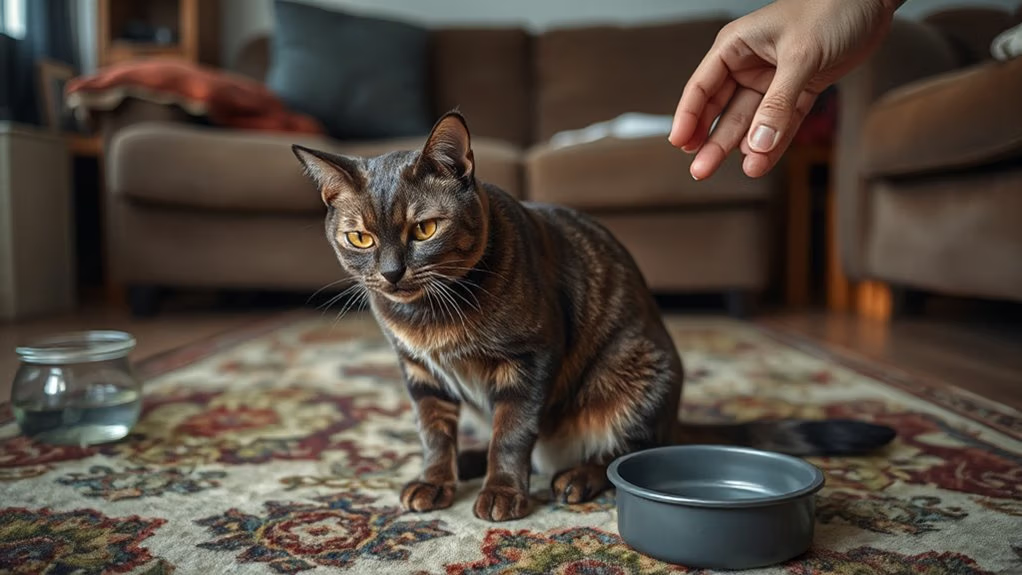
When your normally affectionate kitty suddenly swipes at you or hisses without provocation, something’s bothering her—and it’s not just a bad mood.
Cats communicate through behavior, and personality shifts often signal underlying pain or illness. You’ll want to watch for:
- Increased irritability – Your gentle companion growls or lashes out during routine petting sessions
- Hiding more than usual – She retreats to dark corners, avoiding family interaction she’d normally enjoy
- Playfulness disappearing – That toy she loved sits untouched as lethargy sets in
- Aggression during handling – She cries out or acts defensive when you touch specific body areas
These changes frequently indicate discomfort from infections, arthritis, or dental disease. Your cat isn’t being difficult; she’s hurting and frustrated. Trust your instincts—you know your pet best. When her temperament shifts noticeably, that’s your cue to schedule a veterinary visit. Early intervention makes all the difference in her recovery.
When to Rush Your Cat to the Vet
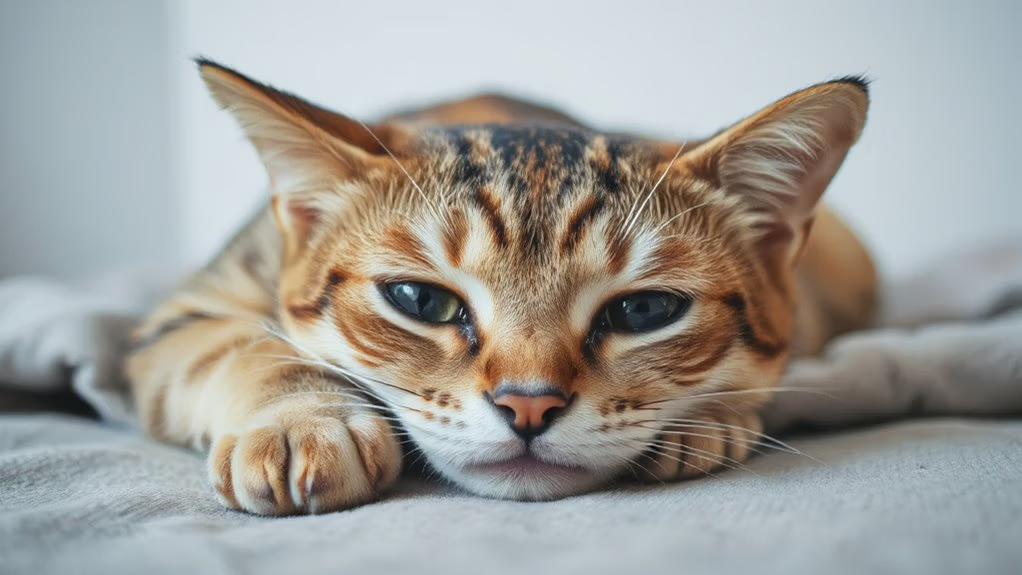
Some signs can’t wait for a regular appointment—they’re your cat’s way of telling you she needs help right now. If your cat’s struggling to breathe, can’t urinate, or is vomiting repeatedly, don’t hesitate. These situations demand immediate veterinary care.
Seizures, loss of consciousness, or sudden paralysis mean you’ve got minutes, not hours. Severe bleeding, trauma from accidents, or signs of extreme pain also warrant emergency visits. If your cat’s eyes are dilated and unresponsive, or she’s drooling excessively, something’s seriously wrong.
Trust your gut too. You know your cat best. If something feels profoundly off—if she’s acting unlike herself in ways that terrify you—that instinct matters. Your vet would rather see your cat and find everything’s manageable than have you wait too long.
You know your cat best. Trust that instinct when something feels profoundly off—your vet would rather check than have you wait too long.
When in doubt, call ahead and describe what you’re seeing. Your veterinarian can advise whether to come immediately or schedule an urgent appointment.
Conclusion
You know your cat best, and when something feels off, it usually is. These signs don’t always mean disaster, but they’re your cat’s way of telling you something’s wrong. Trust that gut feeling—it’s kept folks and their beloved pets connected for ages. Your vet’s there when you need guidance, but you’re the one who notices the little changes first. That matters. Listen to what your cat’s showing you, and you’ll know when it’s time to seek help.