Your cat’s drinking bowl’s running dry faster than usual, and she’s dropping weight despite wolfing down meals—that’s your first clue something’s off. Notice her dragging around, skipping playtime, or her breath smelling oddly fruity? Her fur’s looking scraggly and unkempt too? These aren’t random quirks, friend. They’re your kitty waving red flags that diabetes might’ve snuck in. Each sign alone’s worth a vet call, but together they’re telling a story worth understanding.
Key Takeaways
- Excessive thirst and frequent urination occur as kidneys filter glucose through urine due to blood sugar spikes.
- Sudden weight loss despite increased appetite indicates insufficient insulin function preventing proper glucose processing.
- Lethargy and loss of interest in play signal decreased energy levels requiring veterinary attention.
- Sweet-smelling or fruity breath results from fat breakdown caused by improper glucose metabolism.
- Poor grooming habits and unkempt fur appear as fatigue leads to neglected self-care routines.
Excessive Thirst and Frequent Urination: The Most Common Early Sign

When you notice your cat’s water bowl emptying faster than usual, it’s worth paying attention. Your feline friend’s sudden thirst isn’t just quirky behavior—it’s often your first red flag for diabetes.
Here’s what’s happening: when your cat’s blood sugar spikes, their kidneys work overtime filtering it out through urine. To compensate, your cat drinks excessively to replace lost fluids. You’ll see them making more frequent trips to the litter box, sometimes even having accidents outside their box—which is totally unlike them.
This cycle creates a telltale pattern. Your cat drinks more, so they urinate more. Their water bowl depletes quickly, and you’re constantly refilling it. You might notice they’re using the bathroom more often during the day and night.
Don’t brush this off as normal behavior. These warning signs deserve a vet visit. The earlier you catch diabetes, the better your chances of managing it effectively.
Sudden Weight Loss Despite Eating More
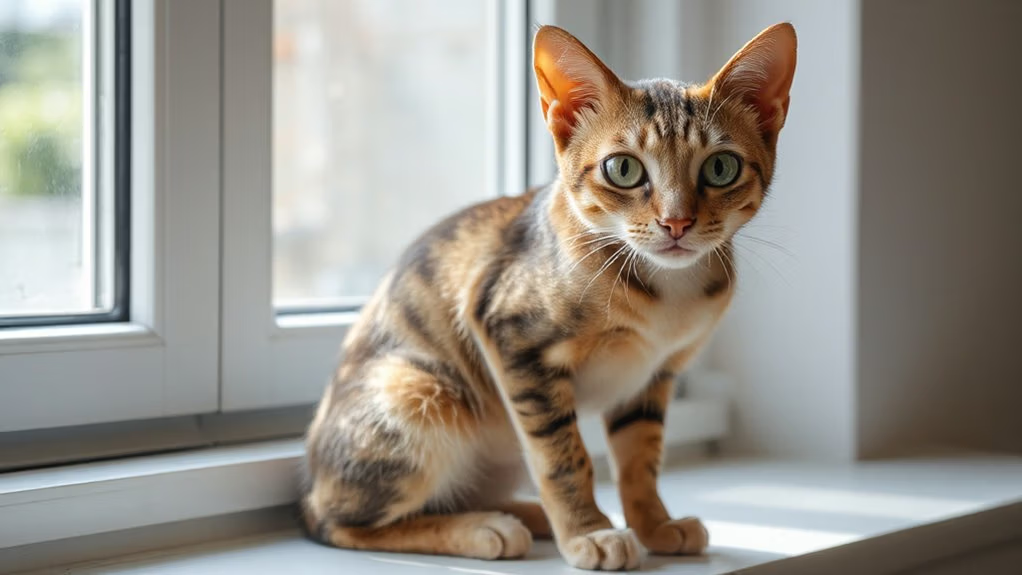
If your cat’s ribs are starting to show even though you’re filling their food bowl just as much as always, something’s definitely off. You might chalk it up to increased activity or a faster metabolism, but here’s what’s really happening: diabetes can make your cat’s body unable to process glucose properly, so even with a hearty appetite, they’re fundamentally starving at the cellular level.
Your feline friend eats ravenously, yet they’re wasting away. That’s because their cells can’t access the energy from food without proper insulin function. Instead of storing nutrients, their body burns through muscle and fat reserves at an alarming rate.
This paradoxical weight loss—eating more while weighing less—is a classic diabetes red flag you shouldn’t ignore. Combined with increased thirst and bathroom trips, it’s time to schedule a veterinary appointment. Early intervention makes all the difference in managing your cat’s health.
Lethargy and Loss of Interest in Play
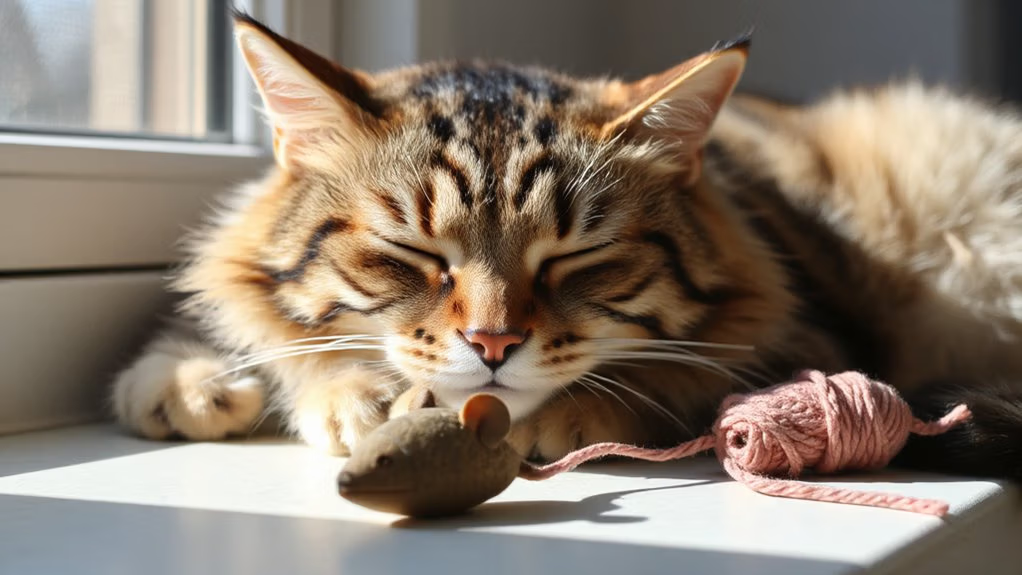

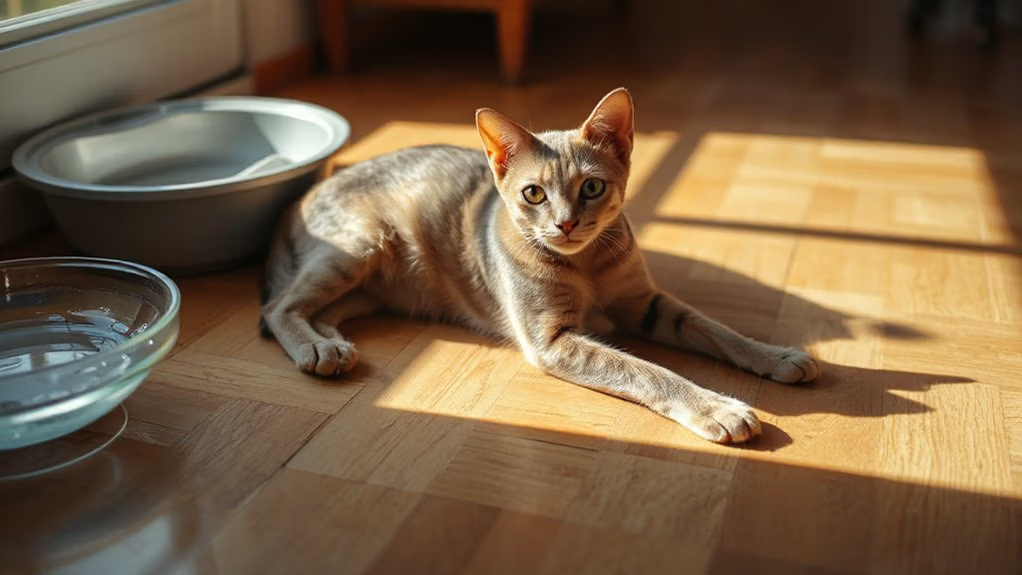
Beyond the physical toll of weight loss, diabetes saps your cat’s energy in ways that’ll break your heart. You’ll notice your once-playful companion lounging by the window instead of pouncing on toys. That feather wand you’d dangle? Now it barely gets a glance.
Your cat might’ve been the one launching midnight zoomies through the hallway. Now she’s conserving every ounce of strength, moving slower, sleeping longer. She’ll skip meals sometimes, even when food’s right there. Climbing stairs becomes a deliberate affair instead of a quick sprint.
This lethargy stems from diabetes disrupting your cat’s ability to convert food into usable energy. Her body’s fundamentally starving at the cellular level, despite eating. That fatigue pulls her inward, making her withdraw from activities she once loved.
When your playful pal transforms into a sluggish shadow of herself, it’s time to call your vet. This shift often signals something serious needs attention.
Sweet-Smelling or Fruity Breath
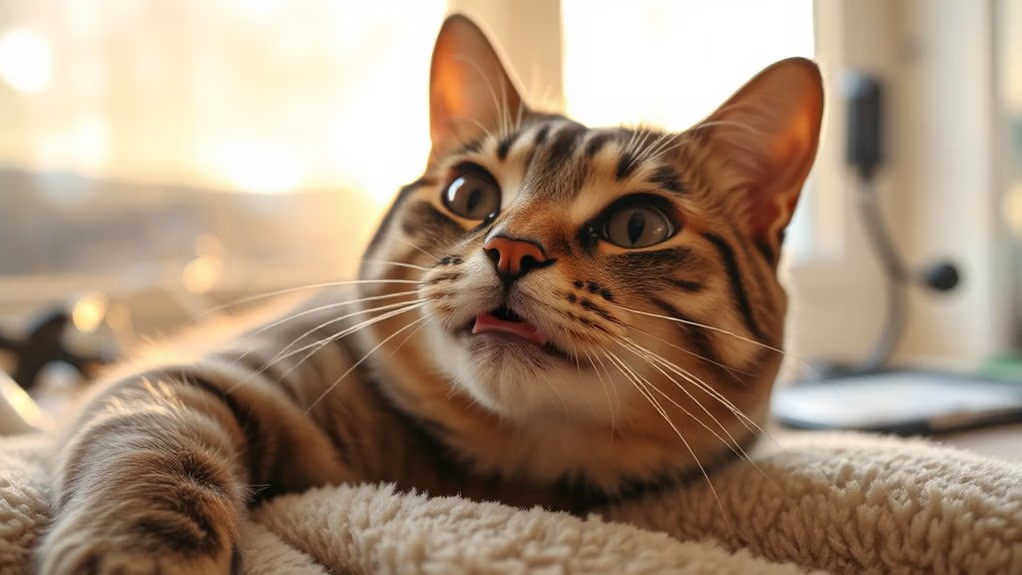
One of diabetes’s strangest calling cards is a shift in your cat’s breath—where that familiar kitty smell gets replaced by something sweet, almost fruity, like overripe fruit or nail polish remover.
This telltale odor happens when your cat’s body can’t process glucose properly, so it breaks down fat instead. That metabolic shift produces ketones, which create that peculiar smell you’re noticing.
Here’s what you should watch for:
- Fruity or acetone-like scent when your cat breathes
- Change happening gradually over weeks
- Breath smell worsening despite good dental hygiene
- Your cat seeming perfectly fine otherwise
- The odor persisting even after brushing their teeth
Don’t brush this off as just bad breath. That sweet smell combined with other symptoms—increased thirst, frequent urination, or weight loss—warrants a vet visit fast. Your cat’s pancreas might be struggling, and catching diabetes early makes managing it way easier.
Poor Grooming: When Your Cat Stops Taking Care of Itself
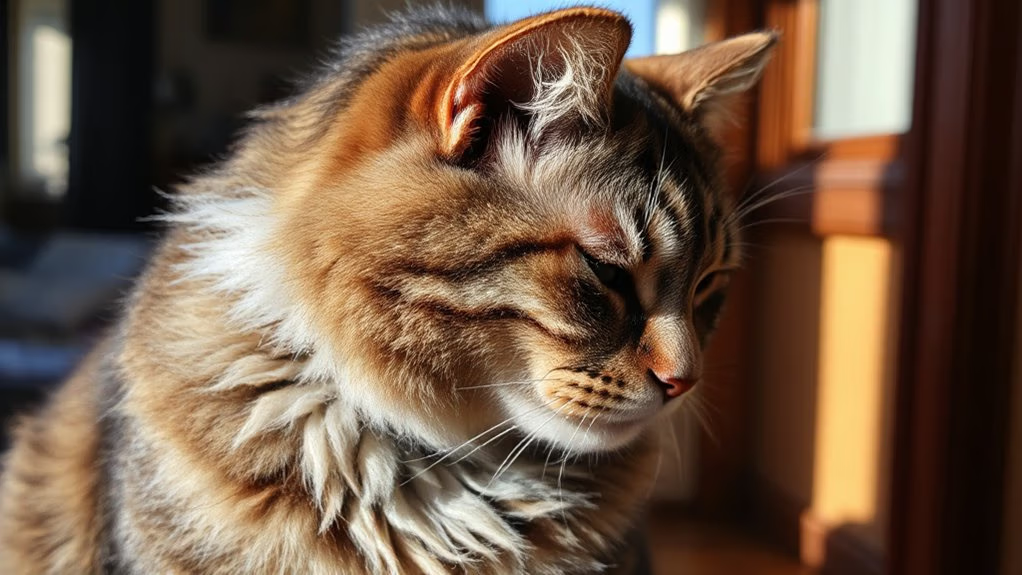
Cats are meticulous little creatures—they’ll spend half their day licking their fur into pristine condition—so when your normally fastidious feline suddenly looks scruffy and unkempt, something’s definitely wrong.
Diabetes can zap your cat’s energy like nothing else. You’ll notice matted fur, dandruff, or an overall disheveled appearance where there used to be polish and shine. Your cat might stop grooming altogether because they’re feeling lousy—diabetes causes fatigue and malaise that makes even basic self-care feel overwhelming.
Pay close attention to your cat’s hindquarters too. Diabetic cats often neglect grooming back there, which you might spot as a greasy, matted tail or soiled fur around the rear end.
When your cat abandons their grooming habits, it’s worth a vet visit. Combined with excessive thirst, increased urination, or weight loss, poor grooming becomes a red flag worth investigating immediately.
Conclusion
You’ve got to trust your gut when something feels off with your furry friend. Take Sarah’s tabby, Mittens—she noticed the cat was constantly at the water bowl and losing weight fast. Turns out, it was diabetes. The good news? Caught early, you can manage it beautifully with your vet’s help. Don’t brush off these warning signs. Your cat’s counting on you to catch what’s happening before it gets serious.