Your pup’s probably anxious if they’re barking up a storm, shredding your furniture like it owes them money, or hiding with their tail tucked so far between their legs it’s practically a permanent accessory. You might notice they’re panting like they’ve run a marathon, pacing like they’re in a waiting room, or ignoring their favorite toys entirely. These signs aren’t your dog being dramatic—they’re genuine distress calls. Understanding what’s really driving these behaviors reveals the compassionate path forward.
Key Takeaways
- Excessive barking and whining at various stimuli indicates your dog is experiencing anxiety and distress.
- Destructive behavior like chewing furniture or scratching doors signals nervous energy and potential separation anxiety.
- Nervous body language including flattened ears, tucked tail, and trembling reflects heightened anxiety levels.
- Withdrawn behavior and loss of interest in play suggest your dog is coping with stress.
- Physical symptoms like excessive panting, pacing, and dilated pupils indicate your dog needs veterinary support.
Excessive Barking and Whining

One of the telltale signs your pup’s anxiety is spiraling is when they’ve turned into a furry alarm system that won’t quit. You know the drill—your dog barks at literally everything: the mailman, a leaf blowing past, their own shadow. It’s exhausting, right?
What’s happening is your anxious pooch is fundamentally having a meltdown. They’re not trying to annoy you; they’re communicating distress through the only language they’ve got. That constant whining? It’s their way of saying, “Hey, something feels wrong here.”
The tricky part is distinguishing between normal dog noise and anxiety-driven behavior. If your usually quiet companion suddenly becomes chatty, or if their barking seems frantic and purposeless, that’s your cue. They might also whine when you’re about to leave or during thunderstorms.
Sudden excessive barking or frantic whining—especially during departures or storms—signals anxiety rather than normal dog behavior.
Pay attention to the context. Your dog’s barking patterns tell a story about what’s making them nervous, helping you identify triggers and address the root cause.
Destructive Behavior and Property Damage

When anxiety takes hold, your dog might transform your favorite couch into confetti or your shoes into chew toys—basically, they’re redecorating your home in the style of “Anxious Chaos Modern.” This isn’t your pup being naughty; they’re actually trying to self-soothe, kind of like how you might stress-eat an entire bag of chips when you’re nervous.
| Destructive Behavior | What It Means | What You Can Do |
|---|---|---|
| Chewing furniture | Your dog’s channeling nervous energy | Provide appropriate chew toys |
| Scratching doors | They’re seeking escape or comfort | Create a safe space |
| Shredding bedding | Self-soothing through destruction | Use durable, washable materials |
Your anxious pup isn’t plotting revenge against your belongings. Instead, they’re expressing their distress the only way they know how. Destructive behavior often intensifies when you’re away, signaling separation anxiety. Recognizing this pattern helps you respond with compassion rather than frustration, ultimately addressing the root cause of their anxiety.
Nervous Body Language and Posture
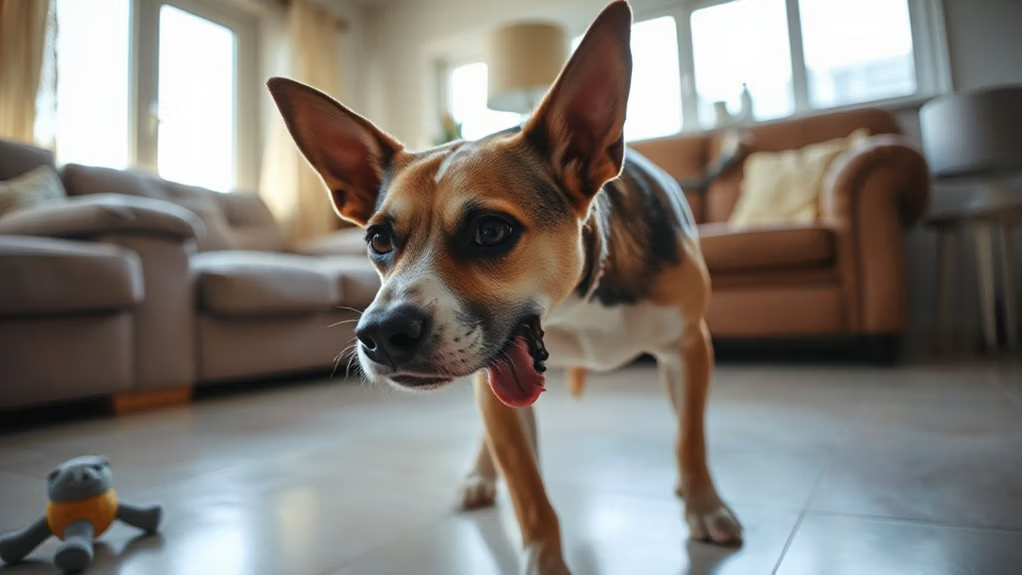
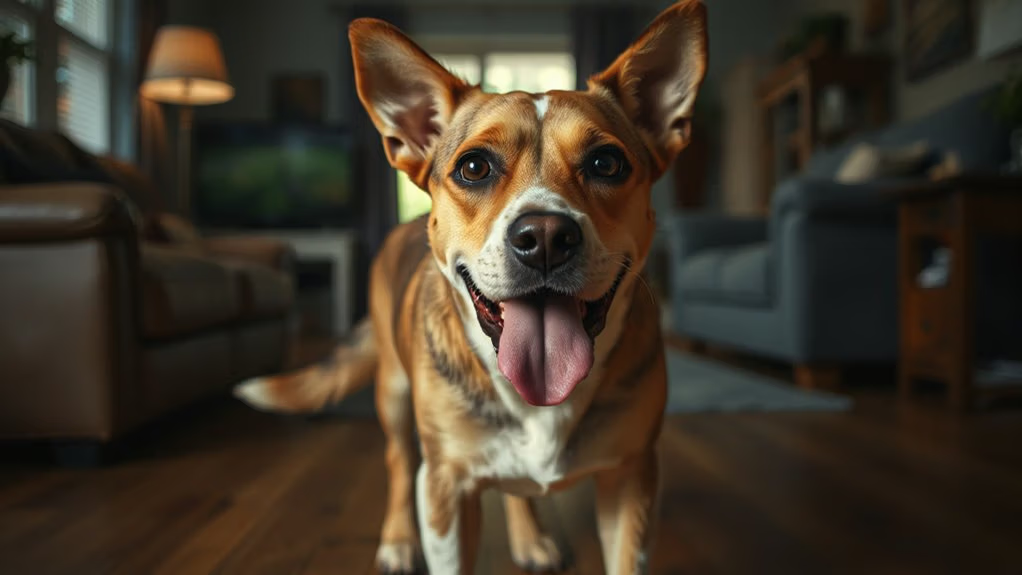
Your dog’s body doesn’t lie—it’s basically a billboard advertising their anxiety. When your pup’s nervous, you’ll notice their ears flatten against their head like they’re trying to disappear into themselves. Their tail tucks between their legs, and their posture shrinks—they’ll crouch low or hunch their back as if making themselves smaller somehow protects them.
Watch for trembling too. Anxiety causes involuntary shaking that’s impossible to fake. Your dog might also lean heavily against you or slink around with their belly nearly dragging on the floor.
Some anxious dogs display what’s called “whale eye,” where you see the whites of their eyes more prominently. They’ll avoid direct eye contact, turn their head away, or even yawn excessively—that’s stress, not tiredness.
These physical signals happen because your dog’s body’s literally bracing for danger. Understanding this language helps you comfort them and identify what’s triggering their worry.
Withdrawn Behavior and Loss of Interest in Play
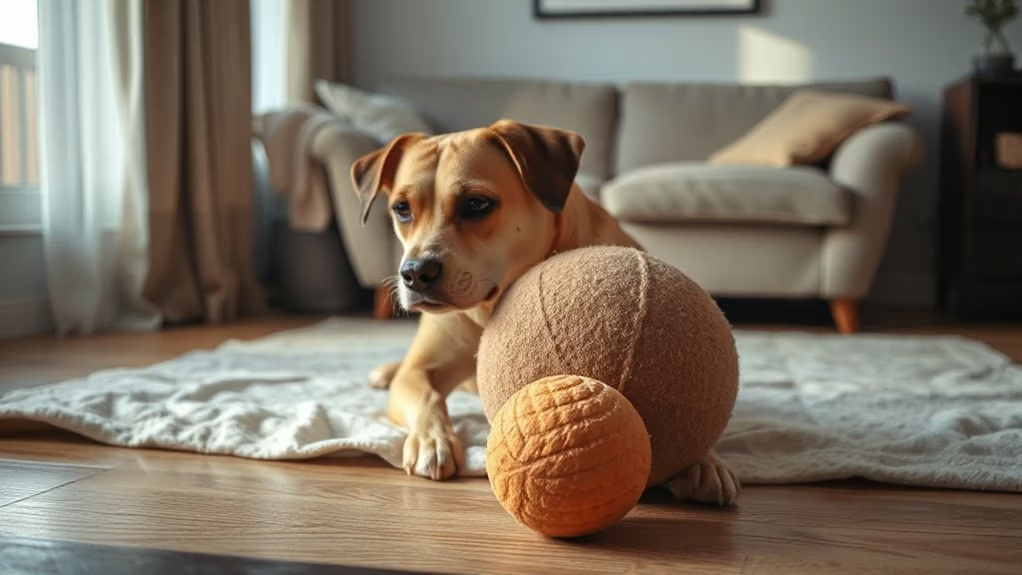
Beyond the obvious body language shifts, anxiety often shows up as a personality flip that’d make any introvert jealous. Your once-playful pup suddenly ignores their favorite toys, refusing to chase balls or engage in tug-of-war games they’d normally demolish you over. You’ll notice they’d rather hide in their crate than greet you at the door.
This withdrawal isn’t laziness—it’s your dog’s way of coping. When anxiety takes over, your furry friend loses interest in activities that normally spark joy. They might skip meals, avoid social interactions with other dogs, and seem genuinely disengaged from life around them.
Watch for this shift carefully. If your typically energetic companion suddenly becomes a couch potato who’d rather sulk than snuggle, anxiety could be steering the ship. This behavioral change deserves your attention and potentially a vet visit to rule out underlying issues.
Physical Anxiety Symptoms: Panting, Pacing, and Trembling
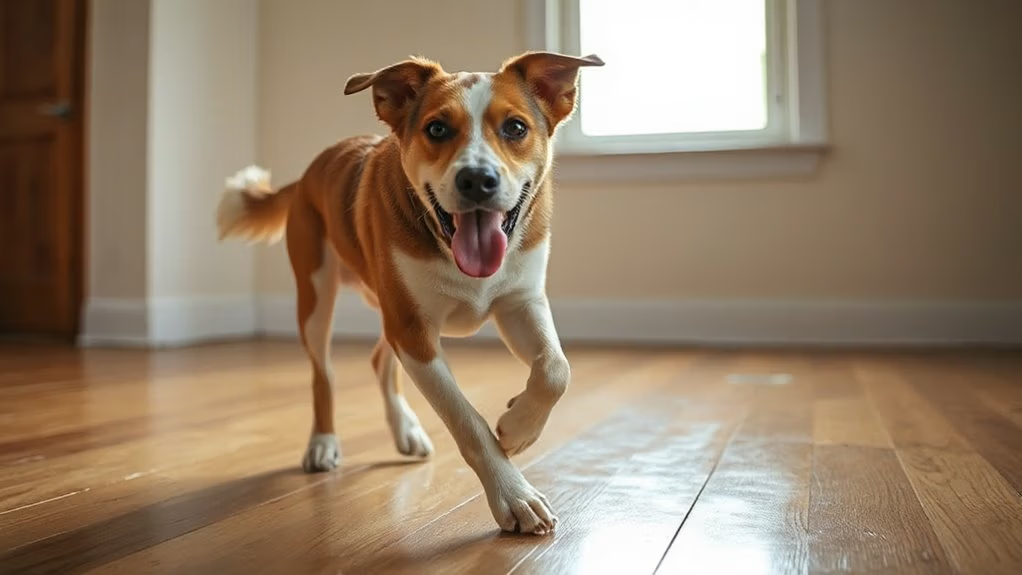
While behavioral changes might be subtle, anxiety’s physical symptoms are like a neon sign flashing across your dog’s body. You’ll notice your pup can’t sit still—they’re pacing like they’re training for a marathon in your living room.
Watch for these telltale signs:
- Excessive panting that’s got nothing to do with exercise or heat
- Constant pacing in circles, back and forth, anywhere but settled
- Trembling or shaking that makes them look like they’ve seen a ghost
Your anxious dog might also display dilated pupils, excessive drooling, or a tucked tail. These physical manifestations aren’t your pup being dramatic—they’re genuine stress responses. Their body’s literally stuck in fight-or-flight mode, flooding their system with adrenaline.
Dilated pupils, drooling, tucked tail—these aren’t drama. Your dog’s body is genuinely stuck in fight-or-flight mode.
If you’re spotting these symptoms regularly, it’s time to chat with your vet. They can rule out medical issues and help you develop a calming strategy. Your anxious buddy needs your understanding and support.
Conclusion
Your pup’s basically wearing their anxiety on their sleeve, aren’t they? You’ve now got the playbook to spot when your furry friend’s nerves are running the show. Here’s the thing—recognizing these five signs means you’re already halfway to helping them feel better. Whether it’s the barking, the pacing, or that sad puppy-dog look, you’re equipped to turn that frown upside down and get your anxious buddy back to their tail-wagging self.