Your roof’s telling you something when you spot sagging sections, water stains creeping across your ceiling, or shingles curling like dried leaves. Maybe you’ve noticed granules in your gutters, daylight peeking through your attic, or moss settling in like an unwanted guest. Active leaks during storms? That’s your roof waving a red flag. Don’t wait—these seven signs mean trouble’s brewing, and there’s plenty more you’ll want to know about what’s really happening up there.
Key Takeaways
- Sagging roof sections indicate compromised structural integrity and require immediate contractor inspection to prevent possible collapse.
- Water stains on ceilings signal active leaks with hidden moisture damage that can cause mold and structural decay.
- Missing or curling shingles expose your roof to water infiltration and accelerated deterioration from UV and weather damage.
- Daylight visible through the attic indicates significant roof holes allowing water infiltration and pest entry into your home.
- Granule accumulation in gutters signals shingle deterioration and potential roof failure requiring early detection and professional assessment.
Sagging or Dipping Roof Sections

One of the most telltale signs your roof’s had enough is when sections start to sag or dip. You’ll notice it when you’re looking at your roofline from the street—instead of that clean, straight edge, you’ve got a noticeable bow or valley.
This isn’t just cosmetic. When your roof sags, it’s telling you the underlying structure’s compromised. Maybe the decking’s rotted, the trusses are weakened, or you’ve got water damage you can’t see yet. The weight of shingles and weather’s pushing down harder than your frame can handle.
Don’t wait on this one. A sagging roof can collapse, and that’s dangerous for your family and your wallet. Get yourself up there or call a contractor to inspect it properly. Catching this early means you’re replacing a section, not rebuilding your entire roof. Trust your eyes—they’re rarely wrong about this.
Water Stains Spreading on Your Ceiling
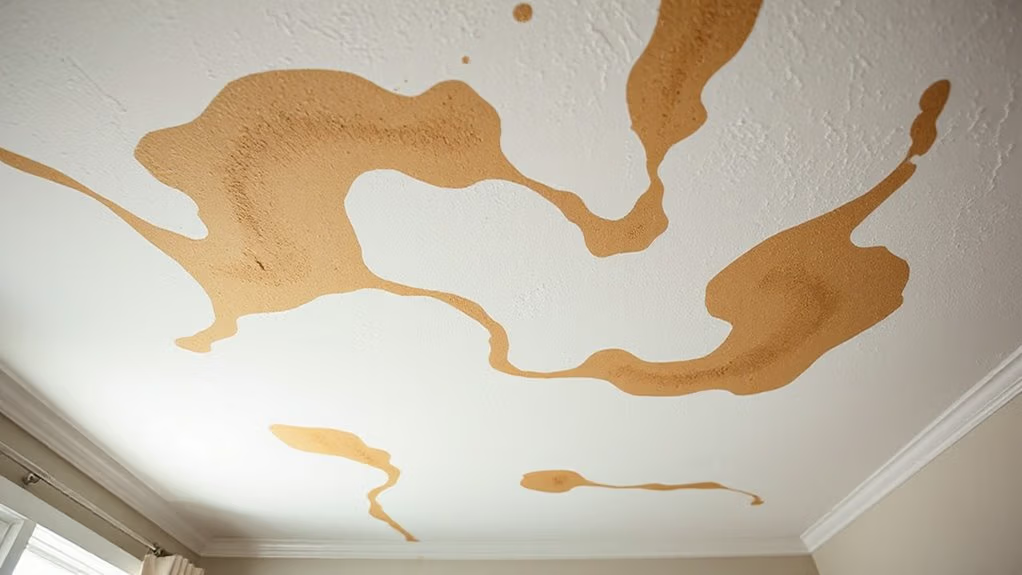
Water stains spreading across your ceiling are like a red flag you can’t ignore. You’ve likely noticed them creeping outward, growing darker each time it rains. That’s your roof telling you it’s failing.
When water finds its way through your roof’s defenses, it doesn’t stop at the first barrier—it keeps traveling, soaking into insulation and drywall. Here’s what you’re really dealing with:
- Active leaks that’ve breached multiple roof layers
- Hidden moisture damage spreading behind walls and ceilings
- Mold growth thriving in damp spaces you can’t see
- Structural decay weakening the wood that holds everything together
Don’t wait around hoping the problem fixes itself. Water stains mean your roof’s integrity is compromised. The longer you delay, the costlier repairs become. Your home’s foundation depends on a watertight roof. Call a professional roofer today—this isn’t something you tackle tomorrow.
Missing or Curling Shingles

When you spot shingles that’re curling at the edges or missing altogether, you’re looking at a roof that’s crying out for help—and understanding what’s causing that damage matters just as much as spotting it. You’ll want to get up there (safely) and assess what you’re dealing with, whether it’s age, weather exposure, or poor ventilation working against your shingles, because that diagnosis will tell you whether you’re facing a minor patch job or a full replacement timeline that can’t wait much longer.
What Causes Shingle Deterioration
Your roof’s shingles are constantly battling the elements, and honestly, they’re not always winning. You’ve got several culprits working against your shingles:
- UV rays bleach and break down the protective granules
- Temperature swings cause expansion and contraction, weakening adhesives
- Moisture and ice dams seep beneath layers, rotting from within
- Wind and hail physically tear shingles apart
These factors don’t work alone. They gang up over time, especially on older roofs. Your shingles gradually lose their flexibility, curl at the edges, or crack under pressure. Before you know it, they’re missing entirely. That’s when water finds its way into your attic and walls, causing real damage. Catching deterioration early saves you thousands in repairs down the road.
Visual Damage Assessment Tips
The easiest damage to spot is often the most telling. When you’re up there checking things out, you’ll notice shingles that’ve curled at the edges or gone missing altogether. These aren’t subtle hints—they’re your roof waving a red flag.
| Damage Type | What You’ll See | Action Needed |
|---|---|---|
| Missing Shingles | Bare spots exposing underlayment | Urgent repair |
| Curling Edges | Shingles lifting at corners | Schedule soon |
| Cracked Shingles | Visible splits or breaks | Plan replacement |
| Granule Loss | Bare patches, rough texture | Monitor closely |
You’ll find granules collecting in your gutters too. That’s the protective coating washing away. Don’t ignore it. These visual cues mean water’s already finding its way in. The sooner you address them, the less damage you’ll face down the road.
Replacement Timeline and Urgency
Once you’ve spotted missing or curling shingles, don’t put off the repair—you’re working against time and weather. Here’s what you’re facing:
- Water seeping into your attic during the next rainstorm
- Structural rot spreading silently through your roof deck
- Insurance complications if damage worsens from neglect
- Exponential costs as small problems become major replacements
Your roof’s urgency depends on how many shingles you’ve lost and your climate’s severity. A few curled shingles in mild weather? You’ve got weeks, maybe months. But missing shingles in storm season? That’s a call-the-roofer-today situation. Don’t gamble with your home’s protection. The longer you wait, the steeper the bill climbs.
Granules Accumulating in Your Gutters

If you’ve noticed a sandy, gritty buildup collecting in your gutters, that’s your roof talking to you—and it’s saying something’s wrong.
Those granules you’re seeing aren’t just dirt. They’re protective coating from your shingles, washing away because something’s breaking down up there. When shingles lose their granules prematurely, they’re exposed to UV rays and weather that’ll age them fast.
| What You’re Seeing | What It Means | What Happens Next |
|---|---|---|
| Fine granule loss | Normal aging | Gradual deterioration |
| Heavy granule accumulation | Premature failure | Urgent repairs needed |
| Clumps in gutters | Shingle damage | Leaks developing |

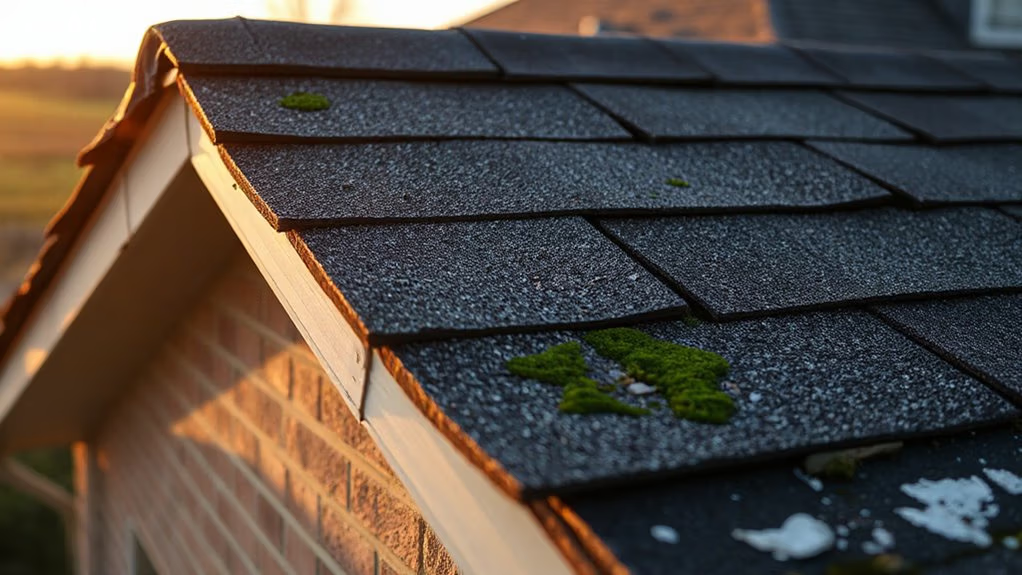
You’ve got a window here. Catching granule loss early means you can patch problem areas before water finds its way inside your walls. Don’t wait for the real damage to show itself. Get up there and inspect those shingles yourself, or call someone who knows what they’re looking at.
You Can See Daylight Through Your Attic

If you’re spotting daylight streaming through your attic, you’ve got holes that signal real structural damage and invite water leaks into your home. Don’t ignore this red flag—water infiltration can weaken your roof’s foundation and rot framing beams faster than you’d expect. You’ll want a professional inspector out there right away to assess the damage and get you on a repair timeline before things get worse.
Holes Indicate Structural Damage
Daylight streaming through your attic isn’t a blessing—it’s a warning sign you can’t ignore. When you spot holes in your roof, you’re looking at structural damage that’ll only worsen with time and weather.
Those openings create serious problems:
- Water seeps in during rainstorms, rotting wood beams and insulation
- Pests and critters find easy entry points to nest in your home
- Your heating and cooling escape through gaps, spiking energy bills
- Mold grows rapidly in damp spaces, threatening your family’s health
Don’t wait around hoping the damage repairs itself. Roof holes demand immediate attention. Schedule an inspection with a qualified contractor who’ll assess the damage and provide honest estimates. Catching these issues early saves you thousands in prevention costs down the road.
Water Leaks Risk Assessment
When you’ve got holes punching through your roof, water damage isn’t just a possibility—it’s practically guaranteed. Take a trip up to your attic on a sunny day and look for light streaming through cracks and gaps. That daylight’s telling you something important: your roof’s compromised, and rain’s gonna find its way in.
Water doesn’t just leak straight down—it spreads, soaking into insulation and rotting wooden beams you can’t see. You might notice stains on your ceiling or smell that musty odor before you spot actual dripping. Don’t wait. Water damage compounds fast, turning a manageable repair into a costly nightmare. Your wallet—and your home—depends on addressing this now, not next season.
Immediate Professional Inspection Required
Once you’ve spotted that telltale shaft of sunlight cutting through your attic, you’ve got yourself a situation that demands professional eyes—not the weekend-warrior kind, but the seasoned inspector who’s seen every trick a failing roof can pull.
When daylight streams where it shouldn’t, you’re looking at:
- Compromised structural integrity that’s invisible from ground level
- Hidden moisture damage festering behind walls and insulation
- Potential mold colonies thriving in darkness and damp
- Accelerating deterioration that’ll cost you dearly tomorrow
Don’t gamble with your home’s foundation. A certified roof inspector brings thermal imaging, moisture meters, and decades of pattern recognition. They’ll identify whether you’re facing simple patching or major replacement before small problems become catastrophic ones.
Moss, Algae, or Mold Growth
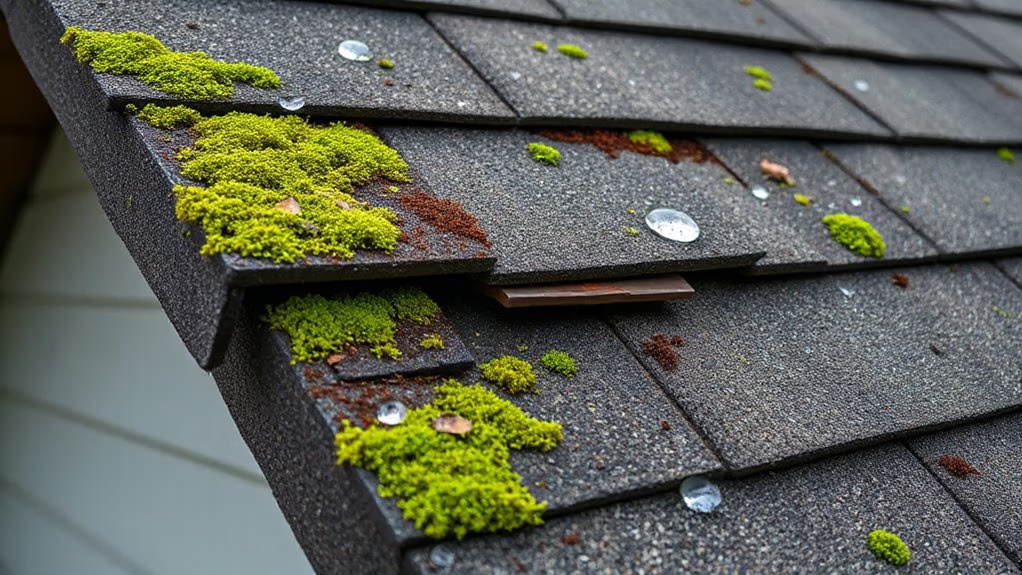
Because your roof’s shingles create the perfect damp environment, you’ll often find moss, algae, or mold creeping across the surface—especially if you live somewhere humid or shaded.
Now, you might think it’s just a cosmetic issue, but here’s the thing: that growth traps moisture against your shingles, accelerating decay and shortening their lifespan considerably. The organisms work like tiny saboteurs, breaking down the protective granules that shield your roof from UV damage.
What starts as green or black patches can quickly compromise your roof’s integrity. You’ll notice it spreading faster during wet seasons, particularly on north-facing slopes where sunlight rarely reaches.
Don’t ignore it. Clean your roof carefully or hire professionals to handle it—pressure washing can actually damage shingles if done wrong. Address this promptly, and you’ll protect both your roof’s structural integrity and your home’s long-term value.
Active Leaks During or After Heavy Rain

While moss and algae chip away at your roof slowly over time, active leaks during heavy rain announce themselves with urgency—and they’re far harder to ignore.
Moss and algae creep slowly, but active leaks during heavy rain demand urgent attention—and they’re far harder to ignore.
You’ll notice water finding its way inside your home when it shouldn’t be there. These aren’t subtle hints; they’re urgent messages from your roof. You might spot:
- Water stains spreading across your ceiling like dark clouds
- Drips hitting buckets or puddles pooling on your attic floor
- Soggy insulation that’s lost its protective qualities
- Peeling paint or warped drywall in upper rooms
When rain stops and leaks continue, you’re dealing with trapped moisture that’ll cause real damage—rot, mold, structural weakness. Don’t wait it out. Active leaks mean your roof’s compromised, and every storm pushes things worse.
Call a professional immediately. The cost of quick repairs now beats replacing your entire roof later.
Conclusion
You’ve likely noticed the warning signs creeping in—maybe you’ve spotted that sagging section or watched water stains bloom across your ceiling like unwelcome flowers. Don’t let your roof whisper its troubles; it’s begging you to listen. Those little problems have a way of becoming big ones real quick. Reaching out to a professional isn’t giving up—it’s you taking care of the shelter that’s been taking care of you.