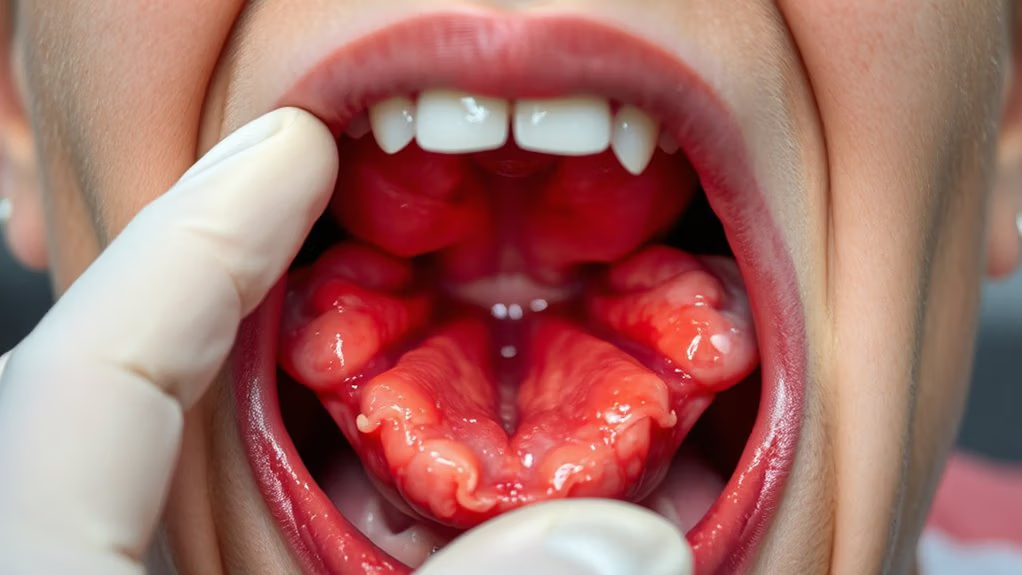
You might notice a dull ache on one side of your belly or feel bloated like you’ve overindulged at Sunday dinner—except you haven’t. Maybe your periods have gone a bit haywire, or you’re spotting between cycles when you shouldn’t be. Some folks experience mild nausea or constipation that hangs around longer than usual. Here’s the thing: most cysts are harmless and disappear on their own, but knowing what your body’s trying to tell you makes all the difference in staying ahead of trouble.
Key Takeaways
- Pelvic pain ranging from dull throbs to sharp discomfort on one side of the lower abdomen.
- Bloating and abdominal pressure lasting several days, distinct from typical indigestion or gas.
- Irregular menstrual periods including heavy bleeding, light spotting, or changes in cycle timing.
- Digestive changes such as constipation, diarrhea, or nausea accompanying the cyst development.
- Most cysts are asymptomatic and resolve independently without treatment during childbearing years.
Early Signs of Ovarian Cysts: What They Are and Who Gets Them

While it might sound like somethin’ out of a medical textbook, ovarian cysts are about as common as sweet tea at a summer picnic—most women’ll deal with at least one in their lifetime.
These fluid-filled sacs develop on your ovaries, and honestly, they’re usually nothin’ to lose sleep over. Your body creates ’em naturally during your menstrual cycle, and most disappear without you even knowin’ they’re there.
Now, here’s the thing: you’re most likely to develop cysts during your childbearing years, though they can happen at any age. If you’ve got irregular periods, endometriosis, or a history of cysts, you’re more prone to gettin’ them. The good news? Most are harmless and won’t cause any fuss whatsoever.
Ovarian Cyst Emergencies: Severe Pain, Heavy Bleeding, and Rupture Signs

Though most ovarian cysts‘ll pass quietly like a summer breeze, some decide to make a scene—and that’s when you need to sit up and pay attention.
When you’re experiencing sharp, stabbing pain that won’t quit or sudden heaviness in your pelvis, your body’s waving a red flag. Heavy bleeding that soaks through products faster than usual signals trouble brewing. If you notice sudden, severe abdominal pain accompanied by nausea and vomiting, a cyst might’ve ruptured—that’s your cue to head straight to the emergency room.
Watch for dizziness, weakness, or rapid heartbeat too. These symptoms suggest internal bleeding that needs immediate medical attention. Don’t brush off unusual pain as just another bad day; trust your instincts. Your doctor can run imaging tests to confirm what’s happening. Better safe than sorry when it comes to your health. Get checked out, and you’ll know exactly what you’re dealing with.
Pelvic Pain: Location, Duration, and Severity

Now that you know when to head to the emergency room, let’s talk about the everyday aches that might’ve brought you to your doctor’s office in the first place.
Pelvic pain from ovarian cysts can be sneaky—sometimes it’s a dull throb on one side, other times it’ll knock you sideways. You might notice it right where your ovary’s located, or it could spread across your whole lower belly like an unwelcome visitor. The duration varies too; some days you’ll feel it constantly, while other days it comes and goes like a moody relative.
Pay attention to severity. Mild discomfort during your cycle? Normal. But if you’re wincing when you walk or can’t get comfortable sitting down, that’s your body waving a red flag. Most cysts cause manageable pain, but persistent aching that’s interfering with your daily life deserves a conversation with your doctor.
Bloating as an Ovarian Cyst Symptom
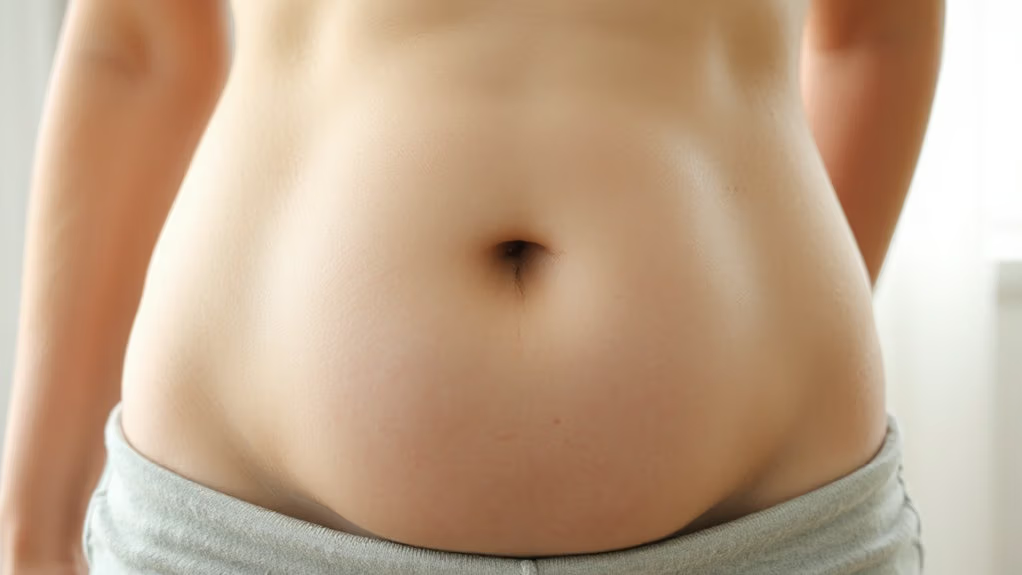
Bloating’s another one of those sneaky symptoms that’ll have you wondering if you’ve just been eating too much sweet tea and biscuits. But if you’re experiencing persistent bloating alongside pelvic pain, your ovarian cysts might be the real culprit.
Here’s what happens: as cysts grow, they can create pressure in your abdomen, trapping gas and fluid. You’ll notice your belly feels swollen and uncomfortable, even when you haven’t eaten much. This bloating typically lingers for days rather than coming and going like regular digestive discomfort.
Pay attention to when the bloating strikes. Does it coincide with your menstrual cycle? Does it worsen alongside your pelvic pain? These patterns matter to your doctor.
The tricky part is distinguishing cyst-related bloating from common indigestion. If you’re consistently puffy, gassy, and uncomfortable despite dietary changes, that’s worth discussing with your healthcare provider. Don’t brush it off as just another digestive quirk.
Irregular Periods and Unexpected Bleeding Patterns

When your period starts acting like it’s got a mind of its own, that’s another red flag worth paying attention to. Ovarian cysts can throw your menstrual cycle completely off kilter, leaving you wondering what in the world’s going on down there.
You might find yourself bleeding heavier than a stuck faucet some months, then barely spotting the next. Your cycle could stretch longer than a summer drought or come more frequently than Sunday visits to Meemaw’s. Some folks experience breakthrough bleeding between periods—that unwelcome surprise that catches you off guard.
These irregular patterns happen because cysts can mess with your hormone production, throwing your body’s delicate balance into chaos. If your period’s gone rogue and you’re noticing these changes lasting more than a couple of months, it’s time to loop in your doctor. Don’t ignore what your body’s trying to tell you.
Digestive Changes, Nausea, and Appetite Loss
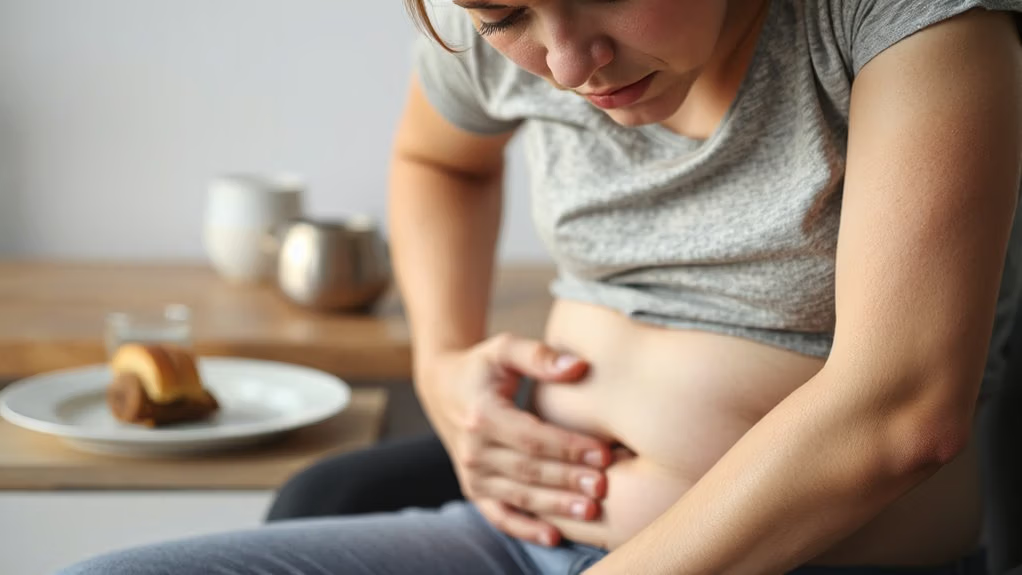
Beyond the menstrual mayhem, ovarian cysts can wreak havoc on your digestive system in ways that’ll leave you feeling downright miserable. You might notice your stomach’s acting up something fierce—bloating, constipation, or diarrhea becoming your unwelcome companions.
Nausea can sneak up on you like an unexpected summer thunderstorm, especially when you’re eating or moving around. Your appetite might vanish altogether, making even your favorite comfort foods seem unappealing. You could feel full quickly or experience persistent queasiness that lingers throughout the day.
The culprit? Those cysts are pressing on your organs and stirring up inflammation, disrupting your digestive tract’s normal rhythm. Your body’s basically throwing a fit, and your gut’s caught in the crossfire.
If you’re dealing with persistent digestive troubles alongside other symptoms, don’t just tough it out. Talk to your doctor about what’s happening—they can figure out whether those ornery ovarian cysts are the troublemakers.
Ovarian Cysts vs. Fibroids, Endometriosis, and IBS: What’s the Difference?
Ever noticed how a lot of women’s health troubles seem to wear the same mask? You’re dealing with pelvic pain, and suddenly you’re wondering if it’s an ovarian cyst, fibroid, endometriosis, or IBS playing tricks on you.
Here’s the thing—they’re not the same critter, even though they might feel similar:
| Condition | What It Is | Key Difference |
|---|---|---|
| Ovarian Cysts | Fluid-filled sacs on your ovaries | Often disappear on their own |
| Fibroids | Benign tumors in your uterus | Cause heavy bleeding typically |
| Endometriosis | Tissue grows outside your uterus | Pain worsens during your period |
| IBS | Digestive disorder affecting your gut | Triggered by food and stress |
Understanding which one you’re dealing with matters because treatment varies considerably. Your doctor can run imaging tests and ask specifics about your symptoms to pinpoint exactly what’s happening. Don’t settle for guessing—you deserve answers.
Conclusion
Now, here’s the thing that’ll make you sit up straight: about ninety percent of y’all with ovarian cysts won’t even know they’re there. They just come and go like uninvited relatives at a family reunion. But when you do spot those warning signs—that nagging pain, the bloating, the irregular periods—you shouldn’t brush ’em off. Listen to your body, honey. It’s got wisdom all its own.