Your liver’s quietly sending you distress signals, and you’re probably missing most of them. You might feel bone-deep tired despite solid sleep, notice your skin turning yellow, or experience unexplained bruising that won’t quit. Dark urine, stomach bloating, and sudden nausea can creep up on you too. Here’s the thing—these warning signs don’t usually show up alone. When they gang up together, that’s your body waving a red flag. Stick around to discover which symptom combinations demand immediate action.
Key Takeaways
- Persistent fatigue and weakness despite adequate sleep suggest impaired liver toxin filtration and energy production requiring medical evaluation.
- Jaundice—yellowing of skin and eyes—indicates dangerous bilirubin buildup and signals urgent need for immediate medical attention.
- Unexplained bruising and prolonged bleeding reveal compromised clotting factor production, a critical sign of liver distress.
- Stomach pain, bloating, and digestive issues arise from reduced bile production affecting fat breakdown and digestion.
- Dark urine, pale stools, and behavioral changes including confusion warrant immediate medical care to prevent irreversible damage.
Persistent Fatigue and Weakness

One of the earliest signs that your liver’s struggling is a bone-deep tiredness that doesn’t quit, even after you’ve had a solid night’s sleep. You’ll drag yourself through your day, feeling like you’re moving through molasses, and coffee won’t touch it.
Here’s what’s happening: your liver filters toxins and produces energy-regulating compounds. When it’s not working right, those toxins build up in your bloodstream, leaving you wiped out. You might notice you can’t tackle tasks you’d normally handle with ease. Climbing stairs feels like summiting a mountain. Your muscles ache without reason.
This fatigue’s different from regular tiredness—it’s relentless and stubborn. You’re not just sleepy; you’re genuinely depleted. If this bone-tired feeling sticks around for weeks, don’t brush it off. Your body’s sending you a message worth listening to.
Yellowing Skin and Eyes (Jaundice)

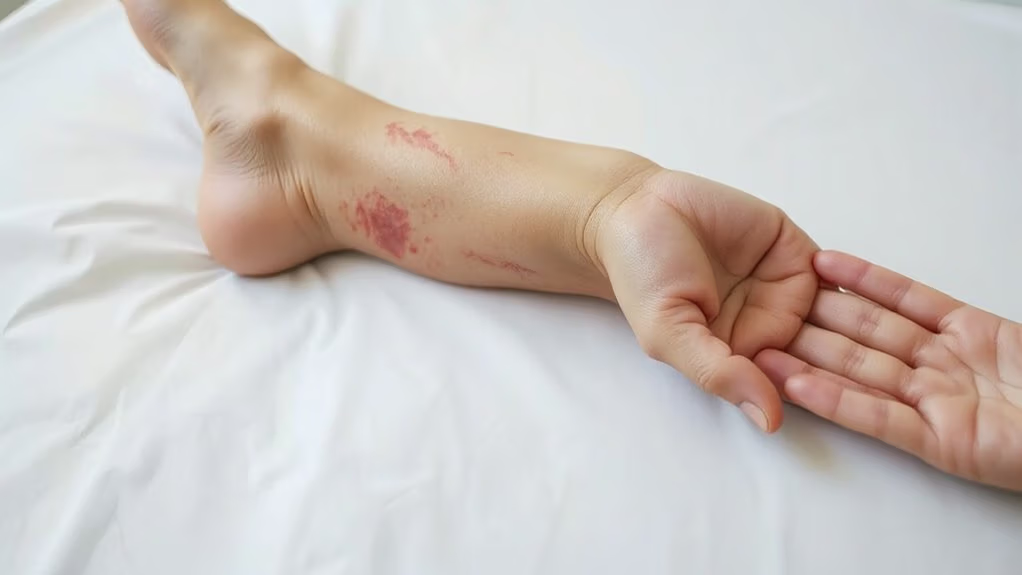
Ever noticed a yellowish tint creeping into your skin or the whites of your eyes? That’s jaundice, and it’s your body waving a red flag about your liver.
When your liver’s struggling, it can’t process bilirubin properly—a yellowish pigment your body naturally produces. That buildup shows up on your skin and eyes first, turning you that telltale shade of yellow.
| Sign | Where It Appears | What It Means |
|---|---|---|
| Yellow skin | Face, arms, chest | Bilirubin buildup in bloodstream |
| Yellow eyes | Whites of eyes | Liver can’t filter properly |
| Dark urine | Toilet bowl | Extra bilirubin leaving your body |
This isn’t something to ignore. Jaundice means your liver needs serious attention. You might also notice pale stools or itchy skin alongside the yellowing. Don’t chalk it up to bad lighting—contact your doctor immediately. Your liver’s calling for help, and you’d better answer.
Stomach Pain and Bloating
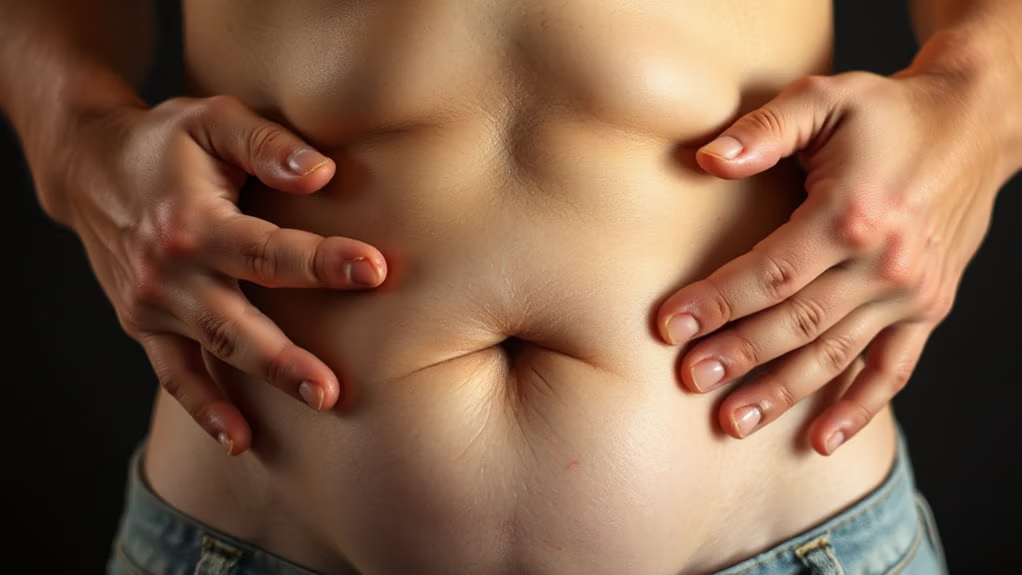
When your liver’s in trouble, your gut often rebels right alongside it. You might notice your stomach’s acting up—cramping, aching, or just feeling plain uncomfortable without any obvious reason. That bloating sensation? Your liver’s struggling to process fats properly, so they’re building up in your digestive system.
Here’s what’s happening: your liver produces bile to break down food, but when it’s damaged, that whole process gets thrown off. You’ll feel it in your belly—that tight, gassy, distended feeling that makes your pants feel snug by midday.
Don’t brush this off as indigestion. When stomach pain and bloating team up with other warning signs like fatigue or that yellowing skin we discussed earlier, your body’s sending you a clear message. It’s time to talk with your doctor about what’s really going on inside.
Dark Urine and Pale Stools
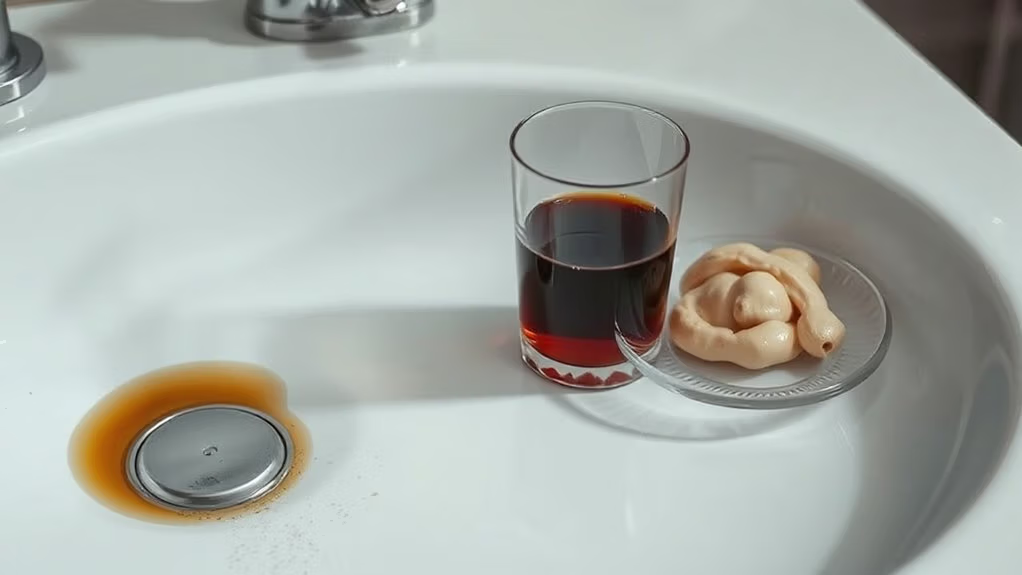
When your liver’s struggling, you’ll notice your toilet tells the tale—dark urine that looks like cola and pale, clay-colored stools signal that bilirubin’s backing up in your system. Your body can’t process this yellowish pigment the way it should, so it starts accumulating and changing the color of what comes out of you. Pay attention to these changes, because they’re your body’s honest way of saying something’s gone wrong under the hood.
Bilirubin Buildup and Discoloration
Your toilet’s been telling you stories—you’ve just got to listen. When your liver’s struggling, bilirubin builds up in your bloodstream instead of getting processed properly. This yellowy pigment doesn’t just disappear; it colors everything it touches.
| What You’re Seeing | What It Means |
|---|---|
| Dark, tea-colored urine | Excess bilirubin filtering through kidneys |
| Pale or clay-colored stools | Bile isn’t reaching your intestines |
| Yellowing skin and eyes | Bilirubin saturating your tissues |
| Orange-tinted urine | Concentrated bilirubin levels rising |
| Whitish stool combined with itching | Bile duct blockage developing |
You’ll notice these changes happen gradually, then suddenly they’re impossible to ignore. Your body’s basically waving a red flag, saying your liver needs help now. Don’t brush it off as something minor—these color shifts matter.
What Your Stool Color Reveals
The toilet bowl‘s become your unwitting health detective, and it’s got plenty to report. When your liver’s struggling, you’ll notice your stools turning pale or clay-colored—that’s because your liver isn’t producing enough bile to give them their normal brown hue. Meanwhile, your urine darkens to tea or cola-colored liquid, a telltale sign that bilirubin’s backing up into your bloodstream instead of flowing where it should.
These color changes happen because your liver can’t process bilirubin properly. You’re watching your body send distress signals right before your eyes. Don’t ignore these shifts. They’re your body’s way of saying something’s genuinely wrong. Pay attention, and get checked out.
Nausea, Vomiting, and Loss of Appetite

Since your liver’s responsible for processing everything you eat and drink, when it’s struggling, your gut’s gonna let you know about it.
Nausea’s often one of the first red flags you’ll notice. You might feel queasy in the mornings or after eating fatty foods. Vomiting can follow, leaving you weak and dehydrated. Your body’s practically waving a warning flag that your liver can’t handle its workload.
Loss of appetite typically tags along too. Food that normally sounds delicious suddenly turns your stomach. You’ll find yourself pushing meals away, even when you’re hungry. This happens because your liver’s inflammation affects your digestive system and appetite signals.
Don’t brush these symptoms off. They’re your body’s way of signaling distress. If you’re experiencing persistent nausea, vomiting, or sustained appetite loss, that’s your cue to see a doctor. Your liver’s asking for help, and you’d better listen.
Bruises and Bleeding You Can’t Explain
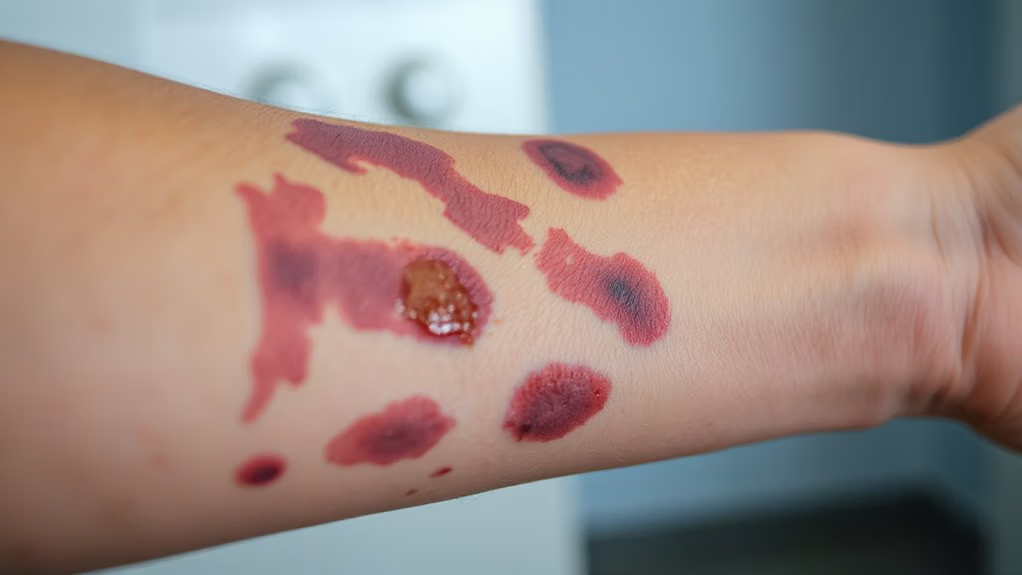
You’re noticing bruises popping up all over without any good reason, or you’re bleeding more than you should from minor cuts and nosebleeds. That’s your liver waving a red flag.
Your liver produces proteins that help your blood clot properly. When it’s struggling, clotting factors drop, leaving you vulnerable to excessive bleeding. You might bleed longer after brushing your teeth, see blood in your stool, or develop unexplained bruises that seem to appear overnight.
Women sometimes experience heavier periods than usual. Men might notice blood in their urine. These aren’t coincidences—they’re warning signs your liver isn’t functioning like it should.
Don’t brush this off as clumsiness or aging. Easy bruising and unexplained bleeding deserve attention. Schedule a doctor’s appointment and mention what you’re experiencing. Your liver’s trying to tell you something, and it’s worth listening.
Red Flag Symptom Combinations That Need Emergency Care
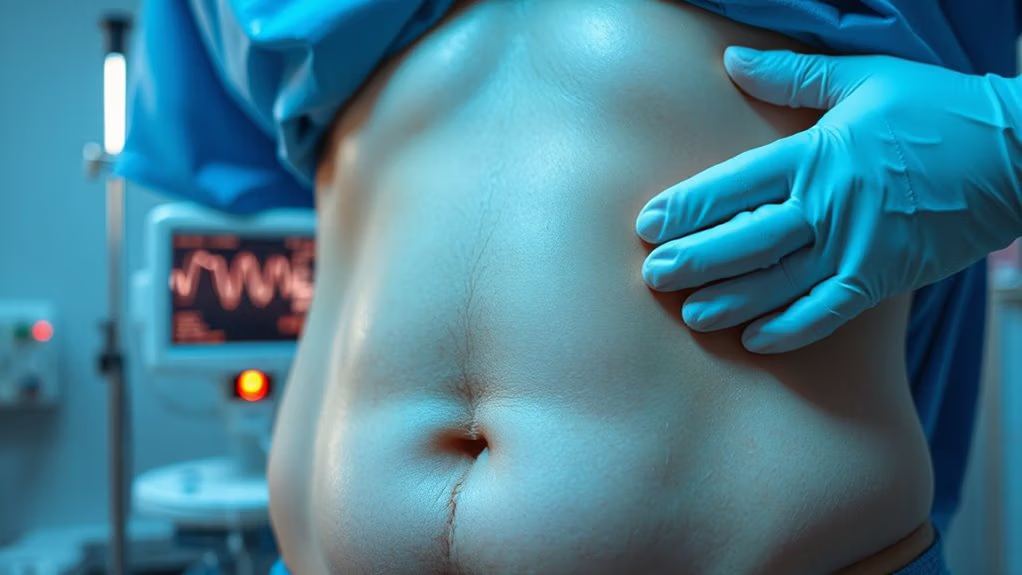
While unexplained bruising and bleeding deserve your attention, certain symptom combinations demand you act fast—we’re talking drop-everything-and-head-to-the-ER territory.
If you’re experiencing jaundice alongside severe abdominal pain and vomiting blood, don’t wait. You’ve got a genuine emergency. The same goes for confusion paired with yellowing skin and swelling in your belly—that’s your brain reacting to liver failure, and you need immediate intervention.
Watch for the trio of fever, extreme fatigue, and dark urine appearing together. That’s your body waving a red flag hard. Similarly, if you’re bleeding from your gums or nose while your skin’s turned yellow and your stools look pale, get to the hospital now.
These combinations aren’t coincidences—they’re your liver screaming for help. Your gut instinct matters here. When multiple warning signs gang up, trust that feeling and seek emergency care immediately. Time counts.
Conclusion
Look, your liver’s been working overtime like a faithful old dog, and it ain’t asking for much—just pay attention when something feels off. You can’t ignore that yellowing skin or mysterious bruises popping up like unwanted weeds. Don’t be stubborn about it. Your body’s sending you postcards from the edge, and you’d best listen up. That doctor’s visit you’ve been putting off? Make it happen today, partner.