Waking up to a sore bump can make anyone wonder about the signs of a spider bite. The calm truth is that most spider bites are mild, and they often look a lot like other bug bites or irritated skin.
The tricky part is that bites from certain venomous spiders, mainly black widows and brown recluses, can turn serious. And many “spider bites” aren’t bites at all. Skin infections, allergic reactions, and other insects can leave similar marks. Even the Mayo Clinic’s spider bite overview notes how hard it is to confirm a spider bite unless you saw it happen.
This guide will help you compare common signs, spot red flags, and know exactly when to get medical care.
What a “normal” spider bite usually looks and feels like

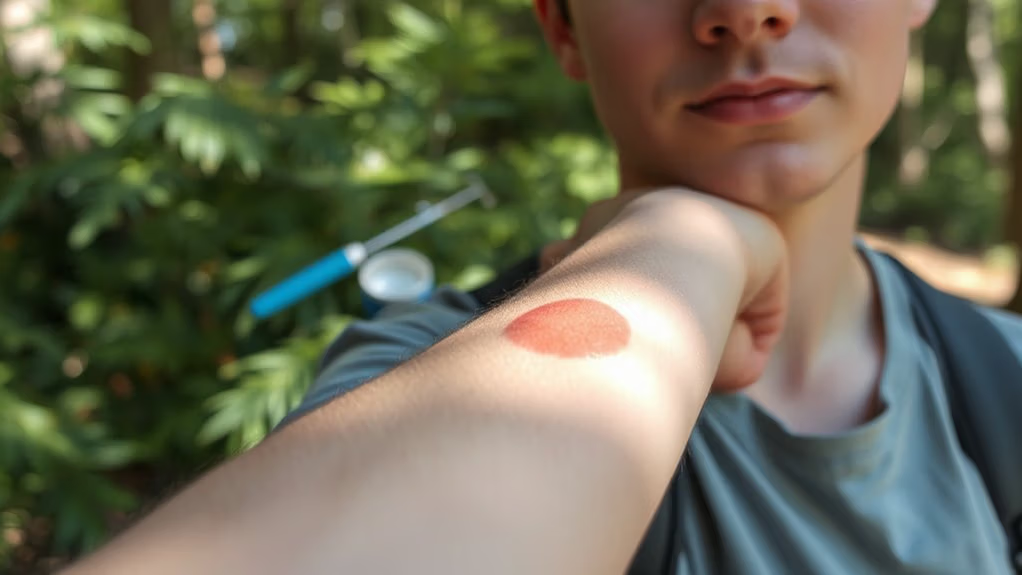
Most mild bites act like your skin is annoyed, not under attack. Think of it like a small bruise mixed with a mosquito bite: tender, itchy, and a little swollen.
Timing helps. In the first hour, you might notice a sting, itch, or nothing at all. During the first day, redness and swelling may build, then level off. By days 2 to 3, a mild bite should start to look less angry, not more.
Also, don’t get hung up on “fang marks.” You may not see punctures, and many marks are too small to spot.
Common local signs at the bite spot
A mild spider bite from spiders like the wolf spider or the hobo spider in certain regions often stays local, meaning it doesn’t spread far beyond the spot. Common signs include:
- A small red bump or welt
- Mild swelling around the area
- Itching that comes and goes
- A mild burning feeling or soreness when touched
- A tiny blister, scab, or spot that looks scraped
- Sometimes two tiny puncture points, but often none
A helpful rule: the area can look worse for a short time, but it shouldn’t keep escalating after the first day. If the redness marches outward like spilled ink, treat that as a warning sign.
How long symptoms should last if it’s mild
For a mild bite, symptoms often peak within 24 hours, then gradually improve over the next 2 to 3 days. Some people also get mild bruising, especially if they scratch or the bite is on thinner skin.
What’s not typical for a mild bite is a new fever, spreading heat and redness, or pain that ramps up sharply. If the trend line is going up instead of down, it’s time to reassess.
Signs it could be a dangerous spider bite, and what makes them different
In the United States, the serious patterns people worry about usually fall into two buckets:
- Whole-body symptoms with limited skin changes (more like black widow bites)
- Skin damage that slowly worsens over days (more like brown recluse bites)
As of early 2026, there haven’t been major U.S. “outbreak” updates driving new guidance. The main message is unchanged: black widows, known for their distinctive hourglass shape, are found widely across the country, while brown recluses, identifiable by their violin-shaped marking, are more common in the south-central states, and bites often happen when people disturb a hiding spot (stored boxes, woodpiles, dark corners). For a quick reference on venomous bite symptoms, see the CDC NIOSH symptoms page.
Black widow spider bite signs: muscle cramps and sweating more than skin damage

Black widow spider bites may start with a sharp pinprick, then the skin can look surprisingly mild. The bigger clue is how the rest of the body feels in the next 30 minutes to a few hours.


Watch for:
- Muscle cramps or tightness that spreads, often in the belly, back, shoulders, or chest
- Abdominal pain that can feel like severe stomach illness
- Sweating, chills, shakiness, or restlessness
- Headache, nausea and vomiting
- Weakness, fast heart rate, or high blood pressure
Breathing trouble is uncommon, but it’s serious, especially for kids, older adults, or anyone with major health issues. If you want a symptom rundown written for patients, WebMD’s black widow bite guide is a useful overview.
Brown recluse spider bite signs: a blister that turns dark and may ulcerate

Brown recluse spider bites can fool people early. The bite may feel mild at first, then the pain ramps up later.
Common warning signs include:
- Mild sting that turns into severe pain and swelling within about 2 to 8 hours
- A blister that forms at the center
- A center that turns blue-gray, purple, or dark, sometimes with a pale area around it
- Over days, the sore may open and deepen, forming a skin ulcer with necrosis that heals slowly
Whole-body symptoms are less common, but urgent when they happen: fever, chills, rash, nausea, or dark urine. If you’re comparing patterns, Johns Hopkins Medicine’s spider bite resource is a steady, no-panic explanation of which bites tend to be dangerous.
When it’s not a spider bite, common look-alikes that fool people
A lot of “spider bites” are really something else. That’s not a silly mistake, it’s just how skin works. Redness, swelling, and pain are the body’s go-to reactions for many problems.
Clues that point away from spiders:
- You never saw a spider, and the mark appeared overnight
- There are multiple spots (especially in clusters)
- The area becomes more painful, warm, and swollen after 24 hours
- You have drainage or a pimple-like head that keeps filling
Another key point: many spiders can’t pierce human skin well, and bites are often blamed when the true cause is an infection.
Skin infection signs that need care
Infections can start as a tender bump that looks like a bite, then change fast. Get checked if you notice:
- Pus, drainage, or a yellow crust that keeps coming back
- A warm red area that spreads
- Red streaks moving away from the spot
- Swollen glands
- Fever or chills
MRSA and other staph infections are famous for being mislabeled as spider bites. If you want a plain-language explanation of the mix-up, Healthline’s MRSA vs spider bite guide breaks it down well.
Other bites and skin problems that can mimic spider bites
Other common copycats include mosquito bites, fleas, and bed bugs (often in lines or clusters). Tick bites can sometimes leave a bullseye rash. An allergic reaction, poison ivy, and ingrown hairs can also look like “one bad bite,” especially after scratching.
If the mark is spreading, weeping, or multiplying, it’s smart to think beyond spiders.
What to do right away, and exactly when to get medical care

When you’re not sure what bit you, treat it like a minor wound and watch the trend. Take a clear photo in good light, then another a few hours later. Your camera can catch changes your brain misses.
Simple first aid you can do at home
- Wash with soap and water
- Use an ice pack 10 minutes on, 10 minutes off
- Raise the area if you can, especially for hand or foot bites
- Don’t scratch, it increases swelling and infection risk
- Use over-the-counter pain relief if it’s safe for the person
- Consider an antihistamine for itch if appropriate
- Mark the edge of redness and swelling with a pen so spread is obvious
Skip “home cures” that burn or irritate skin. No cutting, no sucking, no harsh chemicals.
Go to urgent care or the ER if any of these happen
Seek medical care fast if you have:
- difficulty breathing, face or mouth swelling, hives, or wheezing
- severe pain, worsening cramps, or chest or belly tightness
- Vomiting that won’t stop
- Fever or chills
- Fast-spreading redness, pus, red streaks, or swollen glands
- A blister that turns dark, or an open sore that grows
- Dark urine, widespread rash, or unusual weakness
- A bite on a child, an older adult, or someone with a weak immune system
- Strong suspicion of a black widow or brown recluse bite
Hospitals can provide antivenom as a potential treatment for confirmed venomous bites and check your tetanus vaccine status as standard medical protocol.
In the U.S., you can also call the poison control center at 1-800-222-1222 for guidance. For prevention tips in work and outdoor settings, the CDC NIOSH venomous spiders guidance is a practical reference.
Conclusion
Most suspected signs of a spider bite are minor, and many aren’t spider bites at all. The safest approach is to watch the clock and the direction of change: mild irritation like redness and swelling should peak and then improve. If symptoms spread, intensify, or turn systemic, treat that as a signal to get help. Take a clear photo, track the size, and trust the trend. When red flags show up, don’t wait it out, get medical care the same day.