If Scrooge had a Venmo, you’d know him by the receipts. He itemizes every coffee, hunts the absolute cheapest seats, splits fries like he’s weighing gold, and “forgets” the tip while promising “next time.” He steers plans with money, downplays milestones, plays generous in public, stingy in private, and gets defensive when you call it out. Spot a few of these, and you’ll see the pattern—and what to do next.
Nickel-and-Diming Every Outing

Often, you can spot it before the menus even land: he’s already calculating who ordered the extra guac. He audits every bite, every sip, every side. He asks the server to itemize sauces. You’re suddenly choosing restaurants by coupons, not cravings. He times happy hour like a drill sergeant. No appetizer, water only, and split the fries by weight. Fun shrinks. You feel the emotional toll in your shoulders and your smile. You stop suggesting new spots because you can predict the speech. That’s spontaneity loss, plain and simple. Watch for the portable calculator, the receipt photos, the tax debates. He’ll angle for the cheapest seat, the longest walk to dodge parking. Set boundaries. Decide your own order. Pay cleanly, then protect your peace.
Reluctance to Take Turns or Reciprocate

Usually, he’s a master of “next time.” It’s his turn to grab coffee, order the Uber, or cover the tip, and suddenly he’s patting empty pockets or blaming a dead card. You see it at home too: Unequal chores, unequal effort, unequal thanks. He’ll happily accept rides, favors, and plans, but he drifts when it’s his move. Reciprocity isn’t complicated. You take a turn, he takes a turn. If he ducks, call it out, calmly. Suggest a simple rotation: you buy this, he buys the next, no drama. Watch whether he follows through without prompts. Notice non-money cues, like Emotional withholding when you ask for fairness, or the vanishing act during cleanup. Reliable partners show up. Freeloaders show patterns. Believe the pattern, then adjust.
Keeping a Running Tally of Who Owes What

When he won’t take a fair turn, watch for the opposite move: keeping score like a tax auditor. He tracks every latte, gas mile, and tip, then fires off balance reminders like invoices. You forgot the 73 cents? He didn’t. He calls it expense transparency, but it feels like a spreadsheet romance. You start second-guessing coffee, jokes, even rides, because there’s always a tab. Healthy couples settle up, sure, but they don’t weaponize math. Watch how he behaves when the numbers favor you. Does he round up for himself and down for you? Does he bring it up in front of friends? Set a boundary. Offer simple splits, rotate paying, or use an app. If he resists fairness, note it. Patterns don’t lie. Often.
Insisting on the Cheapest Option, No Matter the Context

If the answer to every choice is “whatever’s cheapest,” pay attention. You’re not budgeting; you’re dodging value. He’ll pick the rock-bottom flight with two layovers, the flimsy shoes that fall apart, the salad that tastes like wet cardboard. Quality tradeoffs don’t cross his mind. Only price tags. You see it at restaurants, hardware aisles, streaming plans, even light bulbs.
This pattern signals decision anxiety dressed up as thrift. He can’t weigh options, so he lets the lowest number decide. You end up paying later in returns, repairs, and headaches. Start testing it. Ask, “What’s the difference between these two?” If he shrugs, press for pros and cons. Suggest middle options. Notice whether he ever values time, comfort, or durability. If not, that’s your sign.
Using Money to Dictate Plans and Boundaries
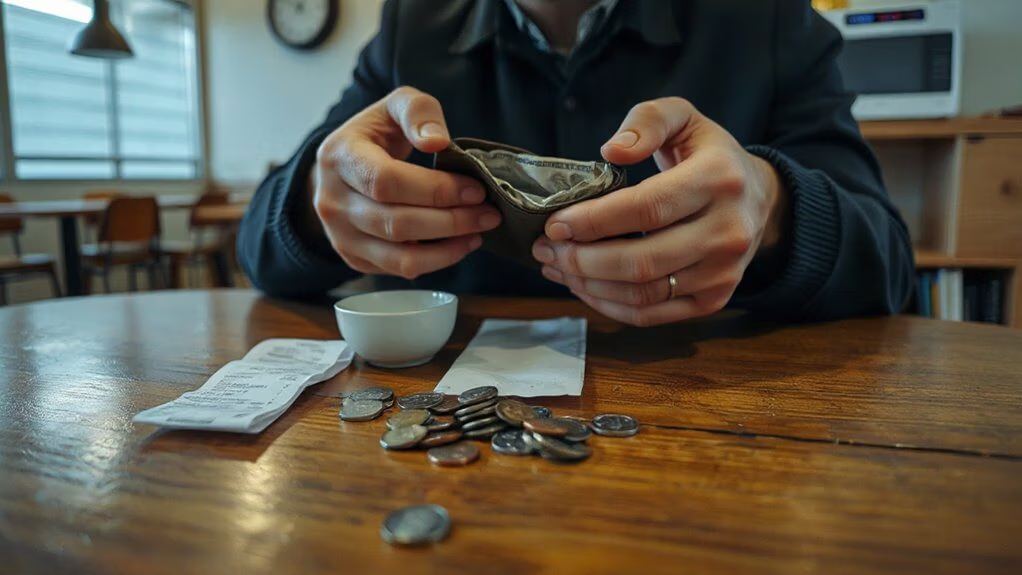

Cheap for the sake of cheap is one thing; using cash as a leash is another. You’ll see it when he sets the budget, the venue, and even the schedule because he’s paying. He offers rides only if you change plans. He “covers dinner” but picks the menu and your order. That’s not thrift. That’s control. Watch for Monetary ultimatums: comply or the date’s off. Notice Choice restrictions disguised as “being smart with money.” If you say no, he sulks or cancels. Set a boundary. Propose split costs and pick half the plans. Rotate hosts. Use separate tabs and separate rides. If he refuses, believe him. He wants power, not savings. You’re not expensive; you’re independent. Keep it that way. Don’t bargain with control.
Skimping on Tips and Basic Courtesy
How does he treat the people who bring the food, drive the car, or bag your groceries? Watch closely. If he calculates the bill like a courtroom drama and “forgets” the tip, that’s a tell. Good Tipping etiquette isn’t luxury; it’s basic respect. You see it when he makes eye contact, says please and thank you, and leaves 18–20% without theatrics. Notice the opposite: snapping fingers, stiffing a barista, or leaving coins like confetti. That’s not frugal; that’s cheap. Service appreciation shows in small moments. He waits his turn, doesn’t blame the waiter for the kitchen, and tips extra after messy substitutions. If money’s tight, he picks a counter spot or cooks at home. He never makes workers pay for his budget. Full stop.
Downplaying Milestones to Avoid Thoughtful Spending
Respect shows up again when birthdays, promotions, or anniversaries roll around. He shrugs and calls it “no big deal,” then acts like planning anything is drama. That’s achievement minimization dressed as chill. You suggest tacos and a homemade card; he pivots to celebration avoidance, “Let’s do it next week,” forever. Notice the tiny tells: no calendar reminder, no card, no small treat, just excuses. He jokes you’re “extra” for wanting a cupcake. Cute. Not really. Test it. Offer a simple, low-cost plan with a clear date and time. Does he show up, or move the goalposts again? Thoughtful spending isn’t pricey. It’s a $5 bouquet, a handwritten note, a planned call. If he won’t do that, he’s choosing not to. Believe the pattern, plainly.
Image-Driven Generosity in Public, Stinginess in Private
When the crowd’s watching, he turns into Mr. Big-Spender. He orders bottles, tips loudly, and performs generosity like it’s theater. You see status signaling all over it. He’s not giving; he’s advertising. Then you get home, and the wallet snaps shut. Suddenly he’s dividing groceries by ounces and “forgetting” his share of bills. That’s not budgeting. That’s audience tailoring.
Watch the switch. In groups, he insists on picking up the check. In private, he Venmos you for gas, napkins, and the one fry he ate. Note the phrases: “Let me show you how it’s done” out, “We need to cut back” in. Set boundaries. Split receipts on the spot. Rotate who pays beforehand. Praise consistency, not spectacle. If he balks, you’ve got your answer.
Treating Your Time and Effort as Free
The spotlight fades, and suddenly your time costs nothing. He treats your hours like a bottomless free sample. You plan trips, book tables, chase refunds, and wait for packages because “you’re better at it.” Your invisible contributions prop up his life while he boasts about saving money. Meanwhile, boundary erosion sets in. He “borrows” your car, your logins, your Saturday, and calls it teamwork. You pick up the slack at every turn—pet sitting his dog, proofreading his resume, assembling furniture—while he “owes you one” indefinitely.
Start measuring. Put tasks on a shared list with deadlines and owners. Say how long things take. Set limits: one errand, not five. Require swaps of equal effort, not vague promises. If he values you, he’ll budget your time.
Defensive or Dismissive When You Raise Concerns
As soon as you raise a real concern, he dodges, jokes, or flips it back on you. He acts like you’re dramatic for asking for respect. He calls it a misunderstanding, then changes the subject. Classic Minimizing Feelings. When you ask for clarity on money, plans, or effort, he accuses you of nagging. He frames basic limits as control. That’s Dismissing Boundaries.
Watch the patterns. He interrupts, sighs, and lists everything he pays for to shut you up. He asks for “proof” of how you feel. He apologizes “if you were offended,” then repeats the same move next week. Don’t debate forever. Set one clear request with a deadline. If he resists or mocks it, step back. Protect your time, wallet, and peace today.
Conclusion
You might say he’s just frugal. Sure—if frugal also means your fries get weighed. Don’t overthink it. Watch patterns for a month. Set a fair plan: alternate picks, split tickets in the app, celebrate real milestones. Say no to receipt photo shoots at dinner. Ask for reciprocity, not coupons. If he steps up, great. If he sulks, believe it. Money is a tool. If he uses it to control you, he can date his spreadsheet.