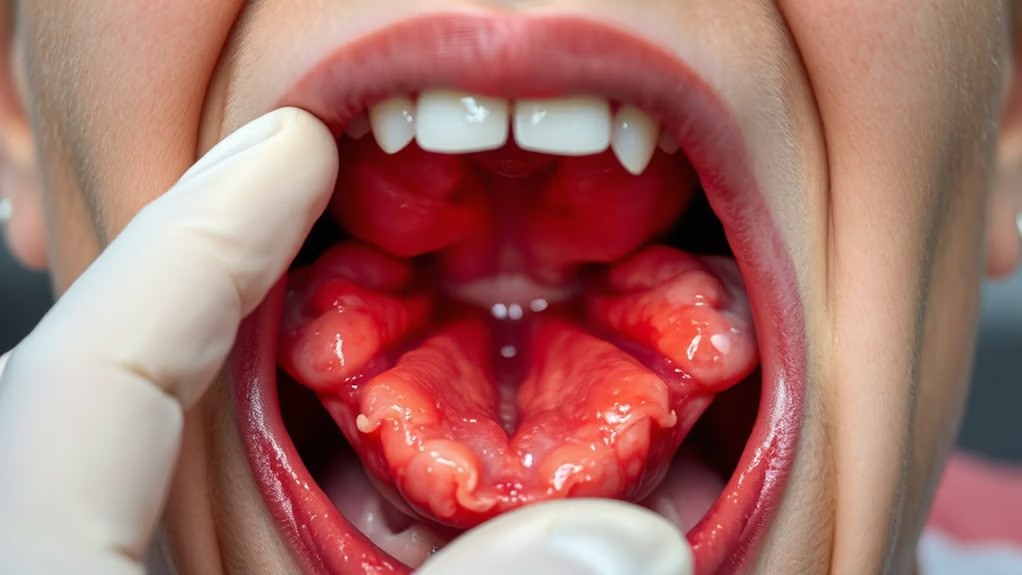
You need clear, practical guidance when your belly keeps acting up. Persistent pain, cramps, loose stools, or blood in stool can point to a chronic disease like inflammatory bowel disease (IBD), which includes Crohn’s disease and ulcerative colitis.
Early action matters. IBD often flares and then calms with treatment, but right tests and timely care cut complications and help you reach remission. Diagnosis relies on colonoscopy with biopsies, stool and blood tests, plus imaging like CT or MRI.
Extraintestinal clues — such as joint pain, eye irritation, or skin changes — can show the condition affects more than your intestine. You’ll learn when routine tummy trouble warrants a specialist visit and what steps to take now to protect your health.
For trusted background on gastrointestinal disease and screening, see this resource from the Cleveland Clinic: gastrointestinal diseases overview.
Key Takeaways
- Persistent abdominal pain, diarrhea, or blood in stool can signal IBD and need prompt evaluation.
- IBD is chronic but treatable; early care improves outcomes and reduces flare-ups.
- Diagnosis uses colonoscopy with biopsies, stool/blood tests, and advanced imaging.
- Extraintestinal symptoms may involve eyes, skin, joints, liver, or bile ducts.
- Tracking symptoms and seeing a gastroenterologist fast helps prevent complications.
Do Your Symptoms Point to Inflammation? Understanding What You’re Feeling
When your bowel habits and energy level shift together, it can signal more than temporary upset. Pay attention to both local changes and whole-body clues. They guide whether you need testing or urgent care.
Common digestive signs
Common digestive signals
Recurring abdominal pain with loose stools or sudden urgency is a classic pattern. You may also notice blood in the stool or on toilet paper. These findings often reflect active inflammation rather than a minor issue.
Whole-body clues
Fever, unexplained weight loss, and fatigue can mean your body is using extra energy to fight inflammation. Low iron or anemia may show nutrient loss or poor absorption.
- You have urgent trips to the bathroom or occasional accidents.
- Symptoms worsen after NSAIDs or a GI infection.
- Teens may show slowed growth or poor appetite.
- Anxiety or low mood often follow unpredictable symptoms.
| Finding | What it suggests | Next step |
|---|---|---|
| Abdominal pain + diarrhea | Active lower intestinal irritation | See a gastroenterologist for tests |
| Visible blood in stool | Likely mucosal bleeding, not just hemorrhoids | Urgent evaluation and stool testing |
| Weight loss or anemia | Systemic effect, possible malabsorption | Blood work and nutritional assessment |
Signs of Gut Inflammation and Digestive Issues
Persistent changes in bathroom habits that last weeks deserve more attention than a passing stomach bug. Track timing, frequency, and any blood so you can report clear details to your provider.
IBD red flags versus routine tummy trouble
Watch for patterns that stand out: symptoms that wake you at night, last for several weeks, or come with visible bleeding are not typical of a short-lived infection or food intolerance.
- Persistent abdominal pain with chronic diarrhea and blood raises concern for inflammatory bowel disease or another serious bowel disease.
- Fever, weight loss, or anemia increase urgency and should prompt you to see a doctor quickly.
- Left untreated, this condition can cause ulcers, strictures (narrowing), fistulas, or abscesses requiring more invasive care.
When to call a doctor
If urgency and diarrhea won’t stop, you see bleeding, or your abdominal pain persists, call a doctor right away. These are hallmark signs that merit evaluation.
What to expect: your clinician will do an exam and order stool studies to rule out infection, blood work for inflammation and anemia, and colonoscopy with biopsies or imaging to confirm the diagnosis and guide treatment.
IBD at a Glance: Crohn’s Disease and Ulcerative Colitis
Knowing where inflammation sits in your digestive tract changes how doctors test and treat you. Crohn disease can affect any segment of the gastrointestinal tract from mouth to anus, but it often targets the terminal ileum at the end of the small intestine. Ulcerative colitis, by contrast, stays in the colon and rectum.
Where it shows up: small intestine vs. large intestine
When the small intestine is involved, you may face nutrient losses and anemia because that segment absorbs vitamins and minerals. Disease limited to the large intestine shifts surveillance needs and can change medication choices.
Complications you shouldn’t ignore
Long-standing inflammatory bowel activity can lead to tissue damage. You may see ulcers, strictures that block passage, fistulas that connect organs, or abscesses that need drainage.
IBD vs. IBS: why inflammation matters
IBD is an immune-driven disease with visible inflammation on endoscopy and biopsy. IBS causes pain and altered motility without tissue injury. That difference guides treatment, monitoring, and cancer screening for people with chronic colon inflammation.
- Ask your clinician which pattern fits your symptoms.
- Know that Crohn disease and ulcerative colitis require different tests and follow-up.
- Surveillance colonoscopies are key when inflammation involves the colon long-term.
What Might Be Driving Your Inflammation: Immune System and Risk Factors
Your immune defenses can mistakenly attack healthy bowel lining, creating cycles of inflammation that cause symptoms and, over time, tissue damage.
Autoimmune pathways and the gut microbiome
An imbalance in gut bacteria can amplify immune reactions. That shift may make immune cells treat normal cells in the tract as threats.
Genetics and age also matter. Up to 5–20% of people with this disease have a first-degree relative who is affected. Many are diagnosed before age 35, while a second peak appears in the 60s.
Family history, environment, and other risks
- Family history: increases your chance but is not required for disease to occur.
- Environment: past infections, diet, and certain ancestries raise risk.
- Course: immune-targeted therapies can address the root process rather than only easing symptoms.
“IBD may arise when an immune system primed by genes and environment reacts too strongly to gut microbes.”
| Risk Factor | What it implies | Action to take |
|---|---|---|
| First-degree relative with IBD | Higher personal risk (5–20%) | Discuss screening and symptoms with your clinician |
| Younger age at onset | More aggressive course possible | Early evaluation and monitoring recommended |
| Microbiome imbalance or prior infection | May trigger exaggerated immune response | Consider stool testing and targeted therapies |
How We Identify the Cause: Tests Your Doctor May Recommend
To find the root of your symptoms, clinicians combine visual exams, lab work, and targeted scans. This coordinated approach helps your care team make a clear diagnosis and start treatment sooner.
Colonoscopy with biopsies
Colonoscopy is the gold-standard test to inspect the colon and rectum. You’ll do a short bowel prep and usually receive sedation for comfort.
During the procedure the doctor takes small tissue samples so a pathologist can confirm inflammatory bowel or other disease.
Upper endoscopy and small-bowel exams
Upper endoscopy evaluates the esophagus, stomach, and duodenum when symptoms or labs point higher in the tract. Capsule endoscopy may follow if the small intestine needs a closer look.
Stool and blood testing
Stool tests rule out infection, measure inflammation, and detect hidden blood. Routine blood tests check inflammatory markers, anemia, and vitamin deficiencies.
Imaging insights: CT, MRI, and X-ray
Imaging insights such as CT enterography, MRI (MR enterography), or plain films reveal strictures, obstructions, and deeper ulcers that scopes might miss.
Next steps: your doctor will tailor which tests to use based on symptoms and initial results. For a clear primer on these procedures, see digestive diagnostic procedures.
Your Personalized Treatment Plan: What May Help You Feel Better
Your care plan will match your symptoms, goals, and how aggressive the disease appears on tests. You and your clinician will pick a path that balances benefit with side effects.
Medications that target inflammation



Medication options include immunosuppressants and biologics as mainstays to calm the immune attack and heal the bowel lining. Short-term steroids can break a severe flare, but teams limit long-term use because of side effects.

Managing pain by controlling disease activity
The best pain relief comes from reducing inflammation rather than masking symptoms. Topical therapies — suppositories or enemas — can treat lower disease with fewer systemic effects.
When surgery is the right step
About half of people may need surgery to remove damaged bowel or fix strictures, fistulas, or abscesses. Laparoscopic approaches often shorten recovery and lower complications.
- You’ll start with proven medication that lowers flare risk and promotes healing.
- Antibiotics are used when imaging or cultures show abscess or fistula risk in Crohn’s.
- Your team will choose step-up or top-down plans based on severity and your goals.
| Option | Role | When used |
|---|---|---|
| Immunosuppressants / Biologics | Reduce immune activity, heal tissue | Moderate to severe disease or frequent flares |
| Steroids | Rapid flare control | Short-term use for acute flares |
| Topical therapies / Antibiotics | Local control; treat infections | Distal inflammation; abscesses or fistulas |
| Surgery (laparoscopic) | Remove damaged segments, drain abscess | Complications or refractory disease |
Food, Lifestyle, and Symptom Relief You Can Start Today
Small changes to what you eat and how you live can ease symptoms quickly and give your care team useful clues. Start with simple swaps and track effects so you know what helps you most.
Diet approaches: low-residue, low FODMAP, and when to consider probiotics
Low-residue diets can reduce obstruction risk when strictures exist. Try short-term plans under clinician guidance if narrowing is a concern.
A structured low FODMAP trial can cut gas and diarrhea, but work with a dietitian to reintroduce foods safely.
Probiotics have mixed evidence. You may try a clinician-recommended strain and stop if it does not reduce symptoms.
Omega-3s, dairy tolerance, and hydration tips
Add omega-3 rich foods like salmon, sardines, or ground flaxseed; they may help the gut environment and lower inflammation in some people.
About half of people with this disease have lactose trouble. Test dairy tolerance and replace calcium and vitamin D with tolerated foods or supplements as needed.
Hydration matters during flares with loose stools. Sip water or electrolyte solutions to avoid dehydration and support recovery.
- Limit sorbitol-sweetened items and tune alcohol or caffeine to your response.
- Smoking worsens Crohn’s and reduces treatment benefit—quitting helps outcomes.
- Keep a symptom diary to link foods, mouth sensations, and patterns over time.
- Pair nutrition with movement, stress control, and sleep for the best results.
Ongoing Care Matters: Monitoring, Vaccines, and Preventing Flare-Ups
Regular check-ins help you spot early changes before symptoms spiral. You and your doctor will build a plan for visits, labs, and imaging so small concerns get handled fast.
Follow-up and surveillance
You’ll have scheduled reviews to track symptoms, adjust meds, and plan tests. If your colon has been involved for 8 years, expect surveillance colonoscopy every 1–3 years based on risk to lower colorectal cancer chance.

Vaccines and immune safety
When you take immunosuppressants or biologics, keeping vaccines current is vital. Get yearly flu, pneumococcal doses, hepatitis B, tetanus boosters, HPV, shingles (non-live), and COVID-19. Avoid live vaccines if your immune system is suppressed.
Daily habits and extra checks
Poor sleep and stress can precede flares, so prioritize rest and stress control. If you used steroids, ask your doctor about DEXA scans and calcium/vitamin D. Annual skin exams, eye checks, and routine Pap testing (plus anal Pap for at-risk people) help catch complications early.
- Ask your doctor for a clear flare action plan and contact route.
- Get help quitting smoking—especially important with Crohn’s disease.
“Proactive follow-up reduces surprises and keeps your care focused on prevention.”
Conclusion
A focused diagnosis and tailored therapy help many people reach lasting remission and regain confidence.
You’re not imagining it—persistent symptoms can point to inflammatory bowel disease and merit prompt evaluation. Your care team may recommend endoscopy with biopsies plus stool and blood tests to map where the intestine is affected.
Treatment centers on targeted medication such as immunosuppressants or biologics, short courses of steroids for flares, and surgery when complications arise. Diet, hydration, and lifestyle habits may help support medical care.
Keep vaccines and surveillance on schedule to lower long-term risk. Document symptoms, arrange a specialist visit, and ask which tests your doctor may recommend so you can take the next step today.
FAQ
How can you tell if your symptoms point to inflammation rather than routine stomach upset?
Look for persistent signs like abdominal pain, frequent diarrhea, and blood in your stool. Whole-body clues such as unexplained weight loss, fever, fatigue, or anemia suggest more than a transient issue and warrant medical evaluation.
What red flags mean you should call a doctor right away?
Seek prompt care for severe or worsening abdominal pain, high fever, continuous rectal bleeding, fainting, or sudden weight loss. Urgent symptoms may signal complications like ulcers, abscesses, or obstruction that need immediate attention.
How do Crohn’s disease and ulcerative colitis differ in where they affect your body?
Crohn’s can affect any part of the digestive tract, often the small intestine, while ulcerative colitis is limited to the colon and rectum. Location shapes symptoms, treatment choices, and possible complications.
What complications should you worry about with inflammatory bowel disease?
Watch for ulcers, strictures that narrow the intestine, fistulas that connect organs abnormally, and abscesses. These can cause pain, bowel obstruction, or infection and sometimes require surgery.
How is inflammatory bowel disease different from irritable bowel syndrome?
IBD involves measurable inflammation and tissue damage; IBS does not. With IBD you may see blood, abnormal lab tests, or changes on endoscopy and imaging, which guide anti-inflammatory treatments.
What role does the immune system and gut bacteria play in inflammation?
Your immune system can mistakenly attack intestinal tissue, and an imbalance in gut bacteria may trigger or worsen that response. Genetics, age, and environmental exposures also influence risk.
Which tests might your doctor recommend to find the cause of symptoms?
Expect a combination of colonoscopy with biopsies, upper endoscopy when upper GI symptoms exist, stool tests and blood work to detect inflammation or infection, and imaging such as CT enterography or MRI for deeper views.
What treatments can help control inflammation and pain?
Medications include steroids for flare control, immunosuppressants and biologics to target immune pathways, and symptom-focused drugs for diarrhea or pain. Controlling inflammation often reduces pain.
When is surgery necessary for inflammatory bowel conditions?
Surgery may be needed to remove severely damaged bowel, treat strictures or fistulas, or manage complications like uncontrolled bleeding or abscesses. Your surgeon and gastroenterologist will discuss timing and goals.
What dietary changes can help reduce symptoms right away?
Strategies include low-residue or low-FODMAP diets during flares, staying hydrated, testing dairy tolerance, and discussing probiotics with your clinician. Tailor changes with professional guidance to avoid nutrient gaps.
How should you monitor your condition over time?
Regular follow-ups, lab monitoring, and surveillance colonoscopies help track inflammation and cancer risk. Vaccinations are important if you take immunosuppressive drugs, and routine checks for sleep, stress, skin, and eye issues support overall care.
Can family history affect your risk for inflammatory bowel disease?
Yes. A family history of IBD raises your risk. Genetics plus environmental factors like smoking, diet, and infections influence who develops disease and how severe it becomes.
Are there warning signs in stool or mouth you should not ignore?
Persistent bloody or slimy stool, unusually dark or tarry bowel movements, or painful mouth ulcers can indicate active disease and should prompt evaluation and testing by your doctor.
How do imaging tests add value to diagnosis and management?
X-rays, CT enterography, and MRI provide detailed views of bowel thickness, abscesses, and strictures beyond what endoscopy shows. These studies guide medical and surgical decisions.
What lifestyle steps can reduce flare frequency and improve outcomes?
Quit smoking, manage stress, get adequate sleep, maintain a balanced diet, and follow prescribed treatment. These measures lower flare risk and support long-term healing.