“`html
Introduction
Maintaining good health involves being attentive to your body’s signals. Recognizing early warning signs of health issues can lead to prompt intervention and better outcomes. This article explores common early indicators of health problems, focusing on symptoms related to dehydration and general wellness, and offers practical advice for health-conscious adults and families.
Understanding Dehydration: A Common Health Concern
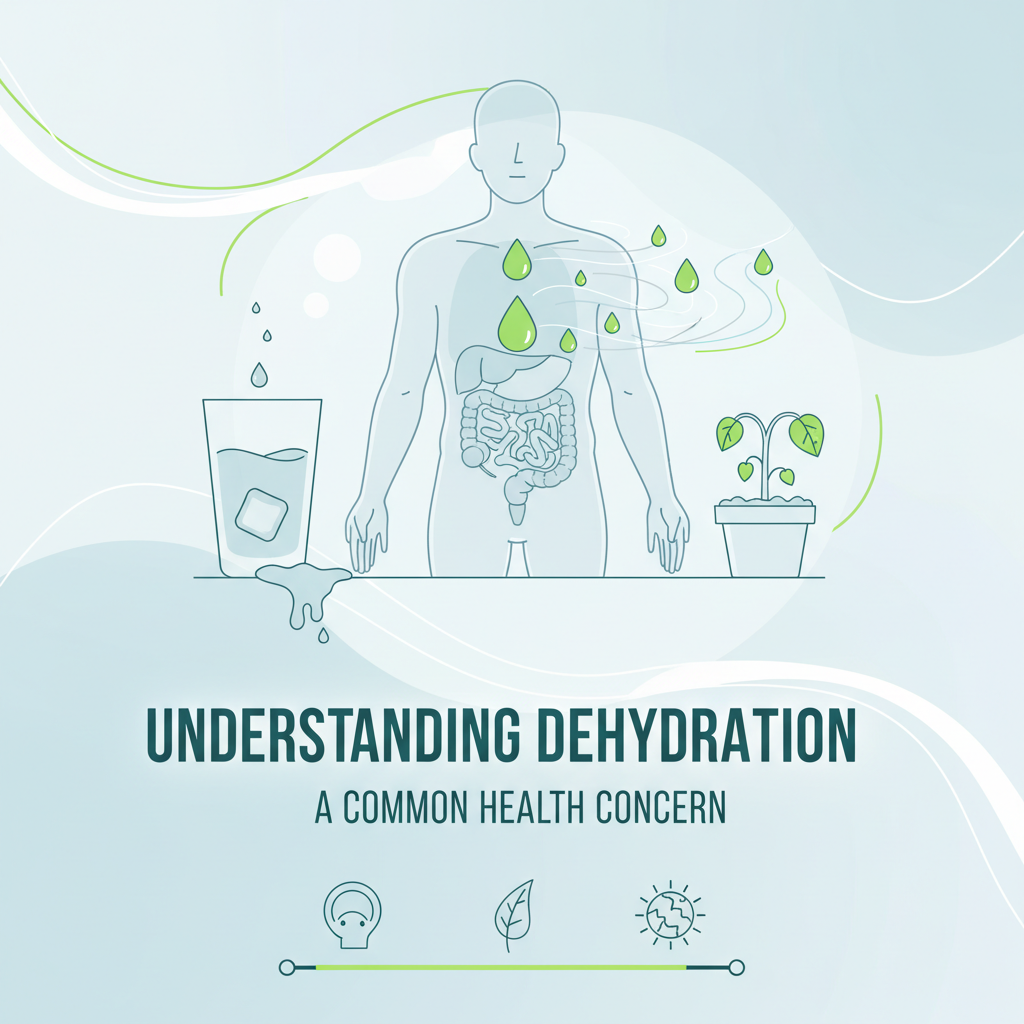
Dehydration occurs when your body loses more fluids than it takes in, disrupting normal bodily functions. It’s a condition that can affect anyone, but certain groups are more susceptible, including infants, older adults, and individuals with chronic illnesses. Recognizing the signs of dehydration is crucial for maintaining overall health.
Common Symptoms of Dehydration
Early signs of dehydration include:
- Thirst: A natural signal indicating the need for more fluids.
- Dry mouth and lips: Reduced saliva production leading to a dry oral cavity.
- Dark-colored urine: Concentrated urine due to fluid loss.
- Fatigue: Feeling unusually tired or sluggish.
- Dizziness or lightheadedness: Especially when standing up quickly.
- Headaches: Resulting from reduced fluid levels affecting brain function.
It’s important to note that thirst isn’t always a reliable indicator, especially in older adults who may not feel thirsty until they’re already dehydrated. Therefore, it’s essential to proactively maintain hydration. (mayoclinic.org)
Severe Dehydration: When to Seek Medical Attention
Severe dehydration is a medical emergency and requires immediate attention. Symptoms include:
- Very dry skin: Skin that doesn’t bounce back when pinched.
- Rapid heartbeat or breathing: Elevated heart rate and breathing patterns.
- Sunken eyes: A noticeable hollowing of the eye sockets.
- Confusion or irritability: Mental state changes due to electrolyte imbalances.
- Little or no urination: Significantly reduced urine output.
- Fainting: Loss of consciousness due to low blood volume.



If you or someone you know exhibits these symptoms, seek medical care immediately. (mayoclinic.org)
Other Early Warning Signs of Health Issues
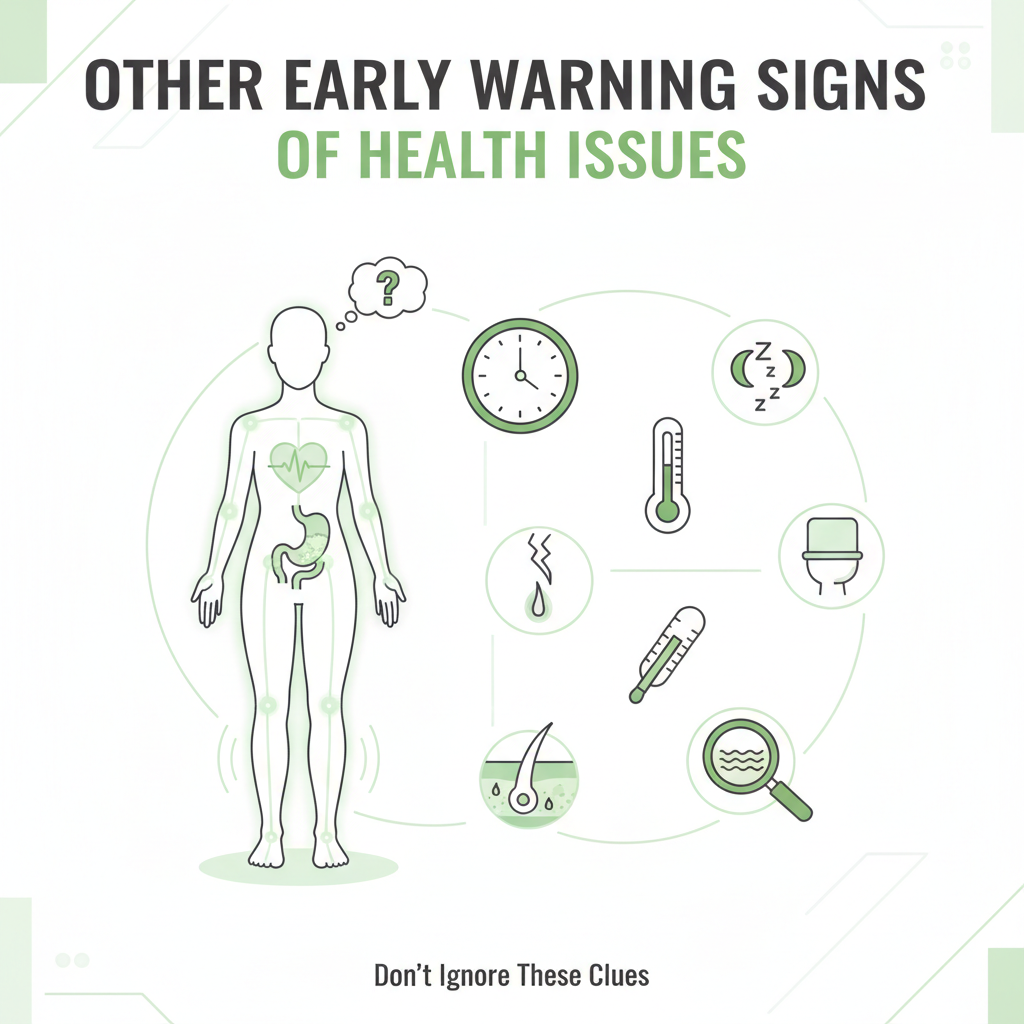
Beyond dehydration, being aware of other early warning signs can aid in early detection of health problems. These include:
- Unexplained weight loss: Could indicate metabolic or digestive issues. Learn more about weight loss signs.
- Persistent cough or hoarseness: May signal respiratory infections or other conditions. Check out common cough signs.
- Changes in bowel or urinary habits: Such as diarrhea, constipation, or blood in urine.
- Unusual bleeding or bruising: Could be a sign of blood disorders.
- Persistent fatigue: Not relieved by rest, potentially indicating underlying health issues.
- Chest pain or discomfort: May signal heart-related conditions. Learn more about chest pain signs.
- Shortness of breath: Especially during routine activities, which could indicate respiratory or cardiovascular issues. Find out more about shortness of breath signs.
- Persistent headaches: Especially if they are severe or accompanied by other symptoms. Discover more about headache signs.
Monitoring these symptoms and consulting with healthcare professionals when they occur can lead to early diagnosis and more effective treatment. (webmd.com)
Practical Tips for Maintaining Hydration and General Wellness
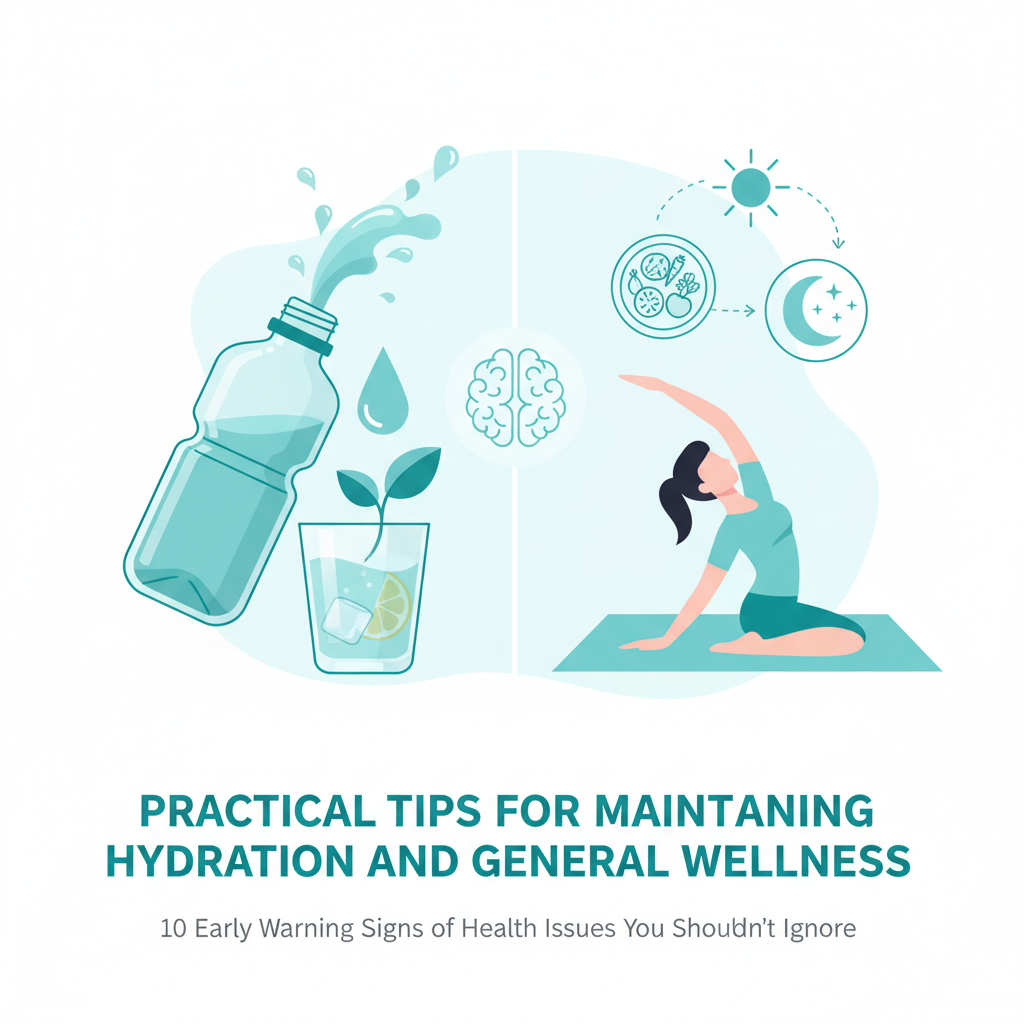
Maintaining proper hydration and overall health involves proactive measures:
- Drink water regularly: Aim for at least 8 cups of water daily, adjusting for activity level and climate. (healthy.kaiserpermanente.org)
- Consume water-rich foods: Include fruits and vegetables like watermelon, cucumbers, and oranges in your diet. Discover hydrating foods.
- Limit dehydrating substances: Reduce intake of caffeine and alcohol, which can increase fluid loss.
- Monitor urine color: Dark urine is a sign of dehydration; aim for light yellow urine.
- Stay active: Regular exercise promotes overall health and can improve hydration status.
- Manage stress: Chronic stress can impact your health; incorporate stress-reducing activities like meditation or yoga into your routine.
- Get regular check-ups: Routine health screenings can help detect potential issues early.
By incorporating these habits into your daily routine, you can support your body’s hydration needs and overall well-being. (healthy.kaiserpermanente.org)
Conclusion
Recognizing early warning signs of health issues, particularly dehydration, is vital for maintaining good health. By staying informed and proactive, you can address potential problems before they become serious. Remember, your health is in your hands—listen to your body, stay hydrated, and consult healthcare professionals when necessary.
Frequently Asked Questions (FAQs)
1. How much water should I drink daily?
While the “8 cups a day” rule is common, individual needs vary based on factors like age, activity level, and climate. It’s essential to listen to your body’s signals and adjust your water intake accordingly. (healthy.kaiserpermanente.org)
2. Can dehydration affect my mental health?
Yes, dehydration can lead to symptoms like confusion, irritability, and fatigue, which can impact mental well-being. Maintaining hydration supports cognitive function and emotional stability. (mayoclinic.org)
3. Are there any foods that help with hydration?
Foods with high water content, such as fruits and vegetables, can contribute to your daily hydration needs. Incorporating these into your diet can be beneficial. (healthy.kaiserpermanente.org)
4. What should I do if I experience severe dehydration symptoms?
If you experience severe dehydration symptoms, seek medical attention immediately. Severe dehydration can lead to serious health complications and requires prompt treatment. (